NASA Just Tested an Autonomous Navigation System That Could Revolutionize Moon and Mars Landings
NASA’s new autonomous navigation system empowers future Moon and Mars landers to detect hazards and autonomously select safer touchdown sites.
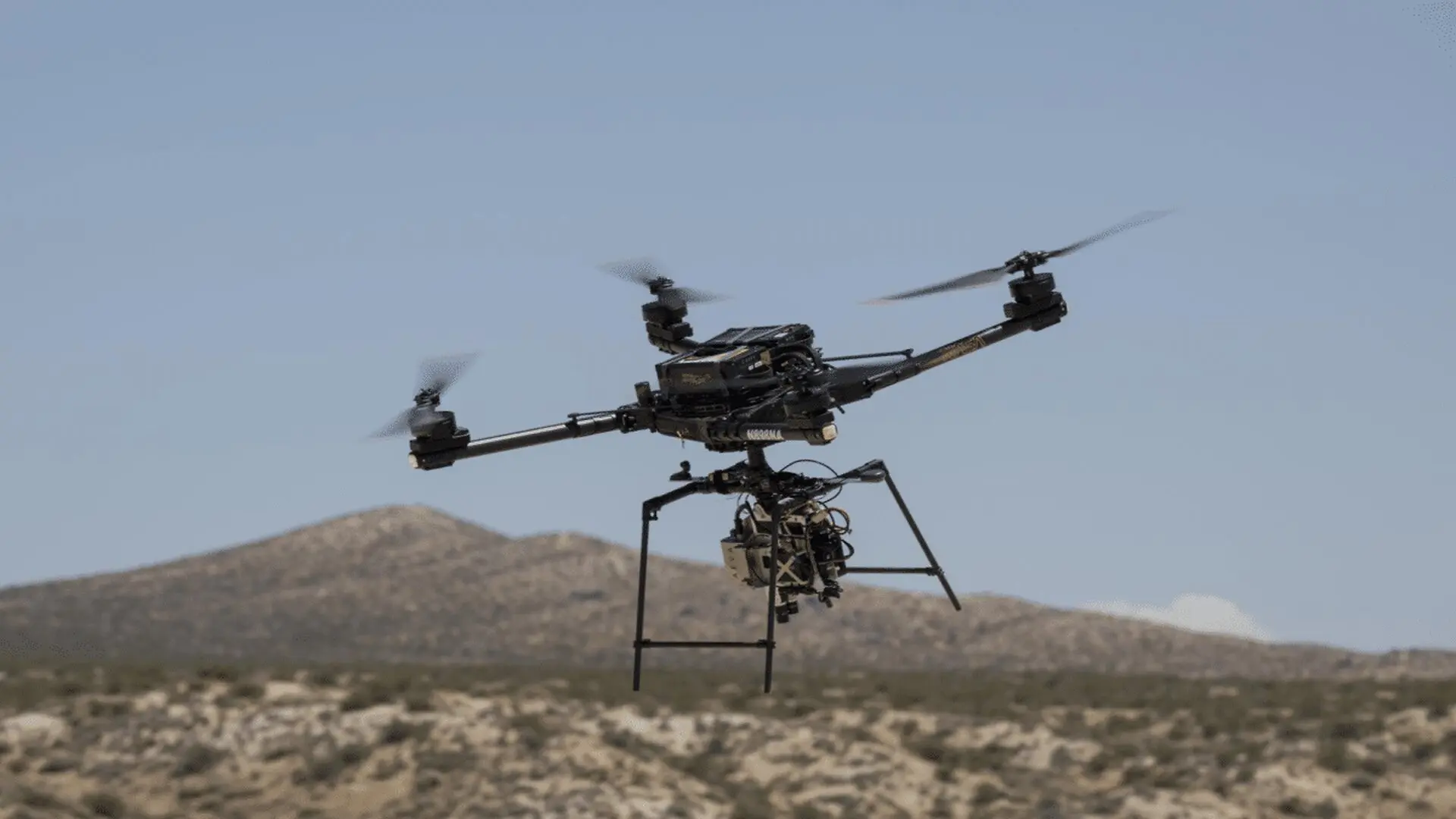
NASA has successfully validated a new autonomous navigation system designed to steer spacecraft away from treacherous terrain and toward safer landing zones. This breakthrough, known as the Safe and Precise Landing – Integrated Capabilities Evolution (SPLICE), aims to mitigate the extreme risks inherent in the final descent phase of missions to the Moon and Mars.
Aerial Trials Simulate High-Stakes Planetary Descents
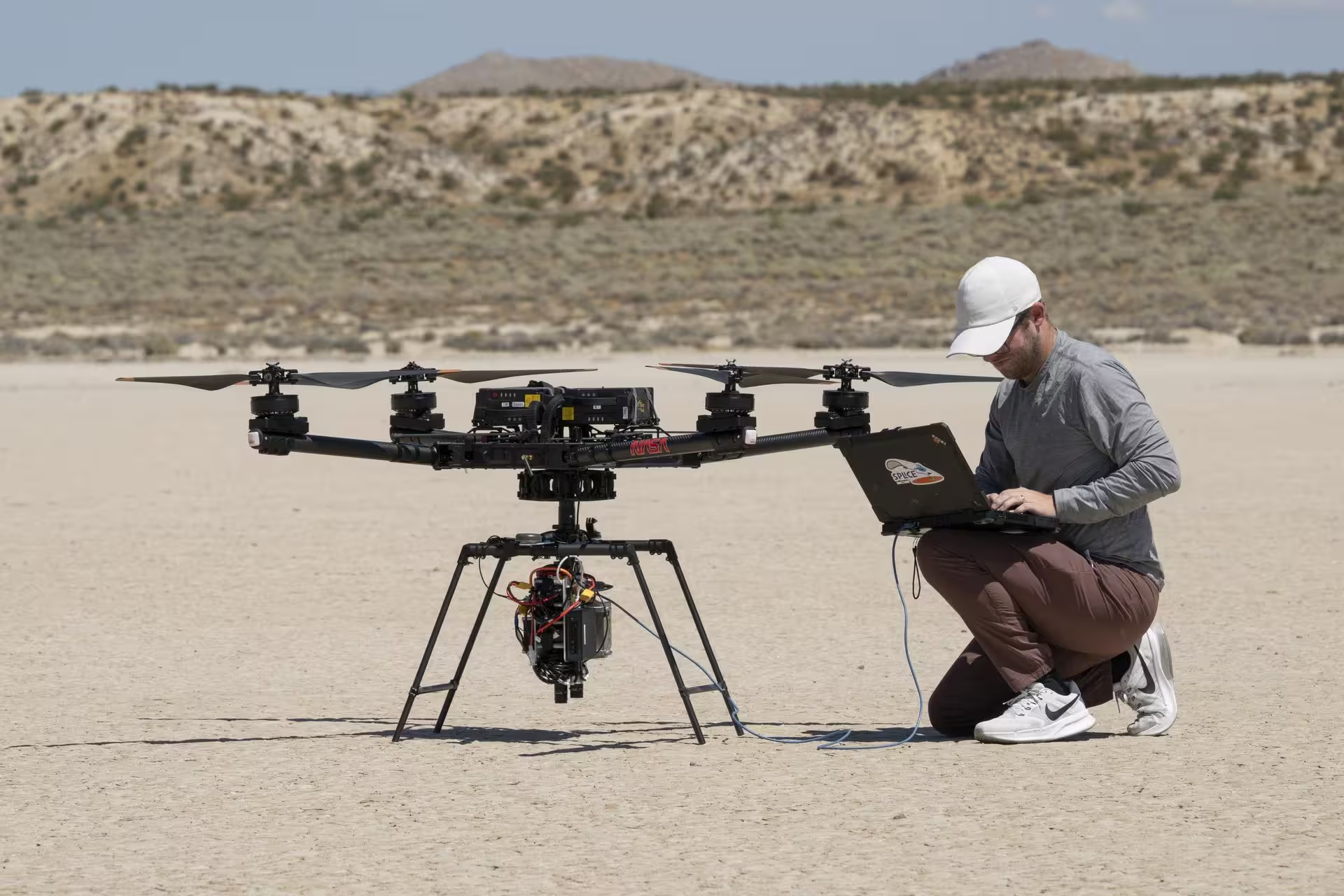
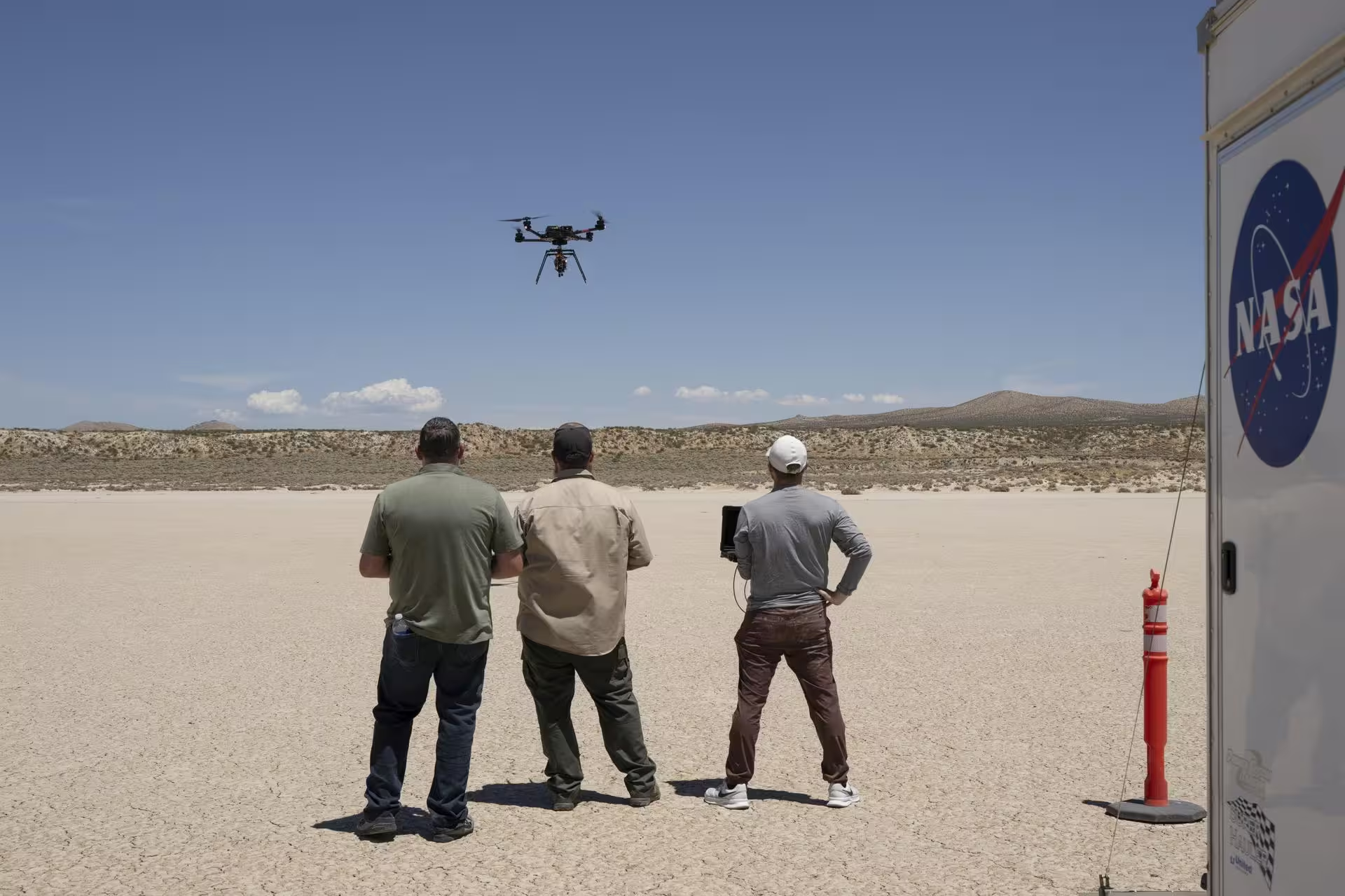
On August 27, an Alta-X drone served as a testbed for the experimental technology at Rogers Dry Lake, located near NASA’s Armstrong Flight Research Center in Edwards, California. Rather than adhering to a rigid, pre-programmed flight path, the aircraft performed complex maneuvers designed to mimic the final stages of a lunar mission. According to a NASA report released on November 4, 2026, the experiment proved that the system could successfully integrate advanced guidance, navigation, and control logic during a simulated landing.
Autonomous Hazard Avoidance Through Real-Time Mapping
The primary challenge for robotic landers is that orbital imagery often lacks the resolution required to identify localized hazards, such as sharp rocks or steep slopes, that could compromise a landing. SPLICE tackles this by utilizing onboard sensors to generate high-resolution digital elevation maps in real-time. By processing this data during descent, the system can autonomously identify unsafe patches of ground and execute a diversion to a safer touchdown site. This level of self-governance is essential for deep-space missions where communication delays with Earth make real-time human intervention impossible.
A Decade of Research Reaches a New Threshold
The recent test is the culmination of nearly ten years of collaborative engineering. The payload was designed at NASA’s Johnson Space Center in Houston, while teams at Armstrong integrated the hardware onto the Alta-X platform. Following a series of rigorous checks throughout the summer of 2026 to ensure telemetry and command reliability, the August flight confirmed the system’s readiness for more complex applications.
“This flight test is the culmination of almost a decade of work, for the SPLICE project,” said Davis Adams, NASA project manager. “This flight raised the technology readiness level, priming it for integration into future robotic and crewed lunar flights. Validation of the guidance and navigation systems are applicable to terrestrial, lunar, and Martian descent and landing missions.”
This success follows earlier foundational work, including 2019 and 2020 flight experiments that tested specific sensors and trajectories. NASA intends to build on this momentum with further trials scheduled for late November 2026 in Mojave, California.
Industry Integration and Future Mobility
Beyond internal government use, NASA is actively collaborating with commercial aerospace companies to integrate the SPLICE technology into private lunar lander platforms. Project manager Davis Adams indicated that the software will be added to the NASA catalog this fall, allowing industry partners to evaluate its capabilities for both precision landing and autonomous surface navigation. By empowering spacecraft to interpret their surroundings independently, the system serves as a cornerstone for future missions that will require precise, flexible landing capabilities on both the Moon and beyond.
This article has been fact checked for accuracy, with information verified against reputable sources. Learn more about us and our editorial process.
Last reviewed on .
Article history
- Latest version
Reference(s)
- Dinius, Dede. “NASA Navigation Experiment Shows Promise for Planetary Landings - NASA.”, November 4, 2026 NASA <https://www.nasa.gov/centers-and-facilities/armstrong/nasa-navigation-experiment-shows-promise-for-planetary-landings/>.
Cite this page:
- Posted by Karan Das