Colombia Begins Recovering 17 Billion Dollar Holy Grail Shipwreck Amid Allegations of Looting
A centuries-old shipwreck filled with riches is sparking controversy as rising discovery claims ignite fierce legal battles over ownership of its lost cargo.
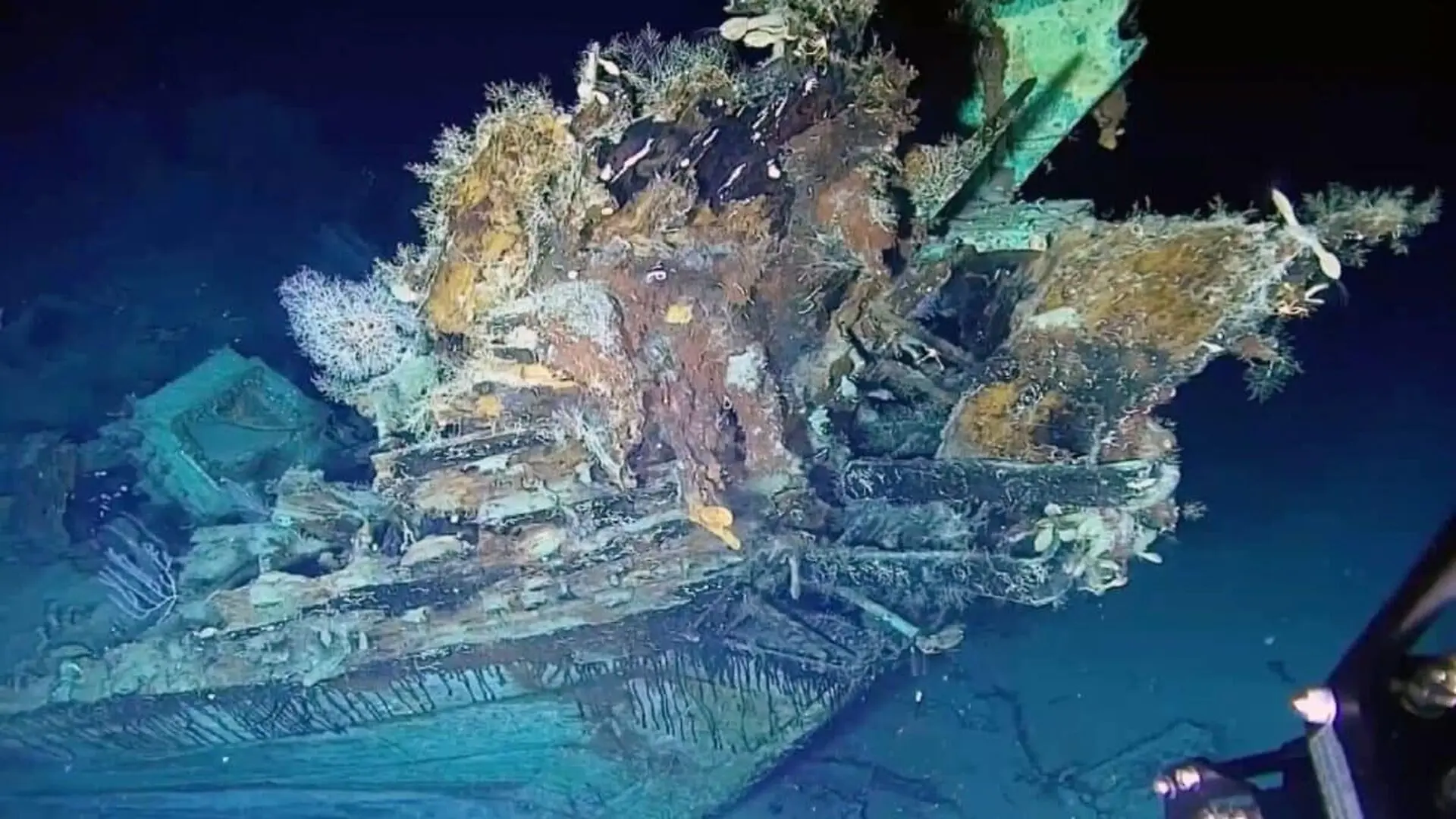
Colombia has initiated recovery efforts at the site of the San José, the legendary Spanish galleon widely regarded as the most sought-after shipwreck in history. However, the mission to retrieve items from the deep-sea site has sparked intense controversy, characterized by accusations of illicit looting and a complex web of competing international ownership claims.
Resting 1,970 feet below the surface off the Colombian coast, the vessel is estimated to hold a fortune valued between $10 billion and $17 billion. Despite its historical significance, the project has ignited as many questions as it has answered since initial recovery efforts commenced nearly a year ago.
A Massive Colonial Haul
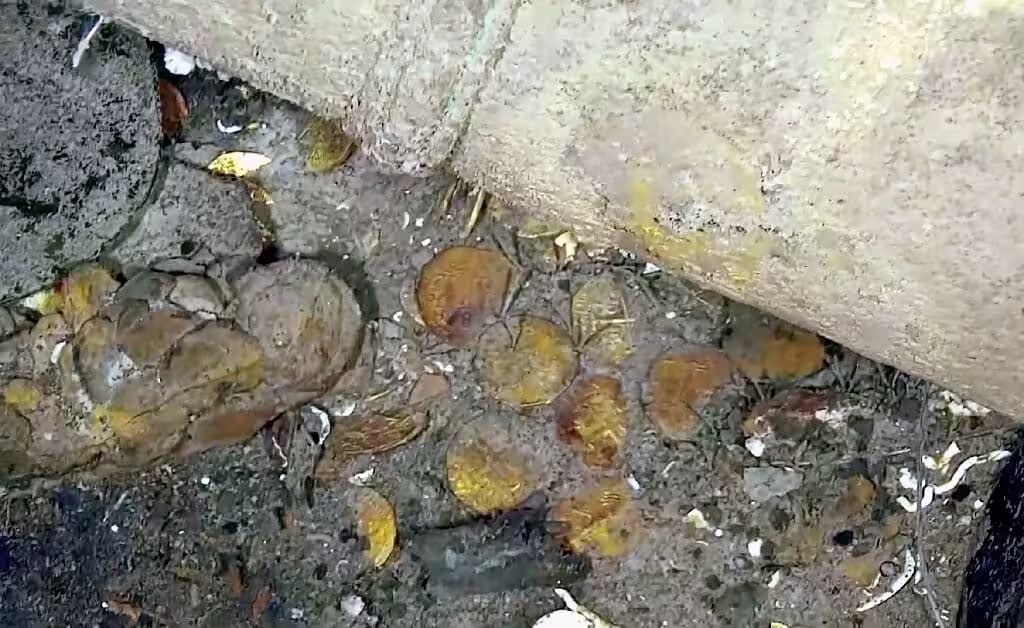
The San José was acting as the crown jewel of a fleet transporting a decade’s worth of accumulated wealth from Spanish territories in the Americas. When the vessel set sail, its hold was packed with approximately 200 tons of gold, silver, and precious, uncut gemstones. Much of this wealth consisted of macuquinas, or cobs—irregularly shaped coins hammered from gold and silver ingots that served as the primary currency for high-volume trade between the colonies and Europe.
The ship’s journey came to a violent end on June 8, 1708. During the War of the Spanish Succession, a British naval squadron intercepted the 18-ship fleet near Cartagena. During the ensuing cannon engagement, the San José’s ammunition stores were ignited, triggering a catastrophic explosion that sent the 150-foot vessel and nearly 600 sailors to the seafloor.
Initial Findings and Growing Controversy
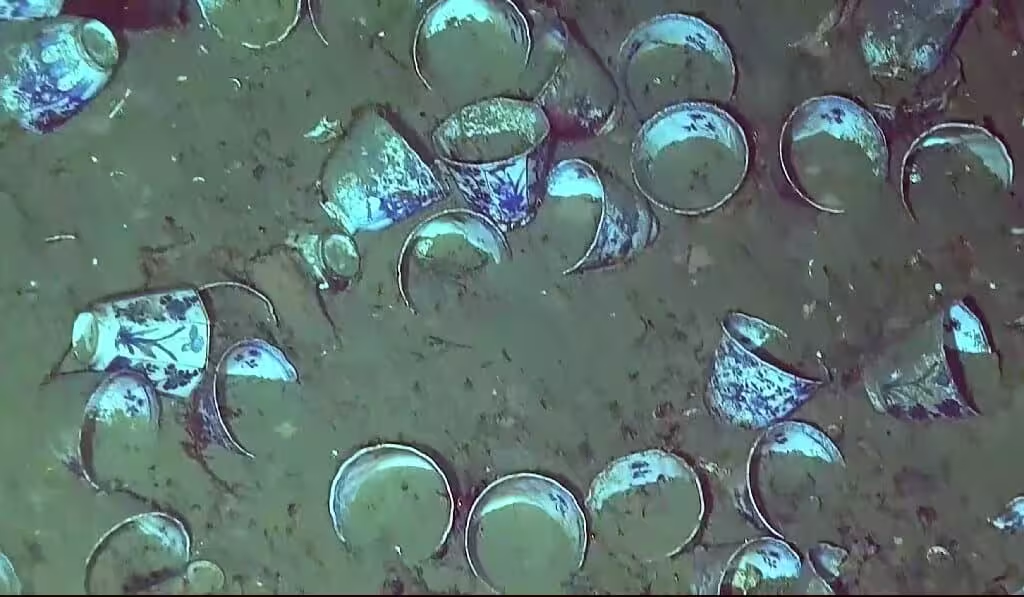
Late in 2025, officials from the Colombian Ministry of Culture, Arts, and Knowledge utilized a remotely operated vehicle to conduct the first sampling from the wreck. The mission yielded a modest collection: three coins, two distinct types of porcelain cups, and a bronze cannon still embedded with sediment and organic debris. Alhena Caicedo Fernández, director of the Colombian Institute of Anthropology and History (ICANH), stated that these artifacts provide a vital opportunity for the public to engage with the vessel’s history.
This perspective is not shared by all. Critics, including local archaeologists, have challenged the necessity of the intervention, arguing that the scientific rationale for disturbing the site is insufficient. Further tension arose regarding the recovery of a piece of rope; while critics suggested it was a modern addition to the site, research teams defended the find by citing the preservation of organic materials in other ancient maritime wrecks.
The Legal Battle Over Heritage
The site has become the center of a profound legal and ethical dispute. Oversight groups have formally alleged that unauthorized interventions occurred at the site in 2016 and 2022, pointing to expert analysis of underwater imagery that suggests sediment displacement. ICANH has steadfastly denied these claims of looting.
Beyond the accusations of tampering, the question of ownership remains unresolved. Spain maintains that the San José, as a sovereign vessel, constitutes a protected war grave. Meanwhile, the Qhara Qhara nation of Bolivia asserts a claim based on the history of the indigenous laborers who mined the silver. A high-stakes legal battle is currently playing out at the Permanent Court of Arbitration, where Sea Search Armada is seeking $10 billion in compensation, arguing that they discovered the wreck decades ago. Colombia rejects this claim, setting the stage for what could become one of the most expensive and contentious recovery operations in maritime history.
This article has been fact checked for accuracy, with information verified against reputable sources. Learn more about us and our editorial process.
Last reviewed on .
Article history
- Latest version
Reference(s)
- “AcademyCv.” <https://academia.uniandes.edu.co/AcademyCv/a.caicedo>.
Cite this page:
- Posted by Vikram Desai