A Diver Touched A Dark Shape In The Sand And Uncovered A 2,500 Year Old Mystery
Decades after a chance discovery of two ancient bronze statues in the sea, the mystery of the missing shipwreck continues to baffle researchers.
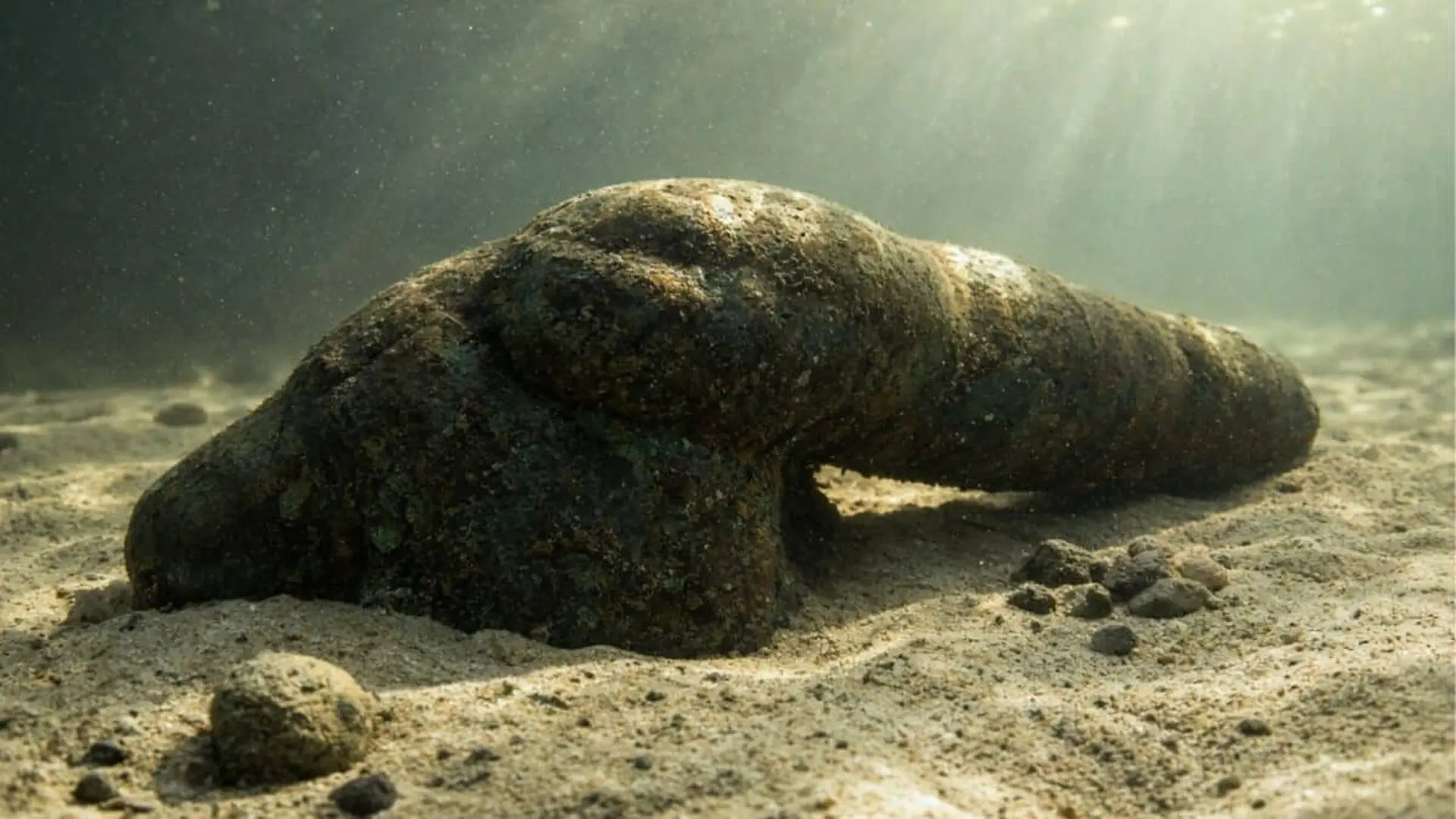
It was a sweltering August afternoon in 1972 when Stefano Mariottini, a chemist vacationing on the Ionian coast of Calabria, decided to go spearfishing. While navigating the waters off Riace Marina, he noticed something unnatural protruding from the seabed. A dark, metallic shoulder was jutting out from a patch of sand, wedged between rocks. Upon closer inspection, he realized he had stumbled upon one of the most significant archaeological finds of the century.
The discovery turned out to be the Riace Bronzes, two life-sized Greek warrior statues cast during the mid-5th century BC. As rare survivors of ancient metalwork, they have captivated historians for over five decades. However, the mystery surrounding their origin, their creators, and the circumstances of their final resting place remains a subject of intense academic debate.
An Unexpected Underwater Encounter
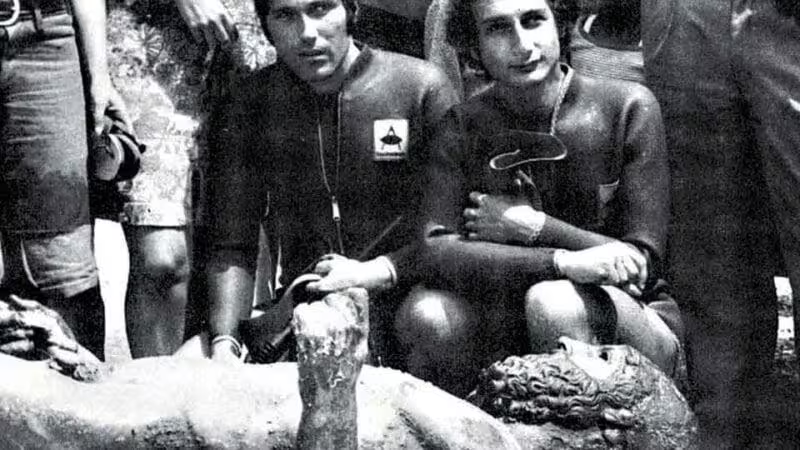
Mariottini’s initial dive revealed more than just a single statue. As he cleared the surrounding sand, he uncovered a large toe and a knee, eventually revealing a second figure lying on its back just a meter away. Recognizing the potential importance of the artifacts, he attempted to contact authorities, though the timing of the Italian midsummer holiday, Ferragosto, made it difficult to reach officials. Eventually, he connected with the regional superintendent in Reggio Calabria, but not before carefully marking the site with a buoy and re-burying the statues to protect them.
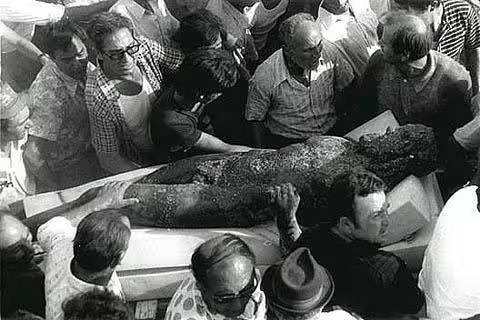
The recovery effort, led by Carabinieri police divers, was a delicate operation. Because the team was already engaged in a project in Sicily, the retrieval was delayed by several days. When the statues were finally brought to the surface, they were hoisted with inflatable bags. Despite a brief, harrowing moment where one statue slipped back toward the depths, both were successfully recovered and transported to safety.
Masterpieces of Ancient Craftsmanship
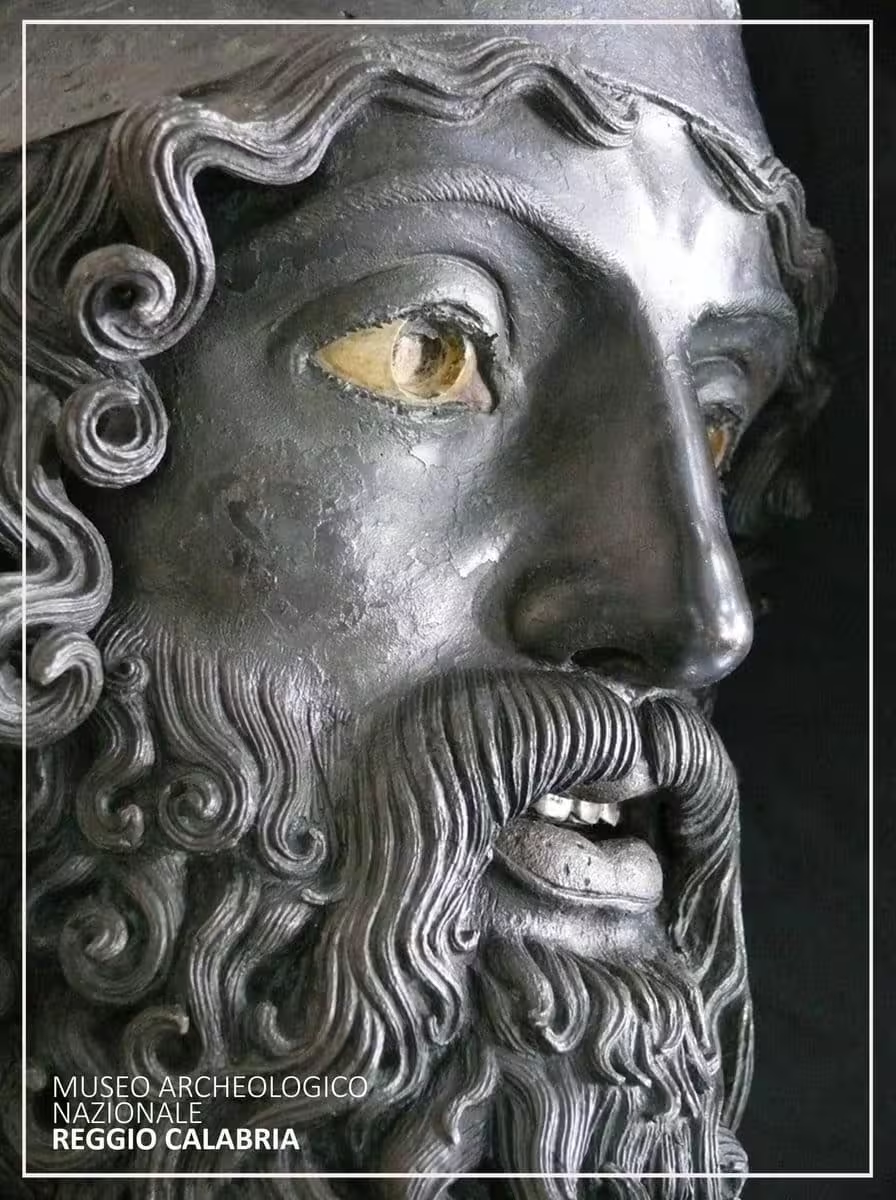
The statues stand nearly two meters tall and exhibit a level of detail that defies their age. While both are nude and bearded, scholars believe they were crafted by different artists, potentially separated by a generation. The artisans incorporated distinct materials to achieve realism: copper was used for the lips, nipples, and eyelashes, while inlaid white stone creates the illusion of life in the eyes. Perhaps most notably, one of the warriors features visible silver teeth.
Evidence suggests these warriors were once equipped with combat gear. Marks on the bronze indicate the former presence of shields on their left arms and, likely, spears held in their right hands, along with missing helmets. Following extensive restoration, the bronzes were unveiled to the public in 1980, drawing massive crowds before finding their permanent home at the Museo Nazionale della Magna Grecia.
The Persistent Mystery of the Missing Shipwreck
For decades, it was assumed the statues were lost in a shipwreck. However, subsequent searches of the discovery site have failed to yield any evidence of a vessel. While early reports pointed to lead rings found nearby as proof of ship wreckage, a 2026 study by geologist Rosolino Cirrincione suggests these were merely fishing net weights.
The study also analyzed the crusty deposits on the bronzes, suggesting they spent the majority of their time in deeper waters before being moved to the shallows. This has fueled speculation that the statues may have been illicitly recovered elsewhere, such as off the coast of Brucoli, Sicily, and later relocated—an allegation that has triggered formal legal inquiries.
Adding to the intrigue is the enduring rumor of a third statue. Mariottini’s initial report to the museum included the phrase “a group of statues,” a detail that has sparked decades of conspiracy theories. Despite these claims, the original discoverer has consistently maintained that he only ever witnessed the two figures he eventually helped to recover.
This article has been fact checked for accuracy, with information verified against reputable sources. Learn more about us and our editorial process.
Last reviewed on .
Article history
- Latest version
Reference(s)
- projects, Contributors. “police branch of Italy's military.”, March 20, 2002 Wikimedia Foundation, Inc. <https://en.wikipedia.org/wiki/Carabinieri>.
- “Museo Archeologico Nazionale di Reggio di Calabria.”, June 11, 2024 MArRC <https://www.museoarcheologicoreggiocalabria.it/>.
Cite this page:
- Posted by Vikram Desai