4000 Year Old Dog Paw Print Discovered in Ancient Turkish Brick
Archaeologists have unearthed a 4,000-year-old brick in Turkey that preserves a unique, intimate glimpse into daily life after surviving a massive fire.
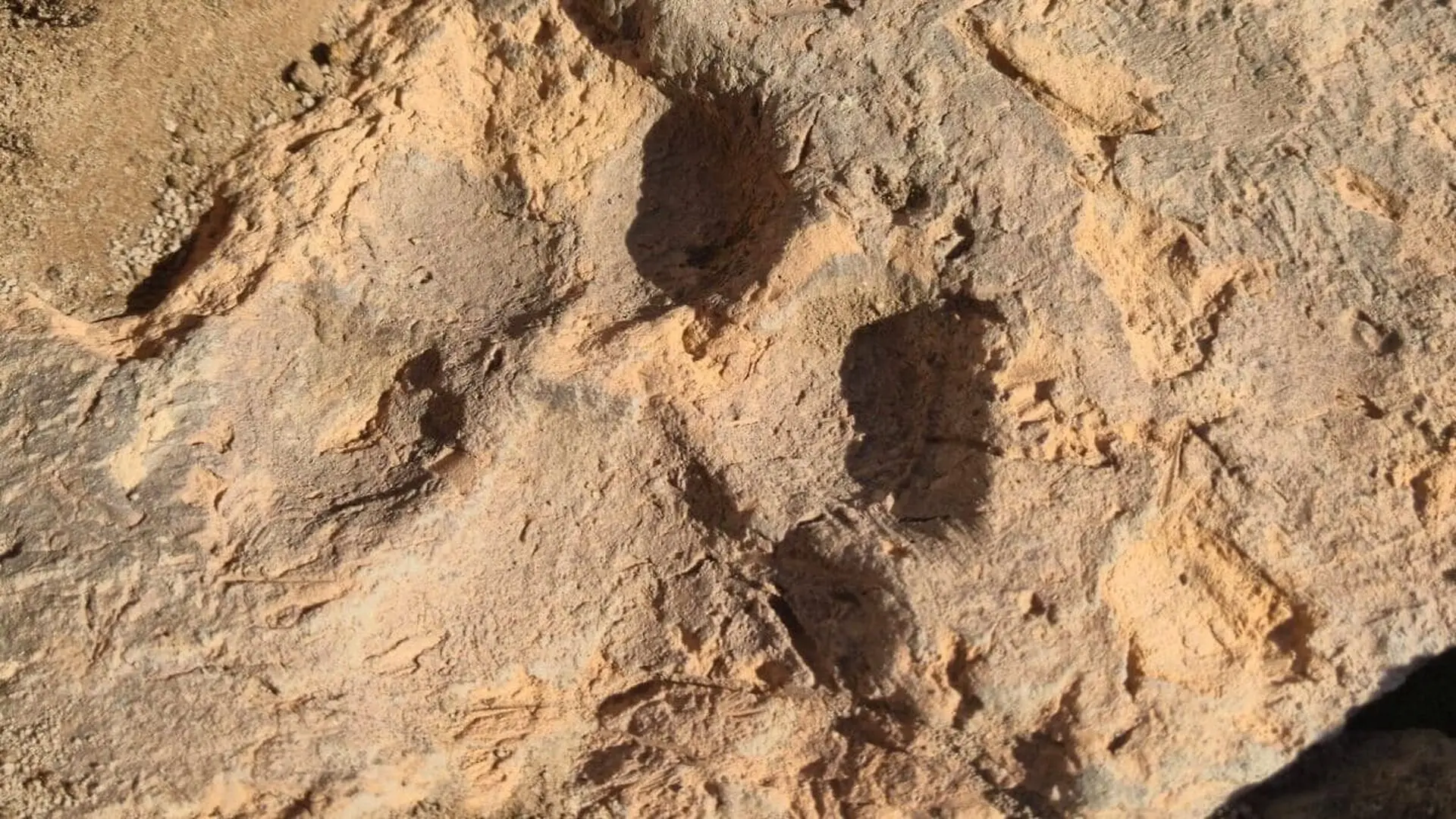
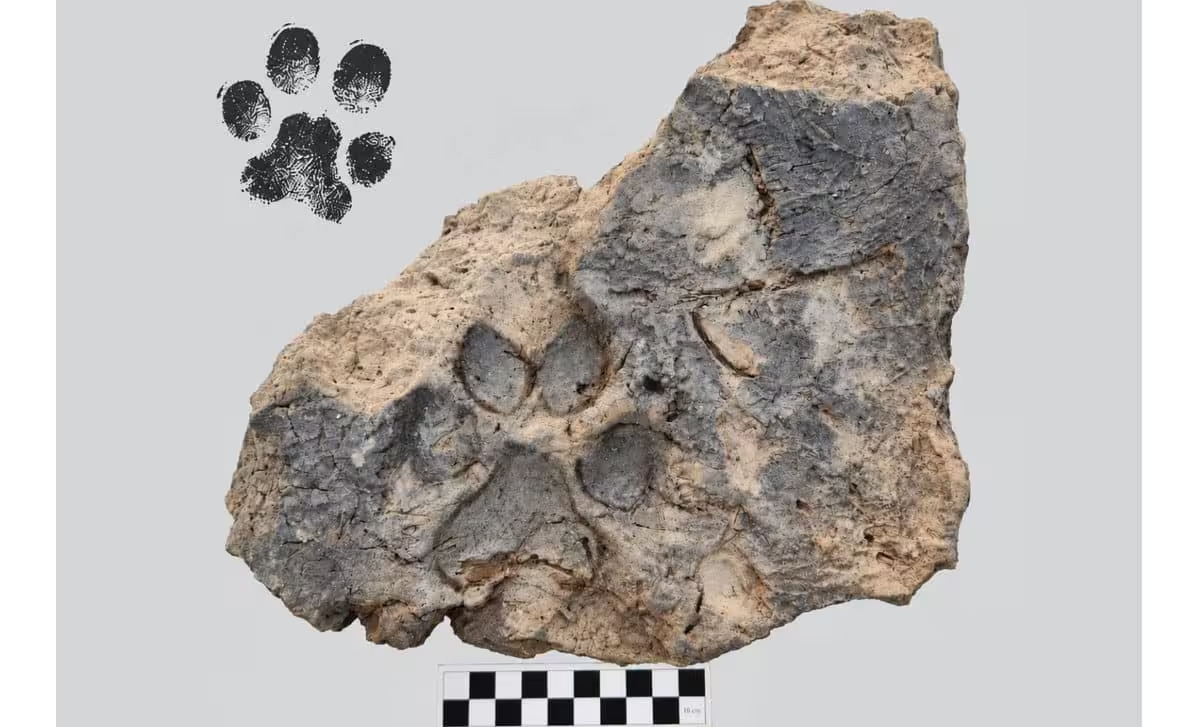
Archaeologists working at the Tavşanlı Höyük excavation site in Turkey’s Kütahya province have unearthed a fleeting, 4,000-year-old moment frozen in time: a canine paw print pressed firmly into a mud brick. The artifact was recovered from the ruins of a Bronze Age structure that was decimated by fire, providing a rare and intimate look at the daily rhythms of an ancient Anatolian settlement.
A Forgotten Impression from the Bronze Age
The discovery, which gained public attention in late October 2026, occurred during ongoing excavations led by Professor Erkan Fidan of Bilecik Şeyh Edebali University. His team has been meticulously uncovering the layers of this significant historical site since 2021.
According to a statement from the university, the brick was created using a traditional mixture of soil, water, and straw, which would have been left out in the sun to cure. While the material was still soft, an inquisitive dog wandered across the brick, leaving an impression that would remain preserved for four millennia after the material hardened and was built into the wall of a home.
Tavşanlı Höyük boasts a human occupation history spanning roughly 8,000 years, though the site saw a major resurgence around 3200 B.C.E. The community eventually met a violent end around 1700 B.C.E., evidenced by the burned remains of buildings and weapons—such as daggers, spearheads, and arrowheads—scattered among the debris. The discovery of the paw-marked brick, while seemingly mundane, serves as a poignant contrast to the grim reality of the site’s final, destructive moments.
While the Tavşanlı Höyük print captures a singular moment from the Bronze Age, the history of domestic dogs in Anatolia is significantly older. Professor Fidan noted that by the time this brick was fired, the presence of dogs within human settlements was well-established. This long-standing relationship is supported by a growing body of genomic and archaeological research.
In a study published in Nature earlier in 2026, researchers confirmed the existence of domesticated dogs in Turkey as far back as 15,800 years ago, following an analysis of remains found at the Pınarbaşı site. Similar ancient evidence from sites like Gough’s Cave in Britain and Boncuklu in Anatolia suggests that dogs were widespread across Eurasia during the late Upper Paleolithic period.
At several of these sites, the discovery of dogs buried alongside humans indicates that these animals were likely valued for more than just protection or hunting; they were integrated into the social and emotional lives of ancient communities. Whether the dog that stepped on the Tavşanlı Höyük brick was a beloved companion or a wandering stray remains a mystery, but the mark stands as a lasting testament to the thousands of years humans and dogs have shared their living spaces.
“Bilecik Şeyh Edebali Üniversitesi.” <https://www.bilecik.edu.tr/main/Icerik/%C3%9Cniversitemizin_Arkeoloji_%C3%87al%C4%B1%C5%9Fmalar%C4%B1_Tarihe_I%C5%9F%C4%B1k_Tutuyor%3A_Tav%C5%9Fanl%C4%B1_H%C3%B6y%C3%BCk%E2%80%99te_4_Bin_Y%C4%B1ll%C4%B1k_Ke%C5%9Fif_cad55>.
Desai, Vikram. “4000 Year Old Dog Paw Print Discovered in Ancient Turkish Brick.” BioScience. BioScience ISSN 2521-5760, 05 November 2026. <https://www.bioscience.com.pk/en/subject/earth-science/archaeologists-unearthed-a-4-000-year-old-brick-in-turkey-with-an-unexpected-trace-of-ancient-life>.
Desai, V. (2026, November 05). “4000 Year Old Dog Paw Print Discovered in Ancient Turkish Brick.” BioScience. ISSN 2521-5760. Retrieved November 05, 2026 from https://www.bioscience.com.pk/en/subject/earth-science/archaeologists-unearthed-a-4-000-year-old-brick-in-turkey-with-an-unexpected-trace-of-ancient-life
Desai, Vikram. “4000 Year Old Dog Paw Print Discovered in Ancient Turkish Brick.” BioScience. ISSN 2521-5760. https://www.bioscience.com.pk/en/subject/earth-science/archaeologists-unearthed-a-4-000-year-old-brick-in-turkey-with-an-unexpected-trace-of-ancient-life (accessed November 05, 2026).