Ancient Roman Statues May Hold Clues to a Wealthy Tycoon’s Secret Grief
A wealthy Roman’s wife died under mysterious circumstances 1,800 years ago. Now, researchers are re-examining his garden sculptures for hidden clues.
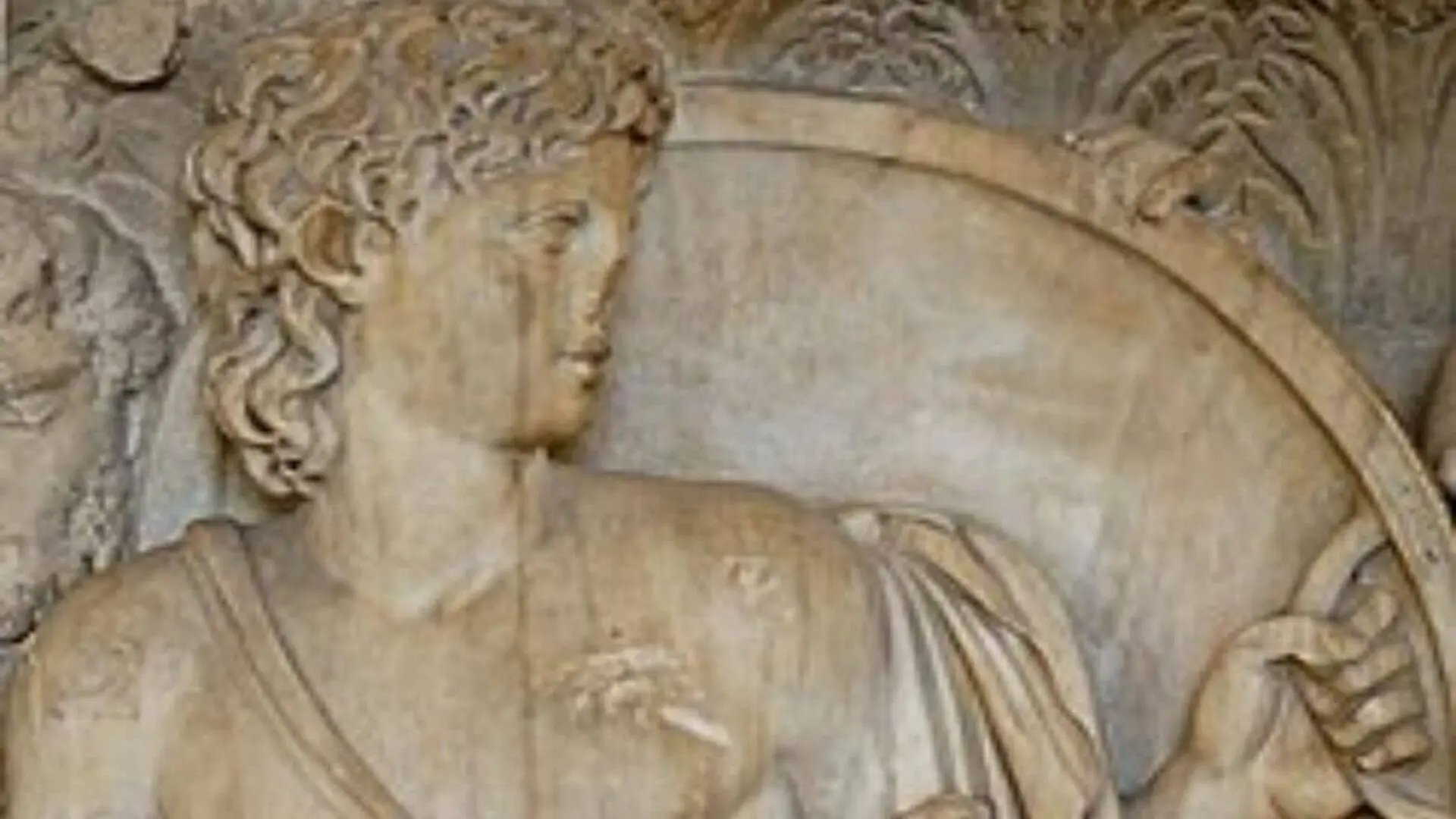
New research suggests that a pair of monumental Roman sculptures, once housed at the private estate of the influential aristocrat Herodes Atticus, served as more than just a display of wealth. The artworks, which depict pivotal moments from the Trojan War, may have functioned as a sophisticated visual language for a man navigating profound personal loss and intense public scrutiny.
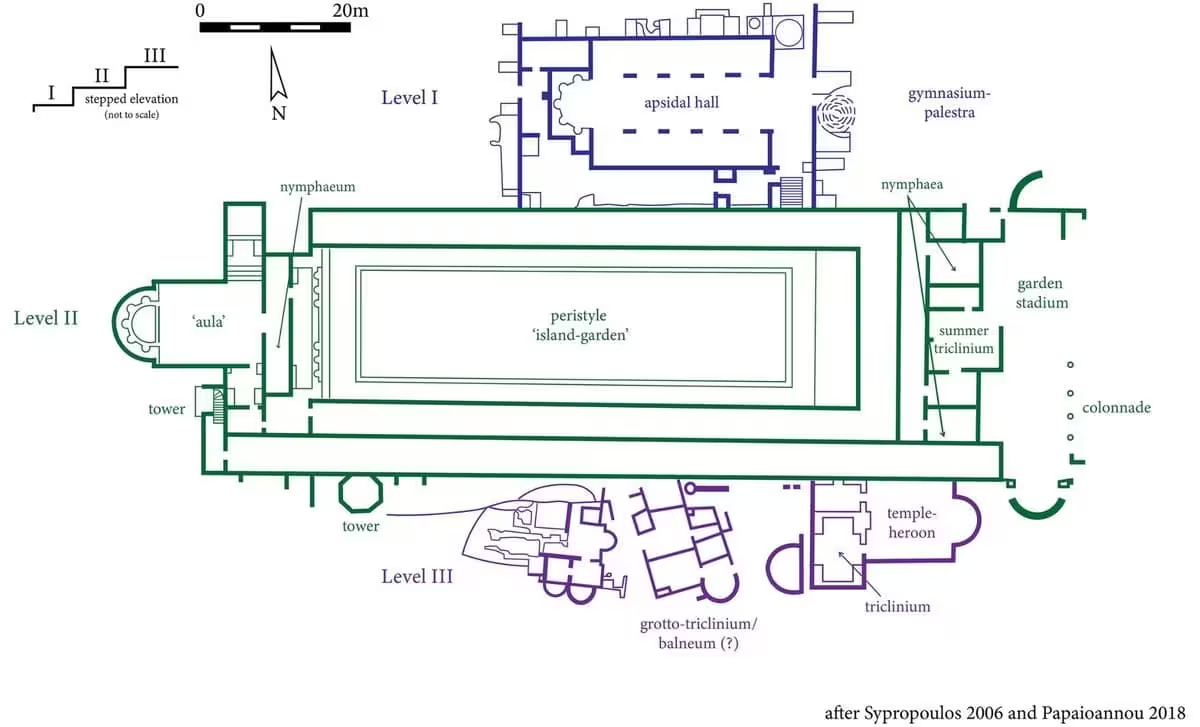
The study, conducted by Rebecca Levitan of King’s College London and published in the Journal of Roman Archaeology, examines the ruins of the Villa of Herodes Atticus in Loukou, located in the Peloponnese. Levitan argues that the strategic placement of these sculptures—paired with intricate mosaics and water features—created a contemplative environment designed to influence how guests perceived the owner of the estate.
Mythic Imagery as a Tool for Public Narrative
The centerpiece of the garden’s western end featured two towering marble groups, both exceeding 2.45 meters (8 feet) in height. These works were Roman interpretations of Greek bronze originals dating back to the third or second century BC. One surviving sculpture captures the tragic encounter between Achilles and the Amazon queen Penthesilea, a moment marked by the hero’s sudden, devastating realization of love at the exact instant he delivers a fatal blow.
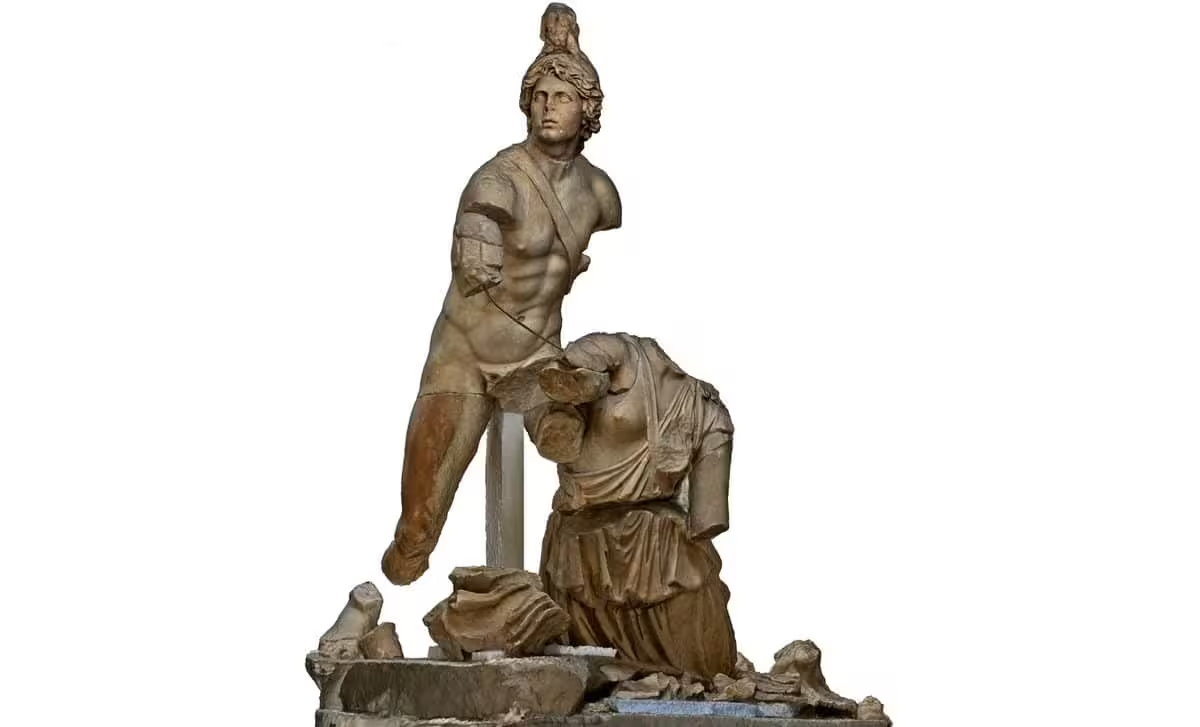
The second composition, identified by Levitan as the Pasquino Group, depicted the heroic Ajax carrying the lifeless body of Achilles. While the primary sculpture is lost, historical records from the 19th century, including descriptions by British traveler William Martin Leake, confirm its presence at the site. The villa’s design utilized a 63-meter water channel that potentially mirrored these figures, forcing visitors to engage with the themes of mortality and grief as they navigated the courtyard.
A Legacy Defined by Tragedy and Legal Controversy
Herodes Atticus (AD 101–177) was a central figure in Roman society, serving as a consul and mentor to future emperors Marcus Aurelius and Lucius Verus. However, his life was repeatedly punctuated by the deaths of his loved ones. The most significant of these occurred in AD 160, when his pregnant wife, Regilla, died. The aftermath was a high-profile legal battle in which Herodes was accused of orchestrating the fatal assault on his wife. Although he was eventually acquitted, the scandal cast a long shadow over his reputation.
Levitan proposes that the sculptural displays were intentional, serving as a medium through which Herodes could articulate his private sorrow. By surrounding himself with Homeric figures who, like him, grappled with the consequences of causing the death of a loved one, he may have sought to foster empathy among his intellectual peers. The use of art allowed for a subtle expression of remorse that avoided an outright admission of guilt while simultaneously framing his personal history within the elevated context of classical tragedy.
While the interpretation offers a compelling look at the intersection of private mourning and public display, researchers acknowledge the difficulty of absolute dating. Some experts suggest certain mosaics at the villa might date to a later period, potentially complicating the timeline of their installation. Nonetheless, the site at Loukou remains a rare example of how the elite in the Roman Empire utilized mythological narratives to manage their public image during times of personal turmoil.
This article has been fact checked for accuracy, with information verified against reputable sources. Learn more about us and our editorial process.
Last reviewed on .
Article history
- Latest version
Cite this page:
- Posted by Vikram Desai