NASA Declares Experimental Satellite Unrecoverable After Bizarre Software Glitch
A NASA-funded satellite designed to inspect inactive orbital debris is officially lost after a critical software glitch silenced its communication systems.
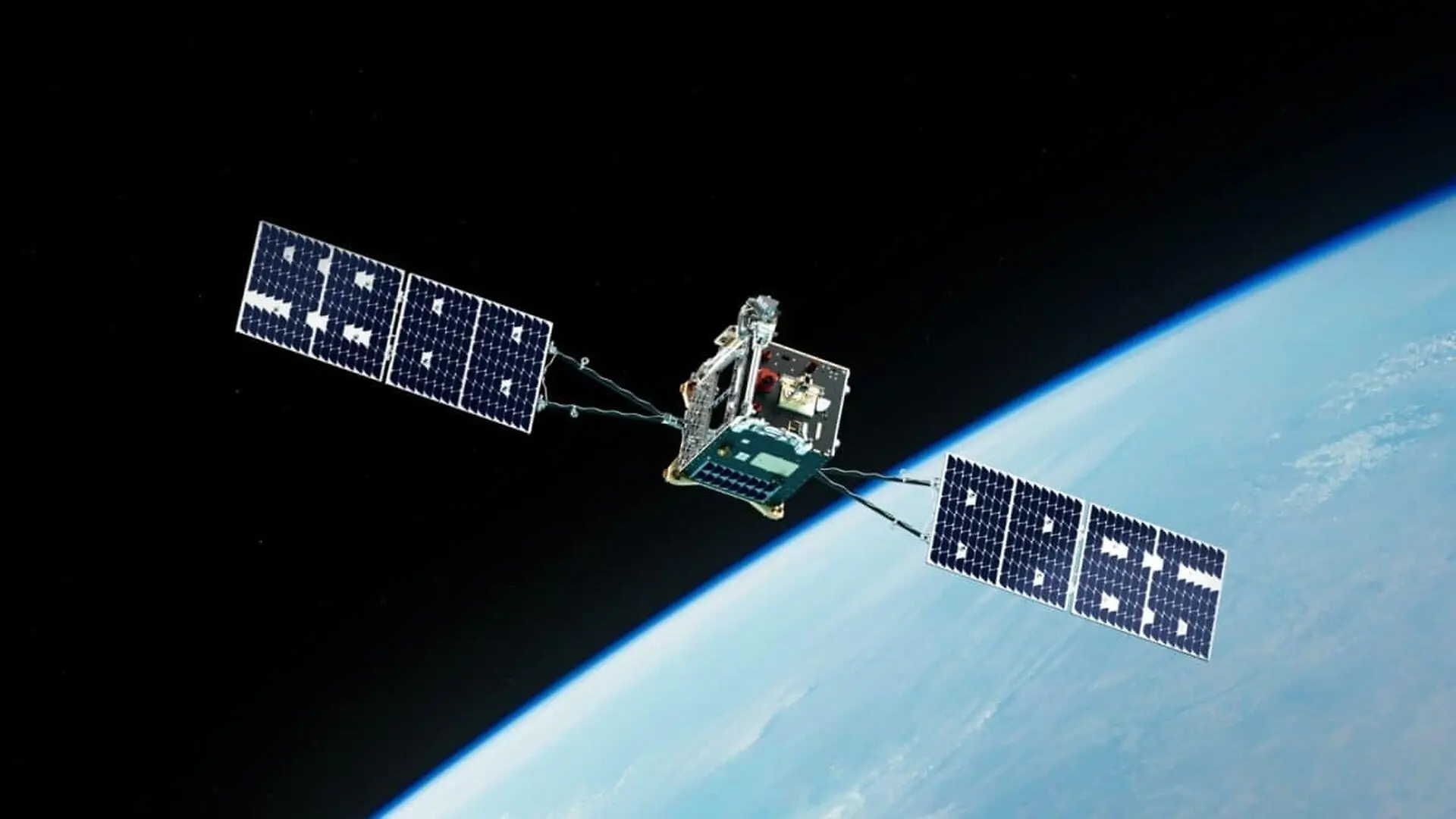
NASA-Backed Orbital Inspection Mission Ends Following Communication Blackout
A pioneering satellite designed to maneuver around and inspect defunct orbital hardware has been officially declared lost. The Small Spacecraft Propulsion and Inspection Capability (SSPICY) mission, a collaboration between NASA and startup Starfish Space, suffered a terminal software glitch shortly after its October 1 launch, rendering the spacecraft unreachable.
The mission’s centerpiece was Otter, a compact vehicle engineered to test advanced navigation, propulsion, and robotic arm technology. While Starfish Space managed to establish initial contact following the spacecraft’s deployment, the link was severed during the critical commissioning phase. Despite exhaustive efforts by mission controllers to troubleshoot the connection, the spacecraft remained silent.
Investigators eventually traced the failure to the satellite’s fault protection system. Designed to safeguard the spacecraft by monitoring for anomalies, the software instead misidentified a condition and locked the radio in an off position. Because the vehicle could not be commanded to reset its communications, the mission was deemed unrecoverable.
Otter 24C spacecraft update: https://t.co/qPkkqC2JAn
— Starfish Space (@StarfishSpace) November 3, 2026
The Strategic Importance of Orbital Servicing
The SSPICY mission was intended to validate technologies essential for the future of the low Earth orbit ecosystem. As space traffic increases, the ability to inspect, repair, or safely de-orbit inactive satellites has become a priority for both commercial and government agencies. Otter was equipped with an articulating robotic boom and sophisticated guidance sensors specifically tailored for proximity operations near unresponsive objects.
This flight marked the debut of the Otter platform and the first time Starfish Space attempted to integrate its proprietary propulsion and navigation hardware into a cohesive, mission-ready unit. While the primary objectives of the demonstration remain unfulfilled, the project served as a high-stakes testbed for the company’s design architecture.
Data-Driven Lessons for Future Commercial Spaceflight
NASA officials have framed the outcome as a necessary reality of experimental space exploration, noting that the intelligence gained from the failure will inform future iterations of the technology. The agency continues to rely on public-private partnerships to accelerate the development of in-space servicing, assembly, and manufacturing.
“Commercial capabilities like Starfish’s are critical for a competitive U.S. space economy and strong American leadership in low Earth orbit,” said Greg Stover, director of the Advanced Research and Technology Division at NASA Headquarters. “Technology demonstrations allow us to quickly test new systems, learn from their performance, and iterate so that we are pushing the boundaries of what’s possible with every mission.”
The SSPICY program, which received funding through NASA’s Advanced Research and Technology Division and the Small Spacecraft and Distributed Systems program at Ames Research Center, was expected to provide vital data on the physical state of orbital debris. Moving forward, Starfish Space intends to apply the lessons learned from the Otter 24C failure to subsequent missions, aiming to refine the fault protection protocols that silenced the inaugural flight. For now, the mission serves as a stark reminder of the technical challenges inherent in managing autonomous systems in the unforgiving environment of space.
This article has been fact checked for accuracy, with information verified against reputable sources. Learn more about us and our editorial process.
Last reviewed on .
Article history
- Latest version
Cite this page:
- Posted by Karan Das