3D Printed Steaks Are Hitting Grocery Shelves And You Likely Won’t Be Able To Tell
From 3D-printed steaks to mushroom-based salmon, next-generation plant-based foods are hitting grocery shelves and transforming the future of our diet.
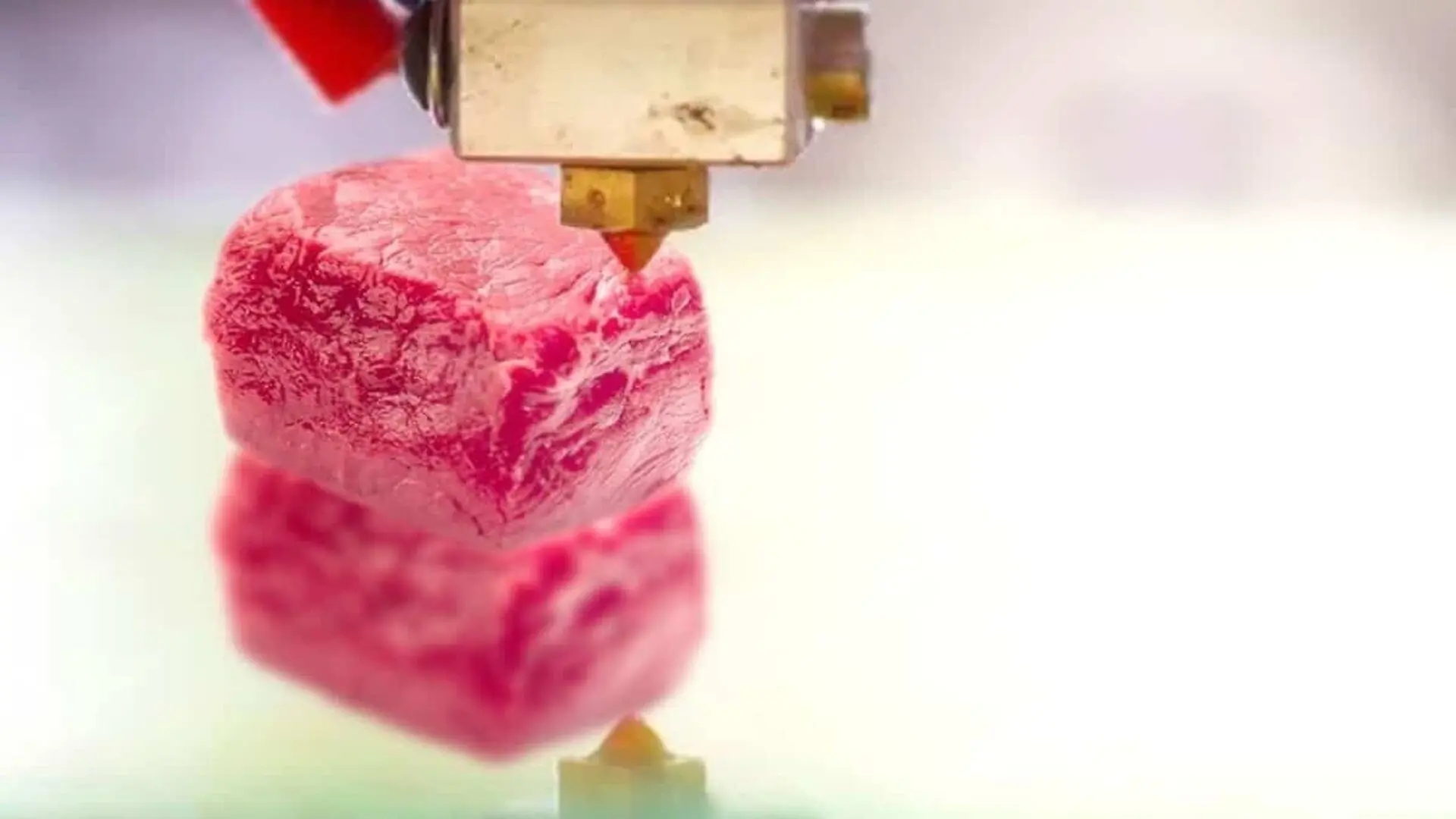
Food technology firms are increasingly turning to additive manufacturing to solve a persistent problem in the plant-based sector: replicating the complex textures of animal products. By precisely depositing edible mixtures in programmed patterns, specialized systems can mimic the fibrous structure of muscle, the marbling of fat, and the delicate flakiness of fish. It is important to distinguish these products from cultivated meat, which relies on animal cells grown in a lab. Instead, these printed alternatives are crafted from plant-derived ingredients engineered to mirror the architecture of conventional meat.
This manufacturing shift has already arrived in retail markets across Austria, the United Kingdom, and Switzerland. However, the technology faces significant headwinds, including the high cost of industrial printers, the logistical hurdles of mass production, and a cooling market for plant-based meat alternatives in the United States. Furthermore, for the average shopper, the use of 3D printing often remains an invisible detail, as it is a process rather than an ingredient listed on the label.
Plant-Based Meat Hits U.S. Shelves as International Retailers Scale Up
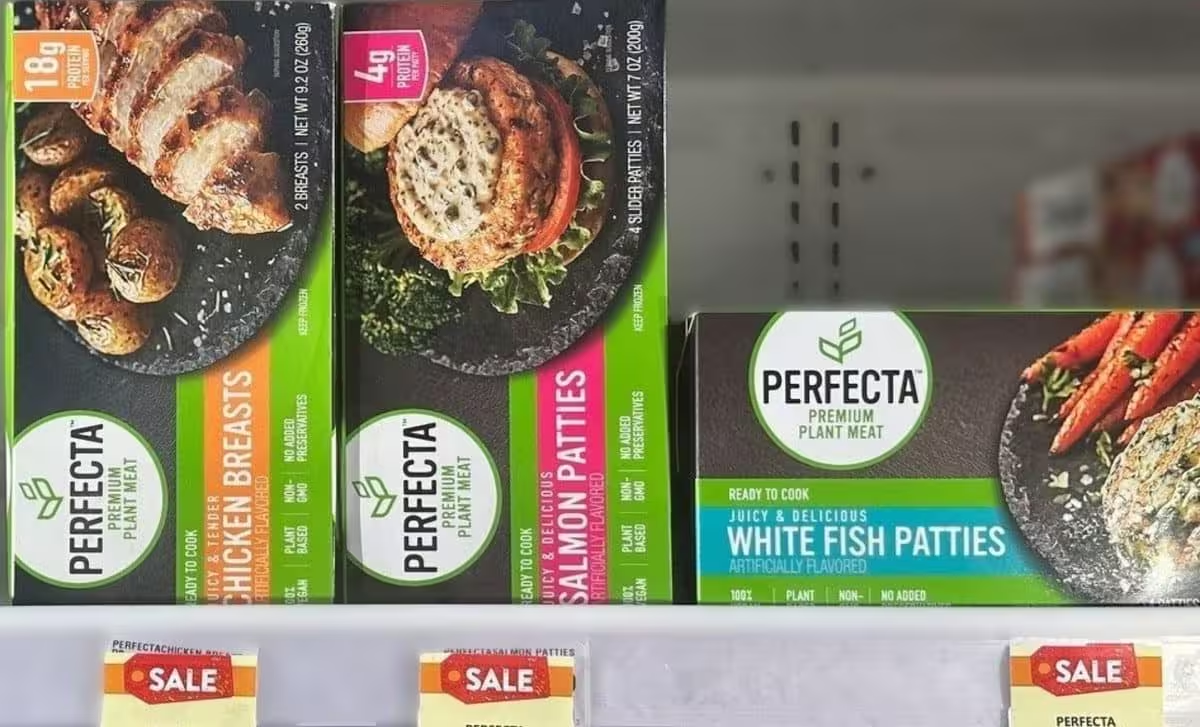
In September 2026, the Israeli food-tech firm Steakholder Foods initiated a retail rollout of its Perfecta line across the northeastern United States. Through a partnership with distributor KeHE, the products have appeared in 31 grocery stores spanning 10 states, including New York and Massachusetts. The debut lineup features five plant-based offerings: marbled steak, filet mignon, chicken breast, salmon patties, and white fish patties.
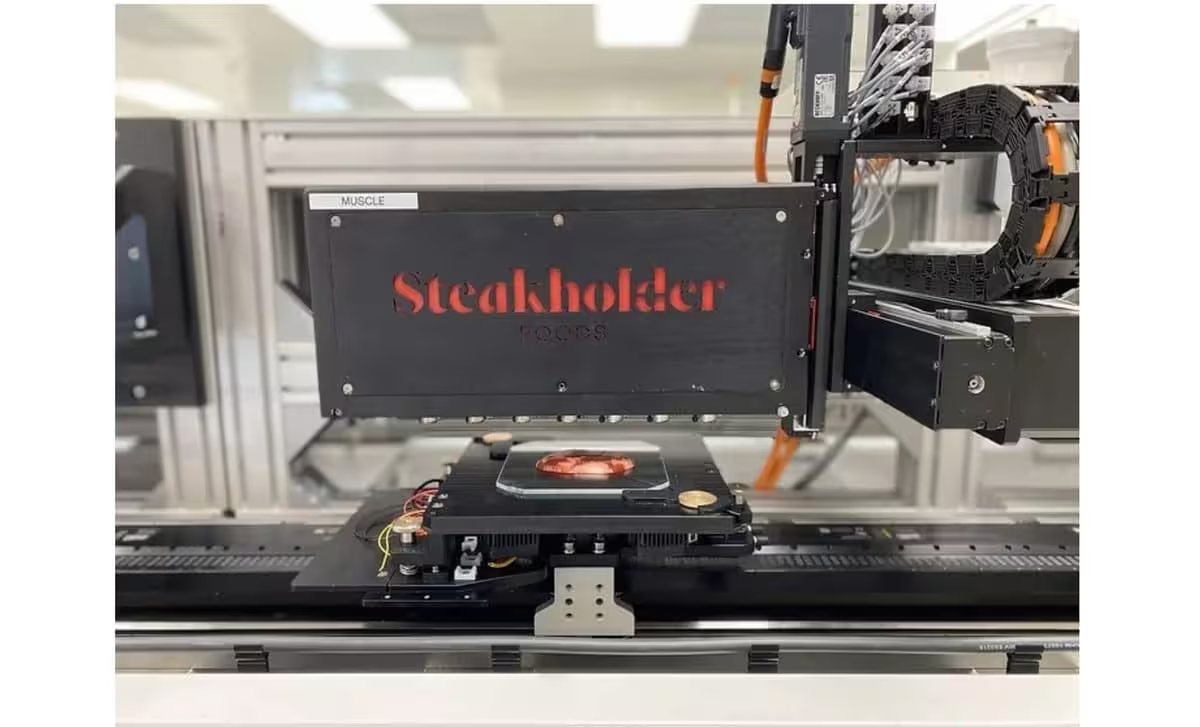
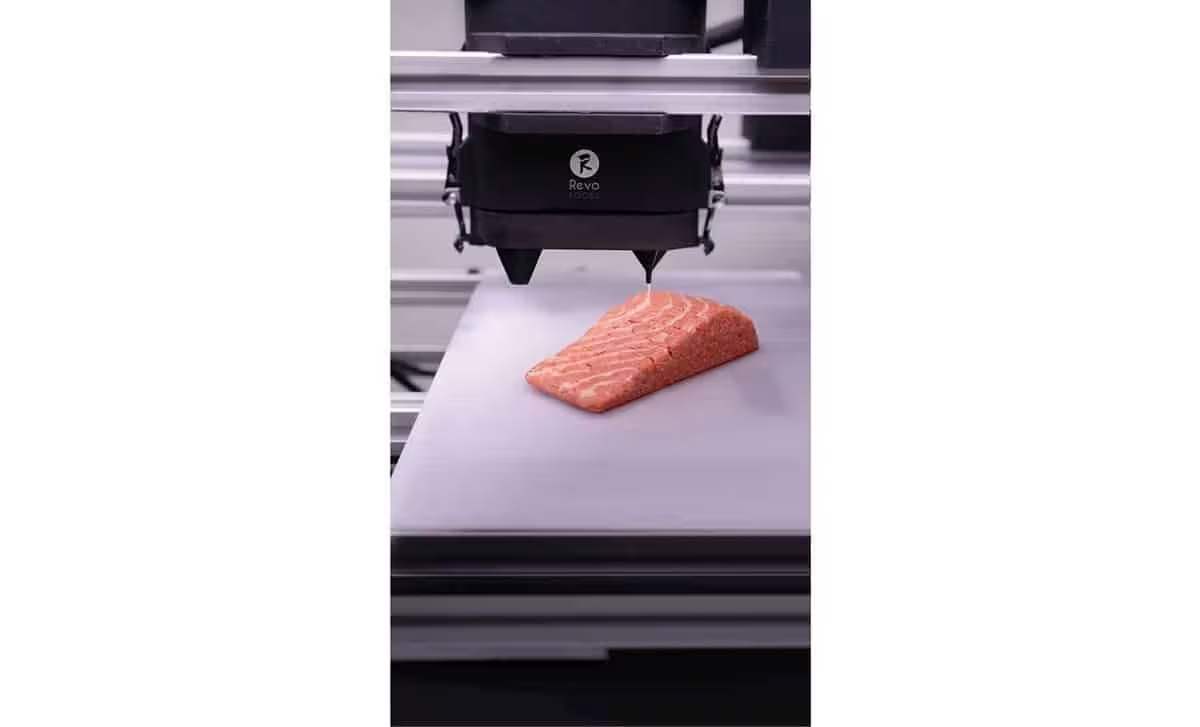
The company utilizes proprietary 3D-printing systems capable of building food items layer by layer. These machines function by housing separate reservoirs of edible formulations—one mimicking muscle tissue and another replicating fat—to recreate the internal complexity of a traditional steak.
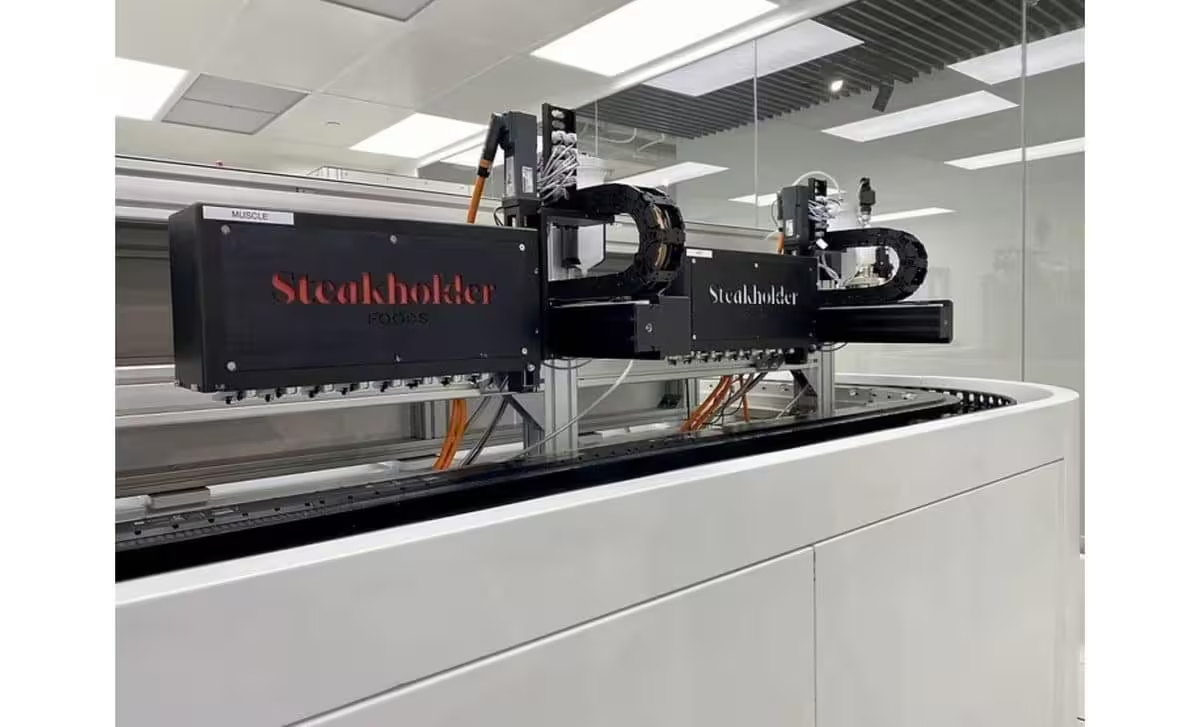
Engineering these products is an exercise in complex material science. The formulations must remain stable under heat and pressure during the printing process, maintain structural integrity during shipping, and provide a satisfying mouthfeel once prepared in a home kitchen. Despite the advanced engineering, uncertainty remains regarding which of the five American-market products are actually printed. As noted by ZME Science, the company has not confirmed the production method for every item, and the packaging makes no mention of the technology.
Other firms have been more transparent about their manufacturing. In 2024, Austria’s Revo Foods introduced a 3D-printed salmon alternative made from mushroom protein to roughly 400 BILLA stores, even lowering the retail price to roughly $4.50. Similarly, Redefine Meat has successfully brought its plant-based flank steak to European retail chains like Ocado and Coop.
Overcoming the Architectural Complexity of Whole-Muscle Cuts
The primary advantage of additive manufacturing is control. Traditional methods like extrusion, which force ingredients through a die, are excellent for mass-producing sausages or nuggets but fail to recreate the nuanced, layered architecture of a whole-muscle steak or a flaked salmon fillet. By allowing machines to deposit materials at specific coordinates, manufacturers can create heterogeneous textures that closely mimic the behavior of biological tissues.
Recent research has also highlighted that the physical environment of the printer—such as temperature and shear force—is just as important as the ingredients themselves. Even with an identical recipe, changing the printing parameters can result in drastically different mechanical properties, such as chewiness or elasticity.
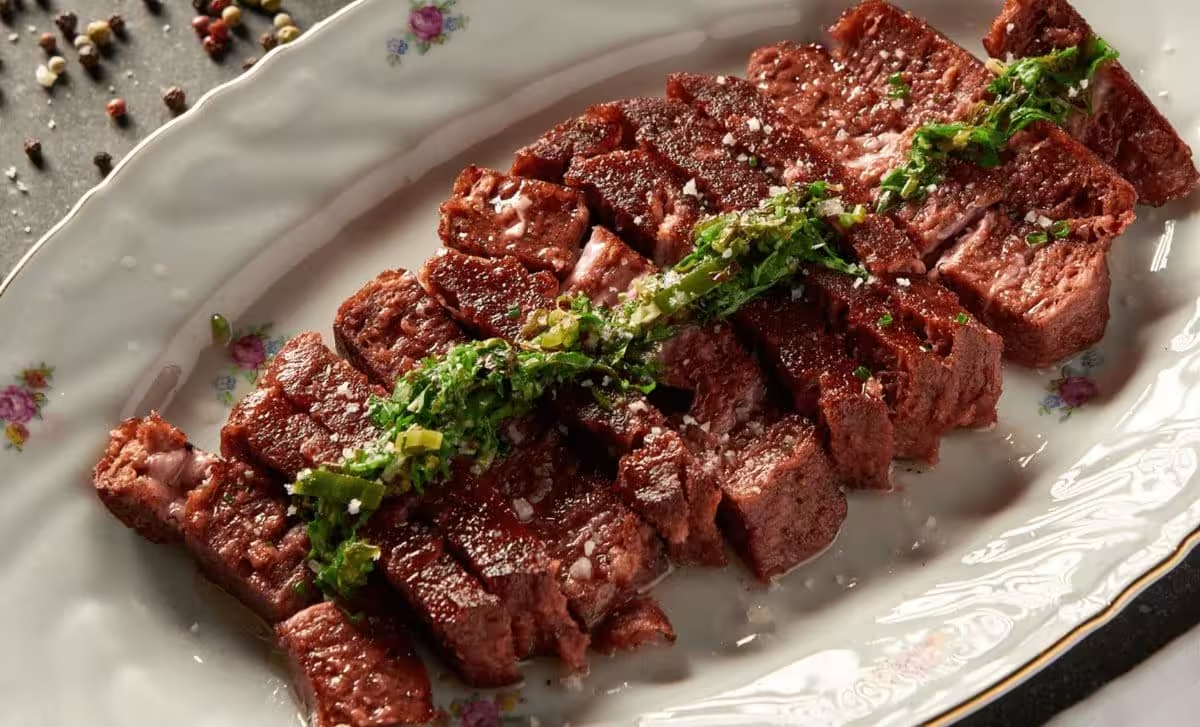
Beyond meat replacement, the field is exploring applications for personalized nutrition and specialized diets, including textures designed for individuals with dysphagia, or difficulty swallowing. While the technology holds promise for precision food production, it remains distinct from cell-based agriculture, as these products are entirely plant-derived.
The Road to Mainstream Viability
Despite the technical milestones, the sector faces a harsh commercial reality. Data from the Good Food Institute indicates that the U.S. market for plant-based meat and seafood saw a 10 percent decline in total value during 2025. This slump underscores the difficulty of introducing new, premium-priced alternatives to consumers who are increasingly cost-conscious.
Furthermore, 3D printing is not a silver bullet for sustainability. While the products are plant-based, the energy-intensive nature of industrial printing and the supply chain requirements for maintaining shelf-stable textures create a complex environmental footprint. The ultimate test for this technology will be whether it can scale to meet the affordability and volume demands of the global food supply chain, or if it will remain a high-end niche for the foreseeable future.
This article has been fact checked for accuracy, with information verified against reputable sources. Learn more about us and our editorial process.
Last reviewed on .
Article history
- Latest version
Reference(s)
- Andrei, Mihai. “3D-Printed Food Is Coming to a Grocery Store Near You and You Might Not Even Notice.”, October 26, 2026 ZME Science <https://www.zmescience.com/science/news-science/3d-printed-food-is-coming-to-a-grocery-store-near-you-and-you-might-not-even-notice/>.
- <https://rewe-group.at/en/newsroom/2024/09/two-years-of-billa-pflanzilla-new-animal-free-cheese-price-reduced-3d-salmon-fillet-and-the-oat-drink-is-now-ozapft>.
- “Redirecting.” <https://linkinghub.elsevier.com/retrieve/pii/S0268005X24008853>.
- “Analyzing plant-based meat & seafood sales - The Good Food Institute.” The Good Food Institute <https://gfi.org/resource/analyzing-plant-based-meat-and-seafood-sales/>.
Cite this page:
- Posted by Hassan Raza