Scientists Discover Oldest Known Dinosaur Embryo Inside a Rare Soft-Shelled Egg
A perfectly preserved dinosaur embryo discovered inside a fossilized egg offers new, groundbreaking insights into the evolution of ancient prehistoric life.
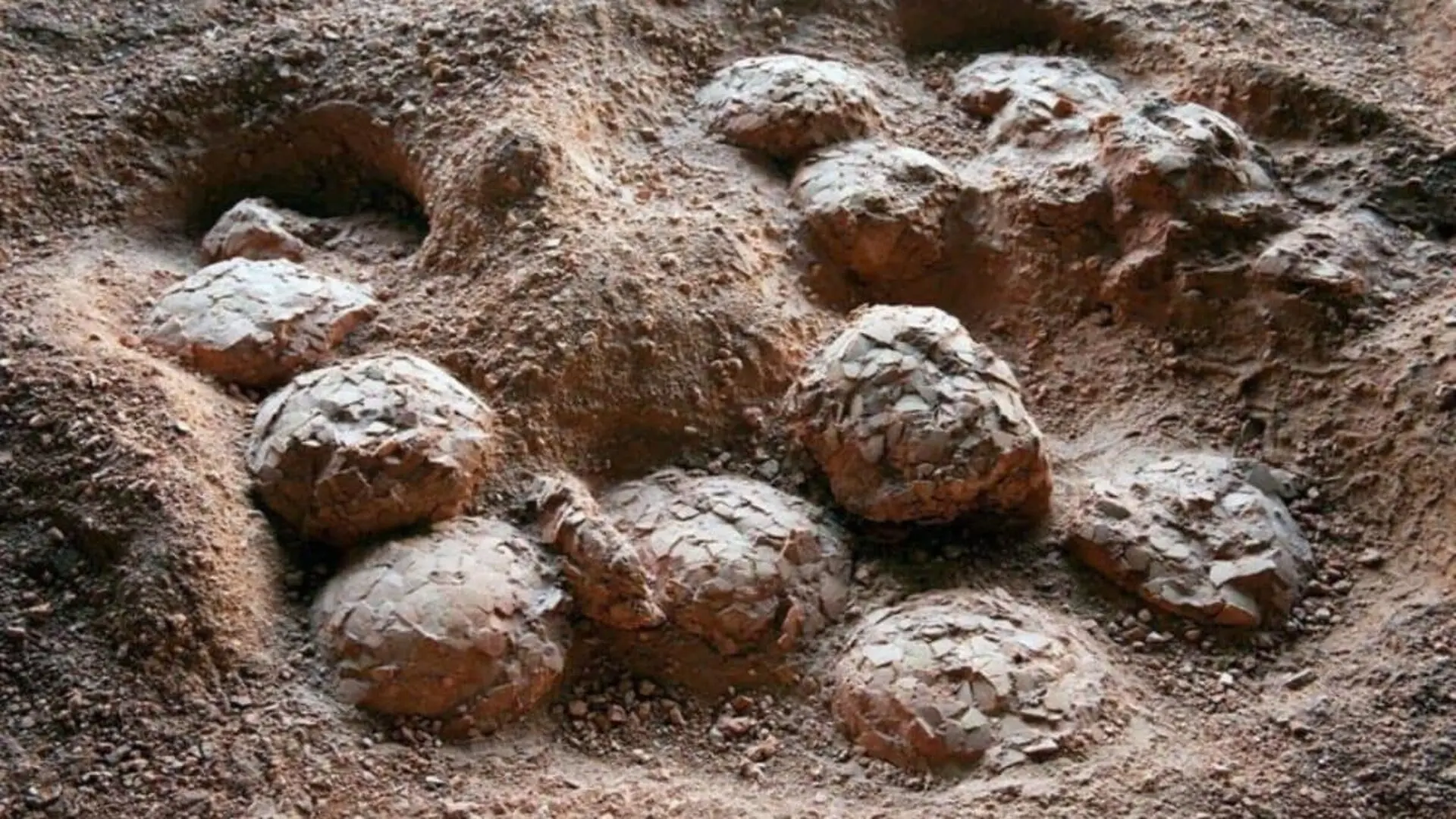
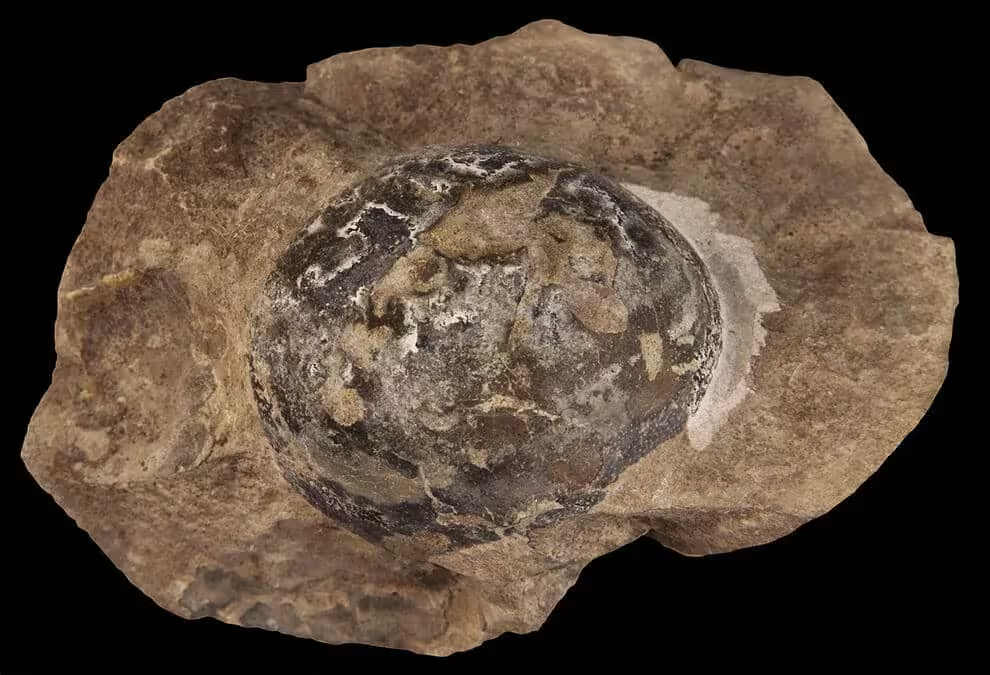
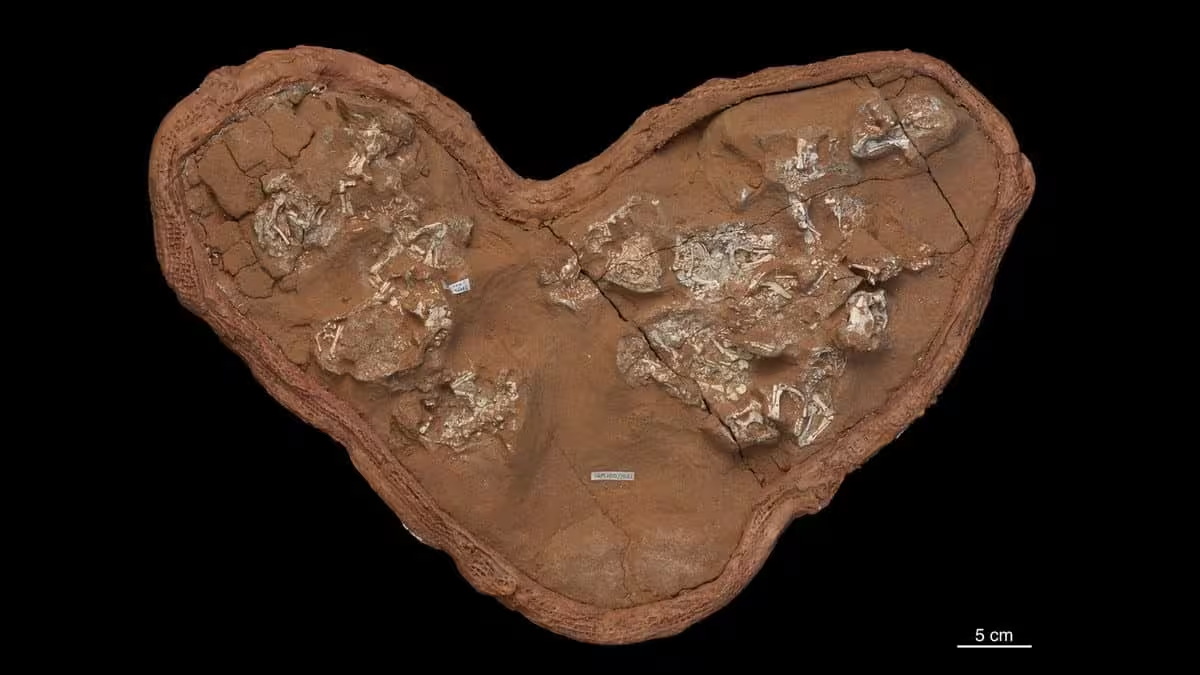
Paleontologists have uncovered a 190-million-year-old fossilized egg in China’s Yunnan province that challenges long-held assumptions about the evolution of dinosaur reproduction. Found in 2008 at the Lufeng site, the specimen is a small, rock-encased relic that took nearly two decades of meticulous study to fully reveal its secrets. The egg, which contains the well-preserved remains of a developing embryo, has been classified as the oldest known example of its kind.
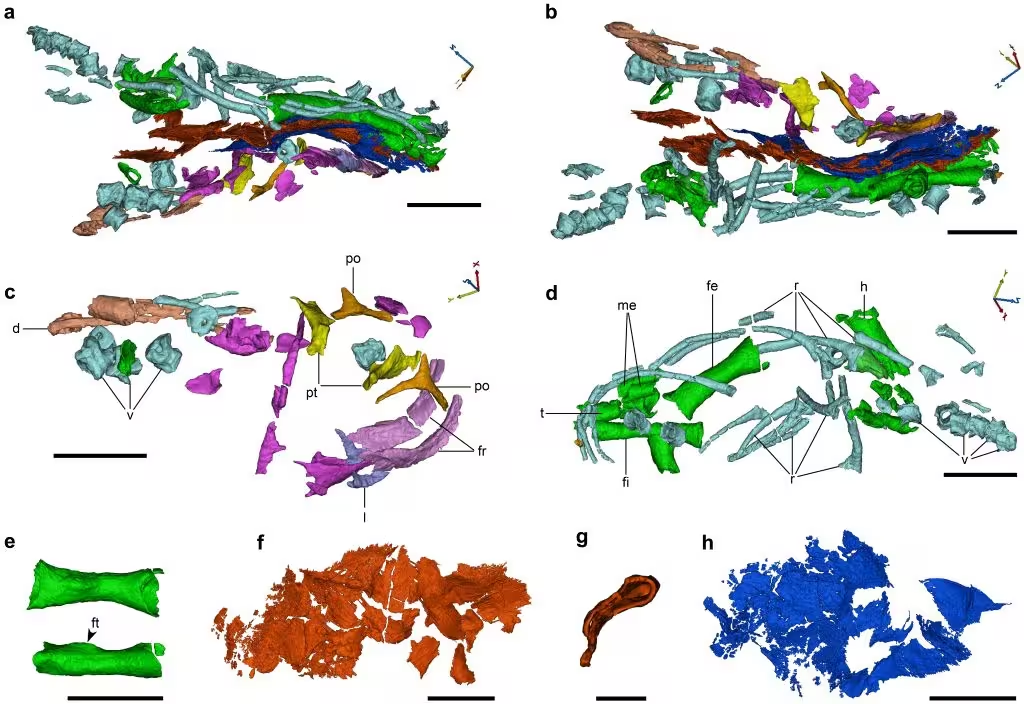
The research team, led by Di Zhiyong of Hebei University, named the find Dawa bianxingdan, or “Dawa deformed egg.” Using high-resolution micro-CT scanning, the researchers mapped the interior of the specimen, identifying it as a basal sauropodomorph—an early, smaller relative of the massive, long-necked dinosaurs that would eventually dominate the landscape.
Bridging the Gap in Egg Evolution
The Dawa specimen is a critical missing link between two known types of ancient eggs: the completely leathery, membrane-bound variety and the heavily mineralized, hard shells seen in birds and later dinosaurs. While previous theories suggested the earliest dinosaur eggs lacked any mineral content, this fossil features an exceptionally thin layer of calcium carbonate.
Unlike modern bird eggs, where the mineral shell provides the primary structure, the Lufeng egg consists of a thick, protective membrane reinforced by only a trace of mineral. This structural composition explains why such fossils are so rarely found. According to Wang Tao, a member of the research team and former director of the Lufeng dinosaur fossil center, these early, fragile eggs were highly susceptible to decay in acidic soil, making them nearly impossible to preserve compared to their skeletal counterparts.
Classifying a New Evolutionary Lineage
Because fossilized eggs are categorized independently from the adult skeletons of the species that laid them, the team has formally established a new family, Bianxingdanidae, and genus, Bianxingdan. The name derives from the Chinese terms for “deformed egg,” a nod to the pliable, non-rigid nature of the shell.
This discovery provides researchers with a rare window into the developmental biology of early dinosaurs. The Lufeng region, famous for its abundant Lufengosaurus skeletal remains, has historically yielded fragments of embryos but lacked complete, intact eggs. The recovery of the Dawa egg not only clarifies the environmental conditions required for such preservation but also illuminates the reproductive strategies that allowed early embryos to survive in the Early Jurassic period.
As the scientific community continues to analyze the findings, the study highlights how the transition from soft-shelled, leathery eggs to hard, mineralized shells occurred incrementally across different dinosaur lineages. The Dawa egg stands as a primary piece of evidence in the broader investigation into how these prehistoric animals adapted their reproductive methods to changing environments over millions of years.
This article has been fact checked for accuracy, with information verified against reputable sources. Learn more about us and our editorial process.
Last reviewed on .
Article history
- Latest version
Cite this page:
- Posted by Hassan Raza