Villagers Discover Massive Trove of 65 Million Year Old Dinosaur Tracks in Mexico
Scientists have unearthed a rare dinosaur discovery after identifying unique three-toed footprints preserved alongside an ancient Mexican stream.
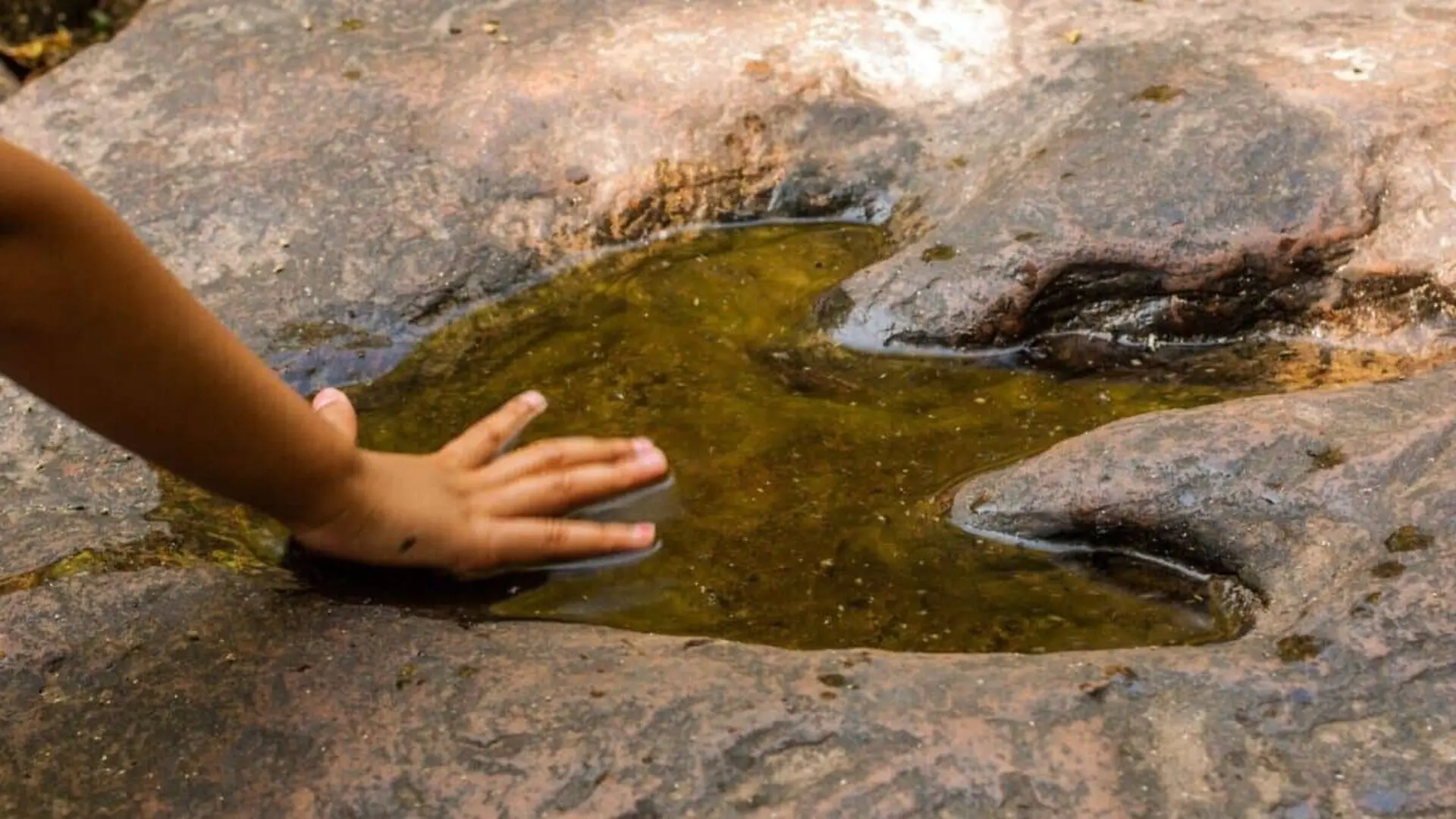
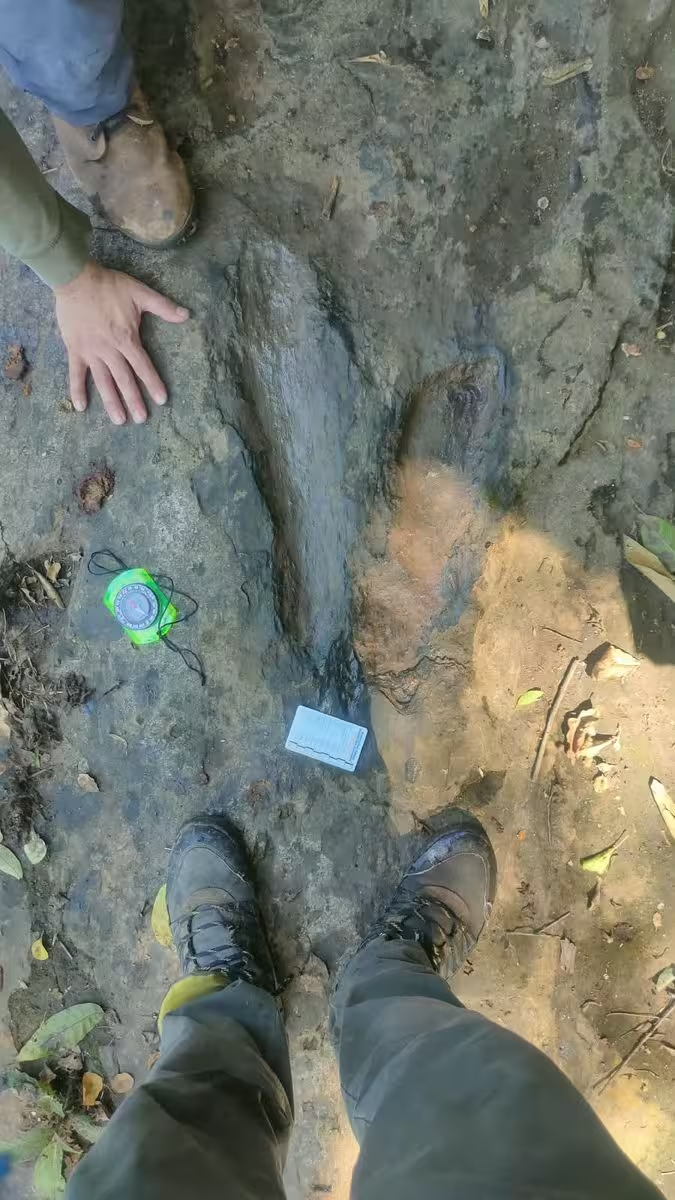
Residents in the rural community of San Juan de los Plátanos, located in the Mexican state of Michoacán, recently brought an unusual discovery to the attention of officials: a series of strange, three-toed indentations etched into a rock ledge near a local stream. What appeared to be the tracks of giant creatures has now been officially confirmed by the National Institute of Anthropology and History (INAH) as a significant fossil site containing at least 50 dinosaur footprints dating back approximately 65 million years.
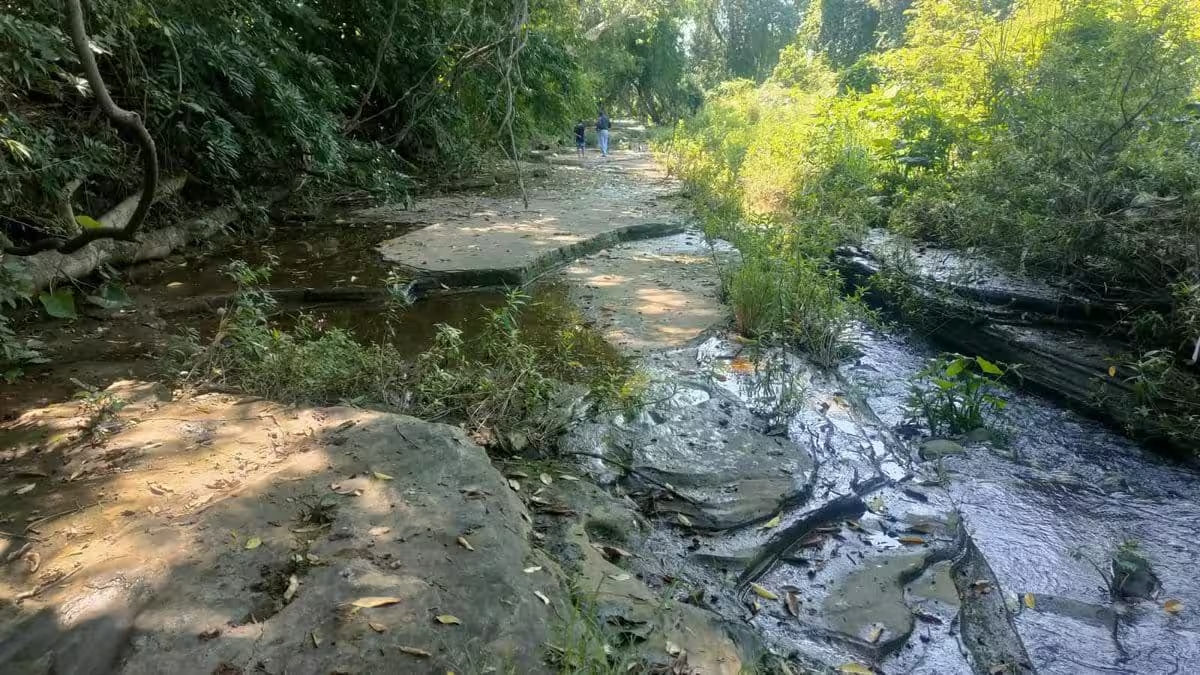
The tracks are preserved across a 40-square-meter platform of sedimentary rock. Experts suggest that because much of the surrounding area remains unexamined, the number of identifiable fossils is likely to grow. Paleontologist Raymundo Cervantes Barriga, who led the initial documentation effort starting on October 21, noted that while various paleontological sites exist, finding preserved evidence from this specific period is relatively rare.
Diversity of Prehistoric Life
By analyzing the morphology, depth, and size of the tracks, researchers have identified three distinct groups of dinosaurs that frequented the area. The largest prints, reaching up to 48 centimeters in length, are believed to belong to a substantial meat-eating theropod, potentially a relative of the tyrannosaurid family that may have reached heights of four meters. A second set of smaller prints suggests the presence of agile, raptor-like dromaeosaurids, while a third group of tracks—characterized by rounded toe tips—points to herbivorous duck-billed dinosaurs, or hadrosaurs.
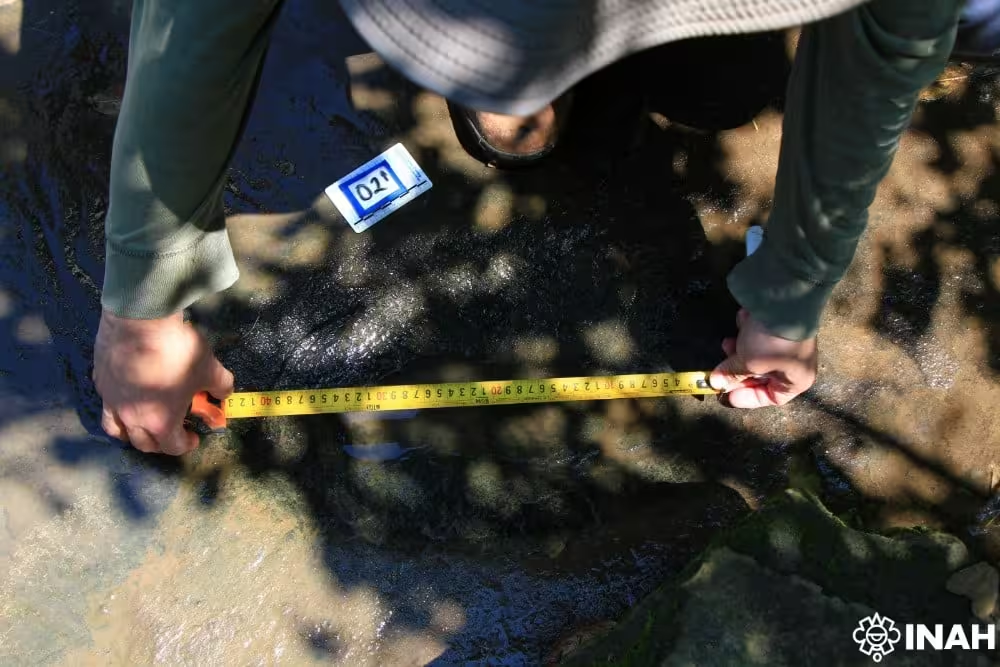
The proximity of these fossil footprints to what was once a waterline indicates that these animals likely gathered there to feed. Paleontologist Carlos A. Hernández Luna provided the preliminary taxonomic classification, while further study is planned to map the paths and potential interactions between these species.
Advanced Preservation Efforts
To ensure the site is accurately archived, archaeologists María Fernanda Cabrera and José Luis Punzo Díaz are employing photogrammetry to create high-resolution 3D models of the track-bearing surface. Simultaneously, biologist and paleontologist José Luis Ávila is producing physical molds of the prints, and geologist Jasinto Robles Camacho is analyzing rock samples to better understand the geological conditions of the formation.
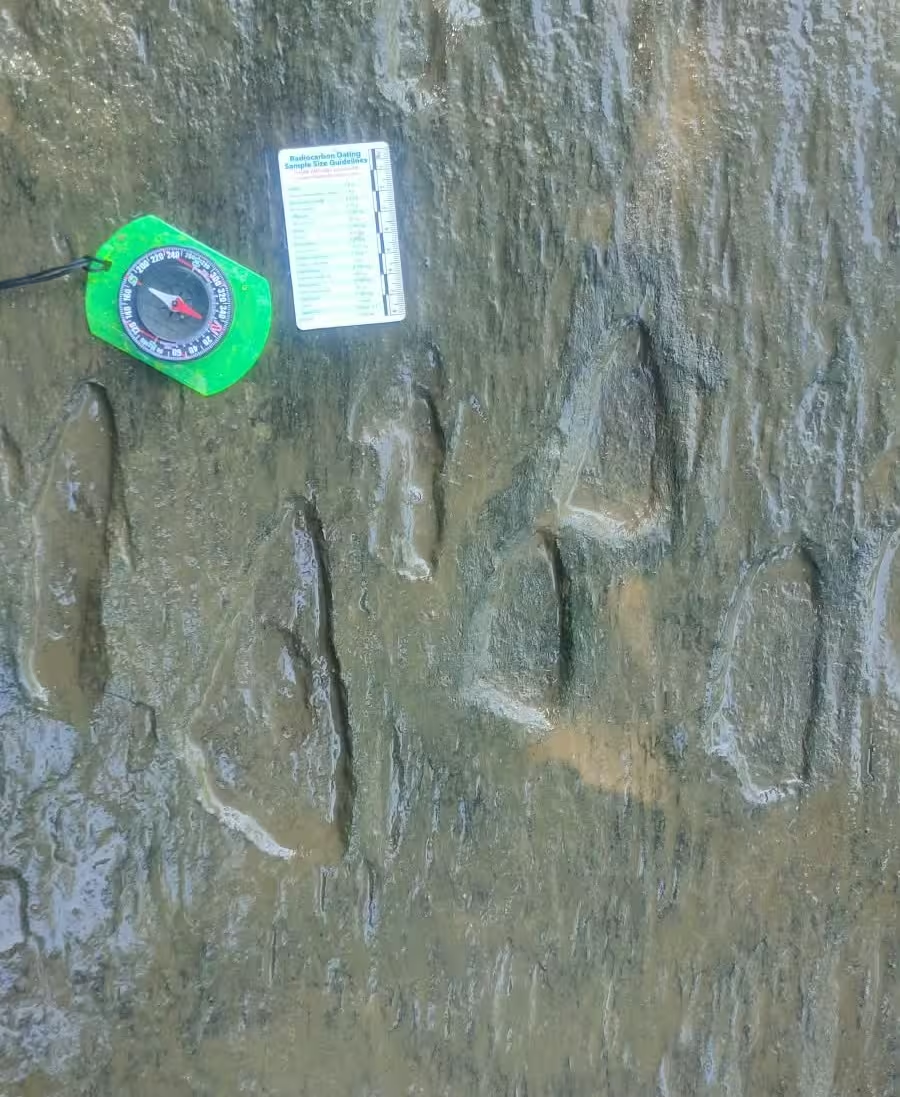
The discovery at Apatzingán marks the fourth known site of its kind in Michoacán, joining locations in Playa Azul, El Aguaje, and the border region between Tiquicheo and Tuzantla. Mexico currently hosts over 30 registered dinosaur track sites across several states, many of which were similarly discovered by vigilant community members who noticed anomalies in the landscape.
As noted by Mexico’s Secretary of Culture, Claudia Curiel de Icaza, in an official statement, these findings offer a vital connection to the deep history of the region. The INAH has pledged to provide ongoing protection for the site, which remains vulnerable to natural erosion within its streambed environment.
This article has been fact checked for accuracy, with information verified against reputable sources. Learn more about us and our editorial process.
Last reviewed on .
Article history
- Latest version
Reference(s)
- “INAH confirma descubrimiento de 50 huellas de dinosaurios en Apatzingán, Michoacán.”, October 26, 2026 <https://www.inah.gob.mx/boletines/inah-confirma-descubrimiento-de-50-huellas-de-dinosaurios-en-apatzingan-michoacan>.
Cite this page:
- Posted by Hassan Raza