Massive 70-Centimeter Dinosaur Footprint Discovered in Fukushima Changes Japan’s Jurassic History
Researchers have discovered a unique set of ancient footprints, offering new, fascinating insights into the prehistoric animals that once roamed the land.
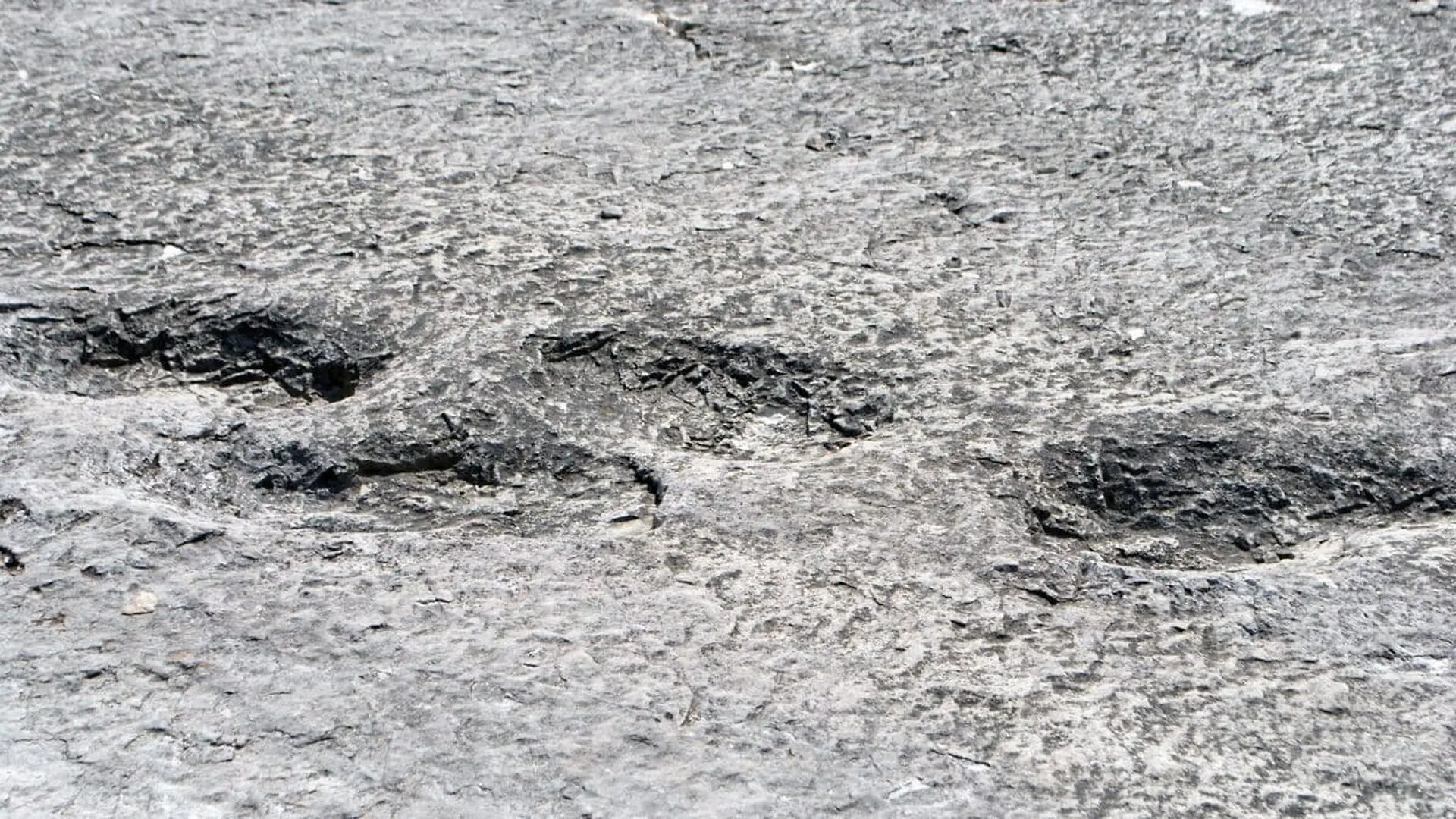
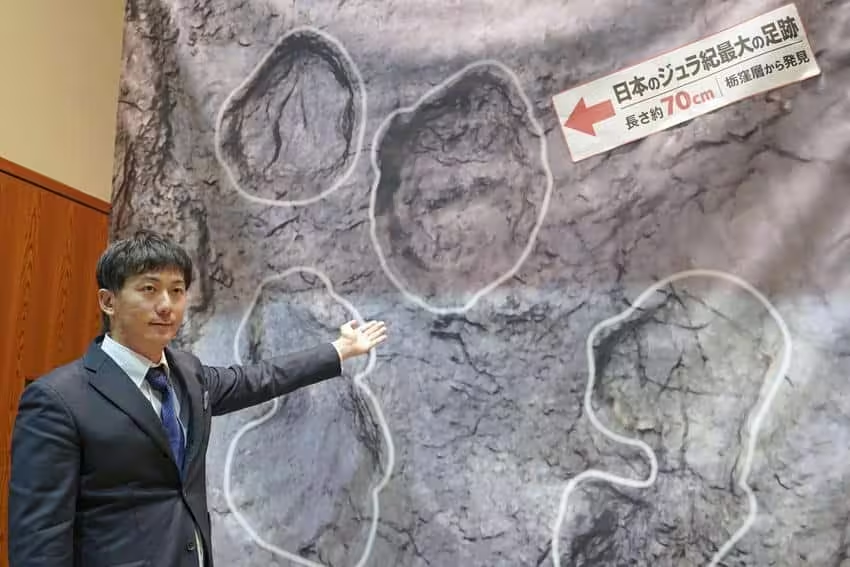
Paleontologists have uncovered a significant collection of prehistoric tracks in Minamisoma, Fukushima Prefecture, marking a major milestone in Japanese paleontology. Among the 12 newly identified fossilized footprints discovered in the Tochikubo Formation, one specimen stands out as a 70-centimeter impression, ranking among the largest ever recorded in the country.
This discovery provides the first concrete evidence that large dinosaurs roamed Japan during the Jurassic period. While the Japanese archipelago is rich in dinosaur fossils, the vast majority are associated with the later Cretaceous period. Finding evidence of megafauna from the earlier Jurassic era is exceptionally rare, with previous examples limited to findings in Nagano and Yamaguchi prefectures.
A Rare Glimpse Into the Jurassic Landscape
The excavation, which reached its peak activity this past July, focused on the Tochikubo geological layer. Before this recent success, the site had yielded three smaller prints and various plant fossils, suggesting a lush environment that supported large herbivores. The discovery of the 70-centimeter print—which dwarfs the previous record-holder from Shimonoseki, a 30-centimeter Jurassic print—confirms that the area was once home to massive creatures.
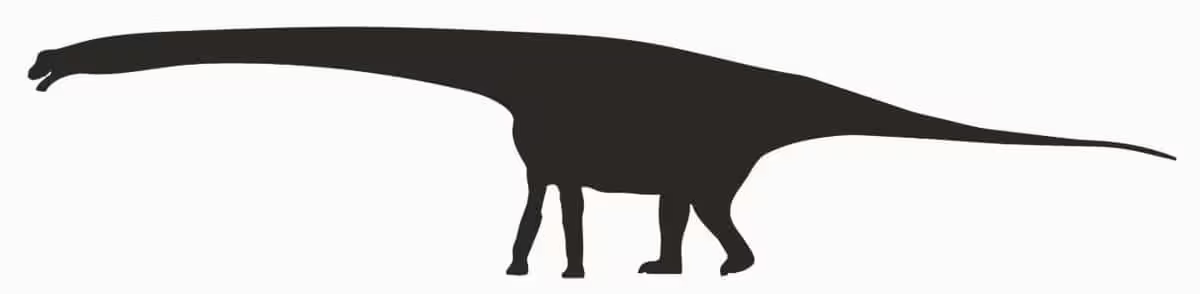
Experts believe the tracks were left by a massive sauropod, a group of long-necked, herbivorous dinosaurs. Preliminary analysis suggests the creature stood approximately 3 meters tall at the hip. Researchers are currently conducting further investigations to narrow down the specific species responsible for the tracks, though the identification process remains ongoing.
Reconstructing Ancient Ecosystems
The importance of this find extends beyond its size. According to reports from Japan Today, this site serves as a vital record of terrestrial life approximately 160 million years ago. By examining these footprints alongside the associated fossilized flora, scientists hope to reconstruct the environment of the Tochikubo Formation with greater precision.
“This is the first piece of evidence that large dinosaurs lived in Japan during the Jurassic period,” stated Junki Yoshida, deputy curator at the Fukushima Museum. He noted that the site offers a rare opportunity to better understand the terrestrial ecosystem of that distant era.
As the team continues their work, the discovery highlights the untapped potential of regional geological formations in Japan. With each new footprint, the narrative of the country’s ancient, megafauna-rich past becomes significantly clearer.
This article has been fact checked for accuracy, with information verified against reputable sources. Learn more about us and our editorial process.
Last reviewed on .
Article history
- Latest version
Reference(s)
- <https://japantoday.com/category/national/dinosaur-footprint-fossil-found-in-fukushima-pref.-among-japan%27s-largest>.
- projects, Contributors. “geologic formation in Japan.”, December 10, 2009 Wikimedia Foundation, Inc. <https://en.wikipedia.org/wiki/Tochikubo_Formation>.
Cite this page:
- Posted by Hassan Raza