Scientists Just Recovered Ancient Human DNA From Cave Walls For The First Time
Scientists have discovered an innovative method to extract hidden prehistoric data from cave walls long after the last visitors have departed.
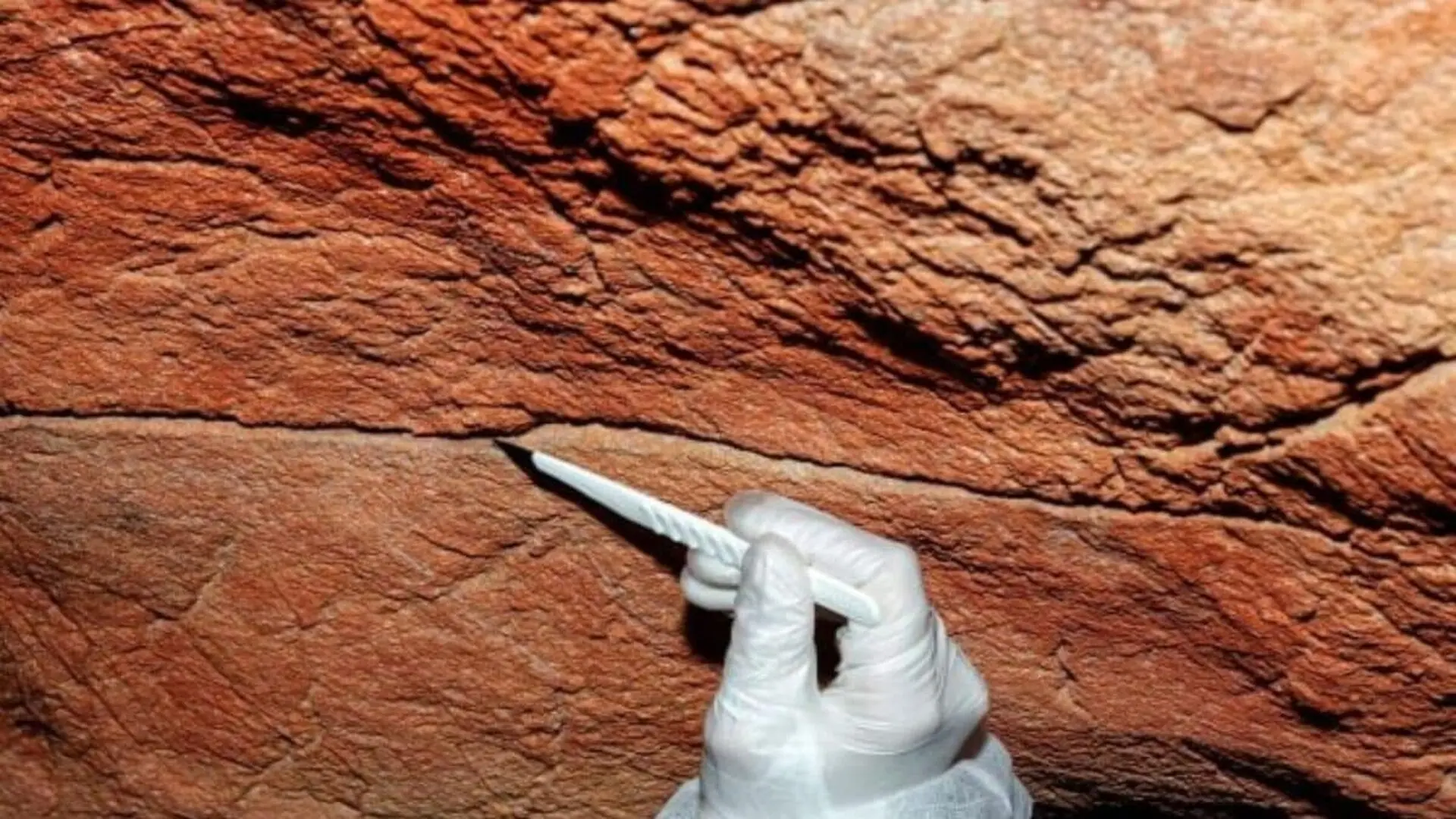
In a milestone for paleogenetics, researchers have successfully recovered ancient human DNA directly from cave walls, demonstrating that genetic material can remain preserved on rock surfaces for millennia. This breakthrough stems from the First Art project, an international collaboration spanning institutions in Spain, Portugal, the UK, China, and Germany, designed to date prehistoric cave art and analyze the chemical makeup of its pigments.
By partnering with the Max Planck Institute for Evolutionary Anthropology, the research team expanded the search for ancient genetic footprints beyond traditional sources like fossils and sediment. The study, published in Nature Communications, suggests that the physical contact involved in applying pigment or simply touching cave surfaces may trap enough biological material to allow for modern sequencing.
Beyond the Paint: Detecting Hidden Biological Traces
The team investigated 24 rock art panels across 11 different cave sites. Their analysis included hand stencils, figurative paintings, and samples from unpigmented sections of the walls. To ensure a comprehensive survey, they also examined mineral deposits, surrounding sediments, and a rare prehistoric bird bone—often theorized to have been used as a prehistoric airbrush to spray ochre onto surfaces.
Out of 54 total samples processed, five yielded authentic ancient human mitochondrial DNA. Two of these samples were notable because they lacked non-human animal DNA, strongly implying that the biological material originated from direct human contact, such as saliva or sweat. The remaining three samples contained a mix of human and animal genetic material, suggesting these fragments may have been deposited through environmental factors like water movement or sediment transfer.
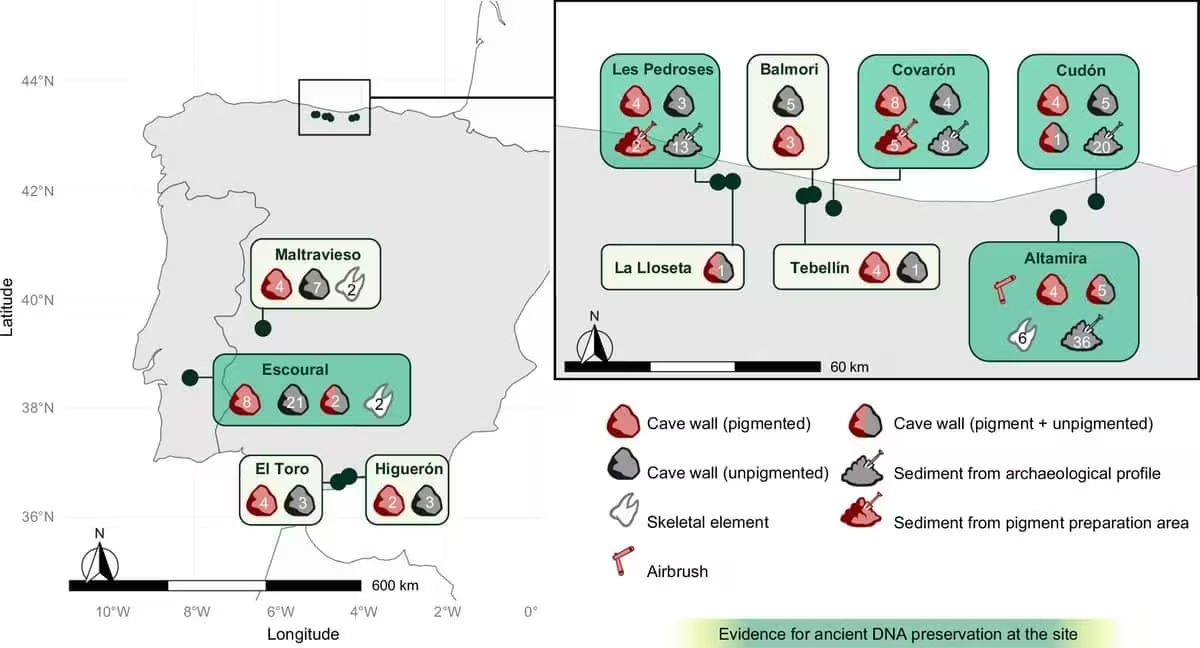
Decoding the Identities of Cave Inhabitants
While the recovered data does not identify specific artists, it provides new insight into the demographics of these prehistoric sites. Genetic analysis revealed that the individuals whose DNA was captured included both males and females. Further testing of samples from Covarón Cave in northern Spain identified the occupants as Homo sapiens, specifically belonging to the Western hunter-gatherer genetic lineage common in ancient Iberian populations.
According to archaeologist Hipólito Collado Giraldo, this method offers a non-invasive way to study ancient human activity. By analyzing surfaces that show no visible signs of art, researchers can track how humans navigated and used deep, remote cave systems without needing to disturb sensitive archaeological deposits.
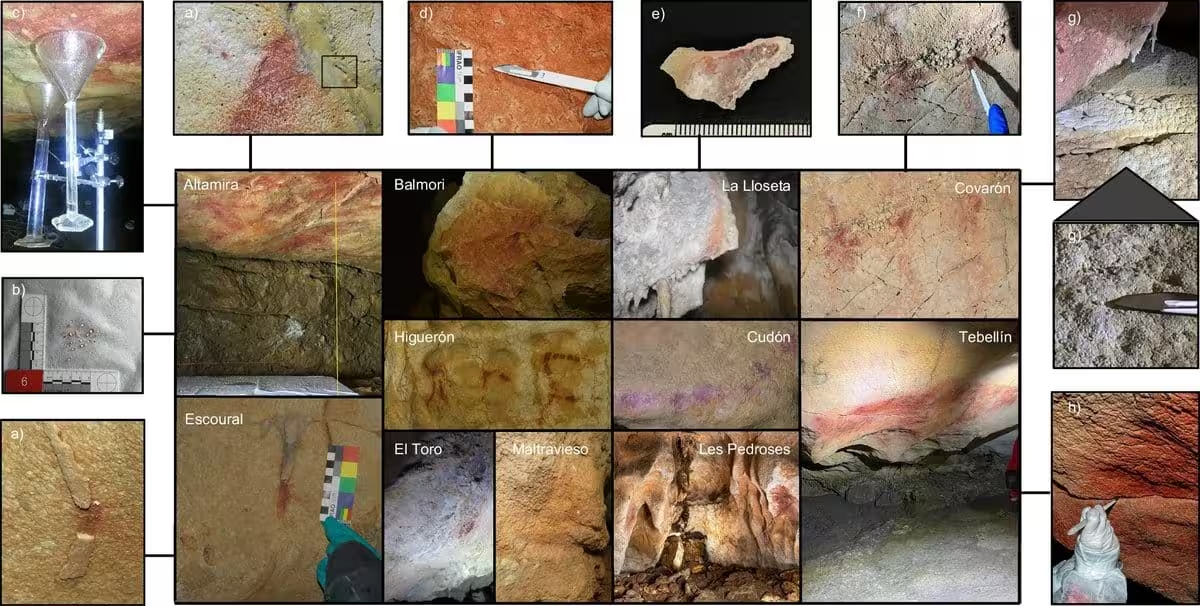
The Challenges of Genetic Preservation
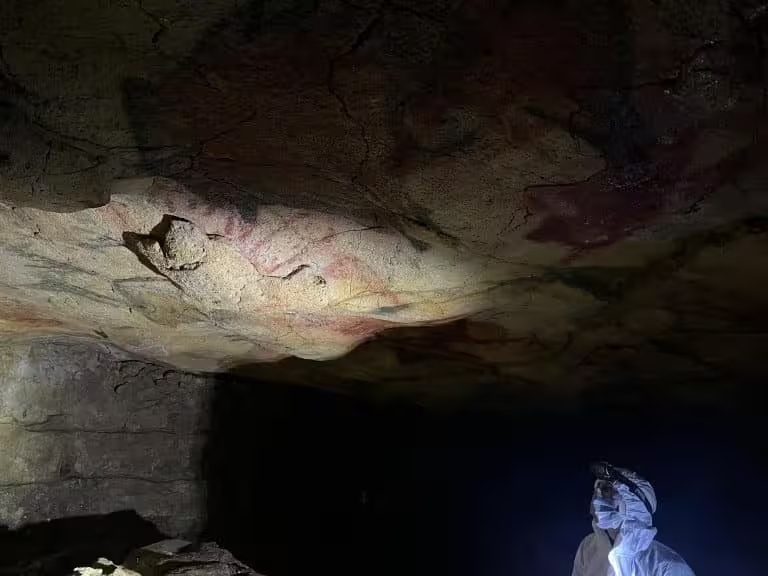
Despite the success, the researchers caution that recovering this data is exceptionally difficult. Modern human contamination poses a significant risk to the integrity of samples, as seen in the analysis of the prehistoric bird bone from the Cave of Altamira, which contained too much contemporary DNA to yield useful ancient sequences.
Lead author and doctoral researcher Alba Bossoms Mesa points out that the preservation of DNA on cave walls is highly variable and often depends on protective factors like mineral crusts. “The preservation of human DNA on cave walls is highly variable,” Bossoms Mesa explains. “When it does survive, it tells a powerful story. Our priority now is to refine the methods and understand under what conditions we can expect a higher success rate.”
This article has been fact checked for accuracy, with information verified against reputable sources. Learn more about us and our editorial process.
Last reviewed on .
Article history
- Latest version
Reference(s)
- Bossoms Mesa, Alba. “Investigating ancient human DNA preservation on cave walls and in rock art - Nature Communications.”, vol. 17, no. 1, June 23, 2026, pp. 5561 Nature, doi: 10.1038/s41467-026-74234-2. <https://www.nature.com/articles/s41467-026-74234-2>.
Cite this page:
- Posted by Hassan Raza