Newly Discovered Jurassic Predator Had Needle Like Teeth Too Fragile for Large Prey
Scientists have identified a new 170-million-year-old crocodile relative in Morocco with thin teeth, challenging theories about prehistoric predator diets.
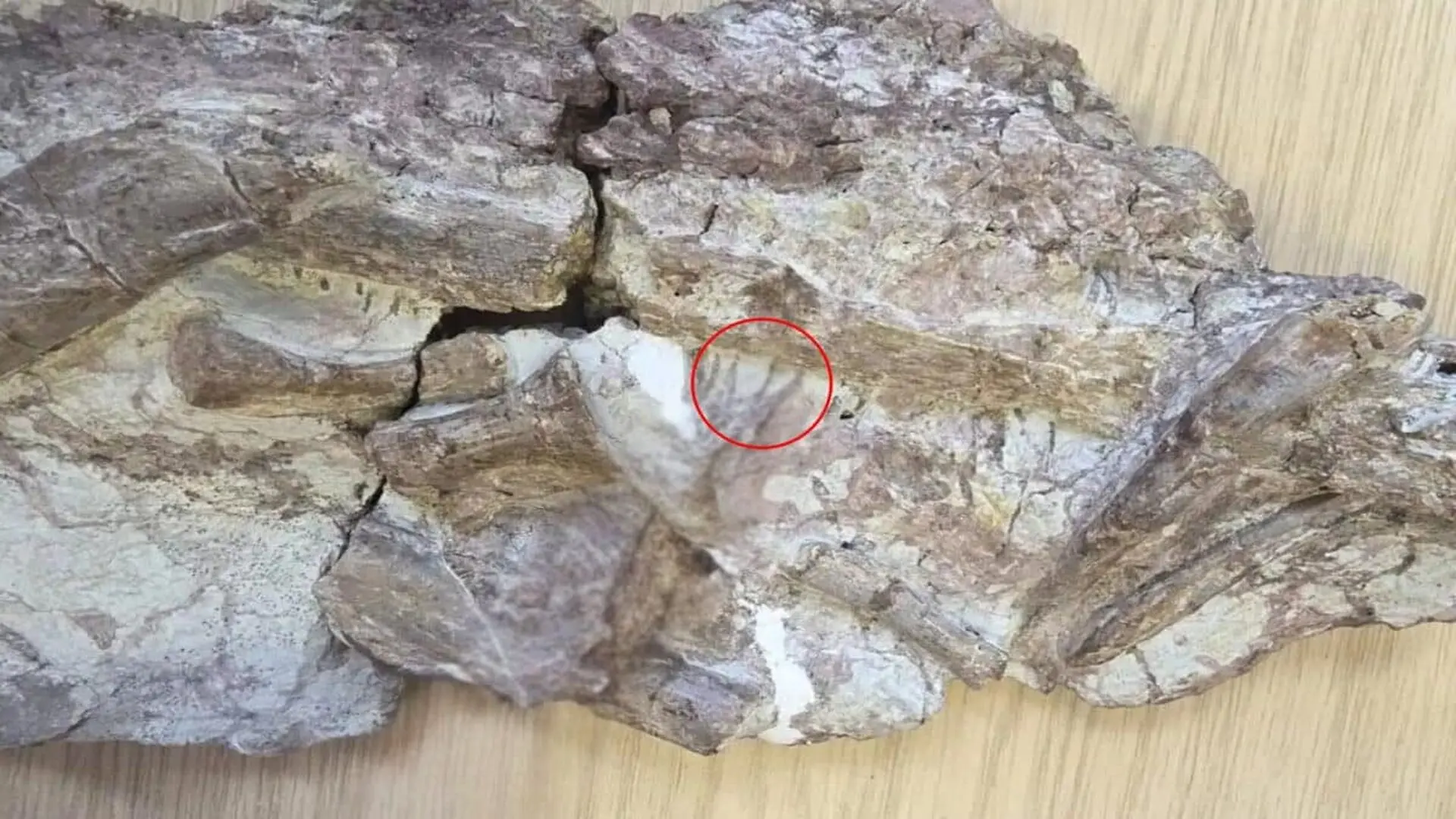
Paleontologists have uncovered a previously unknown species of ancient aquatic reptile in Morocco that challenges our understanding of Jurassic-era predators. The discovery, detailed in the Journal of Vertebrate Paleontology, reveals a creature with a highly specialized dental anatomy, setting it apart from all other known members of its lineage.
The fossil remains were retrieved from the Anoual–Talsint region in the eastern Atlas Mountains, a landscape that, during the Middle Jurassic, served as a thriving riverine and lake environment within the vast southern supercontinent of Gondwana. The new species, named Ctenosuchus tenuidens, belongs to the thalattosuchians, a group of marine and freshwater crocodile relatives that thrived alongside the dinosaurs.
An Evolutionary Departure in Hunting
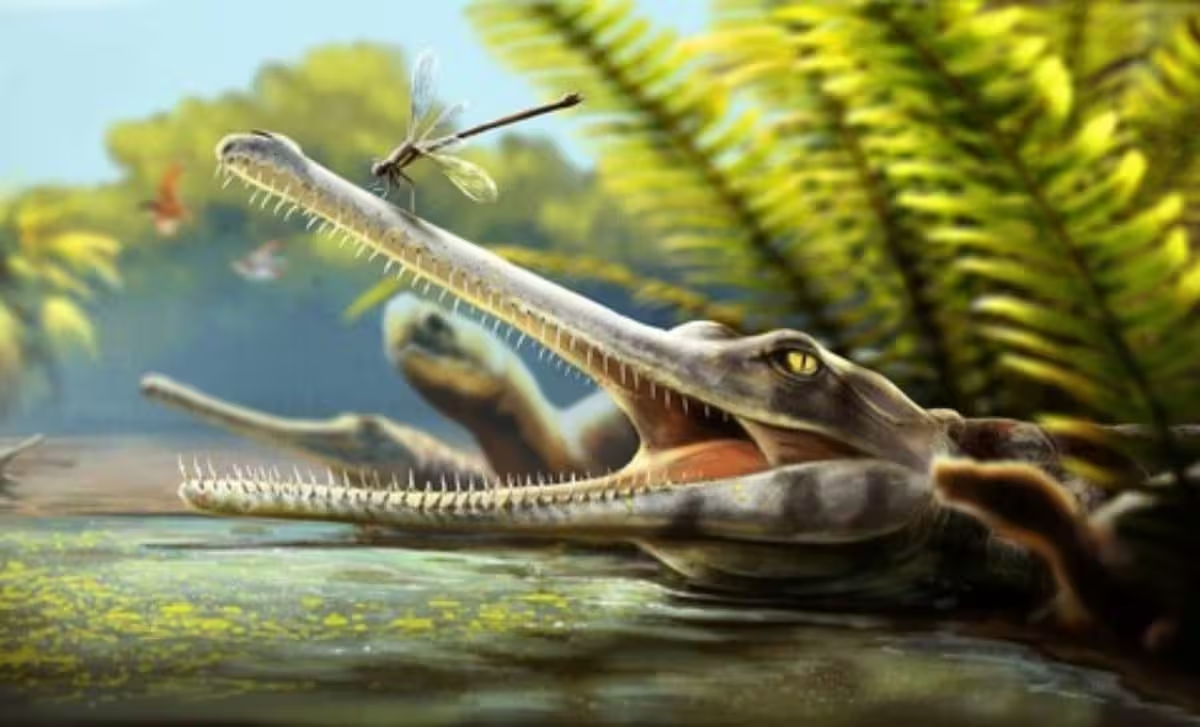
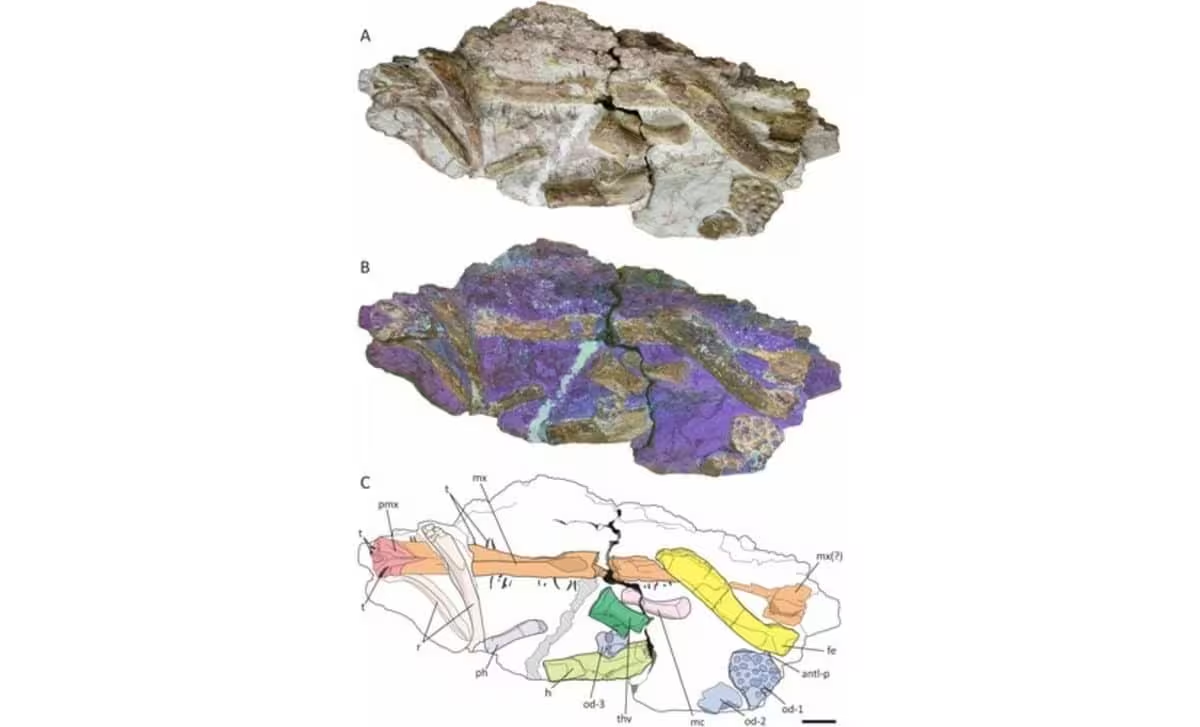
While many thalattosuchians evolved elongated snouts equipped with robust, conical teeth designed to puncture and seize substantial prey, Ctenosuchus tenuidens utilized a vastly different survival strategy. Analysis of the fossilized snout shows it was lined with more than 40 pairs of needle-thin, comb-like teeth spaced just over two millimeters apart. With a width-to-height ratio of approximately 1:10.4, these teeth are markedly more slender than those found in related teleosaur species.
Lead researcher Hamzah Imran of the University of Portsmouth notes that this fragility indicates the animal occupied a unique ecological niche. “If it caught a big fish, and the fish wriggled, those delicate teeth would get smashed,” Imran explained. Consequently, the team believes the reptile focused on a diet of small, soft-bodied organisms, such as crustaceans, worms, or tiny fish, rather than the large struggling prey its cousins pursued.
Convergent Evolution in Ancient Waters
The specialized teeth of Ctenosuchus bear a striking resemblance to those of unrelated ancient species, including certain mesosaurs and Jurassic pterosaurs like Gnathosaurus and Ctenochasma. Scientists suggest this is a prime example of convergent evolution, where distinct lineages independently develop similar physical traits to exploit the same food sources—in this case, likely using their dense, comb-like teeth to filter tiny organisms from the water column.
The delicate, ridged nature of the teeth was only confirmed through meticulous laboratory work. Researchers initially discovered only faint black circles on the rock, which, when cleaned under a microscope, revealed the internal structure of the exceptionally thin teeth. According to the study, the name Ctenosuchus tenuidens translates to a “crocodile with thin, comb-like teeth,” honoring this striking physical feature.
This discovery underscores the hidden biodiversity of the Gondwanan fossil record, which remains less understood than its northern counterparts. By demonstrating that freshwater teleosaurs adopted a wider range of feeding roles than previously recognized, the researchers have added a significant piece to the puzzle of how ancient reptiles partitioned their environments millions of years ago.
This article has been fact checked for accuracy, with information verified against reputable sources. Learn more about us and our editorial process.
Last reviewed on .
Article history
- Latest version
Reference(s)
- “New species of Jurassic crocodile had unusually slender teeth.”, October 12, 2026 University of Portsmouth <https://www.port.ac.uk/news-events-and-blogs/news/new-species-of-jurassic-crocodile-had-unusually-slender-teeth>.
- Imran, Hamzah., et al. “A new teleosauroid (Crocodylomorpha, Thalattosuchia) with a unique dentition from the Middle Jurassic of eastern Morocco.” Journal of Vertebrate Paleontology, October 8, 2026 Informa UK Limited, doi: 10.1080/02724634.2026.2728670. <https://www.tandfonline.com/doi/full/10.1080/02724634.2026.2728670>.
Cite this page:
- Posted by Hassan Raza