Diver Finds Soviet Gold Bars Lost in WWII Barents Sea Shipwreck After 40 Years
Nearly 400 Soviet gold bars sat on the Barents Sea floor for 40 years until a daring salvage mission retrieved almost all of them.
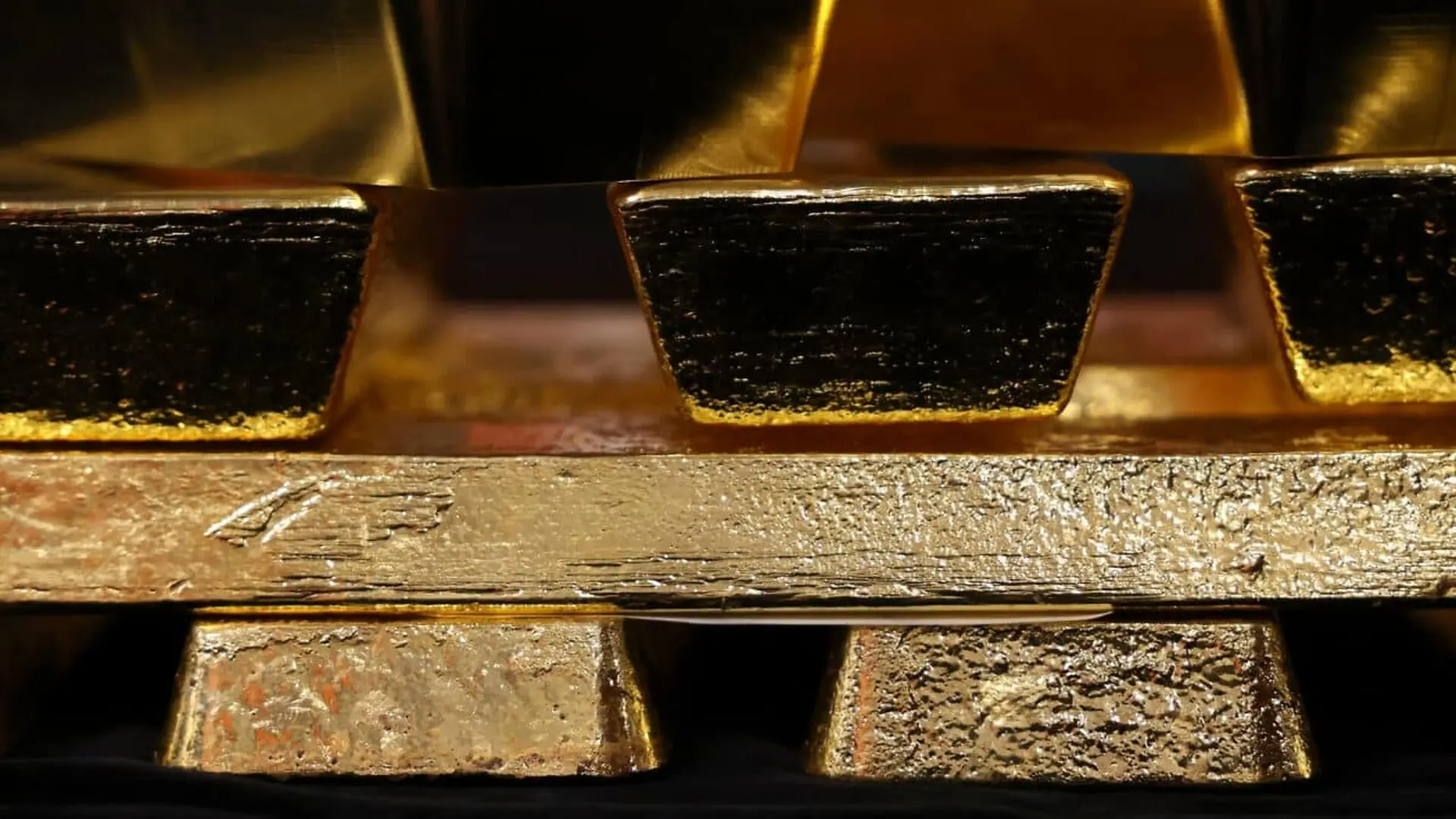
Decades after a World War II cruiser sank beneath the icy waters of the Barents Sea, a multinational team succeeded in retrieving most of a secret cargo of gold that had been destined for the United States as payment from the Soviet Union. The operation, which required locating the wreck far from Murmansk and conducting prolonged deep‑sea dives, stands as one of the most demanding salvage missions ever undertaken.
How a War‑Era Payment Vanished Beneath the Waves
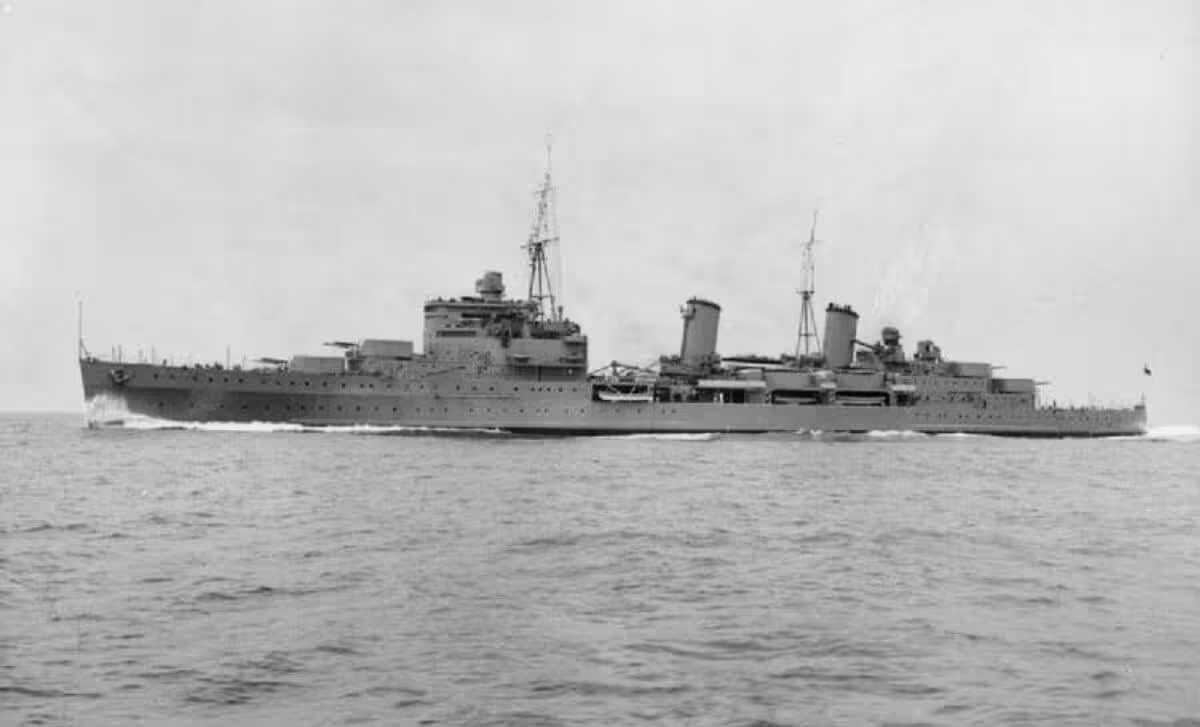
On 28 April 1942 HMS Edinburgh set sail from Russia carrying 465 gold bars owned by Joseph Stalin. The bullion was intended as compensation for American war materiel supplied to the Soviet Union. Within days of departure, German aircraft located the convoy and dispatched U‑boats and three Kriegsmarine destroyers to intercept it, as reported by Popular Mechanics.
A German U‑boat launched two torpedoes that struck the cruiser, killing 58 crew members and forcing the remaining 750 survivors into rescue vessels. Although HMS Edinburgh was taken in tow, a second German assault left the ship crippled, and the convoy ultimately scuttled the vessel. The cruiser sank to a depth of roughly 800 feet, taking its gold cargo to the seafloor.
Researcher Michele Blagg of the Institute of Contemporary British History notes that the shipment was covered by a 1942 War Risks Insurance contract signed by the Soviet Trade Delegation in London, which meant the loss was not treated as an immediate salvage priority.
Political Roadblocks and Technical Hurdles Stalled the Hunt
An initial salvage contract drafted in 1954 never progressed, hampered by Soviet non‑cooperation, concerns about disturbing the war graves, and doubts over the feasibility of recovering cargo from such depth. Interest waned until the late 1970s, when Keith Jessop, director of Jessop Marine Recoveries, assembled a consortium that included British diver firm Wharton & Williams, German Offshore Services Association, and British survey company Racal‑Decca.
The team secured a “no cure, no gain” contract with the British government, meaning they would receive no payment unless gold was recovered, but would retain 45 % of any recovered value. Locating the wreck required triangulating survivor testimony, historic charts, and reports from Norwegian fishermen whose nets repeatedly snagged in the same area. In April 1981, echo‑sounding and sonar identified a promising target; a remotely operated vehicle confirmed on 14 May 1981 that the wreck was HMS Edinburgh, resting on its port side and apparently intact.

A Grueling Deep‑Sea Dive Yields Most of the Treasure
Before descending, the salvage crew studied HMS Belfast at the Imperial War Museum to familiarize themselves with the sister ship’s layout. By late August 1981, divers, support staff, and Soviet and British officials were aboard the vessel Stephaniturm, living in a high‑pressure environment for up to 30 days to mitigate decompression sickness while breathing a helium‑oxygen mix.
The original entry plan through torpedo damage proved impossible when debris blocked the opening, so divers cut a new hatch and spent a week clearing a passage to the bomb room, which still contained live ammunition.
“It was the maritime equivalent of a Moonwalk,” Ric Wharton of Wharton & Williams told The Scotsman in 2010. “Undoubtedly, it was the greatest treasure hunt of the 20th century.”
On 16 September, 27‑year‑old diver Jon Rossier radioed the surface with excitement: “I’ve found the gold! I’ve found the gold!” The team hoisted the bullion in metal cages, each holding 40 bars that weighed about 23 pounds. Soviet observer Igo Ilijn later described the recovered material as “the very best Soviet gold.”
The 1981 expedition retrieved 431 of the 465 bars before deteriorating weather forced a pause. The haul was split, with 161 bars allotted to the consortium and the remainder divided between the Soviet Union and Britain’s Department of Trade. Britain’s share was transferred to the Bank of England, where most of the gold was melted at the Royal Mint for coinage.
A follow‑up dive in 1986 recovered an additional 29 bars, leaving only five of the original 465 unaccounted for.
This article has been fact checked for accuracy, with information verified against reputable sources. Learn more about us and our editorial process.
Last reviewed on .
Article history
- Latest version
Reference(s)
- “Joseph Stalin.”, April 3, 2014 Biography <https://www.biography.com/political-figures/joseph-stalin>.
- Newcomb, Tim. “Soviet Gold Sat Trapped in a Sunken Submarine for 40 Years. Then, Divers Pulled Off a Daring Rescue..”, July 31, 2026 Popular Mechanics <https://www.popularmechanics.com/science/archaeology/a73309491/stalin-wwii-gold-submarine/>.
- “Salvage of the Century, HMS Edinburgh and Her Cargo of Gold | Alchemist.” LBMA <https://www.lbma.org.uk/alchemist/issue-74/salvage-of-the-century-hms-edinburgh-and-her-cargo-of-gold>.
- “Verifying Device.” <https://www.thetimes.com/travel/destinations/uk-travel/scotland-travel/keith-jessop-salvage-diver-gbfdbmds9vd>.
- <https://www.scotsman.com/arts-and-culture/famed-for-salvaging-ps50m-in-gold-from-a-shipwreck-adventurer-ric-wharton-talks-about-selling-his-collection-of-historic-armour-and-leaving-scotland-1724703>.
Cite this page:
- Posted by Zara Tariq