Vast Network Of Unknown Tunnels Discovered Beneath Hagia Sophia During Restoration
Archaeologists clearing debris beneath Hagia Sophia have uncovered a vast network of forgotten tunnels, hidden chambers, and a mysterious, enigmatic passage.
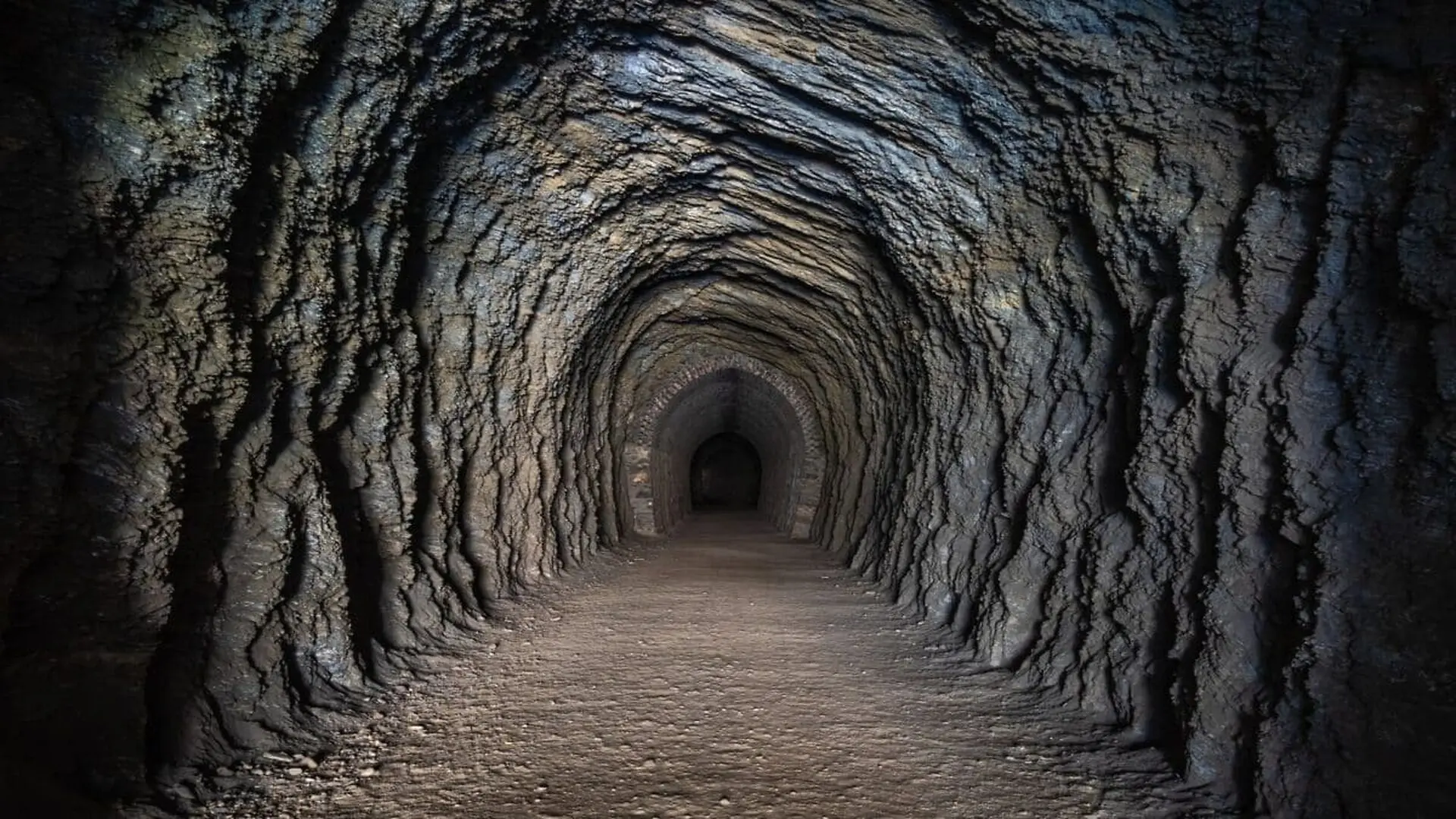
Long regarded as an architectural icon of Byzantine ingenuity, the Hagia Sophia is concealing a far more extensive secret than historians previously realized. Recent restoration efforts beneath the landmark have unveiled an intricate, miles-long network of subterranean passages, far surpassing the small, isolated chambers documented in earlier surveys.
Commissioned by Emperor Justinian I and completed in 537 C.E., the structure has endured centuries of political and religious upheaval. However, as crews began clearing decades of accumulated debris from the foundations, they encountered a sprawling labyrinth of tunnels and vaults that had been lost to history.
Extensive Subterranean Network Uncovered
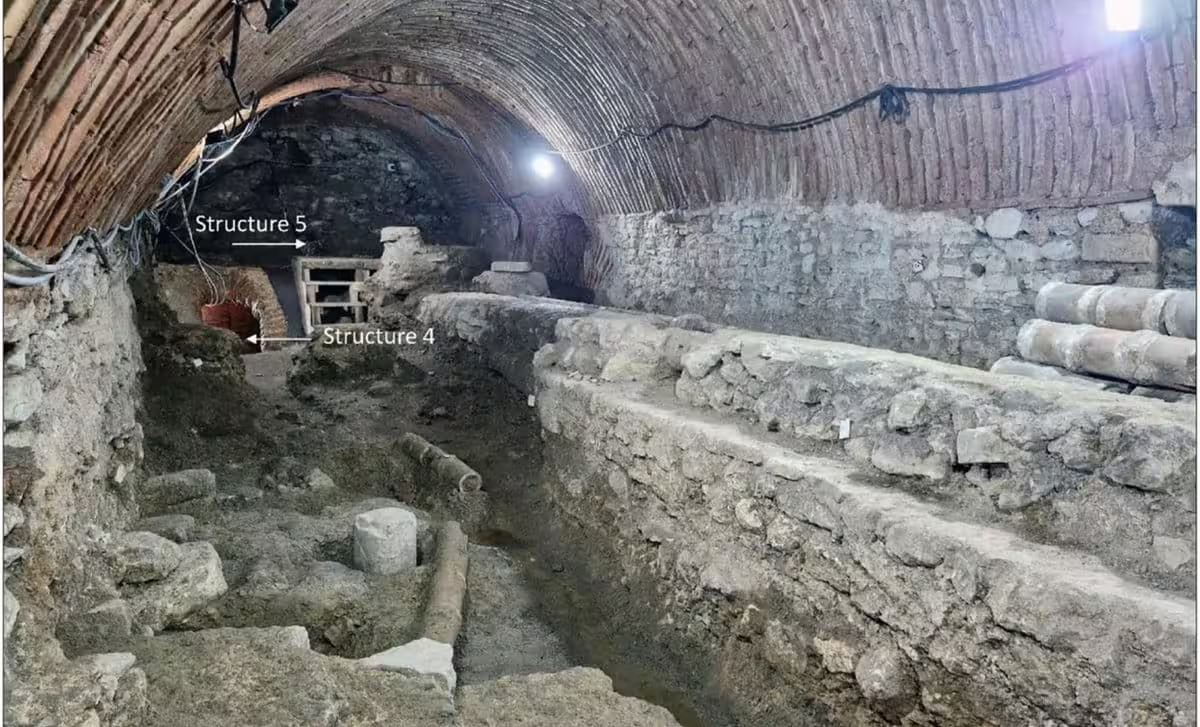
The cleanup, which required specialized mining expertise to navigate the confined and poorly ventilated spaces, resulted in the removal of approximately 300 tons of soil and rubble. The effort revealed a complex system stretching roughly 5.6 miles. According to a study published in Open Archaeology by Professor Hasan Fırat Diker, these findings provide critical insights into the layered history of the site, including phases of construction that predate the current monument.
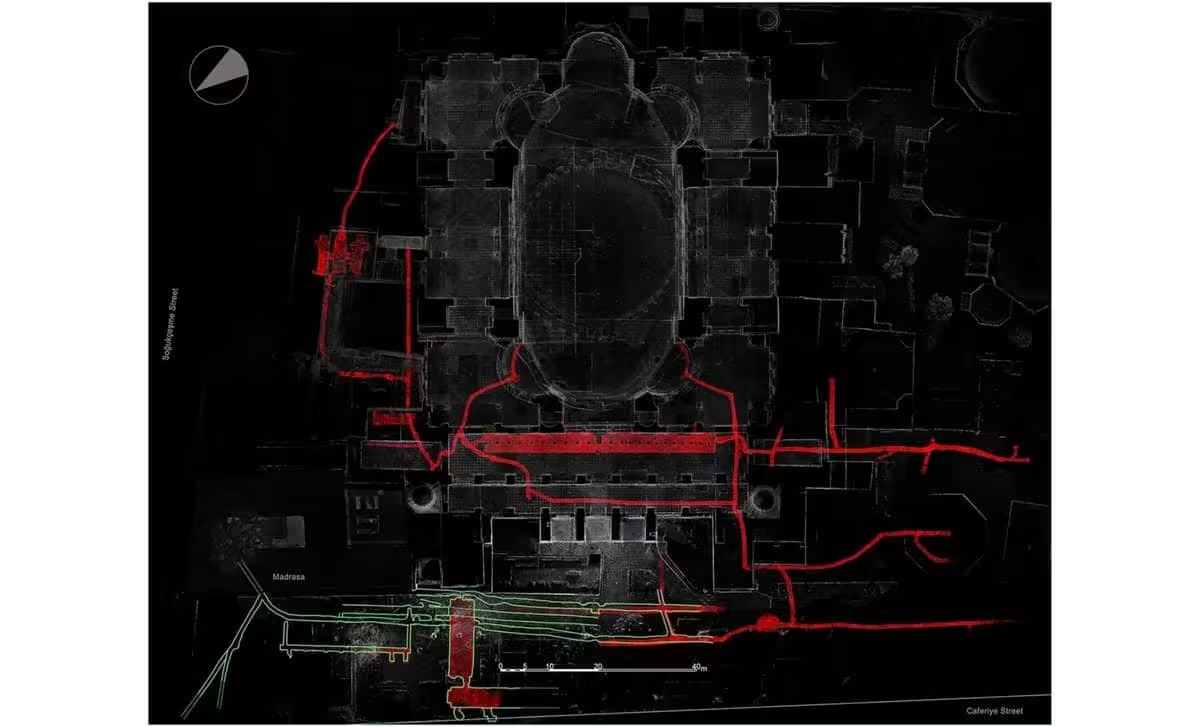
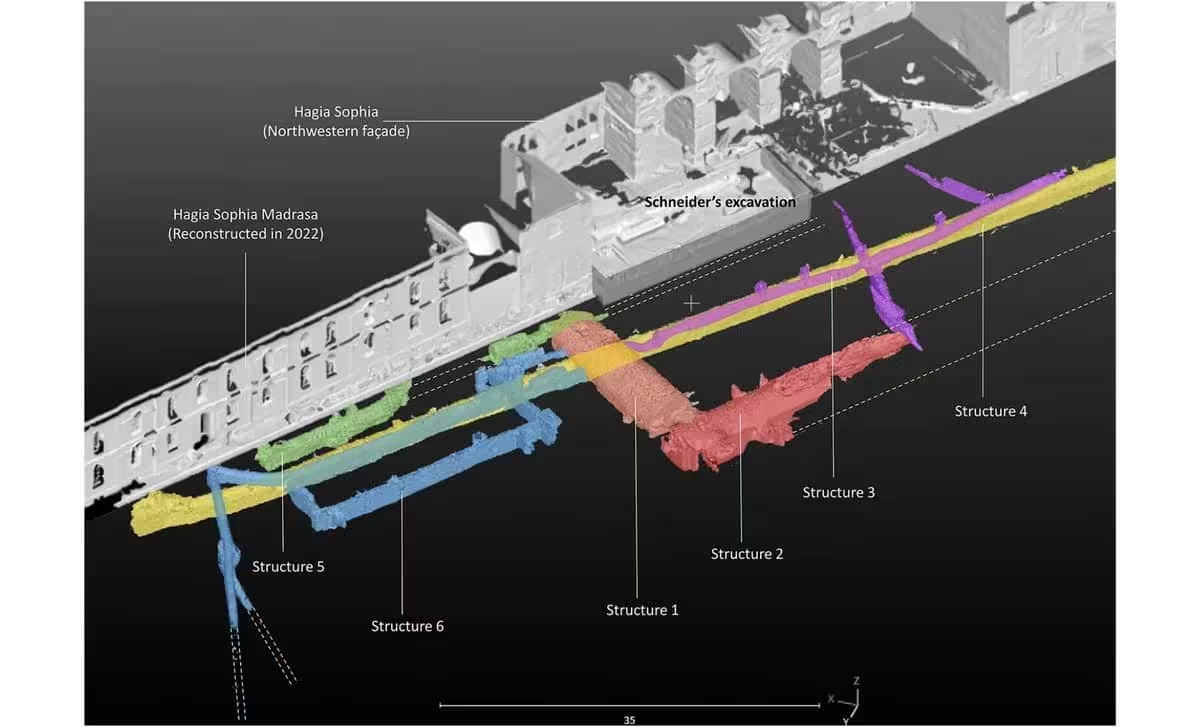
Using advanced 3D mapping, researchers documented the orientation of these spaces, identifying a series of chambers linked by conduits. While many of the tunnels were clearly designed for water management—a necessity for the dense urban settlement that surrounded the site—the sheer scale of the system suggests a sophisticated infrastructure that evolved over several centuries.
“These additional underground elements, whose existence, orientation, and interrelations could not have been foreseen at the outset, are expected to significantly expand current understanding of Hagia Sophia’s substructure once their cleaning is complete,” Diker noted.
An Architectural Anomaly
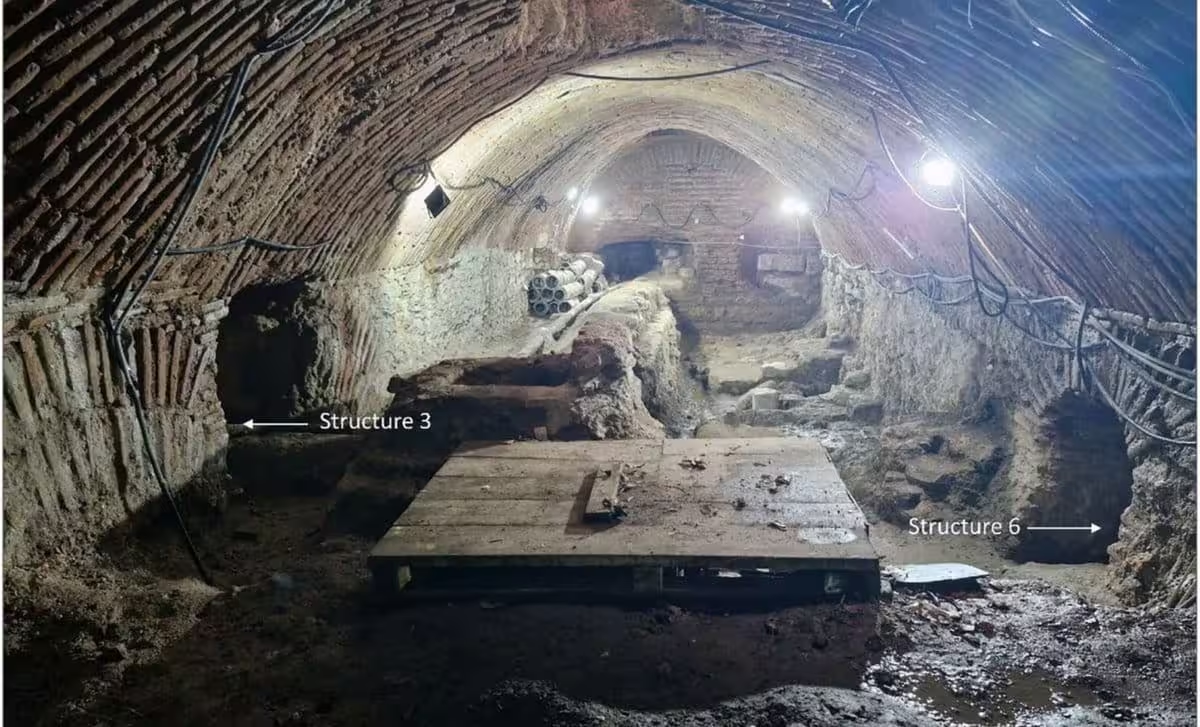
Among the six primary structures identified, the one labeled “Structure 6” has emerged as the most puzzling. Unlike the utilitarian water channels characterized by terracotta piping, Structure 6 features an irregular, frame-like design with multiple branching paths. It contains eight rectangular wall niches set beneath unique, complex vaulting.
Archaeologists confirmed that this passage connects to other sectors of the network, but its lack of traditional water-flow markers sets it apart. Researchers have observed that the tunnel appears to have been linked to parallel passages during a secondary construction phase, though its specific purpose remains a matter of ongoing debate.
A Shifting Historical Legacy
The discovery underscores the adaptability of the Hagia Sophia, which has transitioned from a cathedral to a mosque, a museum, and back to a mosque over the course of nearly 1,500 years. The underground findings offer a physical timeline of these changes, revealing how the site’s infrastructure was modified to accommodate the evolving needs of its inhabitants.
With large portions of the system still obstructed by debris from historical collapses, the full extent of the network is not yet fully mapped. Future excavation and clearing efforts are expected to uncover even more of these subterranean conduits, potentially reshaping our understanding of how the ancient city managed its resources beneath the floorboards of one of the world’s most famous monuments.
This article has been fact checked for accuracy, with information verified against reputable sources. Learn more about us and our editorial process.
Last reviewed on .
Article history
- Latest version
Cite this page:
- Posted by Zara Tariq