Inside the Soviet Union’s Deepest Hole That Revealed Earth Was Not What Scientists Expected
The Soviet Union’s ambitious Kola Superdeep Borehole project reached depths previously thought impossible, uncovering strange secrets from the Earth’s crust.
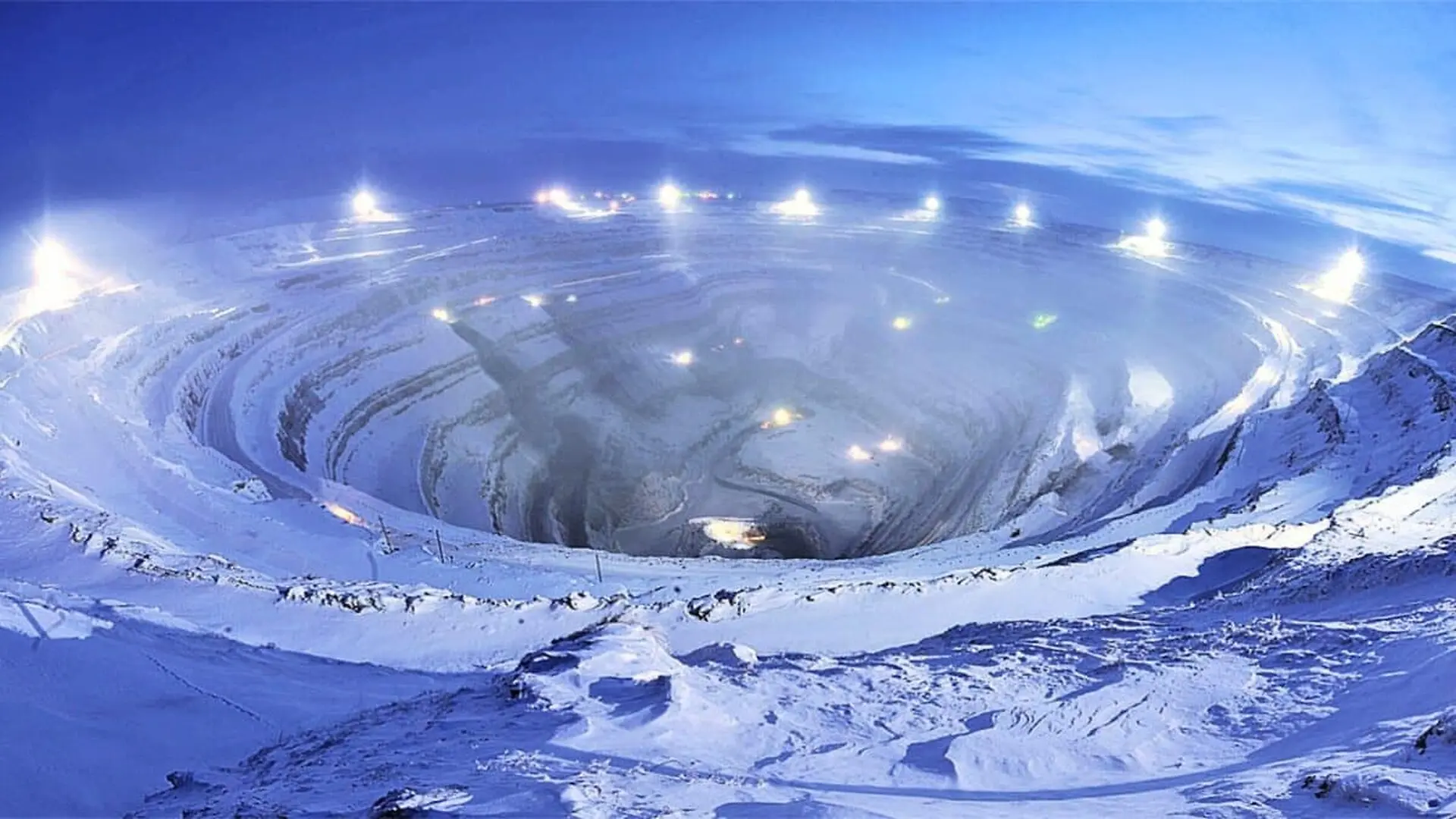
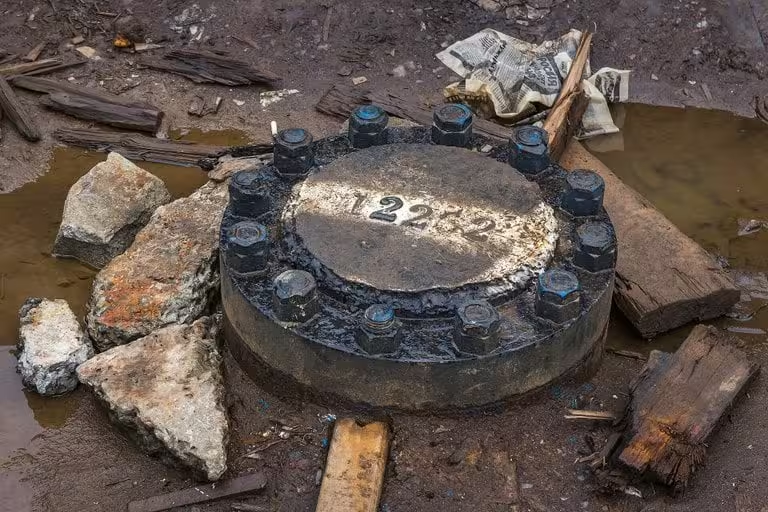
In the desolate landscape of Russia’s Kola Peninsula, just north of the Arctic Circle, a modest, rusted metal cap sits welded over a nine-inch wide opening in the earth. This unassuming seal marks the final resting place of the Kola Superdeep Borehole, a Soviet-era engineering marvel that remains the deepest penetration into the planet’s crust ever achieved by humanity. Stretching 12,262 meters (40,230 feet) beneath the surface, the hole plunges deeper than the lowest point of the Mariana Trench.
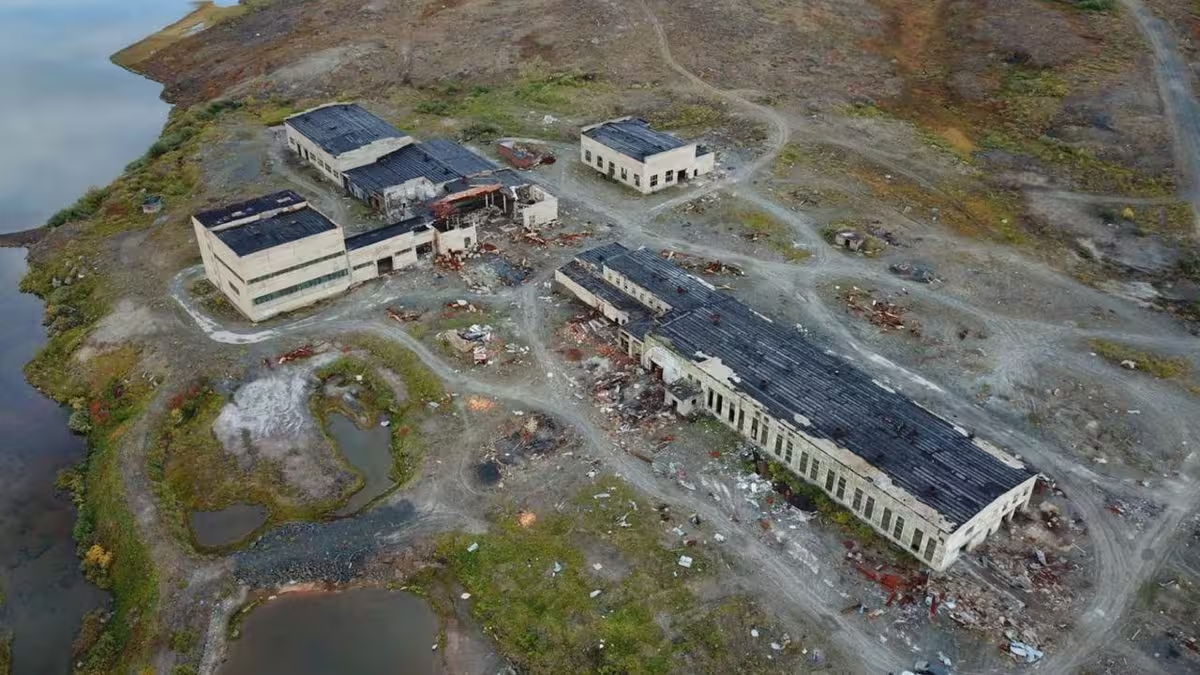
The project, designated SG-3, was launched in 1970 with the ambitious goal of unlocking the geological secrets of the continental crust. While the United States had previously attempted to probe the depths through the ocean floor with Project Mohole, the Soviet initiative focused on drilling into the ancient, stable rock of the Baltic Shield. Unlike commercial oil extraction, this was purely an endeavor of scientific discovery, aimed at validating geological models that, until then, had relied entirely on indirect seismic data.
Unforeseen Geological Realities
As the drill bit descended, it consistently defied expectations. Geologists had predicted a transition from granite to basalt at roughly seven kilometers, based on the Conrad discontinuity observed in seismic surveys. Instead, they found that granite persisted well beyond that depth. Furthermore, the rock was far more fractured and porous than anticipated, saturated with high-pressure, mineral-rich fluids. Perhaps most surprisingly, researchers recovered microfossils of 24 distinct species of marine plankton at a depth of 6.7 kilometers, encased in rock nearly two billion years old.
The Barrier of Heat
The ultimate failure to reach the target depth of 15,000 meters was not due to equipment breakage, but to the intense heat of the Earth’s interior. At 12 kilometers, temperatures reached approximately 180 °C (356 °F), nearly double what geological models had predicted. At these extremes, the rock began to exhibit plastic-like properties, causing the borehole walls to flow and collapse inward as soon as the drill was removed. This rendered further progress physically impossible with existing technology.
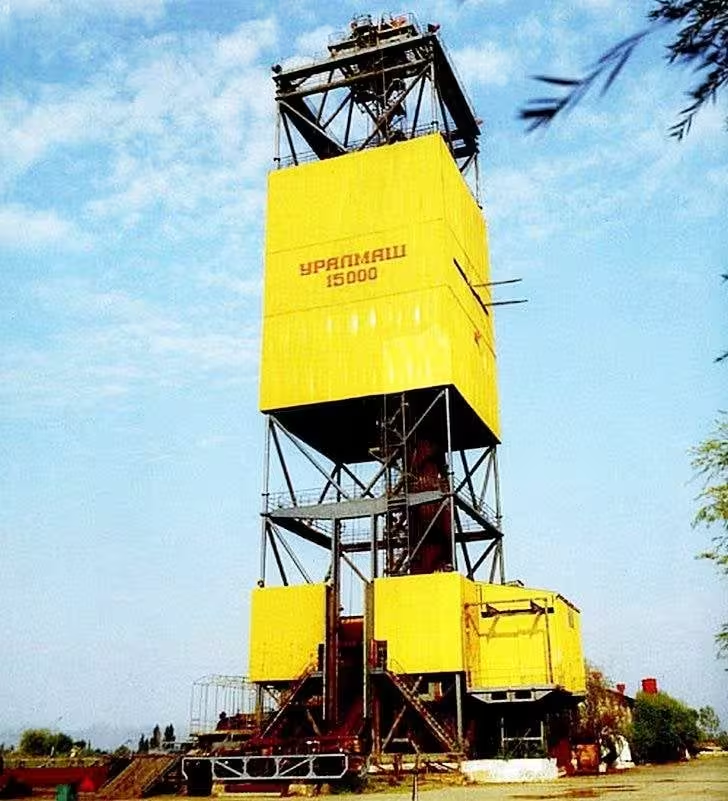
The logistical challenges were immense. To reach these depths, engineers employed the specialized Uralmash-15000 rig, which utilized a turbine powered by drilling mud pumped from the surface. Because the drill string weighed over 200 metric tons, simply replacing a worn bit required an operation that could span 18 hours.
Legacy of the Deepest Point
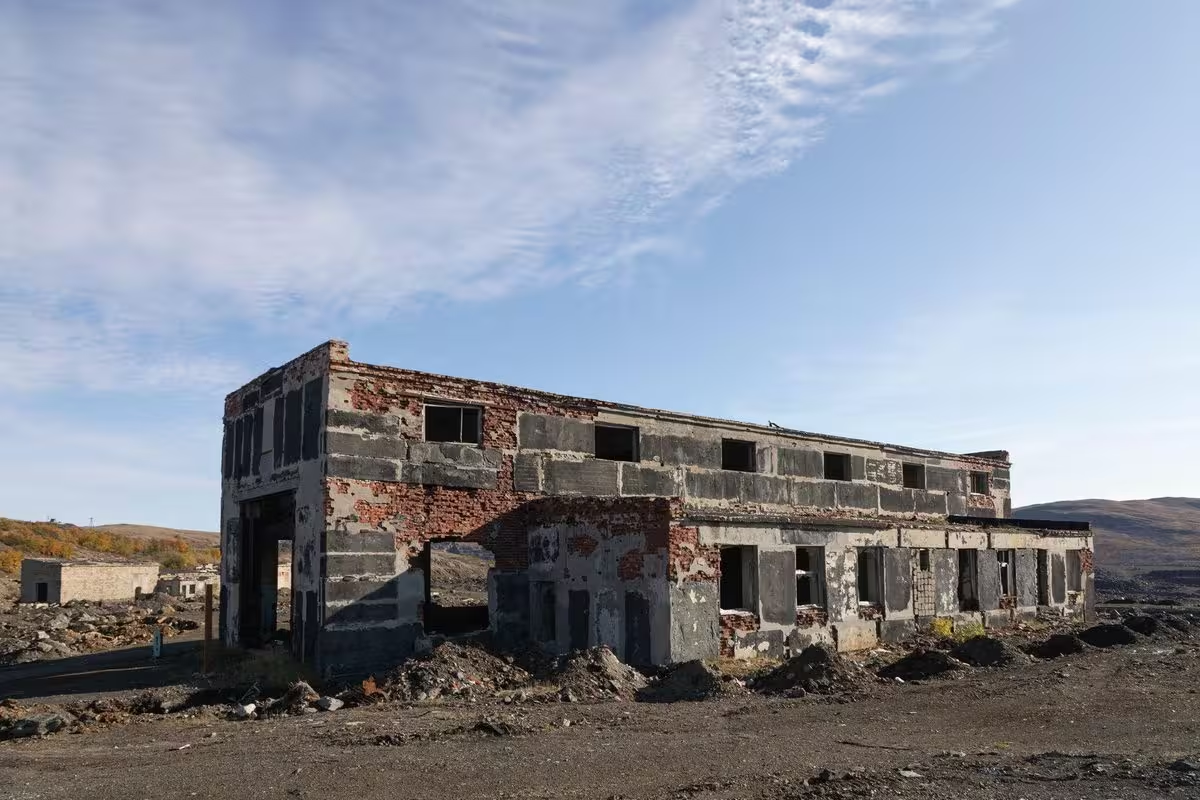
Following the dissolution of the Soviet Union, funding for the project evaporated. By 2008, the facility had been dismantled, leaving only the ruins and the sealed wellhead. While modern oil and gas operations—such as those at the Al Shaheen field in Qatar and the Sakhalin-1 project in Russia—have technically surpassed the Kola Borehole in total length, these projects achieved their records by drilling at steep angles. In terms of true vertical depth, the Kola Superdeep Borehole remains the undisputed champion, a testament to the era when humanity first dared to pierce the deep crust of our own world.
This article has been fact checked for accuracy, with information verified against reputable sources. Learn more about us and our editorial process.
Last reviewed on .
Article history
- Latest version
Cite this page:
- Posted by Zara Tariq