Divers Pulled a Tiny Figurine From an Italian Lake After 3,000 Years Underwater, Its Creator’s Fingerprints Are Still Visible
Un antiguo ídolo de arcilla emerge tras 3.000 años sumergido revelando secretos grabados
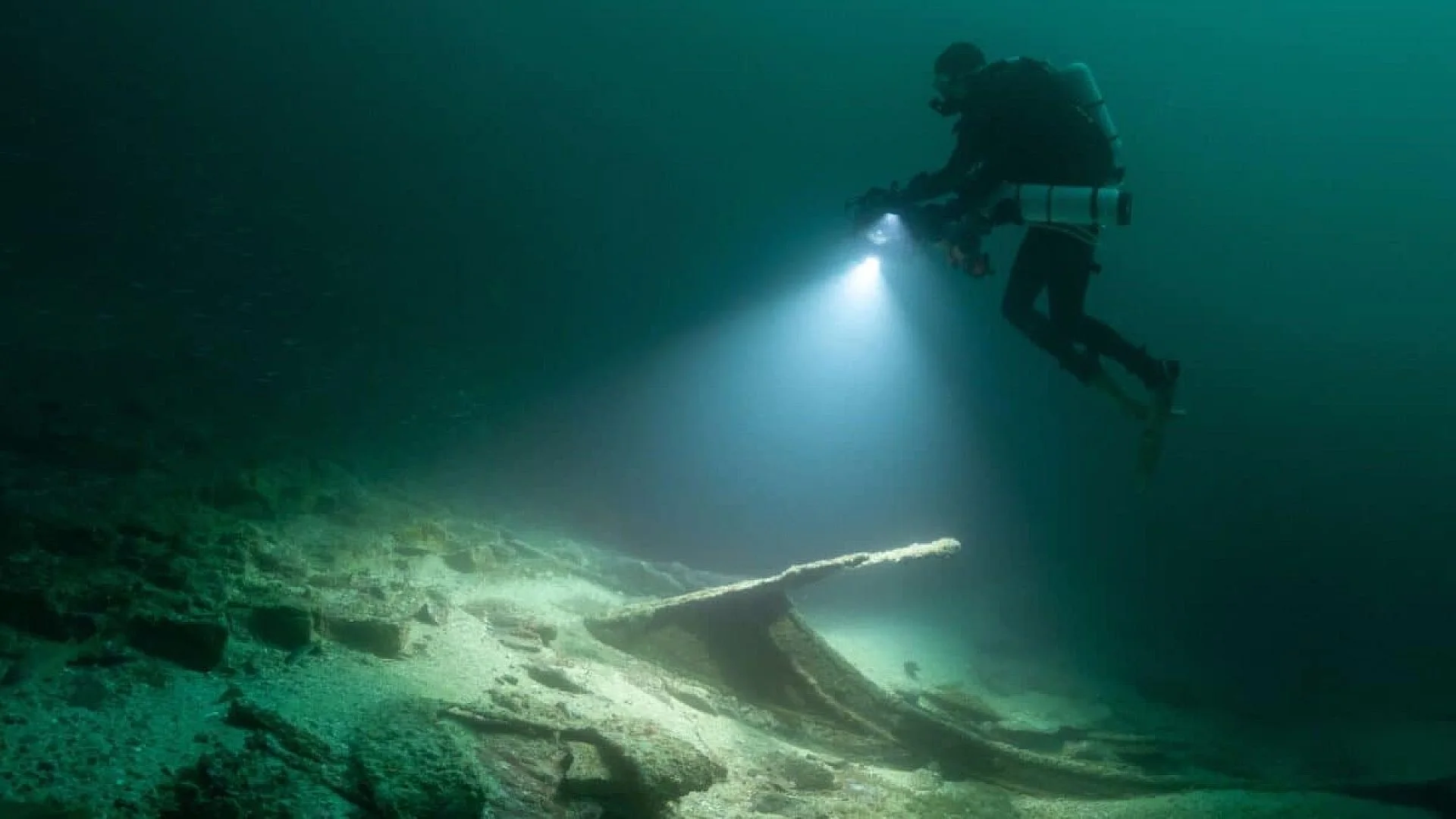
Archaeologists have recovered a partially formed clay figure from the depths of Italy’s Lake Bolsena, offering an unexpected window into the hands that crafted it nearly three millennia ago. Radiocarbon estimates place the object between the 10th and 9th centuries BC, and its surface still bears the faint impressions of the maker’s fingertips.
The find emerged during 2024 investigations at Gran Carro di Bolsena, a submerged archaeological zone in central Italy. Though modest in size and evidently unfinished, the figurine has quickly become one of the most compelling recent discoveries because of the direct human trace it retains.
The underwater complex hosts layers of settlement debris, ritual evidence, and later occupations that span several historic periods, continuously adding nuance to our picture of the lakeshore communities that once thrived there.
Hand‑Made Traces from a Millennia‑Old Artisan
The clay piece depicts a female figure roughly the size of a palm and stands out more for what it lacks than for any refined artistry. Its unfinished look suggests a work in progress rather than a finished cult object.
According to Italy’s Superintendency of Archaeology, Fine Arts, and Landscape, the clay still carries the fingerprints of the individual who molded it almost three thousand years ago, providing a rare tactile connection between present‑day scholars and a distant craftsman.
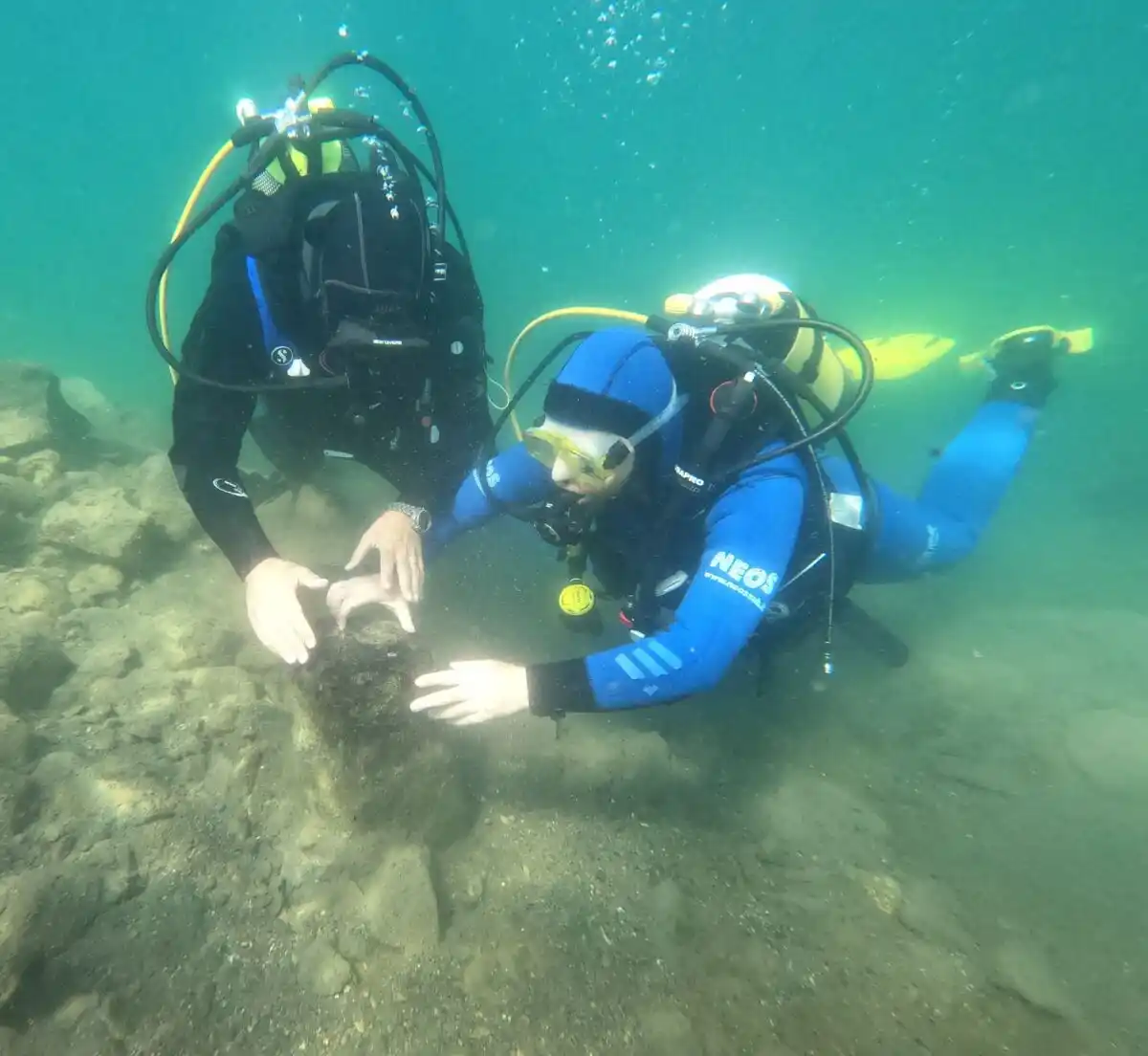
A faint impression beneath the chest hints that the figurine may once have been clothed in fabric, the textile itself long gone but its imprint preserved, as noted by the heritage authority.
Unraveling the Purpose of an Incomplete Object
The role of the figurine remains ambiguous. While comparable items are often associated with funerary rites, this example originated from a sector described as residential, complicating straightforward interpretation.
Researchers propose several scenarios: it could have featured in domestic rituals, acted as a votive offering, or simply been abandoned before completion. Its rough, unfinished state supports the latter hypothesis, suggesting the artisan may have ceased work and never returned.
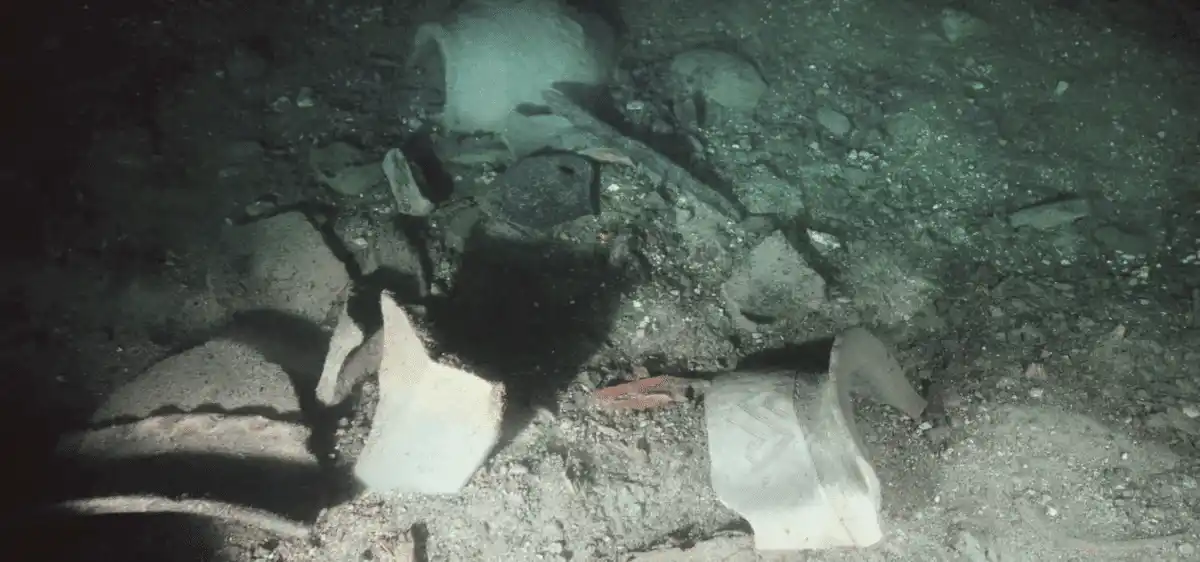
A Window into Italy’s Most Peculiar Underwater Landscape
The figurine emerged from the Aiola sector of Gran Carro di Bolsena, an area that was originally dry land before gradual rises in lake level submerged it. The broader complex contains layers dating back to the Middle Bronze Age and extensive Early Iron Age material.
Different zones of the site appear to have served distinct functions. One sector aligns with a palafitta, a pile‑dwelling settlement, while Aiola is identified in official reports as a cultic area. The Soprintendenza documents evidence of ritual fires, large ceramic vessels used for food offerings, and high‑status metal objects placed among stone features.
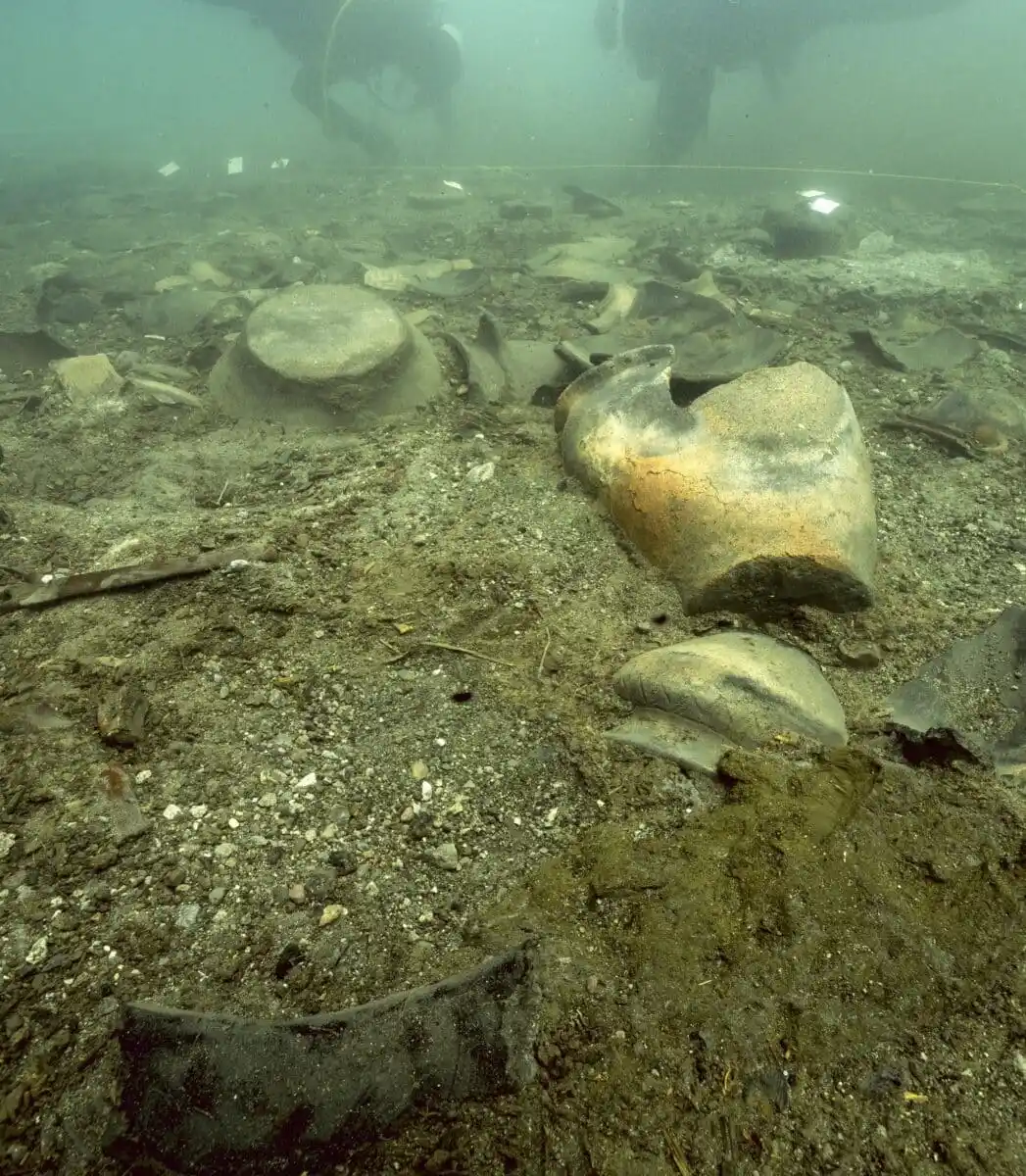
Later layers include Late Roman ceramics and coins from the Constantinian era, indicating that the lake’s shoreline continued to attract activity well after the Iron Age.
This article has been fact checked for accuracy, with information verified against reputable sources. Learn more about us and our editorial process.
Last reviewed on .
Article history
- Latest version
Reference(s)
- “ArcheoSitePosterBolsena.” <https://sabapviterboetruria.cultura.gov.it/wp-content/uploads/2026/01/ArcheoSitePosterBolsena.pdf>.
Cite this page:
- Posted by Zara Tariq