China’s Gravity-1 Rocket Completes First Sea Launch, Deploys Nine Satellites
China’s offshore Gravity-1 launch carries nine satellites, marking a boost in commercial space activity.
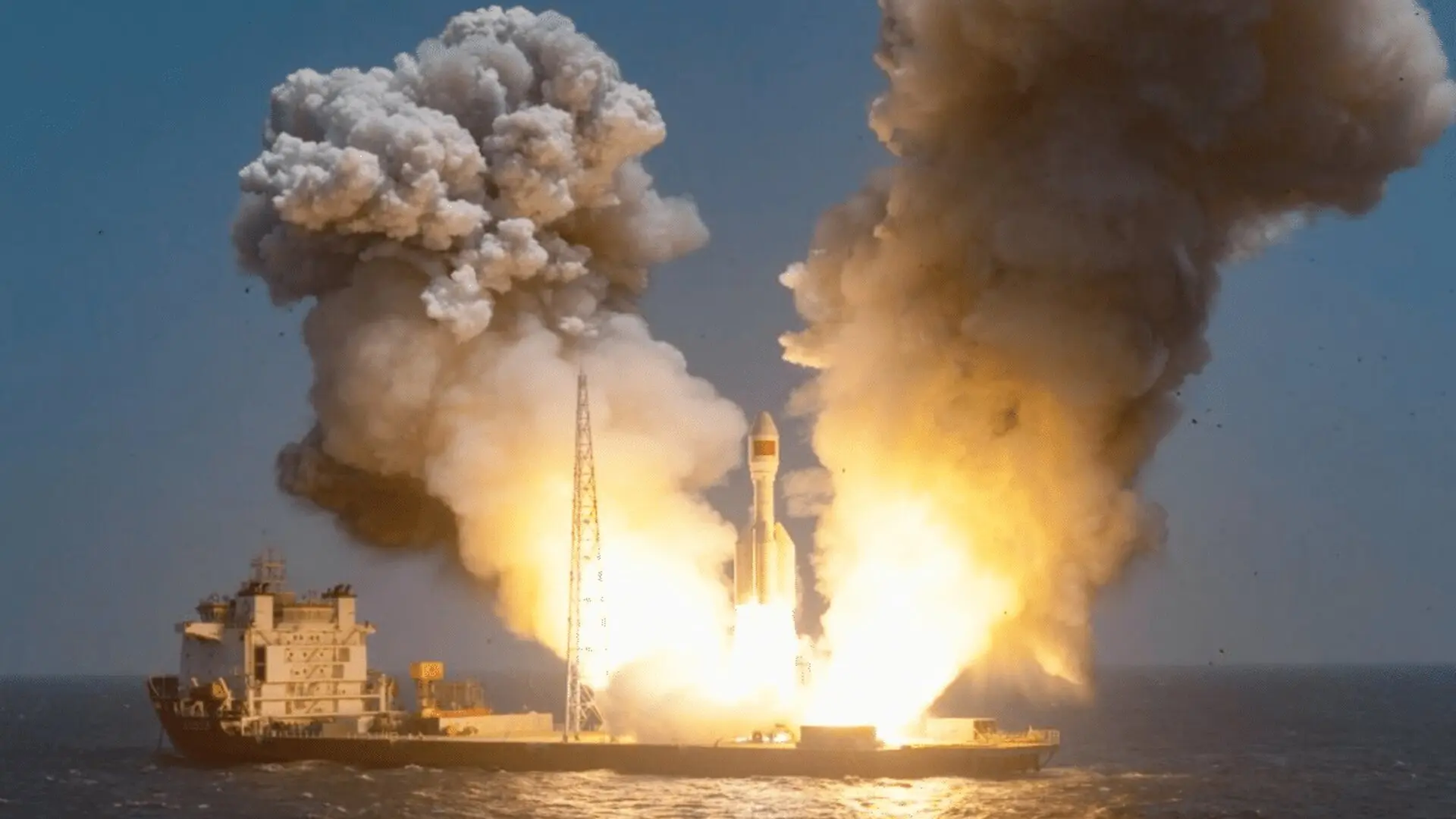
On 22 July 2026, a commercial launch vehicle named Gravity‑1 lifted off from an offshore pad near Shanghai, delivering a batch of nine satellites into their intended trajectories, according to a report from Xinhua. The operation, carried out by the Taiyuan Satellite Launch Center, marks another milestone in China’s push to diversify its space‑launch capabilities.
Sea‑Based Launch Expands China’s Orbital Access Options
The Gravity‑1 carrier rocket departed the launch site at 10:54 a.m. Beijing time, illustrating how maritime launch platforms can complement traditional ground‑based complexes. By launching from the sea, mission planners gain the ability to select flight paths that steer clear of densely populated regions and to tap new geographic windows for orbital insertion.
Deploying nine spacecraft in a single flight underscores the growing appetite for launch systems that can accommodate multiple payloads. This capability helps satellite operators share launch slots and improves overall efficiency when inserting smaller satellites into orbit.
The mission also highlights the role of newer‑generation rockets designed to meet the escalating demand for orbital transportation as global satellite constellations expand.
In this evolving landscape, the Gravity‑1 rocket exemplifies the shift toward more adaptable and cost‑effective commercial launch solutions.
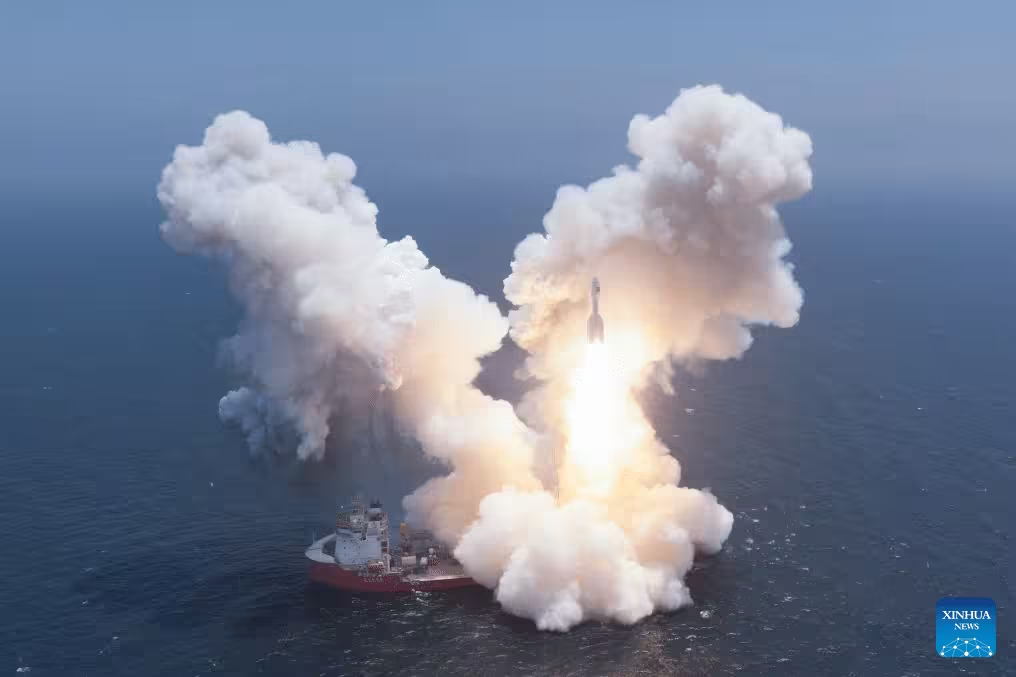
Gravity‑1 Completes Its Second Operational Flight
Xinhua described the launch as a full success, noting that all nine satellites reached their assigned orbital slots. Photographs released by the agency captured the Gravity‑1 rocket ascending from the offshore platform during the July 22 mission.
The vehicle’s inaugural flight occurred in January 2024, establishing its entry into service. This recent flight builds on that early achievement, providing valuable flight data for the commercial launcher.
The ability to loft multiple satellites simultaneously reflects a market trend toward shared launch opportunities, which can lower costs and streamline the deployment of smaller spacecraft.
Xinhua emphasized that the mission served as a crucial test of the rocket’s commercial readiness, supplying engineers with performance metrics that will inform future enhancements.
With satellite uses ranging from communications and Earth observation to scientific research, dependable launch capacity remains a cornerstone of the global space industry.
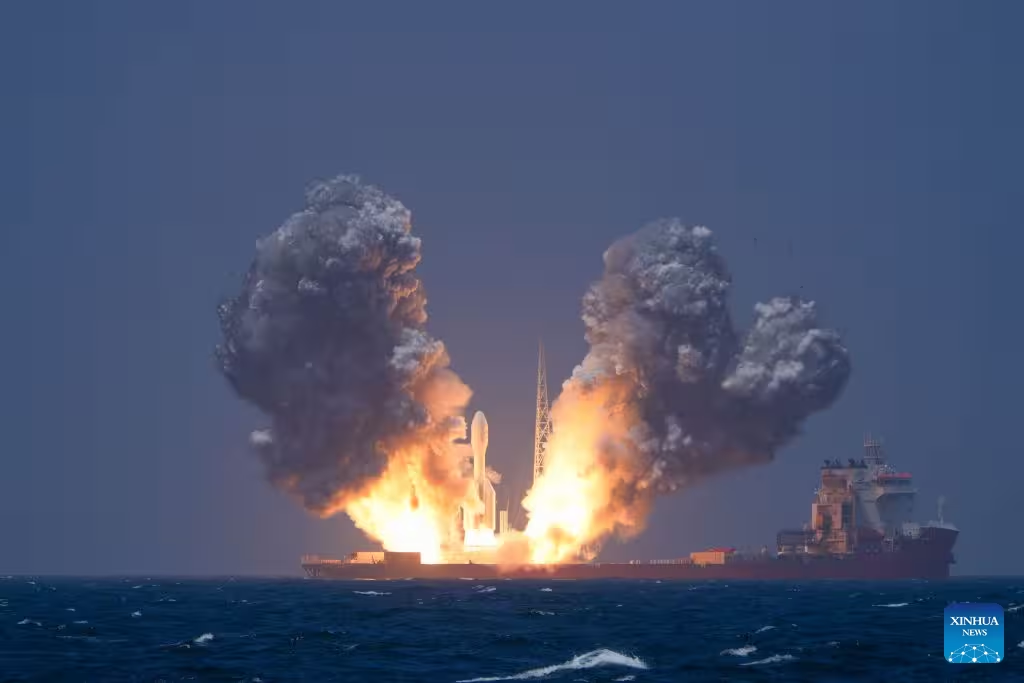
New Contender Enters the Commercial Launch Arena
The rollout of the Gravity‑1 rocket coincides with a rapid expansion of commercial launch services worldwide, as firms develop vehicles to accommodate the surge in satellite deployments.
A launch system that can carry several payloads in one ascent offers flexibility for diverse customers and reduces the total number of launches required for large constellations.
Conducting the launch from a sea platform near Shanghai adds a further layer of operational versatility to China’s launch infrastructure, potentially supporting a broader range of orbital destinations.
Each successful flight contributes operational insights that can enhance launch reliability and streamline mission planning for future commercial missions.
As the market matures, vehicles like Gravity‑1 will be judged on speed, adaptability, and payload capacity, factors that increasingly shape competitive dynamics.
Implications for China’s Growing Space Portfolio
The achievement adds to a broader strategy by China to bolster its presence in the space sector through continued investment in launchers, satellite platforms, and commercial infrastructure.
By integrating offshore launch capabilities into its portfolio, China expands the suite of options available for future orbital missions.
The development underscores the rising prominence of private launch providers alongside state‑run programs, reflecting a shift toward a more mixed ecosystem of space activities.
The Taiyuan Satellite Launch Center’s coordination of a multi‑satellite deployment demonstrates the growing sophistication of China’s launch operations.
The latest Gravity‑1 flight signals ongoing progress in commercial space transport and illustrates how nations and companies alike are adapting to a future where access to orbit is a key strategic asset.
This article has been fact checked for accuracy, with information verified against reputable sources. Learn more about us and our editorial process.
Last reviewed on .
Article history
- Latest version
Cite this page:
- Posted by Karan Das