Chickpeas Yield First Seeds in Moon Soil Thanks to Earthworm Compost and Mycorrhizal Fungi
Fungus-driven system enables chickpeas to produce seeds in lunar soil simulant, a breakthrough for off‑world farming.
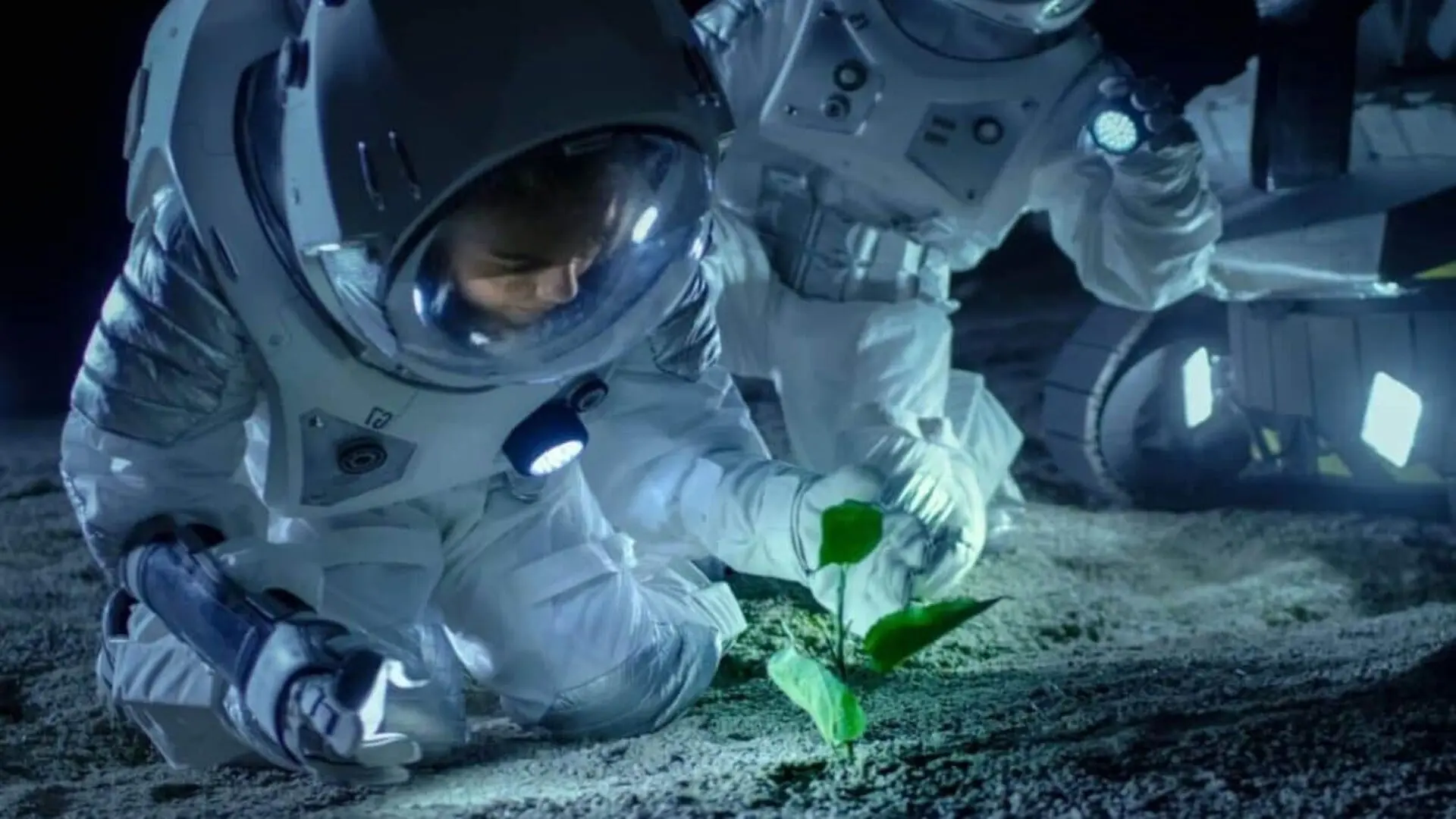
A collaborative effort between Texas A&M University and the University of Texas at Austin has demonstrated that chickpea plants can complete their entire life cycle in a material that mimics the Moon’s surface, marking the first documented seed production in lunar regolith simulant.
Worm‑Derived Compost and Fungal Partnerships Revitalize Regolith
The researchers employed the high‑fidelity LHS‑1 simulant from ExolithLabs, which reproduces the mineral composition and grain‑size distribution of the lunar highlands. Instead of sowing directly into the raw material, they blended it with vermicompost generated by red wiggler earthworms (Eisenia fetida) and their associated gut microbes. This amendment supplied essential nutrients while introducing a living microbial consortium to address the simulant’s intrinsic deficiencies.
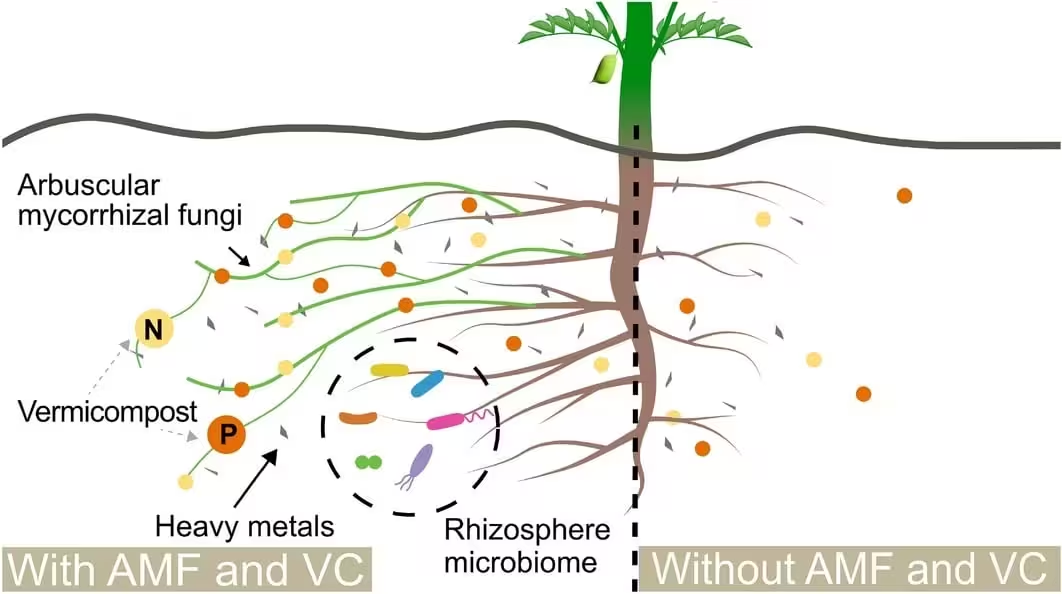
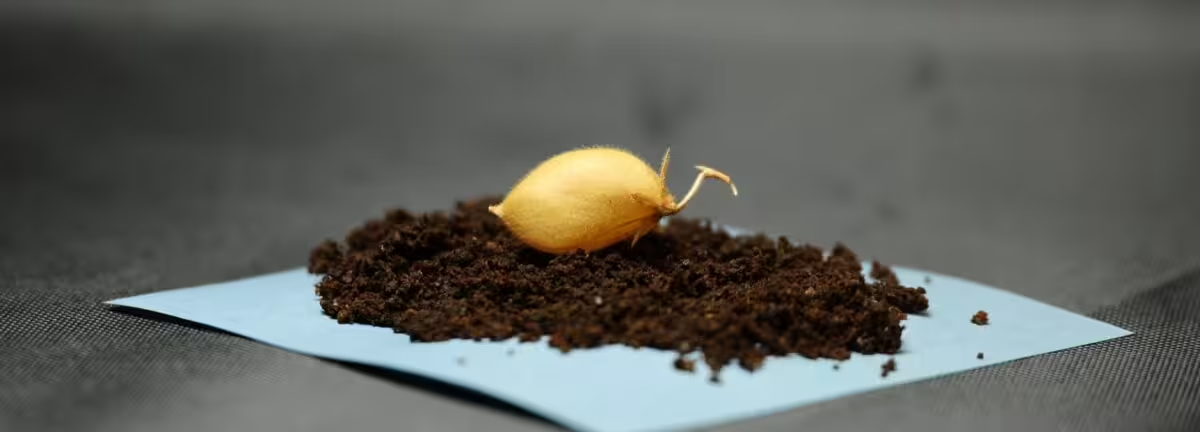
Before planting, chickpea seeds received a coating of arbuscular mycorrhizal fungi (AMF), a symbiotic partner that extends root reach through delicate hyphal filaments. In addition to facilitating water and nutrient uptake, AMF are known to sequester heavy metals in contaminated soils, potentially shielding the host plant from the elevated iron, aluminum, zinc, and copper concentrations typical of lunar regolith.
Full Seed Production Achieved in Simulant‑Rich Substrates
Experiments tested four mixtures ranging from 25 % to 100 % lunar simulant, each combined with vermicompost and evaluated with and without AMF inoculation, alongside a conventional potting‑mix control. When watered via capillary wicks rather than top‑watering—a change prompted by rapid crust formation on the surface—the plants receiving AMF flourished even in blends containing up to 75 % simulant, producing viable seeds for the first time in this environment.
Although seed numbers declined as the proportion of simulant increased, individual seed mass remained consistent between the 50 % and 75 % treatments. Visible stress symptoms, such as reduced leaf area and chlorosis, were observed across all simulant groups, reflecting nitrogen and phosphorus limitations. In the pure‑simulant scenario, AMF extended plant survival by roughly two weeks, pushing the lifespan from day 61 to day 75, though flowering never occurred.
Fungal Inoculation Improves Substrate Structure
Beyond supporting plant growth, AMF altered the physical characteristics of the simulant. Using the SLAKES aggregate stability app, the team recorded a marked increase in soil aggregate stability across all fungal‑treated groups, indicating stronger particle cohesion and better water retention. The fungi produce glomalin, a glycoprotein that binds particles together, while their hyphal networks physically entangle the grains.
pH measurements also shifted dramatically. Untreated simulant started at a highly alkaline 9.9, whereas vermicompost blends lowered the pH to a range of 5.9–6.4. After harvest, AMF‑inoculated samples stabilized within a narrower band of 6.2–6.6, creating a more hospitable environment for subsequent plant generations.
Implications for Lunar Agriculture and Future Research
Sara Oliveira Santos, a postdoctoral fellow at the University of Texas Institute for Geophysics and the study’s corresponding author, emphasized the broader goal: “The research is about understanding the viability of growing crops on the moon. How do we transform this regolith into soil? What kinds of natural mechanisms can cause this conversion?”
The findings suggest that integrating biological amendments—worm‑derived compost and mycorrhizal fungi—can convert an otherwise sterile substrate into a medium capable of sustaining a full crop cycle, a critical step toward sustainable food production for future lunar missions.
Outstanding Questions on Metal Accumulation and Food Safety
While seed weight matched that of control plants, the investigation has yet to assess heavy‑metal concentrations in the harvested grains. Given the intrinsic enrichment of iron, aluminum, zinc, and copper in lunar regolith, determining the extent of fungal‑mediated metal sequestration remains a priority.
First author Jessica Atkin of Texas A&M’s Department of Soil and Crop Sciences noted the next phase of the work: “We want to understand their feasibility as a food source. How healthy are they? Do they have the nutritional content astronauts need? If they aren’t safe to eat, how many generations until they are?”
This article has been fact checked for accuracy, with information verified against reputable sources. Learn more about us and our editorial process.
Last reviewed on .
Article history
- Latest version
Cite this page:
- Posted by Karan Das