NISAR Radar Unveils Hidden Structures Beneath Thwaites Glacier Redefining Ice Flow Study
NASA’s radar satellite mission reveals hidden Antarctic ice movement beneath the surface, offering new insights into glacial dynamics.
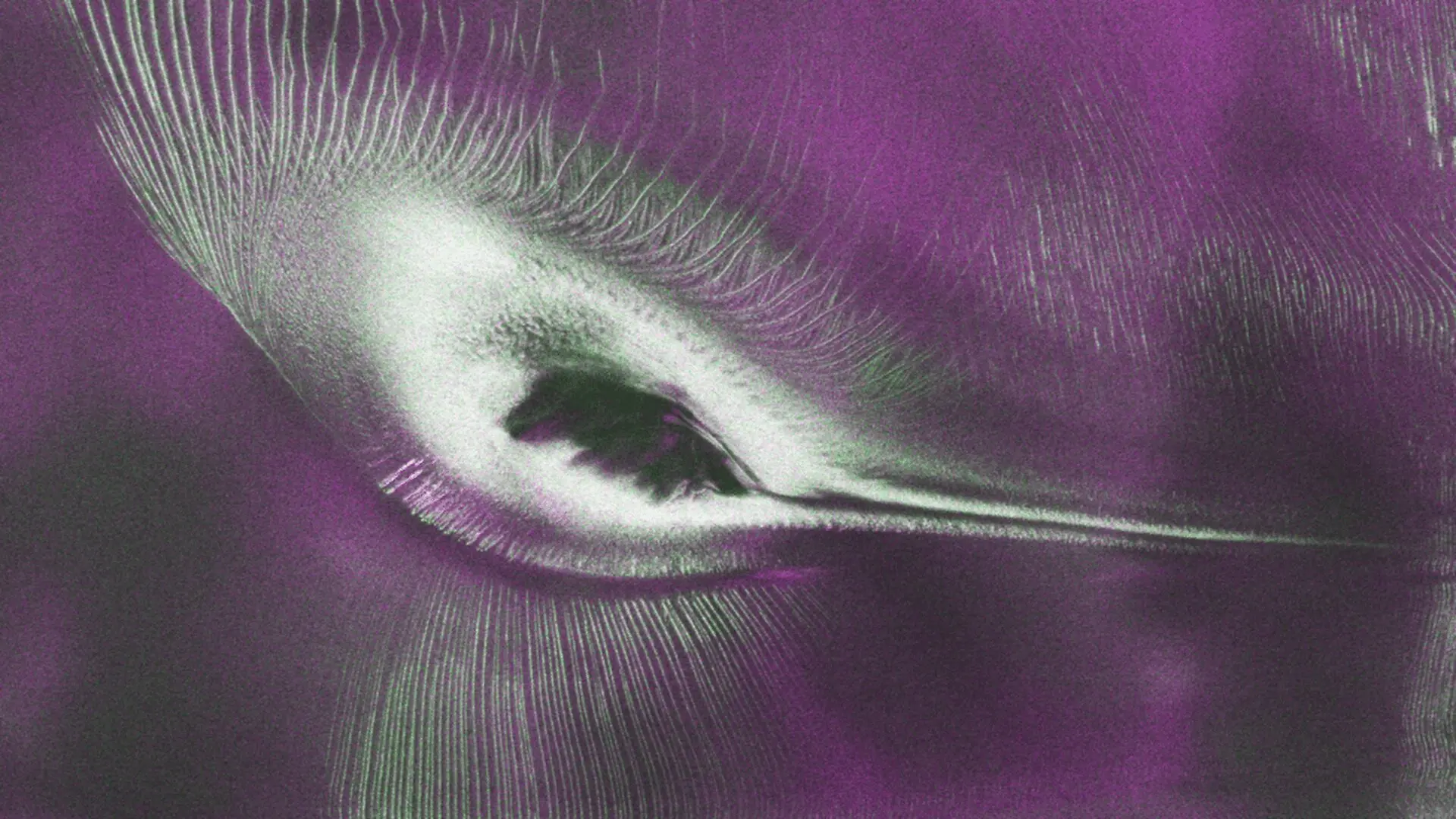
A fresh synthetic‑aperture radar snapshot from the joint NASA‑ISRO NISAR mission has exposed concealed formations beneath a glacier in Antarctica, giving researchers a novel perspective on ice dynamics in one of the planet’s most isolated regions.
Targeting the area surrounding Thwaites Glacier, the radar image penetrates snow and ice layers to reveal internal structures that optical satellites cannot detect, underscoring the value of space‑borne radar for polar science.
Radar Eyes Reveal What Lies Beneath Antarctic Ice
NISAR’s synthetic aperture radar operates independently of daylight, cloud cover, or extreme polar weather, enabling continuous monitoring of Earth’s surface. By transmitting microwave signals that can traverse thick ice, the instrument captures both surface and subsurface characteristics of the Antarctic ice sheet.
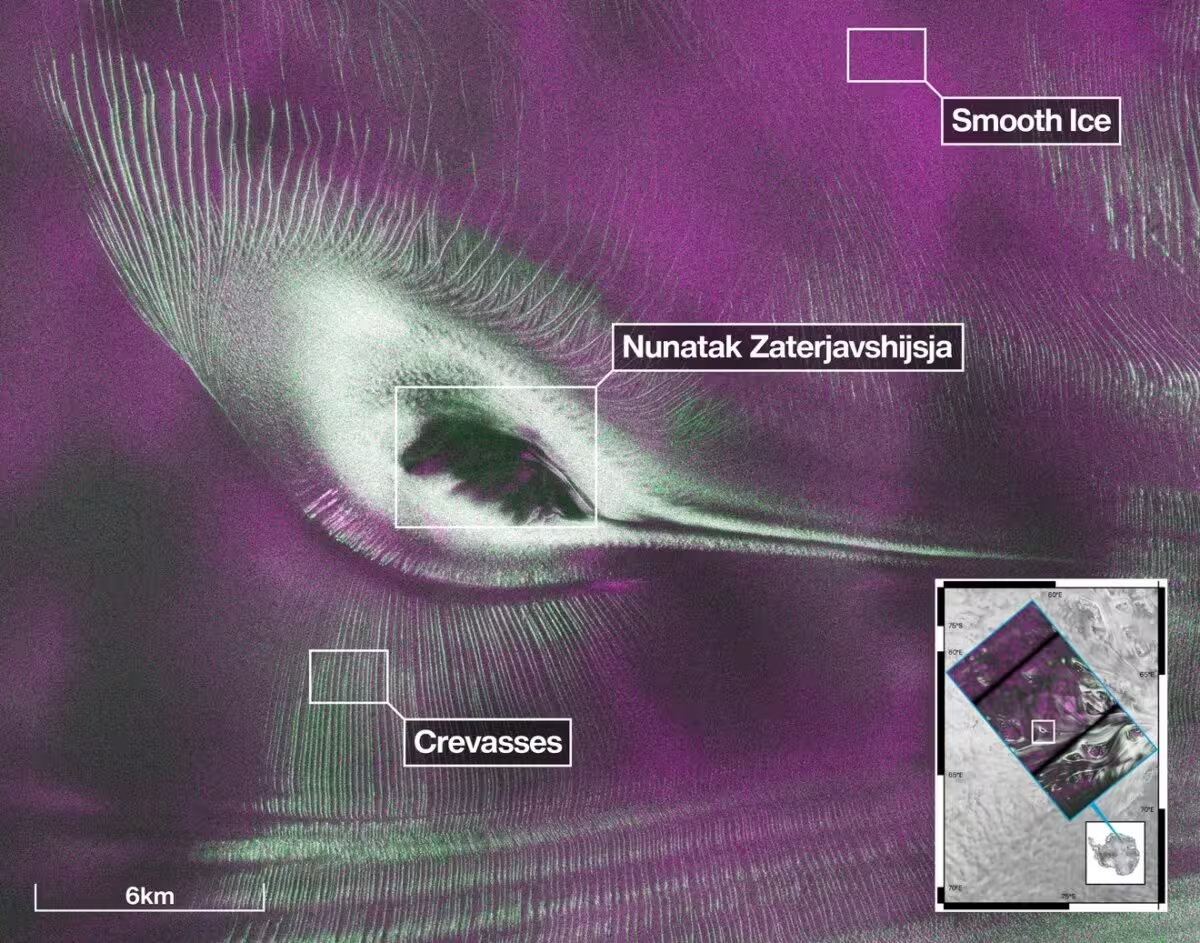
The new data display intricate deformation patterns and flow features within the glacier, illustrated by sharp green lines marking crevasses and magenta tones indicating smoother ice expanses. These details provide a window into how the glacier is shifting and deforming beneath the visible snow cover.
How Radar Enhances Glacier Monitoring
Beyond static imaging, NISAR can track minute shifts in ice movement over successive passes, delivering high‑precision measurements of acceleration zones and directional changes within glaciers.
NASA notes that the mission’s dataset will feed research on natural hazards, climate dynamics, and the broader evolution of Earth’s most vulnerable environments, with Antarctica’s massive ice stores representing a critical lever for future sea‑level scenarios.
“First, it’s a beautiful image, with rich details of features that provide insights to how the glacier is moving. Then, because radar can often see through snow and deep into the ice, NISAR can observe fundamentally different properties of Antarctic ice than can be seen in optical imagery,” said Seongsu Jeong, the signal analysis engineer who produced the image at NASA’s Jet Propulsion Laboratory in Southern California. “With NISAR we’re seeing what’s hidden beneath the surface.”
Radar observations complement traditional satellite imagery, field campaigns, and airborne surveys, offering a multidimensional view of glacier behavior that was previously out of reach.
Why the New Findings Matter for Thwaites Glacier
Thwaites Glacier, a key contributor to global sea‑level rise, has been the focus of intensive study due to its size and potential instability. While the radar snapshots do not constitute a definitive forecast, they illuminate subglacial channels, internal ice fabrics, and other concealed features that could dictate how the ice sheet reacts to warming oceans.
NISAR’s planned repeat‑pass observations will build a continuous record of Antarctic surface changes, allowing scientists to discern long‑term trends that sporadic surveys might miss.
Integrating radar data with other measurement techniques promises more accurate models of glacier dynamics, sharpening predictions of how polar ice systems may evolve throughout the coming decades.
This article has been fact checked for accuracy, with information verified against reputable sources. Learn more about us and our editorial process.
Last reviewed on .
Article history
- Latest version
Cite this page:
- Posted by Karan Das