SpaceX Launches Starfall Capsule, Paving Way for Large-Scale Cargo Returns From Orbit
SpaceX’s inaugural Starfall capsule lifts off, promising safe return of valuable orbital cargo to Earth.
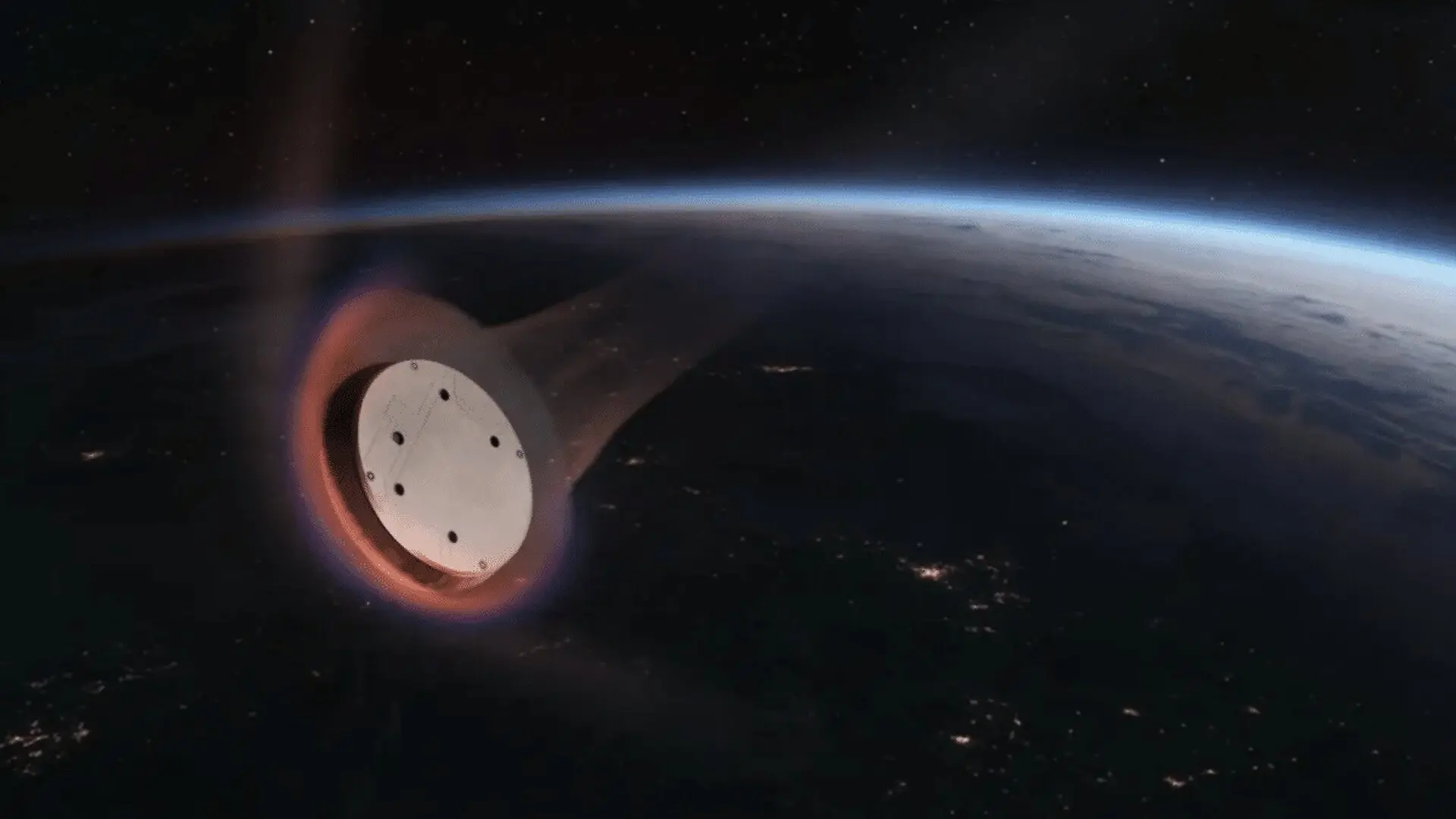
On June 23, SpaceX lifted off a Falcon 9 from Cape Canaveral Space Force Station carrying its inaugural Starfall re‑entry capsule. The mission, reported by Space.com, is intended to prove that research‑grade samples and manufactured goods can be routinely ferried back to Earth from orbit.
Starfall: A Cargo‑Only Return Vehicle
Unlike crewed ships such as Crew Dragon, Starfall is built solely for payload recovery. The capsule will transport materials into low‑Earth orbit – and potentially higher altitudes – before descending to a controlled ocean splash‑down, where the cargo can be retrieved for analysis, production or commercial use. SpaceX expects that demand for such return services will rise as more firms conduct experiments and manufacturing processes in space.
The launch also serves as a technology demonstrator, giving the company a chance to evaluate every phase of the flight, from liftoff through orbital operations, re‑entry preparation and final recovery. Exact mission length has not been disclosed.
— SpaceX (@SpaceX) June 23, 2026
How Starfall Stands Apart from Existing Return Capsules
The market for orbital return services remains niche but is gaining traction. Varda Space Industries, for example, has already demonstrated several successful trips with its compact W‑series capsules.
Starfall, however, is noticeably larger. Space.com notes that the vehicle spans roughly ten feet in diameter and can accommodate up to 2,200 pounds of cargo, a capacity that exceeds many of the commercial re‑entry platforms currently under development.
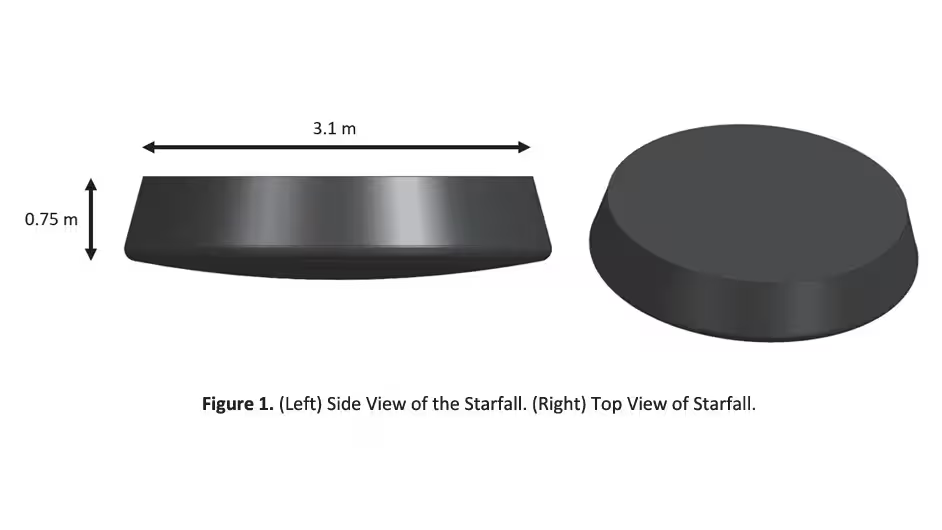
The capsule’s architecture splits into two sections: a payload bay equipped with attitude‑control hardware, and a carbon‑fiber heat shield that endures the intense heating of re‑entry. After atmospheric descent, the two halves separate, allowing parachutes to deploy and the craft to splash down safely.
A notable design choice is the omission of an onboard de‑orbit engine. Instead, mission planners will rely on the launch vehicle’s upper stage or other orbital‑mechanics techniques to set the capsule on a return trajectory, trimming weight and simplifying the system to maximize payload volume.
Should this approach prove reliable, Starfall could become an attractive option for customers needing larger return capacity than most existing solutions provide.
Why On‑Orbit Production May Need a Capsule Like Starfall
The push for manufacturing in microgravity stems from the belief that certain materials, biologics and pharmaceuticals can be synthesized more efficiently in space. In a weightless environment, many of the forces that limit product quality on Earth are absent, opening pathways to novel compounds and higher‑grade outputs.
Historically, the lack of dependable return vehicles has hindered commercial exploitation of these advantages. Starfall’s dedicated cargo‑return capability directly tackles that bottleneck, offering a straightforward route for finished products to reach terrestrial markets.
By establishing an end‑to‑end logistics chain – launch, in‑orbit processing, and recovery – SpaceX positions itself to support the growing ecosystem of private research stations, commercial habitats and orbital factories. The ripple effects could touch sectors from medicine to advanced materials engineering.
Falcon 9 Booster B1078 Adds Another Successful Landing
The Starfall demo rode a well‑used Falcon 9 booster that departed from Space Launch Complex 40 in Florida. The first stage, designated B1078, marked its 29th flight, having previously ferried astronauts on NASA’s Crew‑6 mission, launched U.S. military payloads and deployed numerous Starlink satellites.
After separating from the upper stage, the booster executed a controlled descent and touched down on the autonomous drone ship A Shortfall Of Gravitas in the Atlantic Ocean. This recovery underscores the maturity of SpaceX’s reusable launch system, a cornerstone of the company’s cost‑saving strategy.
Routine booster recoveries continue to lower launch expenses and enable ambitious projects like Starfall, pointing toward a future where access to space becomes increasingly affordable and sustainable.
Looking Ahead: The Next Phase for Starfall
Regulatory filings show that SpaceX plans a series of follow‑up flights to transition Starfall from testing to regular service. Each mission will gather data on critical stages such as atmospheric re‑entry and ocean retrieval, informing refinements for future commercial operations.
Open questions remain about mission duration, the variety of payloads customers will request and the speed at which the company can scale the offering. Nonetheless, the inaugural launch signals SpaceX’s intent to move beyond mere transportation and to foster a broader commercial space economy.
As interest in orbital manufacturing intensifies and research activities expand beyond government programs, dependable cargo‑return services like Starfall could become a pivotal component of the industry. With the first flight now in progress, SpaceX has officially entered the competition to provide that capability.
This article has been fact checked for accuracy, with information verified against reputable sources. Learn more about us and our editorial process.
Last reviewed on .
Article history
- Latest version
Cite this page:
- Posted by Karan Das