NASA threatens crew shelter in SpaceX Dragon after heated Russian ISS module standoff
Tense ISS standoff nearly led to evacuation before NASA and Russia struck a last‑minute deal on a damaged module.
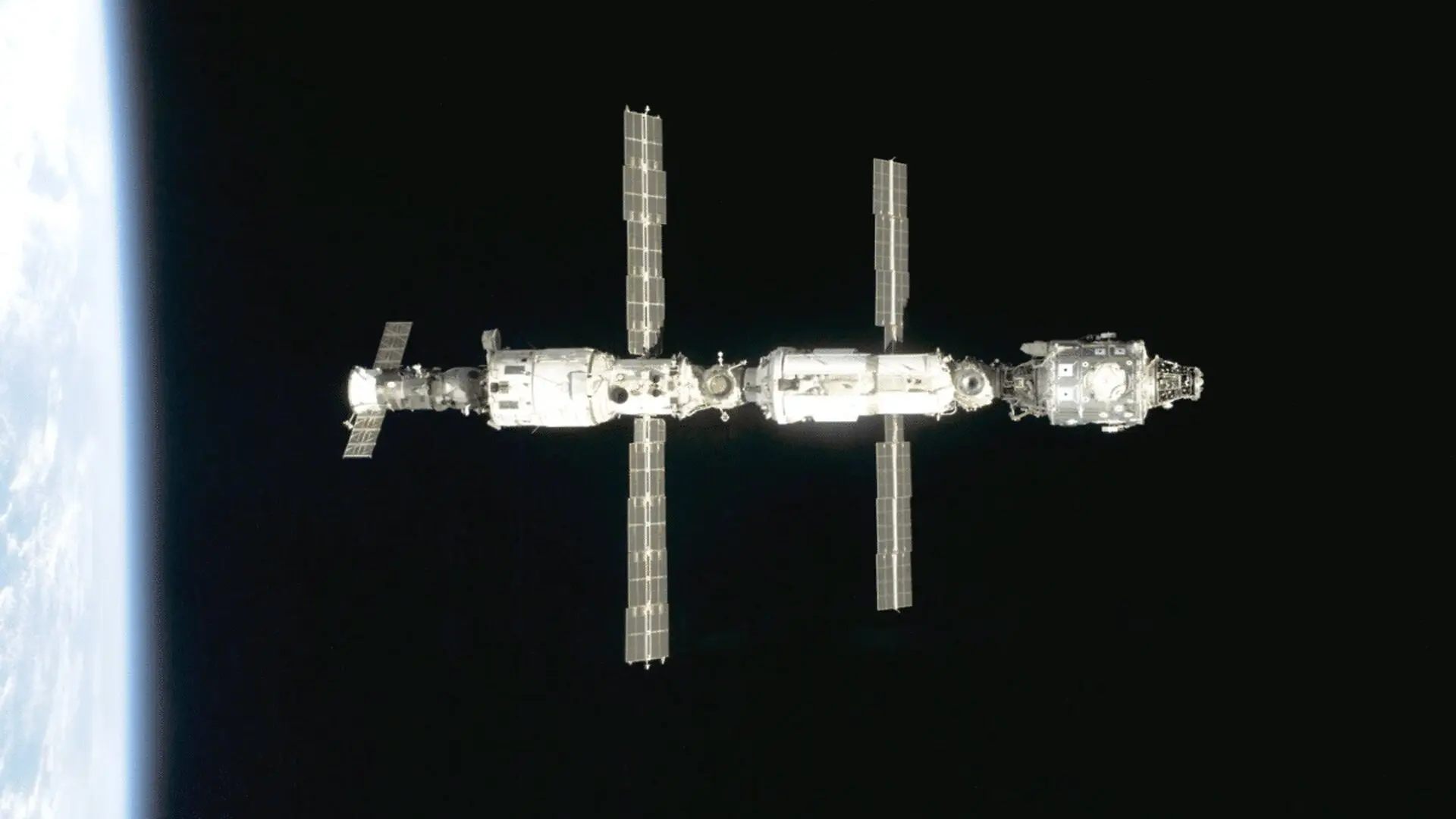
NASA and Roscosmos have been forced to reevaluate safety procedures on the International Space Station after a serious disagreement over a Russian segment with known structural problems, according to Ars Technica. The episode, which required crew to seek temporary refuge inside a SpaceX Dragon capsule, exposed both technical vulnerabilities and strained cooperation between the two agencies that jointly operate the orbiting laboratory.
Tensions Over the Compromised Russian Module
The issue centered on the PrK module, a Russian‑built portion of the station that has long been monitored for cracks and other wear. Ars Technica reported that Russian astronauts proceeded with on‑orbit repairs despite NASA’s safety objections, prompting NASA engineers to warn of a possible rapid depressurization if the work continued without coordination.
NASA officials said the lack of timely response from Roscosmos added urgency to the standoff. One NASA representative later recalled the moment, stating,
“We threatened we would put astronauts in suits, in Dragon, to send a message to world that we disagreed. They didn’t care.”
The comment highlights the seriousness of the operational conflict as it unfolded.
The clash underscored how maintenance on aging orbital hardware can quickly become a safety hazard when multiple national partners share responsibility. Even seemingly minor procedural disagreements can spiral when structural integrity is already in doubt.
Crew Shelters Inside Dragon as Precaution
In response to the escalating risk, NASA ordered the station’s crew to adopt a protective stance inside the docked Crew Dragon spacecraft. This measure placed astronauts in a ready‑to‑evacuate configuration, a contingency rarely employed except for potential sudden cabin depressurization or structural failure. The crew, which includes partners from other space agencies, followed coordinated emergency protocols.
A NASA source explained the rationale, noting,
“We felt there was a very high probability of a bad outcome happening if they sawed that bracket off. NASA’s decision to send its astronauts into a safe haven prompted Roscosmos to finally back off.”
Operations on the ISS were temporarily adjusted while both agencies reassessed the threat. The safe‑haven posture remained until the risk was deemed manageable, illustrating how Dragon now serves not only as transport but also as an on‑orbit refuge.
Resolution and Future Use of the PrK Segment
After negotiations, Russian officials agreed to cease intrusive work on the affected module and shift its role to support cargo and fluid transfer rather than crew habitation. This decision removes the PrK module from active human occupancy, reducing the chance of further high‑risk interventions.
NASA later confirmed a return to normal station activities, stating, “NASA strongly supported that decision, and as a result, following that decision, Crew-12 and Williams ended their safe haven activities and returned to standard operations aboard the orbiting laboratory.” The episode highlights the growing need for conservative handling of aging ISS hardware as it surpasses its original design lifespan.
This article has been fact checked for accuracy, with information verified against reputable sources. Learn more about us and our editorial process.
Last reviewed on .
Article history
- Latest version
Cite this page:
- Posted by Karan Das