Millions May See Aurora Borealis Over Northern U.S. and Canada This Weekend
A moderate geomagnetic storm may bring visible northern lights to parts of the northern US and Canada this weekend.
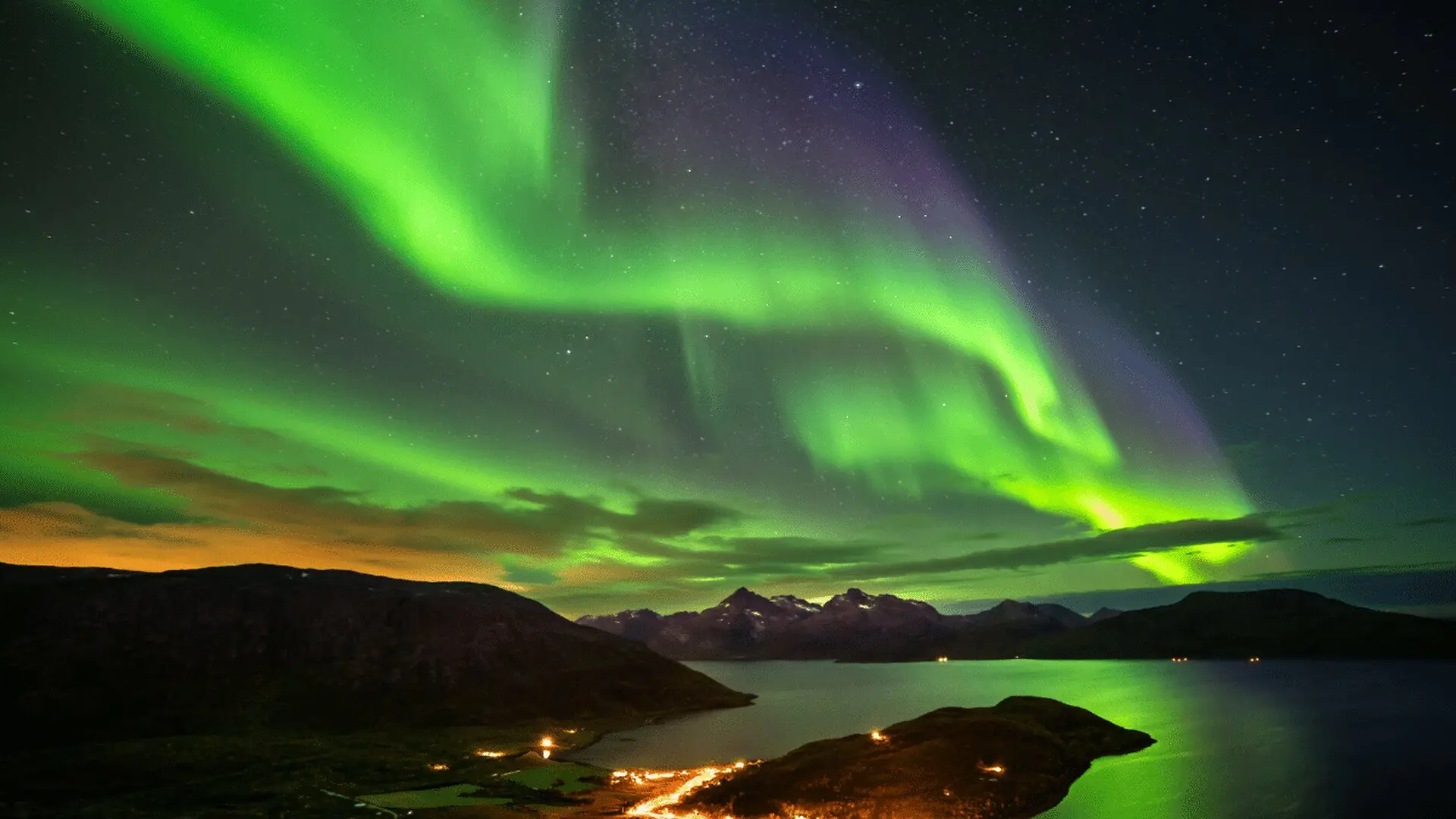
A new NOAA outlook points to a rare summer opportunity for millions of people across northern U.S. states and Canada to glimpse the aurora borealis from Friday through Sunday. The forecast hinges on a burst of solar activity that could push the shimmering curtains of light far enough south to be visible under dark, clear skies.
Weekend Solar Storm May Illuminate Northern Horizons
The NOAA Space Weather Prediction Center is projecting a G2‑level geomagnetic disturbance throughout the weekend. When charged particles from the Sun collide with Earth’s magnetic field, they trigger luminous displays that can span green, red, and occasional purple hues in the upper atmosphere. Model runs suggest the auroral oval could stretch across much of Canada and into the northern United States, offering a chance to see the lights without a trek to the Arctic.
While any space‑weather forecast carries inherent uncertainty, the current outlook indicates several windows of favorable conditions. The most intense activity is expected as the solar disturbance merges with a fast‑moving solar‑wind stream, a combination that tends to expand the auroral zone toward lower latitudes.
Regions With the Highest Viewing Potential
The forecast highlights the northern tier of the United States as the most promising area. Residents of Alaska, Washington, Idaho, Montana, North Dakota, Minnesota, Wisconsin and Michigan fall within or near the predicted aurora footprint. Local weather, cloud cover and light pollution will still dictate actual visibility; rural spots far from city lights provide the clearest outlook.
Even when the glow appears faint to the naked eye, modern smartphones can capture richer colors through long‑exposure modes. Observers should turn their attention to the northern horizon, where the aurora is most likely to manifest at these latitudes, and be prepared to spend a few hours outside after dark to catch any evolving activity.
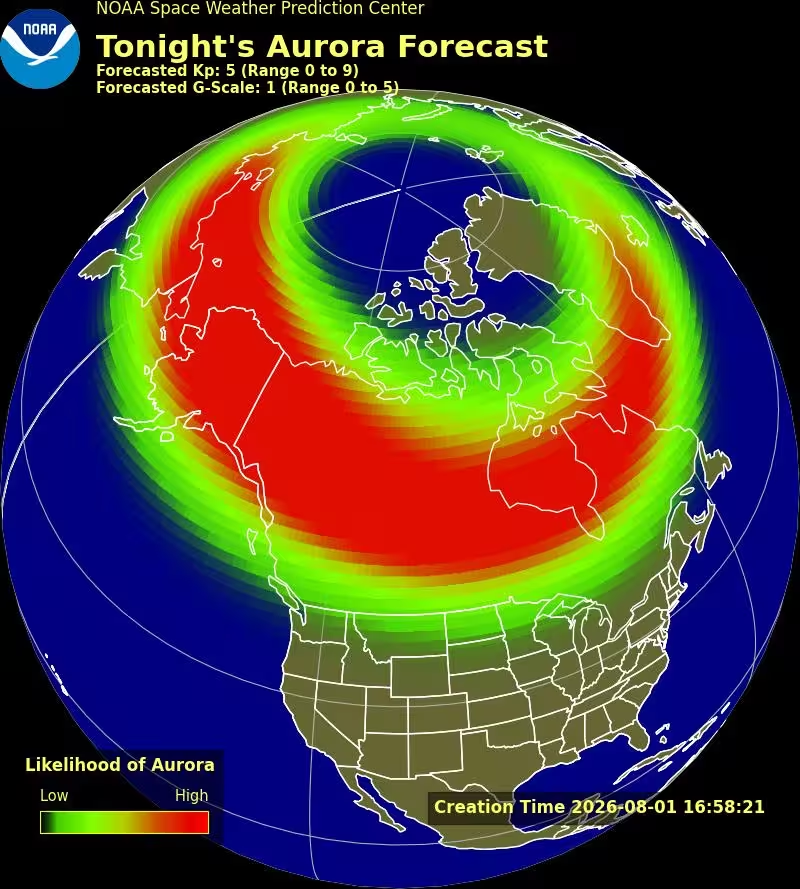
Solar Eruption Fuels This Weekend’s Light Show
The event is driven by a coronal mass ejection (CME) that erupted from the Sun, together with a high‑speed solar‑wind stream emanating from a coronal hole. Both phenomena inject energetic particles into interplanetary space, and when they encounter Earth’s magnetosphere they spark the geomagnetic activity that powers the aurora. Forecasts place the planetary Kp index near 5.7, a level associated with moderate storms capable of pushing auroral displays farther south.
Although the Sun officially passed its solar maximum in 2024, heightened activity continues as the current solar cycle slowly wanes. Such bursts are typical within an eleven‑year cycle, giving scientists repeated chances to examine how solar weather interacts with Earth’s magnetic shield.
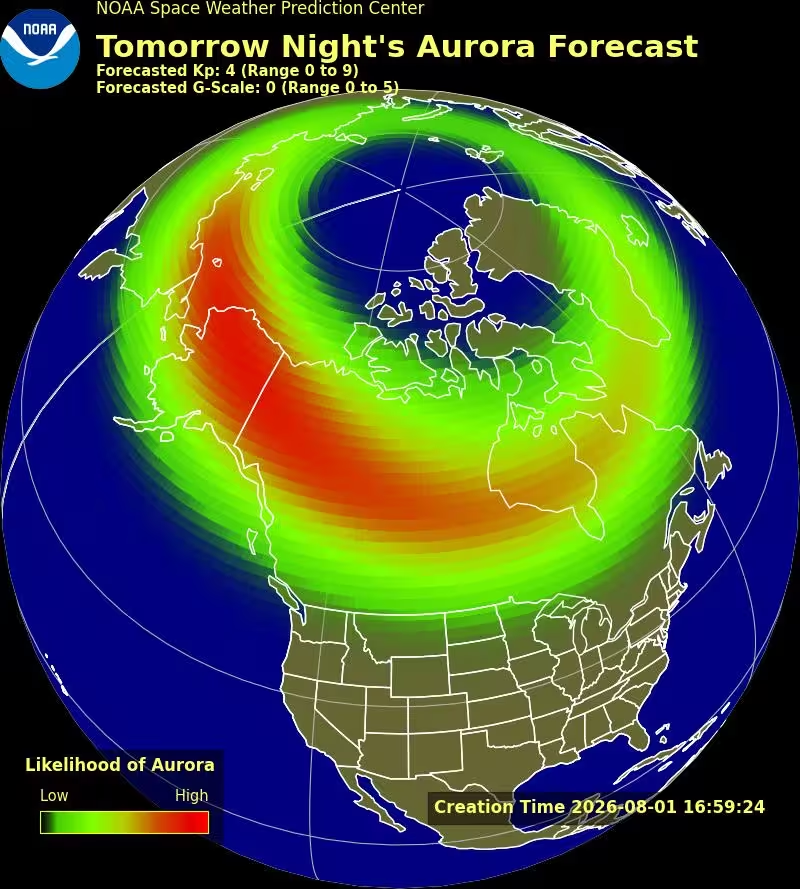
Practical Tips for Summer Aurora Hunting
Successful viewing hinges on a dark site, an unobstructed view of the northern sky, and clear weather. While a near‑full Moon may lessen contrast, strong geomagnetic activity can still produce visible displays despite lunar illumination. Patience is essential, as auroral intensity can vary dramatically over the course of an evening.
Photographers aiming to capture the event should stabilize their devices on a tripod and engage night‑mode or long‑exposure settings. Even subtle glows can blossom into vivid colors in the camera’s sensor. Keeping an eye on NOAA’s real‑time 30‑minute aurora forecast throughout the night offers the best chance to time observations with peak activity.
This article has been fact checked for accuracy, with information verified against reputable sources. Learn more about us and our editorial process.
Last reviewed on .
Article history
- Latest version
Reference(s)
- “Aurora for Tonight and Tomorrow Night (Experimental) | NOAA / NWS Space Weather Prediction Center.” <https://www.spaceweather.gov/products/aurora-viewline-tonight-and-tomorrow-night-experimental>.
Cite this page:
- Posted by Karan Das