Scientists Deploy Swarm of Spacecraft to Study Apophis as It Skims Earth in 2029
Multiple spacecraft missions are being readied to study asteroid Apophis during its rare 2029 Earth flyby.
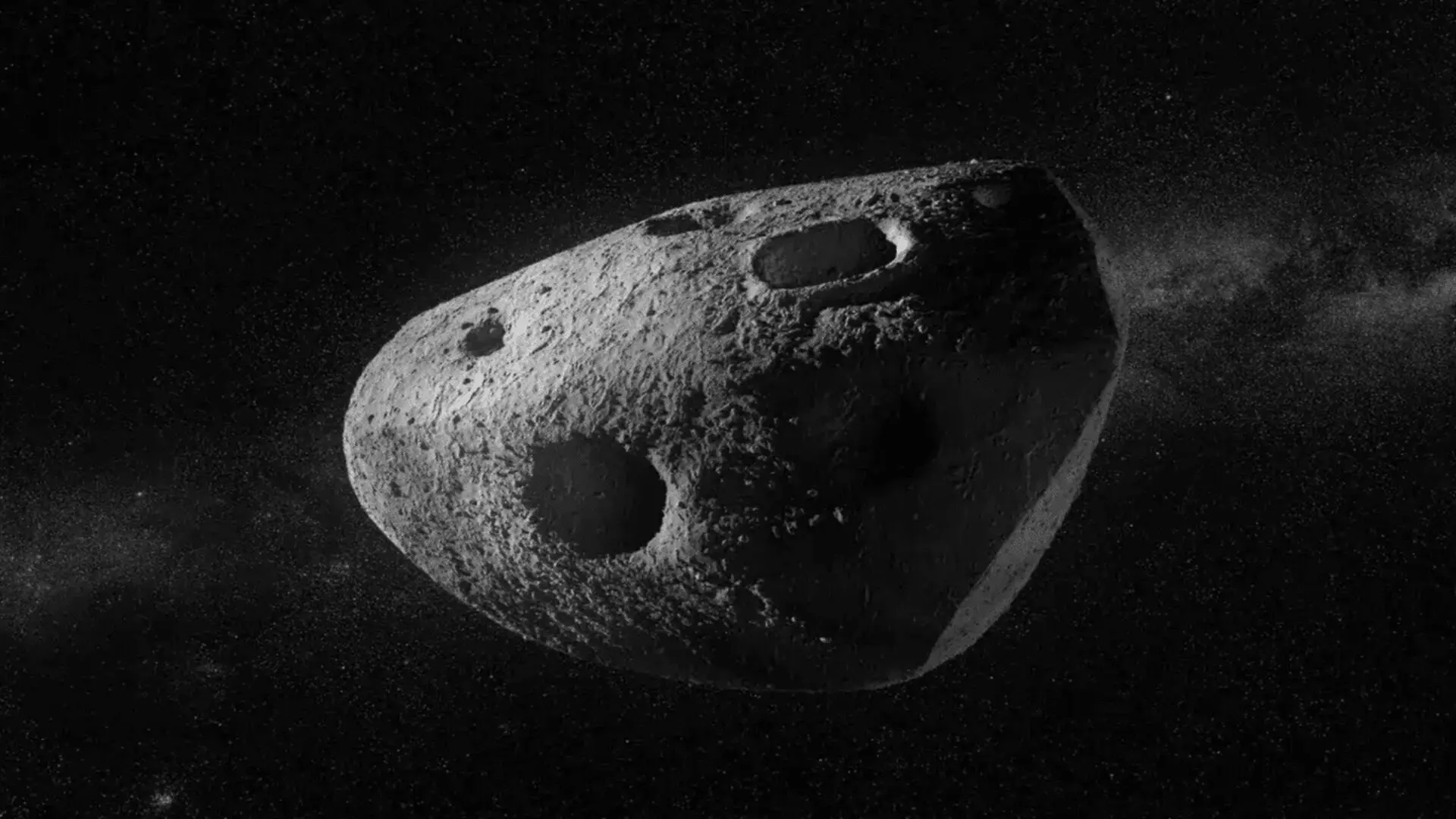
A fleet of spacecraft concepts is being shaped to capture data on asteroid Apophis during its close approach to Earth in 2029, providing a rare chance to study a near‑Earth object in unprecedented detail.
2029 Flyby Brings Asteroid Within Satellite Orbit
Asteroid 99942 Apophis is slated to skim past Earth on April 13, 2029, passing roughly 31,000 km above the surface—closer than many geostationary satellites. Updated orbital calculations confirm that the asteroid poses no impact threat during this encounter, overturning earlier concerns about potential future collisions.
Rather than attempting to divert the object, scientists view the event as a natural experiment, aiming to record its structural response, motion, and interaction with Earth’s gravity. Insights gleaned could refine models of asteroid formation, internal makeup, and the dynamical forces that shape them over time.
Multimission Strategy Aims for Full‑Scale Characterisation
At a recent workshop dedicated to the upcoming encounter, researchers outlined a coordinated observation campaign that would deploy several spacecraft to view Apophis from multiple perspectives. Instruments are expected to map surface features, monitor rotation, detect any shape alterations, and assess gravitational interactions as the asteroid traverses Earth’s vicinity.
The data set collected could prove pivotal for planetary‑defence initiatives. While Apophis itself is not hazardous, understanding its behaviour will help scientists predict how comparable near‑Earth asteroids might react during close passes, enhancing risk‑assessment tools.
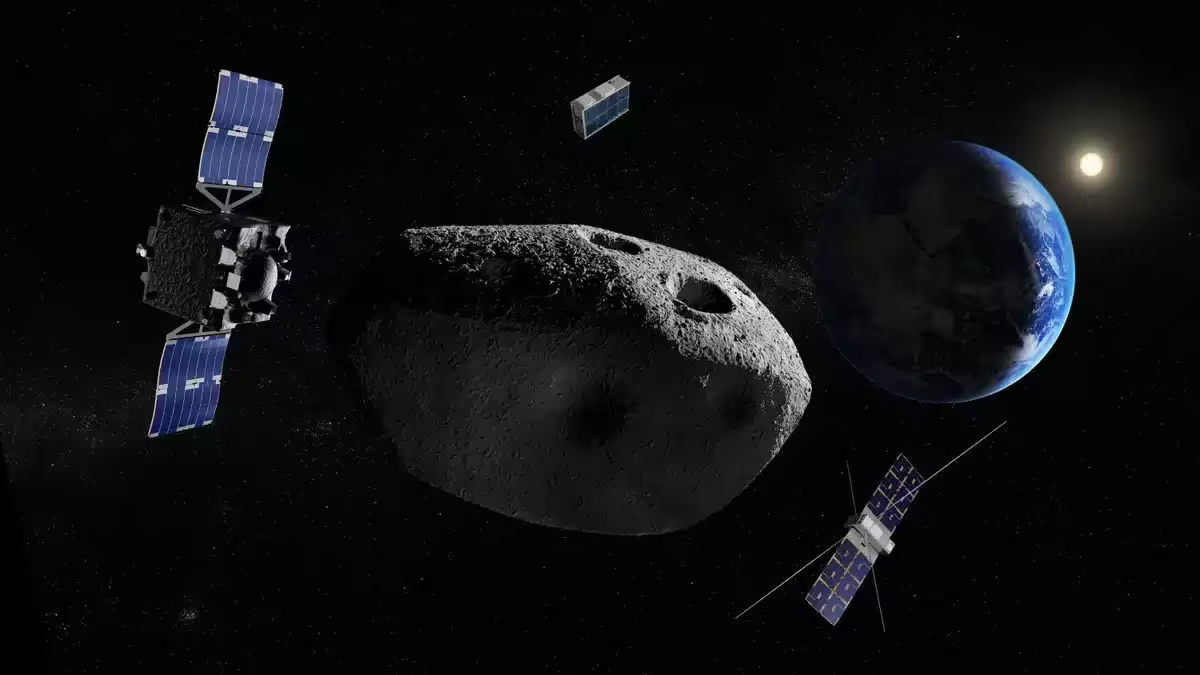
Scientific American notes that the emerging approach resembles a coordinated observation network rather than a single‑probe mission, with each spacecraft contributing complementary measurements.
Asteroid specialist Richard Binzel highlighted the unexpected scientific payoff during the workshop’s third session in Padua, Italy. “It’s astounding,” he remarked. “It looked like nothing was happening… Now we’re thinking about ‘air traffic control’ for Apophis.”
Earth’s Gravity Provides a Unique Laboratory
The flyby will let researchers monitor subtle gravitational effects on Apophis, offering a chance to detect physical changes that reveal its internal structure and composition. Small variations in surface morphology or spin rate could illuminate the forces that act on asteroids throughout the solar system and how repeated planetary encounters drive their evolution.
“This is an experiment Earth provides for us… All we have to do is put an instrument there,” said mission planner DeMartini, underscoring the shift toward treating near‑Earth asteroids as scientific targets rather than merely threats.
Safety Assured as Observation Plans Advance
Despite intense media interest, experts stress that Apophis will pass safely, with no collision risk. Decades of precise tracking have narrowed its trajectory to a high degree of confidence.
“Apophis will safely pass the Earth,” Binzel reiterated during his remarks, emphasizing the encounter’s role as a demonstration of coordinated asteroid monitoring rather than an emergency scenario.
When Apophis traverses Earth’s neighborhood in 2029, it will become one of the most thoroughly observed asteroids ever, and the resulting dataset could shape asteroid research for years to come, deepening our understanding of the small bodies that share our cosmic neighborhood.
This article has been fact checked for accuracy, with information verified against reputable sources. Learn more about us and our editorial process.
Last reviewed on .
Article history
- Latest version
Reference(s)
- Jones, Andrew. “Spacecraft will swarm asteroid Apophis during fateful 2029 Earth flyby.”, July 30, 2026 Scientific American <https://www.scientificamerican.com/article/spacecraft-will-swarm-asteroid-apophis-during-fateful-2029-earth-flyby/>.
Cite this page:
- Posted by Karan Das