Ancient Mammoth Bone Structures Used for Centuries Reveal Secrets of Ice Age Survival
A groundbreaking new dating technique has finally revealed the true purpose of an ancient mammoth-bone site, settling a long-standing scientific debate.
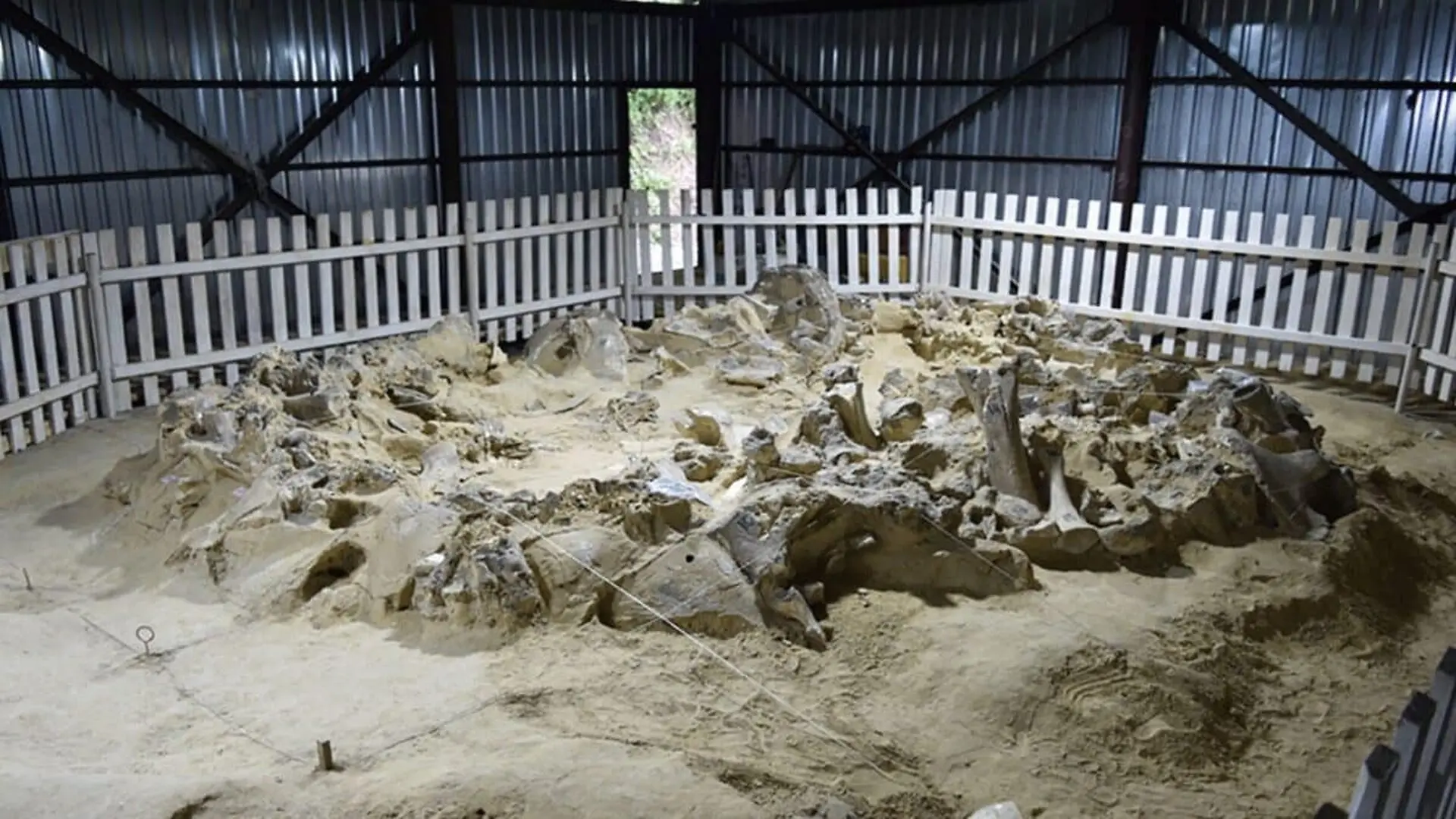
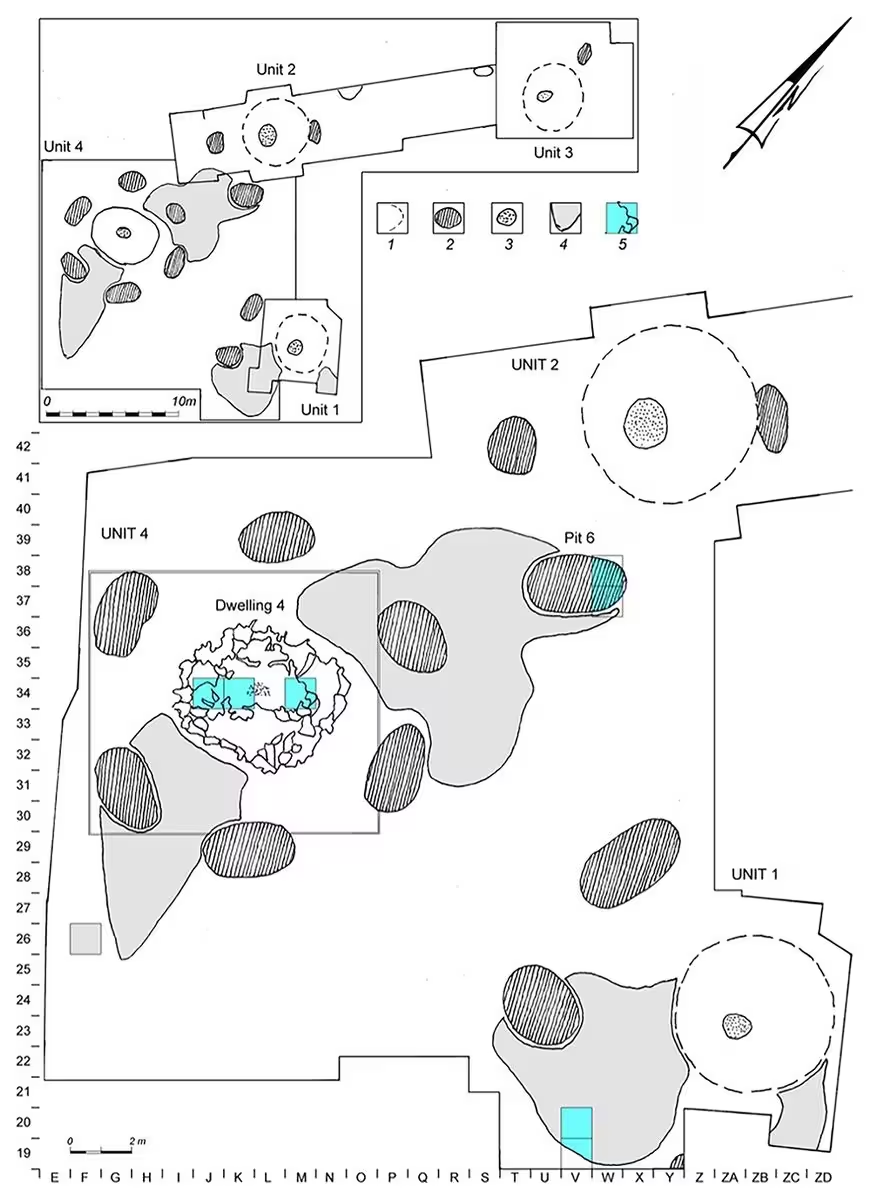
Archaeologists working in the Middle Dnieper Basin of central Ukraine have uncovered new evidence regarding the enigmatic circular structures composed of woolly mammoth remains. The site, located in the Cherkasy oblast, features four distinct constructions—labeled MBS 1 through MBS 4—that range in size from 12 to 24 square meters and utilize hundreds of mammoth bones and tusks. Recent findings, published in Open Research Europe, indicate that at least one of these structures remained in use for a remarkable 429 years.
Refining the Timeline of Ice Age Habitation
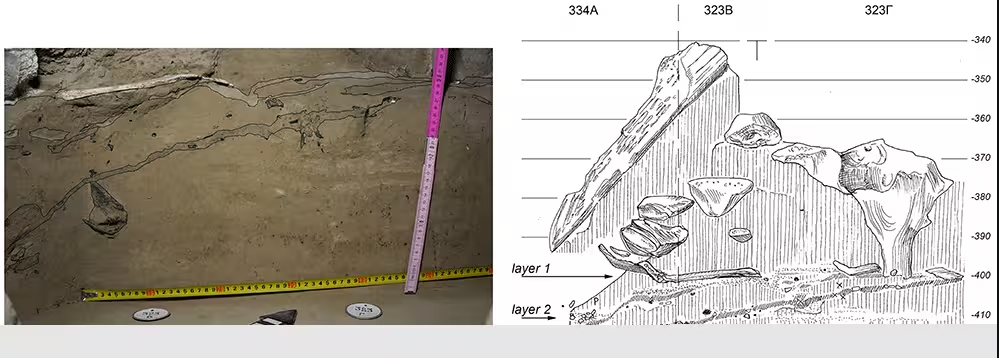
A research team led by Wei Chu of Leiden University utilized an innovative dating strategy to clarify the chronology of these sites. Rather than relying on the mammoth bones themselves, which can yield inconsistent chronological data, the researchers analyzed the remains of small mammals found within the same archaeological strata as the MBS 4 structure. This method provided a much sharper temporal window, placing the use of the structure between approximately 18,248 and 17,764 years ago.
This date is significant because it aligns with the Late Pleniglacial, a period marked by extreme environmental volatility and some of the coldest conditions of the last Ice Age. By anchoring the structure within this specific timeframe, scientists can better understand how these prehistoric communities navigated one of the most hostile climates in human history.
Intermittent Occupation Over Generations
While the 429-year span of usage might imply a permanent, continuously occupied settlement, the research team cautions against such an interpretation. Instead, the evidence suggests that these sites were likely utilized sporadically over several centuries. The authors of the study note that the occupation was not constant, but rather the result of single or occasional visits that spanned generations. This indicates that the bone structures were practical, resilient solutions for survival in an unforgiving landscape, rather than traditional sedentary dwellings.
Resilience in a Hostile Environment
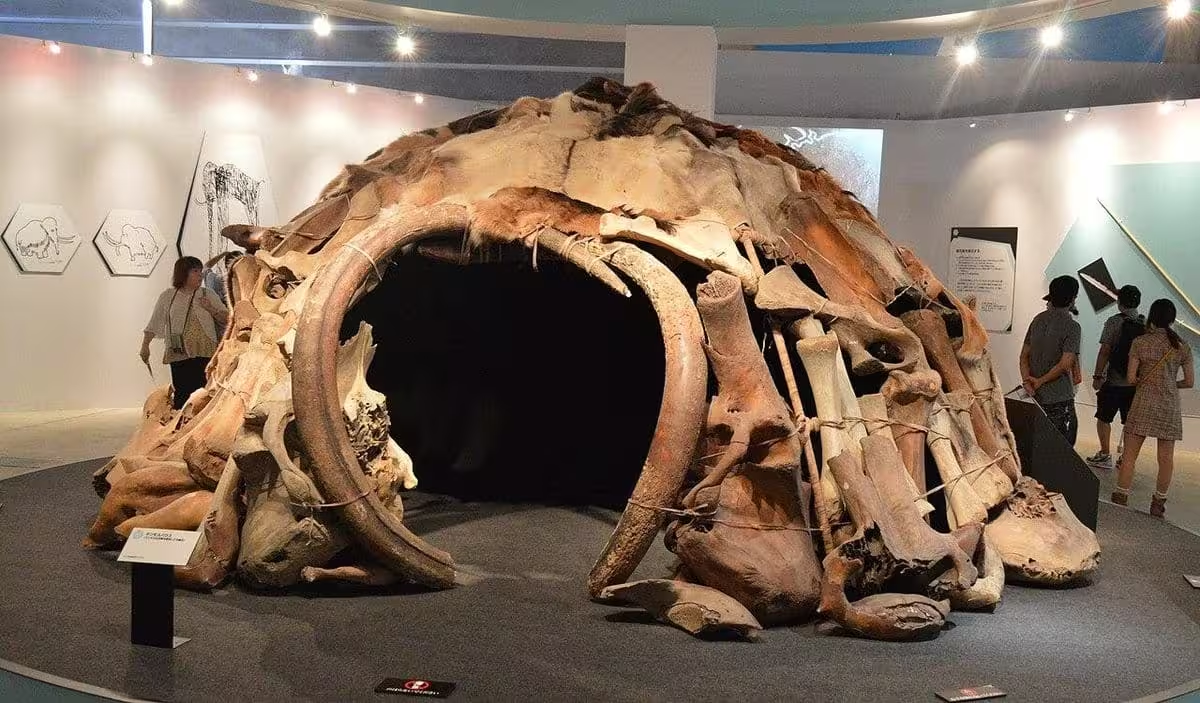
The Mezhyrich site challenges long-held assumptions regarding the capabilities of Ice Age populations. By repurposing the remains of extinct megafauna into complex protective architecture, these early humans demonstrated an sophisticated level of environmental knowledge and technical ingenuity. The study highlights that these societies were dynamic and highly adaptable, maintaining connections to specific, trusted locations across vast stretches of time.
“As dating methods become more precise, sites like Mezhyrich continue to challenge our assumptions about prehistoric life,” the researchers stated. “Far from being static, these societies were dynamic, resourceful, and deeply connected to their environment, a lesson that still resonates today.”
This article has been fact checked for accuracy, with information verified against reputable sources. Learn more about us and our editorial process.
Last reviewed on .
Article history
- Latest version
Cite this page:
- Posted by Hassan Raza