Tiny Thai Dragon Named After Game of Thrones Threatened by Habitat Loss
New mountain horned dragon species Acanthosaura syrax discovered in Thailand’s Mae Wong National Park, named after a House of the Dragon dragon.
Researchers have identified a new member of the Acanthosaura genus, a group of horned lizards that inhabit mountainous regions of Asia. The addition raises the total count of recognized species in the genus to twenty‑three, according to Tech Explorist. The newly documented reptile appears to be confined to evergreen forest patches situated above 1,300 meters, a narrow range that scientists warn could make it vulnerable to habitat degradation.
Tiny Highland Horned Lizard Shows Unique Morphology
Acanthosaura syrax ranks among the smallest representatives of its genus. It possesses the shortest neck and dorsal crest recorded for Acanthosaura, resulting in a markedly reduced spine series compared with its congeners. Its overall hue and patterning further separate it from related species, lacking the characteristic black eye‑spot seen in some mountain horned dragons and instead displaying a dark band encircling the neck.
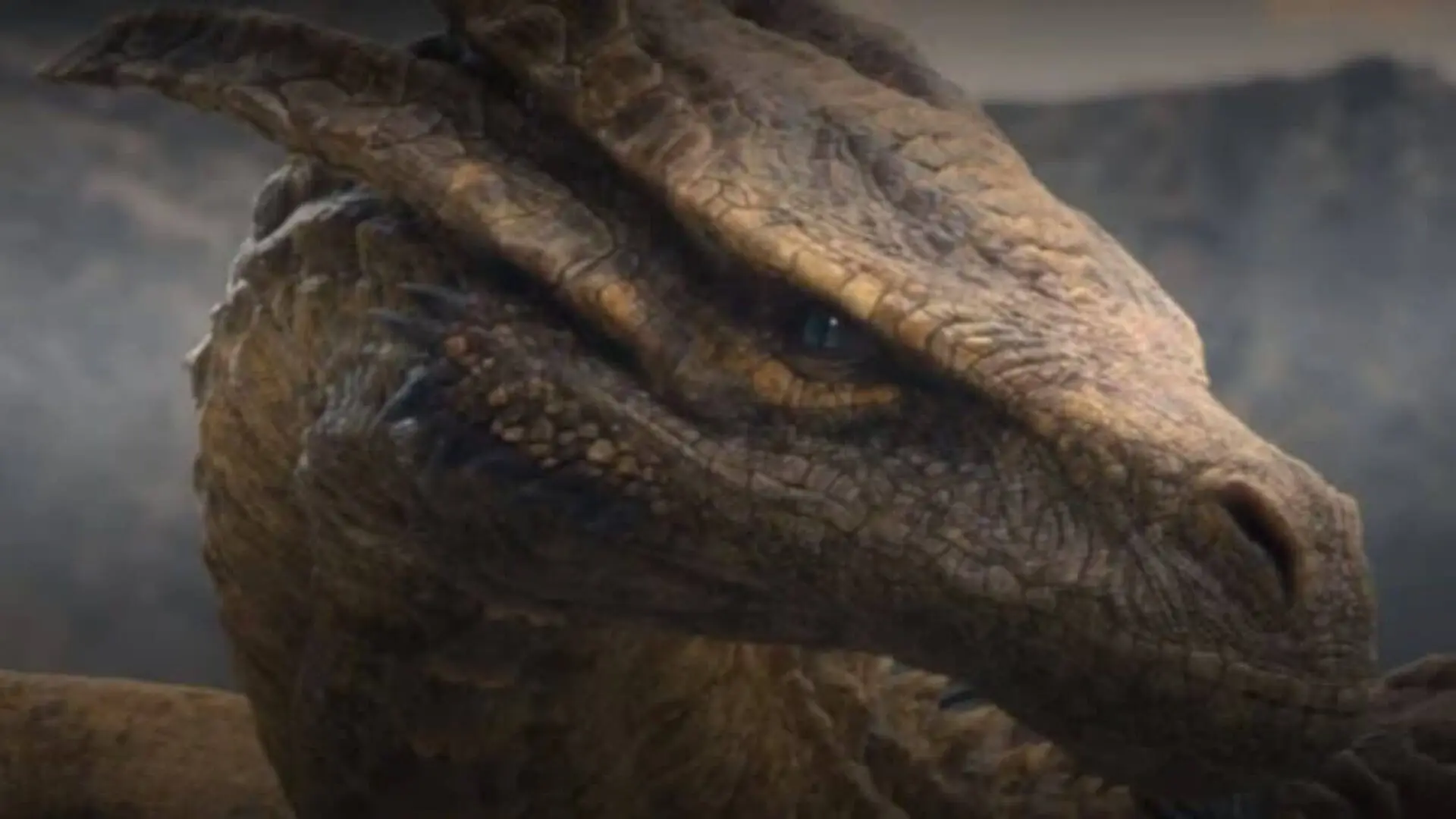
The species name draws inspiration from Syrax, the mythical dragon linked to Queen Rhaenyra Targaryen in House of the Dragon. Researchers highlighted several parallels between the lizard and its fictional counterpart, including a yellow‑green tint, modest body size and an unusually large egg clutch.
Beyond external traits, the team examined DNA from two mitochondrial genes, ND2 and COI, to compare the specimens with other Acanthosaura species. The genetic analysis revealed clear separation from the closest relative, A. lepidogaster, with pairwise divergences ranging between 14 % and 28 %, while variation among the new specimens themselves was minimal.
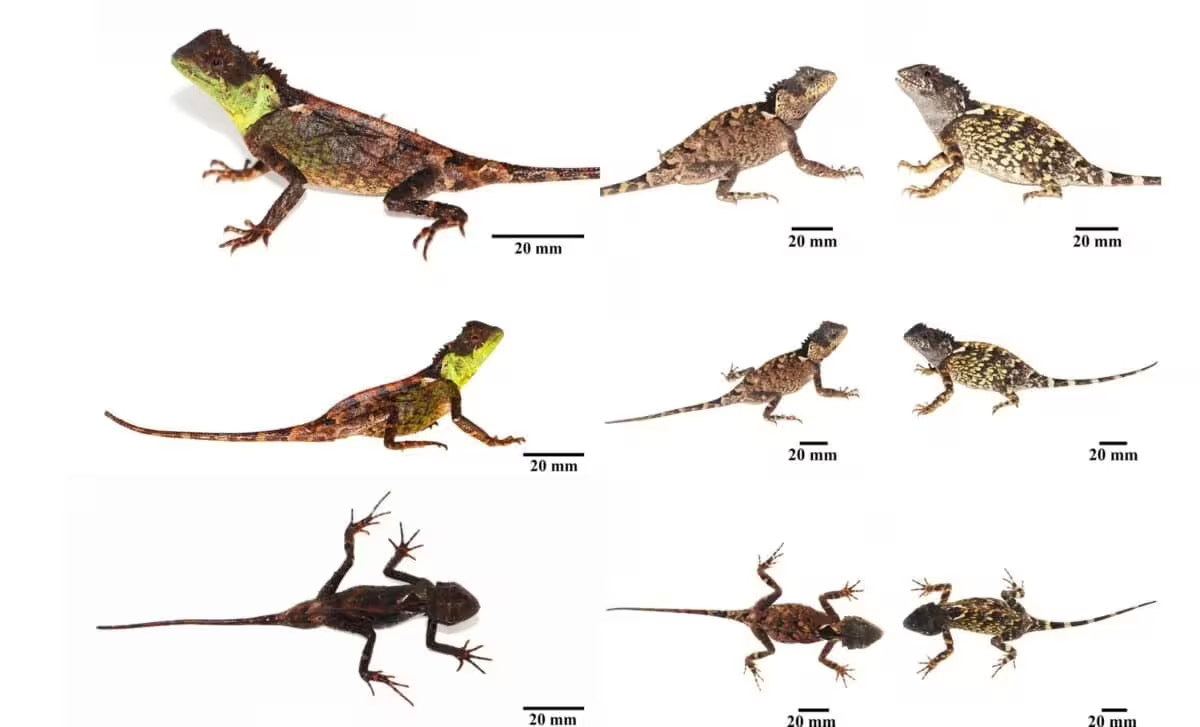
The convergence of morphological distinctiveness and molecular evidence supported the formal recognition of the lizard as a separate evolutionary line. The species description was published by Poramad Trivalairat, Krittiya Trivalairat, Nawee Moungkhaek, Simon Caponov and Benchapol Lorsunyaluck in the peer‑reviewed journal ZooKeys.
Limited Alpine Habitat Triggers Conservation Alarm
Field observations indicate that A. syrax inhabits rugged, high‑altitude forest zones in western Thailand, specifically above 1,300 meters within the Mae Wong region. Suitable terrain is fragmented into isolated patches rather than forming a continuous expanse.
Such a naturally patchy distribution may heighten the species’ susceptibility to environmental change, as populations confined to a narrow ecological niche depend heavily on the persistence of their forested environment.
The discovery adds to the rich tapestry of wildlife documented in Mae Wong National Park, which also shelters the Asian forest tortoise, Oldham’s leaf turtle and the Indochinese tiger, among other rare fauna.
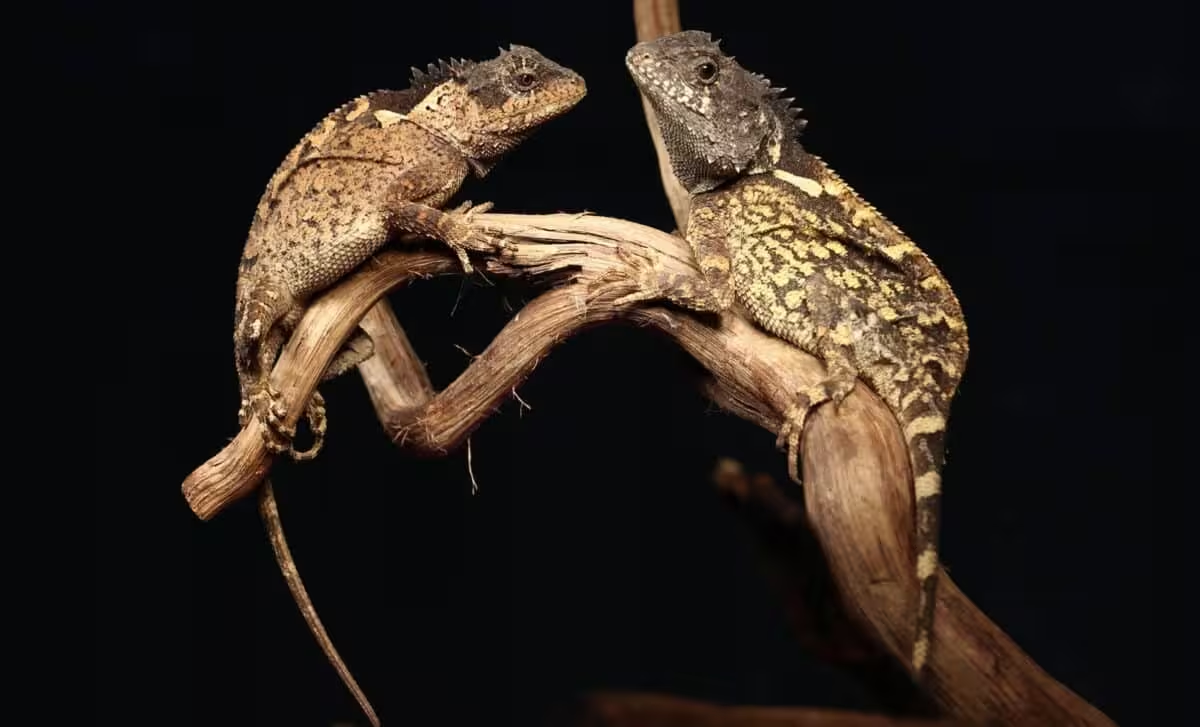
Scientists are urging enhanced protection of the Mae Wong forest complex and propose that A. syrax could serve as a flagship species, drawing attention to the broader conservation needs of the high‑elevation ecosystem.
Current knowledge about the lizard remains closely tied to its type locality. Its diminutive size, reduced crest, distinctive neck band and pronounced genetic divergence from other mountain horned dragons collectively justify its status as a newly identified species.
While the name evokes a popular fantasy dragon, the taxonomic work rests on rigorous measurements, observable traits and DNA data. In the mist‑laden woods of western Thailand, Acanthosaura syrax stands as a genuine addition to the region’s biodiversity.
This article has been fact checked for accuracy, with information verified against reputable sources. Learn more about us and our editorial process.
Last reviewed on .
Article history
- Latest version
Reference(s)
- Trivalairat, Poramad. “Acanthosaura syrax sp. nov., a new species of mountain horned dragon from high-elevation habitats of western Thailand (Squamata, Agamidae).”, vol. 1287, July 31, 2026, pp. 47-76. Pensoft Publishers, doi: PropertyValue. <https://zookeys.pensoft.net/article/186636/>.
Cite this page:
- Posted by Hassan Raza