Spot Comet 10P Tempel This Summer: When and Where to See the Faint Ice Visitor
Comet 10P/Tempel returns to the inner solar system, offering a rare chance for astronomers to observe this historic icy visitor.
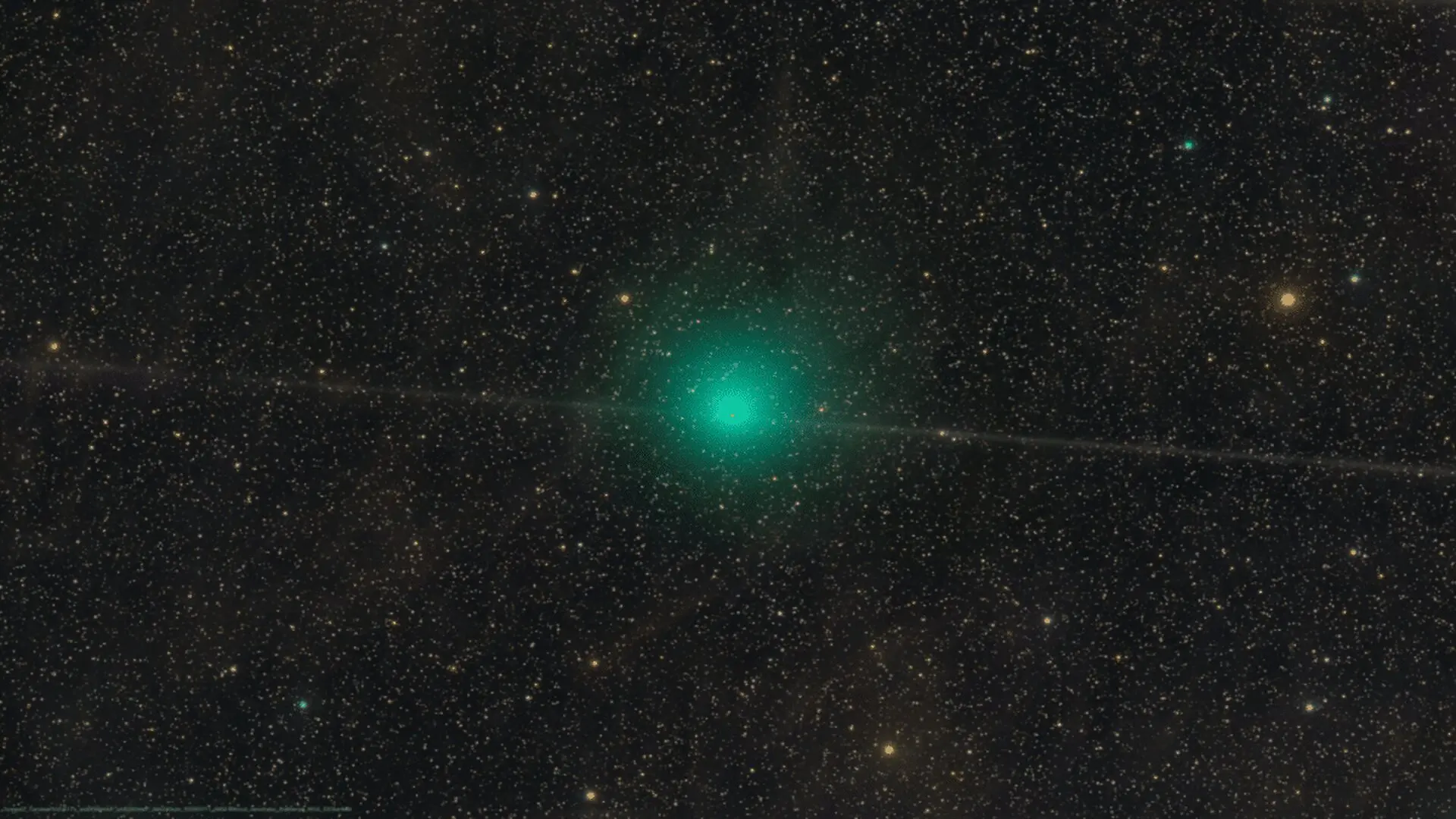
NASA has announced that comet 10P/Tempel will once again traverse the inner solar system, offering astronomers and hobbyist observers a fresh chance to monitor a living relic of the early solar system.
Best Viewing Window in Late July‑Early August 2026
The comet reaches its closest approach to Earth in the first days of August, passing roughly 0.414 AU (about 62 million km) on 3 August 2026. It will have just cleared perihelion—the point nearest the Sun—on 2 August 2026, brightening to around magnitude +8. This level of illumination makes it suitable for binoculars or modest telescopes, with the object appearing in the pre‑dawn sky over the constellations Capricornus and later Piscis Austrinus. After mid‑August the comet will dim, slipping below magnitude +10 by mid‑September as it recedes from both Earth and the Sun.
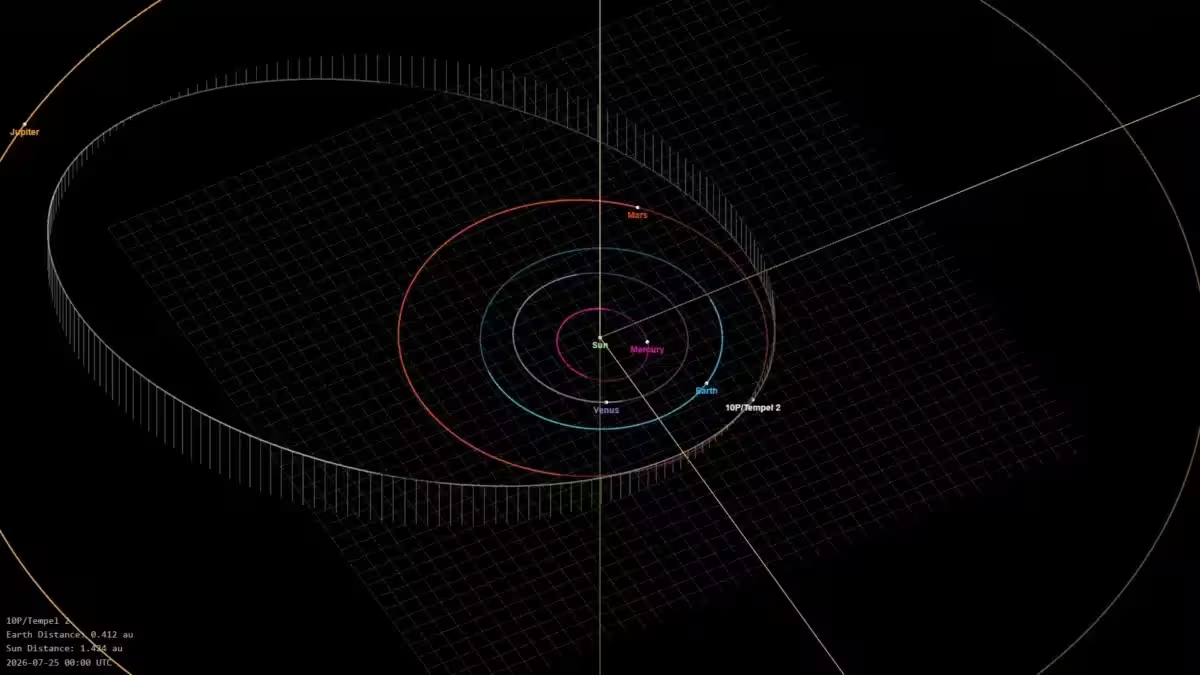
NASA’s Ongoing Comet‑Monitoring Program
In a statement on the agency’s website, NASA highlighted the scientific value of repeated comet observations, noting that these bodies retain pristine material from the solar system’s formation epoch. While 10P/Tempel has not been the focus of a dedicated spacecraft mission, its regular returns allow researchers to track changes in brightness, activity, and orbital parameters, feeding into models of cometary evolution under solar heating.
Amateur astronomers also benefit from NASA‑issued alerts and sky‑watching guides, which outline optimal equipment, timing, and dark‑sky locations for spotting faint comets like 10P/Tempel.
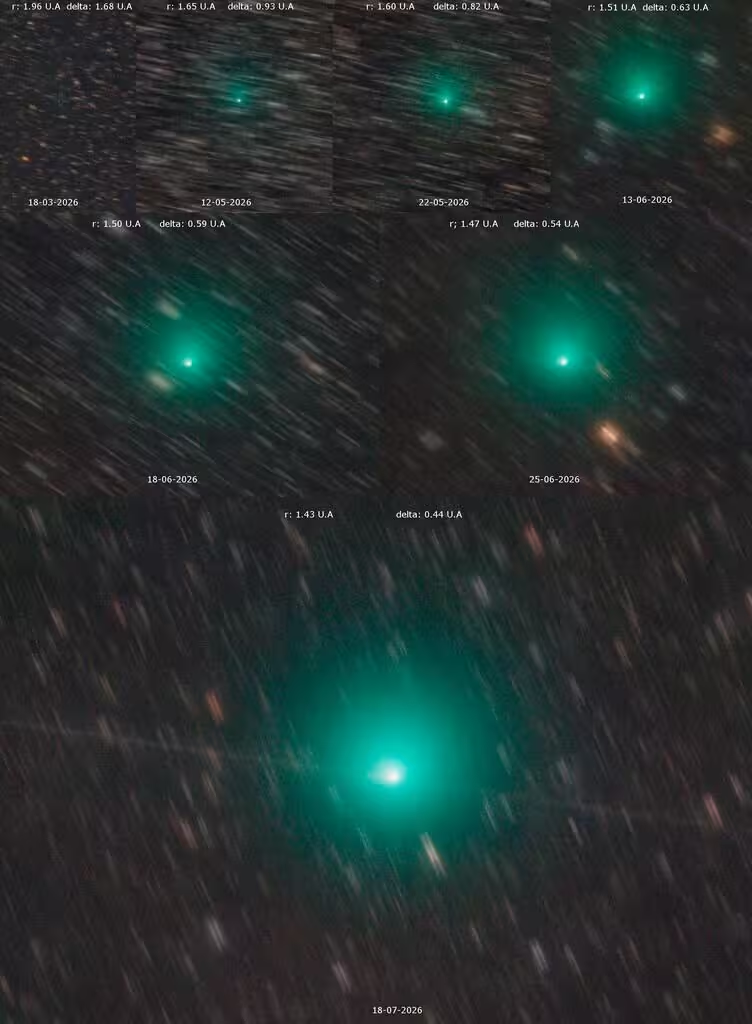
A Century‑Old Discovery and Its Modern Relevance
German astronomer Wilhelm Tempel first recorded the comet in 1873 from the Marseille Observatory in France. Since that initial sighting, the object—sometimes referred to as Tempel 2—has completed dozens of revolutions around the Sun, classifying it as a short‑period comet with an orbital period of roughly five years.
The comet follows a relatively tight orbit compared with long‑period comets that may take millennia to return. This predictable schedule enables astronomers to compare observations across decades, assessing how repeated solar exposure modifies the icy nucleus, sublimates volatile compounds, and reshapes the surrounding coma and tail.
Studying objects like 10P/Tempel helps scientists piece together the life cycles of small bodies that are remnants of the solar system’s primordial material, shedding light on the processes that governed planetary formation.
Why This Return Matters to the Amateur Community
Even though 10P/Tempel will not produce a dramatic naked‑eye spectacle, its faint glow offers a rewarding challenge for skywatchers equipped with binoculars or small telescopes. Successful spotting demands clear, dark skies, accurate star charts, and timing aligned with the comet’s pre‑dawn arc.
Observing a comet that has been logged by astronomers for more than a hundred years creates a tangible link between past and present research, reminding enthusiasts that the night sky is a dynamic arena where ancient objects continue to evolve.
This article has been fact checked for accuracy, with information verified against reputable sources. Learn more about us and our editorial process.
Last reviewed on .
Article history
- Latest version
Reference(s)
- “APOD: 2026 July 17 – The Dust Trail of Comet Tempel 2.” <https://apod.nasa.gov/apod/ap260717.html>.
Cite this page:
- Posted by Aisha Ahmed