Astronomers Detect First True Sugar in a Galactic Center Molecular Cloud
Scientists detect erythrulose, a true sugar, in a molecular cloud near the Galactic Center – the first confirmed interstellar sugar discovery.
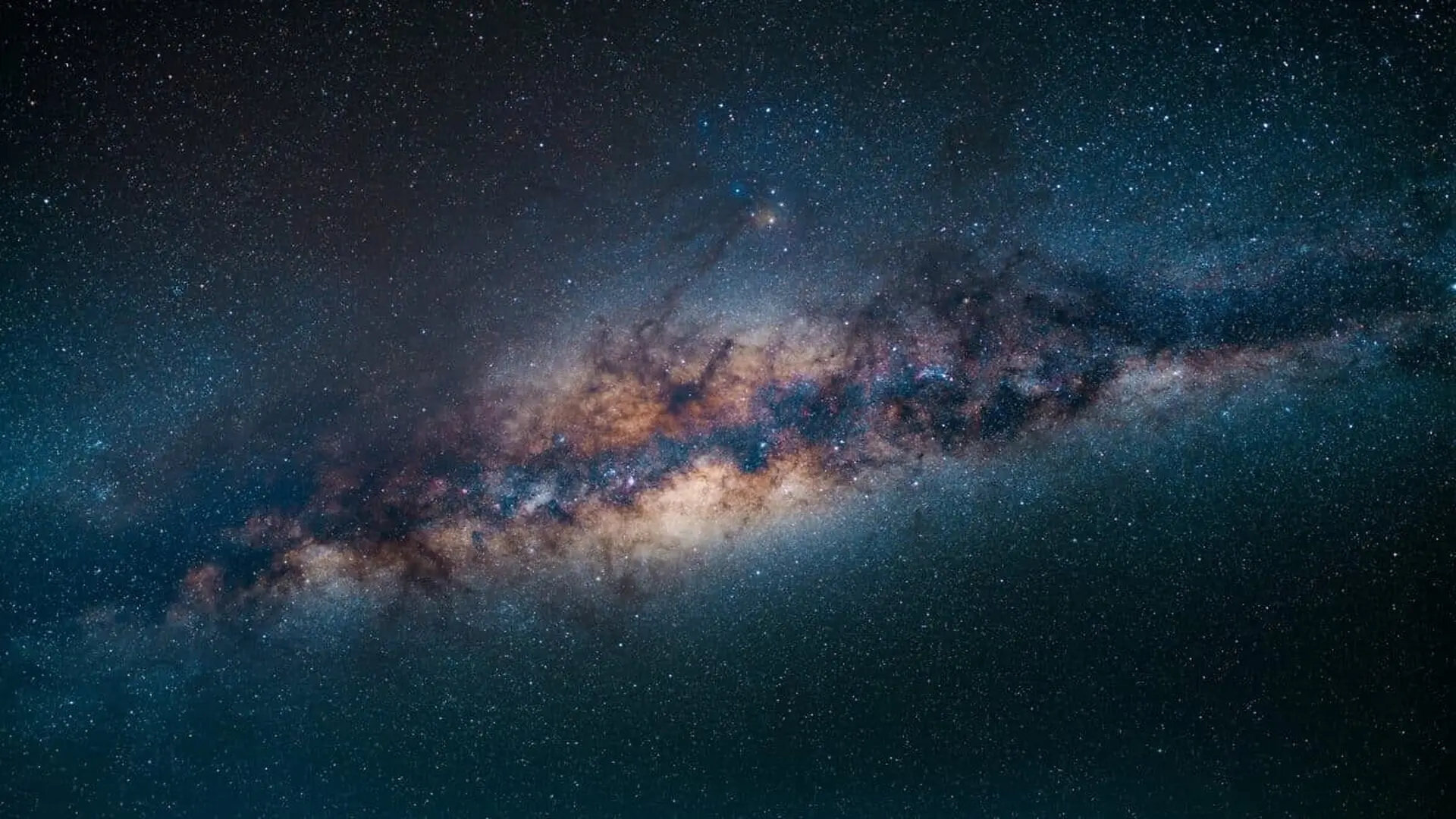
Astronomers have now identified erythrulose—a four‑carbon sugar that naturally occurs in raspberries—in the interstellar medium. While the molecule’s presence does not prove extraterrestrial life, it demonstrates that increasingly intricate compounds relevant to prebiotic chemistry can arise long before planets form.
For decades, researchers have catalogued hundreds of organic molecules drifting between the stars, yet a bona fide sugar had never been spotted floating in space. Earlier discoveries of ribose and glucose in meteorite fragments and samples from asteroid Bennu hinted at sugar‑like chemistry, but a direct detection in the void remained elusive. This breakthrough fills that gap and bolsters the notion that key ingredients for early biology may have been forged in space and later incorporated into comets and asteroids.
Interstellar Cloud Yields First Genuine Sugar
An international collaboration headed by astronomer Izaskun Jiménez‑Serra of Spain’s Center for Astrobiology reported the find in the molecular cloud G+0.693‑0.027, situated near the Galactic Center roughly 27,000 light‑years from Earth. According to ZME Science, this cloud ranks among the Milky Way’s richest reservoirs of complex molecules and has already produced several compounds of prebiotic interest.
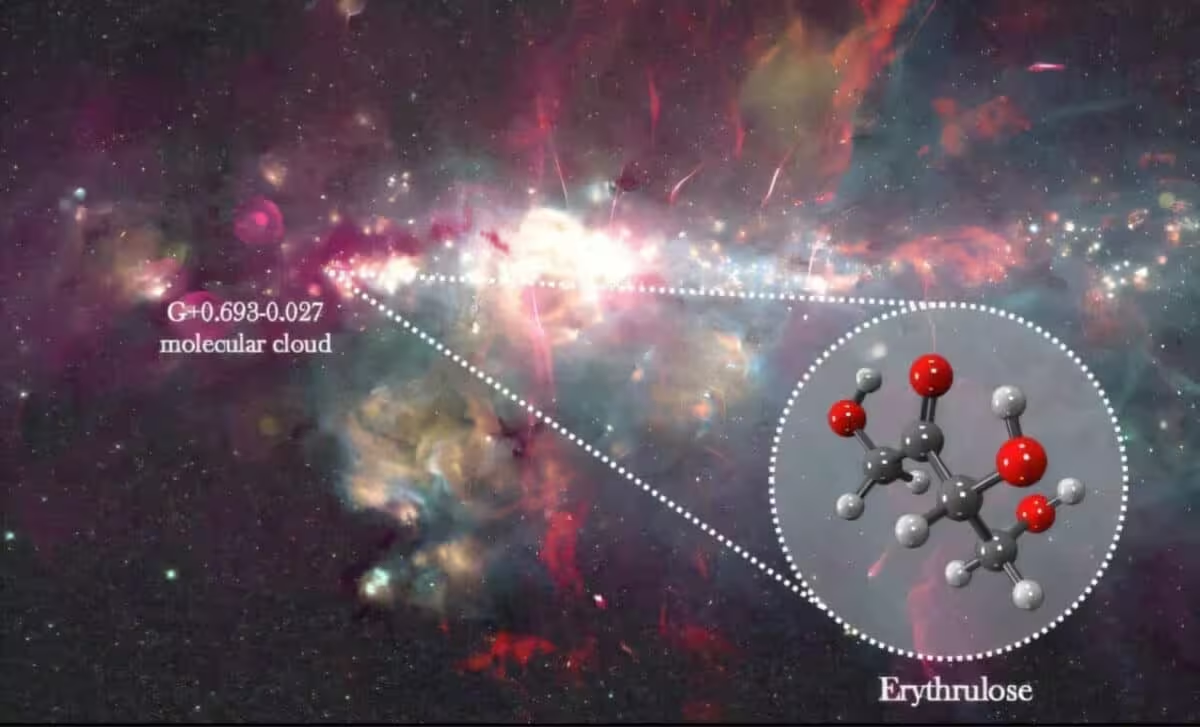
Erythrulose contains four carbon atoms, placing it firmly within the sugar family. This distinguishes it from glycolaldehyde—a two‑carbon molecule first detected in interstellar space in 2000 (source). Although glycolaldehyde participates in sugar‑related pathways, chemists reserve the term “true sugar” for molecules with at least three carbons.
Sugars serve as energy reservoirs, structural components, and nucleic‑acid backbones in living systems. RNA incorporates ribose, while DNA relies on the related deoxyribose. Though erythrulose itself is not part of either polymer, its chemistry aligns with the broader family that could seed early genetic reactions.
Radio Fingerprints Reveal Molecular Identity
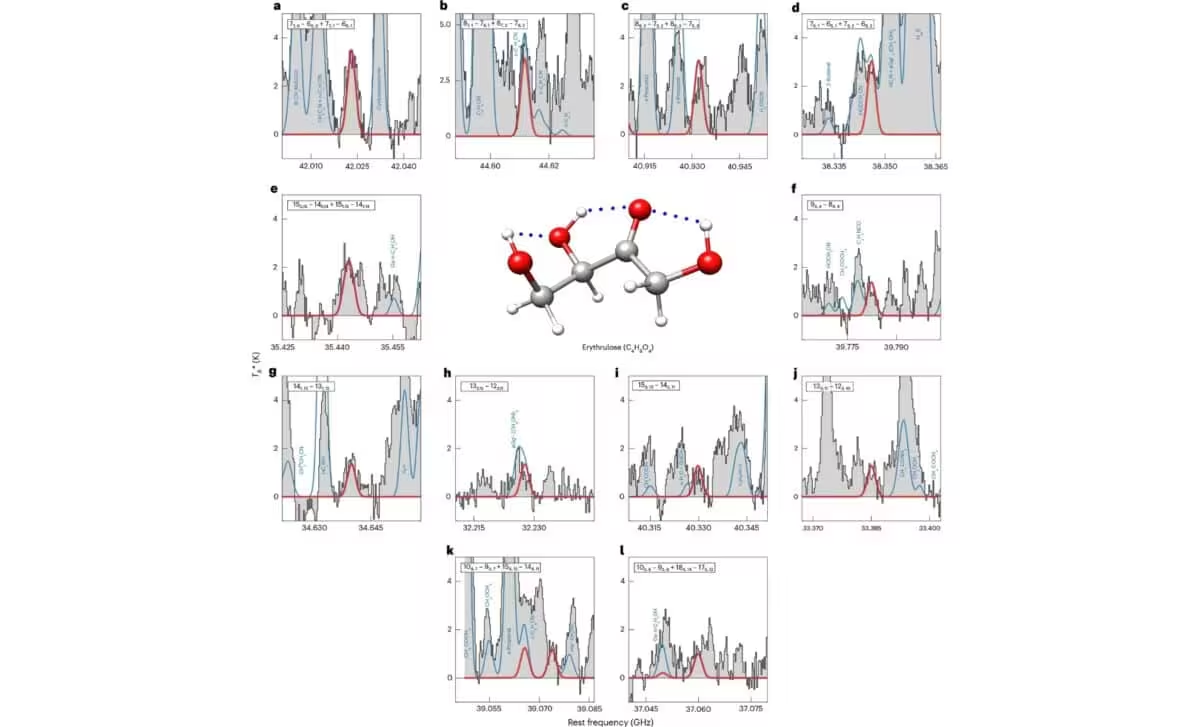
The team identified erythrulose by matching its rotational spectrum—a set of radio‑frequency emissions that act as a molecular barcode—with laboratory measurements. As molecules spin in the vacuum of space, they emit distinctive radio waves that can be recorded by Earth‑based telescopes and compared to spectra generated in the lab.
The crucial laboratory data arrived in 2022 when Emilio Cocinero of the University of the Basque Country published the expected radio signature for erythrulose. Jiménez‑Serra initially responded with caution.
Subsequent observations with the Yebes 40‑meter and IRAM 30‑meter radio telescopes uncovered twelve spectral lines that aligned with the laboratory fingerprint, providing the evidence needed to confirm the sugar’s presence in G+0.693‑0.027.
Brett McGuire, an astrochemist at MIT, praised the result, stating, “This is an incredibly exciting result… Astronomers have, for a very long time, been pushing to detect sugars in space.”
Implications for Early Earth Chemistry
The discovery hints at a possible delivery pathway for prebiotic compounds to the young Earth. The authors estimate that between 0.5 million and 50 million metric tons of erythrulose could have arrived during the Late Heavy Bombardment—a span from roughly 4.1 billion to 3.9 billion years ago when asteroids and comets heavily pummelled the planet.
The study suggests that not all life‑building material needed to originate on Earth; some may have been forged in the same molecular clouds that later birthed star systems, subsequently becoming embedded in cometary and asteroidal debris.
In aqueous environments, erythrulose can convert to threose—a sugar linked to early genetic chemistry and considered a plausible precursor to RNA‑like molecules.
Future investigations will aim to detect even larger sugars, with ribose—the five‑carbon backbone of RNA—remaining the most coveted target. For now, erythrulose expands the catalog of complex organics found in stellar nurseries and strengthens the case that the chemistry of life’s building blocks can commence well before planets emerge.
This article has been fact checked for accuracy, with information verified against reputable sources. Learn more about us and our editorial process.
Last reviewed on .
Article history
- Latest version
Reference(s)
- Tarita, Tudor. “Astronomers Detect the First True Sugar in Interstellar Space.”, July 15, 2026 ZME Science <https://www.zmescience.com/space/astronomers-find-first-interstellar-sugar/>.
- <https://ui.adsabs.harvard.edu/abs/2000ApJ...540L.107H/abstract>.
- “Fig. 1: Brightest and most unblended transitions of erythrulose observed towards the G+0.693 molecular cloud. | Nature Astronomy | Nature Astronomy.” <https://www.nature.com/articles/s41550-026-02905-7/figures/1>.
Cite this page:
- Posted by Aisha Ahmed