Mystery X‑Ray Source X‑4 in Whale Galaxy Flickers Over 100‑Fold Defying Standard Models
Astronomers spot unexpected activity from a mysterious X-ray source in the Whale Galaxy, sparking fresh investigations into its nature.
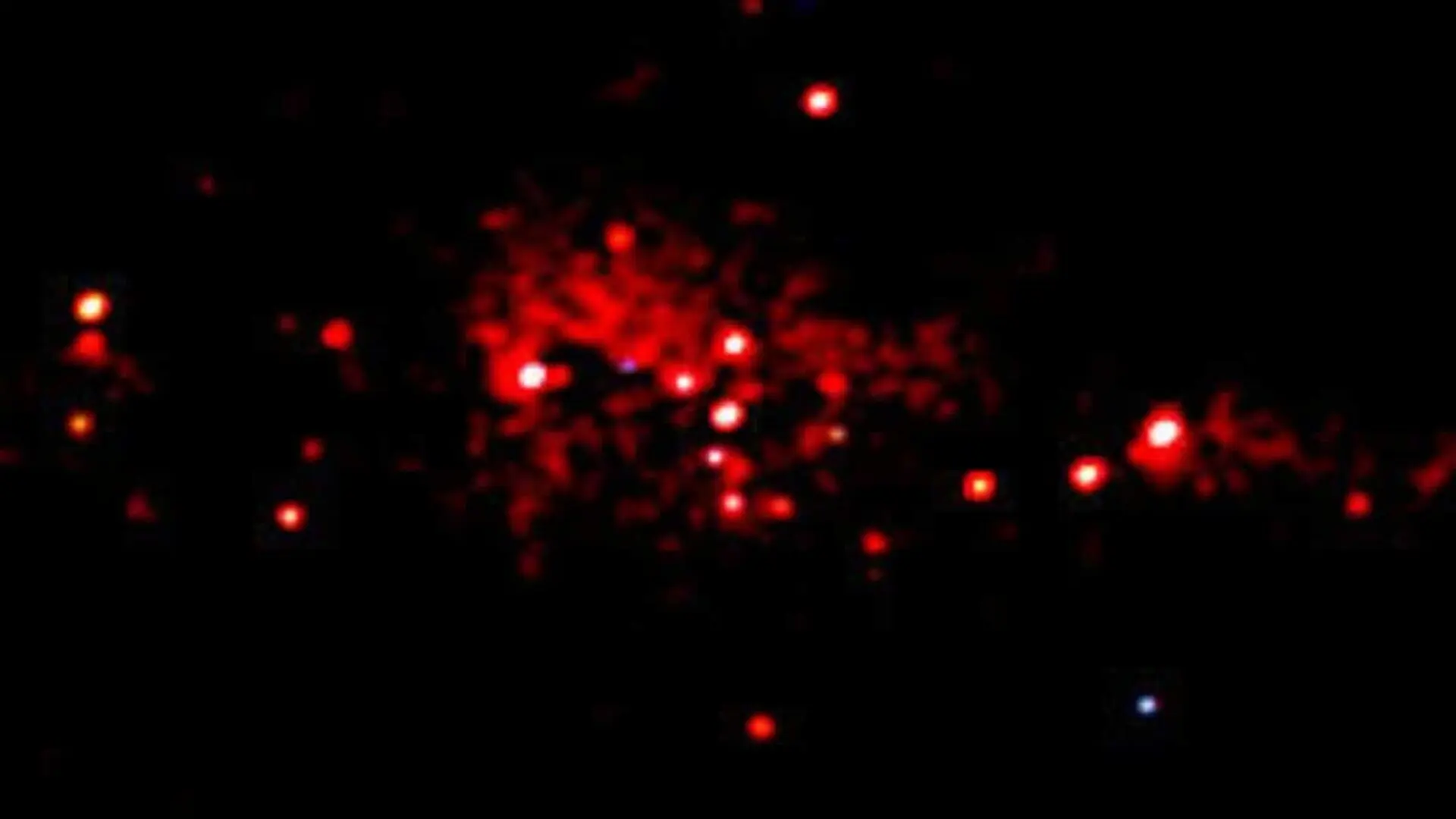
A detailed examination of X‑4, an ultraluminous X‑ray source embedded in the Whale galaxy, shows the object fluctuates dramatically over both extended and brief periods. The findings favor a super‑Eddington accretion scenario, although the nature of the central compact object remains uncertain.
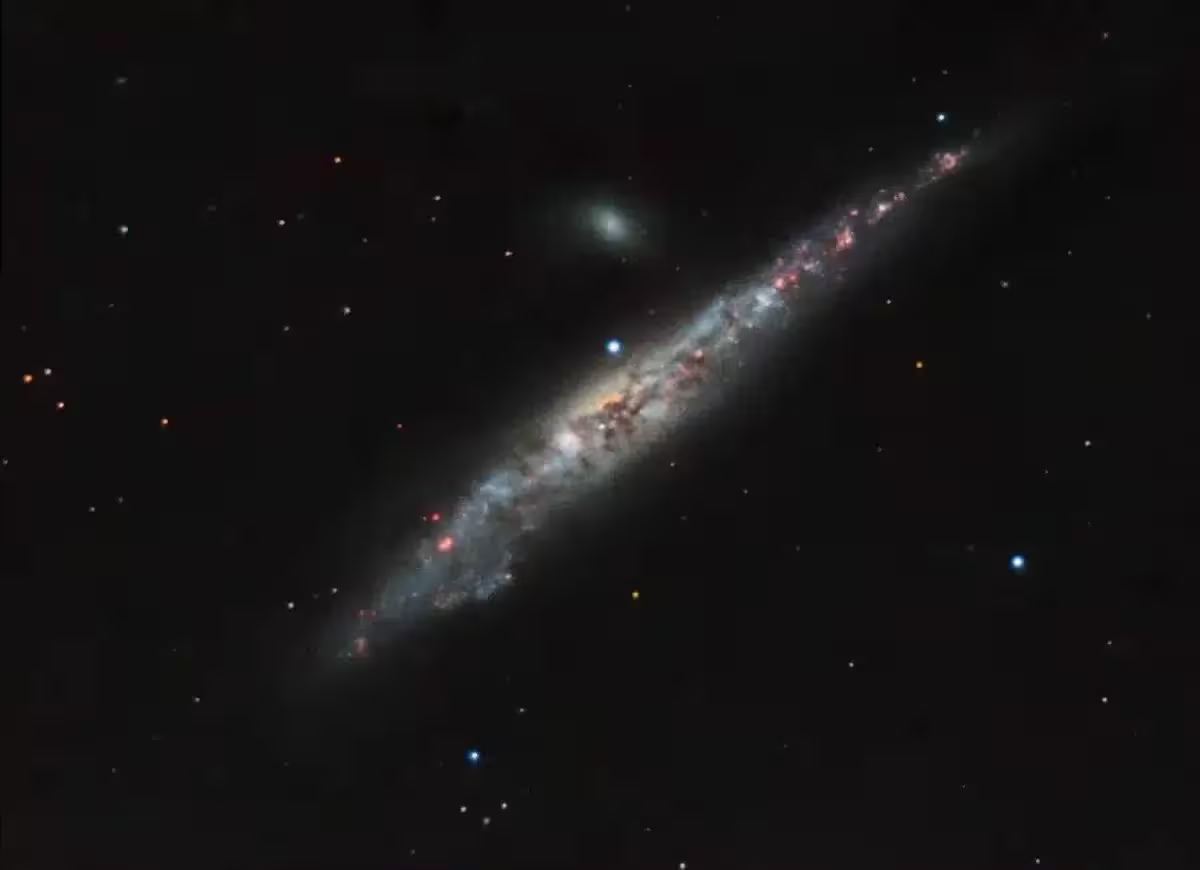
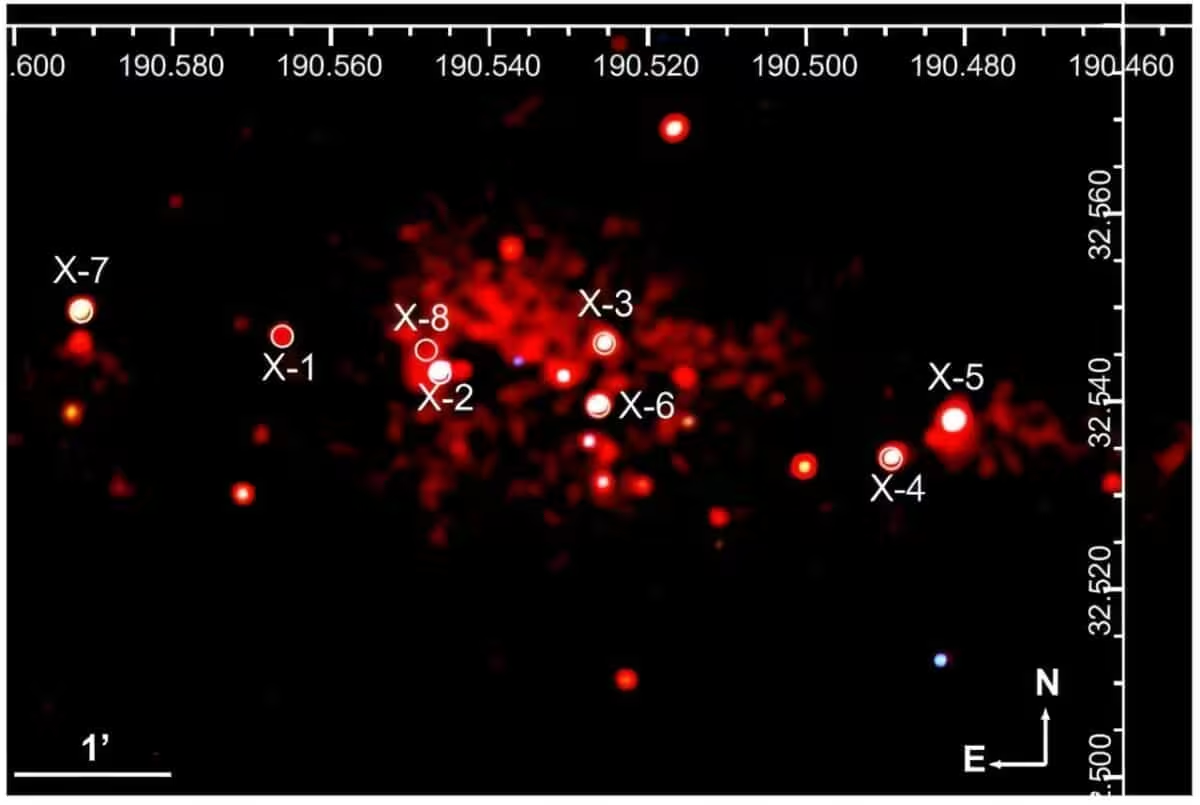
Ultraluminous X‑ray sources (ULXs) rank among the most luminous X‑ray emitters known. The new research concentrates on X‑4, one of eight ULXs identified in NGC 4631—commonly called the Whale galaxy—situated roughly 24.45 million light‑years from Earth. The galaxy’s vigorous star‑forming environment makes it an excellent laboratory for probing such bright X‑ray sources.
According to a recent arXiv preprint, X‑4 stands out because it is encircled by a markedly asymmetric bubble nebula, likely powered by jet activity or shock‑driven outflows.
Unexpected Behavior Challenges Conventional Models
To investigate X‑4, a consortium led by Sinan Allak of the Institute for Astronomy and Astrophysics in Tübingen combined archival data from Chandra, XMM‑Newton and Swift/XRT. By stitching together observations spanning several years, the team tracked variability from multi‑year intervals down to a few thousand seconds.
The analysis reveals pronounced long‑term changes: the 0.3–10 keV X‑ray luminosity swings by more than two orders of magnitude across the dataset, confirming that X‑4 is a transient source rather than a persistently bright emitter.
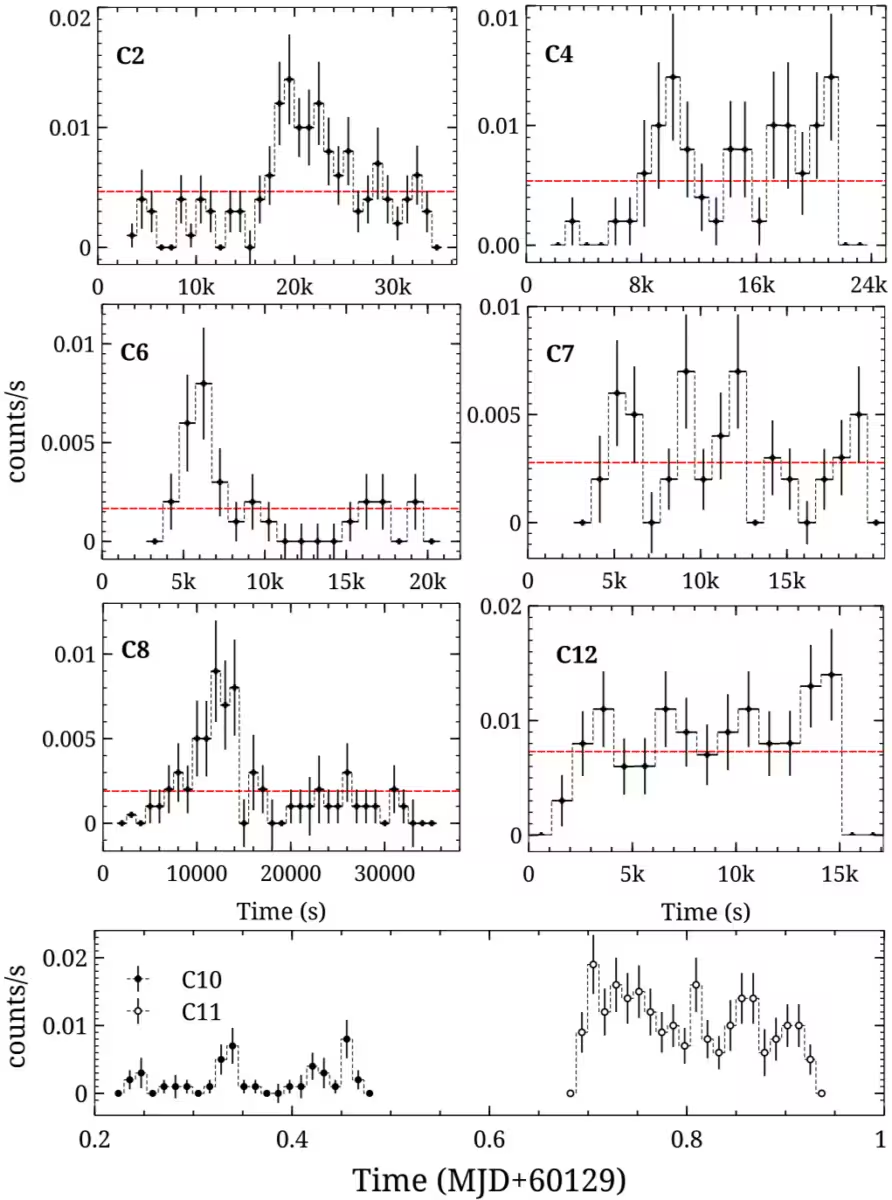
On shorter timescales, Chandra data expose several flare‑like episodes lasting between 1,000 and 5,000 seconds, alongside irregular fluctuations that lack a repeatable pattern. The authors interpret these signatures as evidence that the X‑ray output is sculpted by a radiatively driven, optically thick wind.
Spectral Patterns Incompatible With Thin‑Disk Theory
The researchers also note that the source’s spectral evolution diverges from expectations for a standard thin accretion disk. As detailed in the arXiv manuscript, both the luminosity‑temperature relation and the shifting hardness deviate from the thin‑disk model’s predictions.
Instead, the observations align with super‑Eddington accretion flows, where the geometry of radiatively driven winds and the observer’s viewing angle play pivotal roles in shaping the X‑ray spectrum.
These combined timing and spectral characteristics place X‑4 within the expanding cohort of ULXs thought to be powered by super‑Eddington accretion.
Compact Object Still Eludes Identification
A key unanswered question concerns the nature of the compact object at X‑4’s core. The team scrutinized Chandra and XMM‑Newton datasets for coherent pulsations, quasi‑periodic oscillations, and other statistically significant periodic signals, but detected none.
Given the current evidence, the authors argue that X‑4 most likely harbors a stellar‑mass compact object—either a neutron star or a black hole—but the available data cannot discriminate between the two possibilities.
“Future deeper observations with a higher signal-to-noise ratio will be crucial to constrain the nature of the compact object and to probe the structure of the supercritical accretion flow,” the authors said.
This article has been fact checked for accuracy, with information verified against reputable sources. Learn more about us and our editorial process.
Last reviewed on .
Article history
- Latest version
Reference(s)
- <https://www.researchgate.net/profile/Sinan-Allak>.
- <https://www.esa.int/Science_Exploration/Space_Science/XMM-Newton>.
- “Swift X-ray Telescope.” <https://www.swift.psu.edu/xrt/>.
- Allak, Sinan. “Spectral and timing variability of the transient ultraluminous X-ray source NGC 4631 X-4.” arXiv.org <https://arxiv.org/abs/2606.23498>.
Cite this page:
- Posted by Aisha Ahmed