The Hidden Brain Signals That Make Us Unaware of Our Own Moves
Groundbreaking study finally settles a 130‑year‑old scientific debate, offering definitive evidence and reshaping the field.
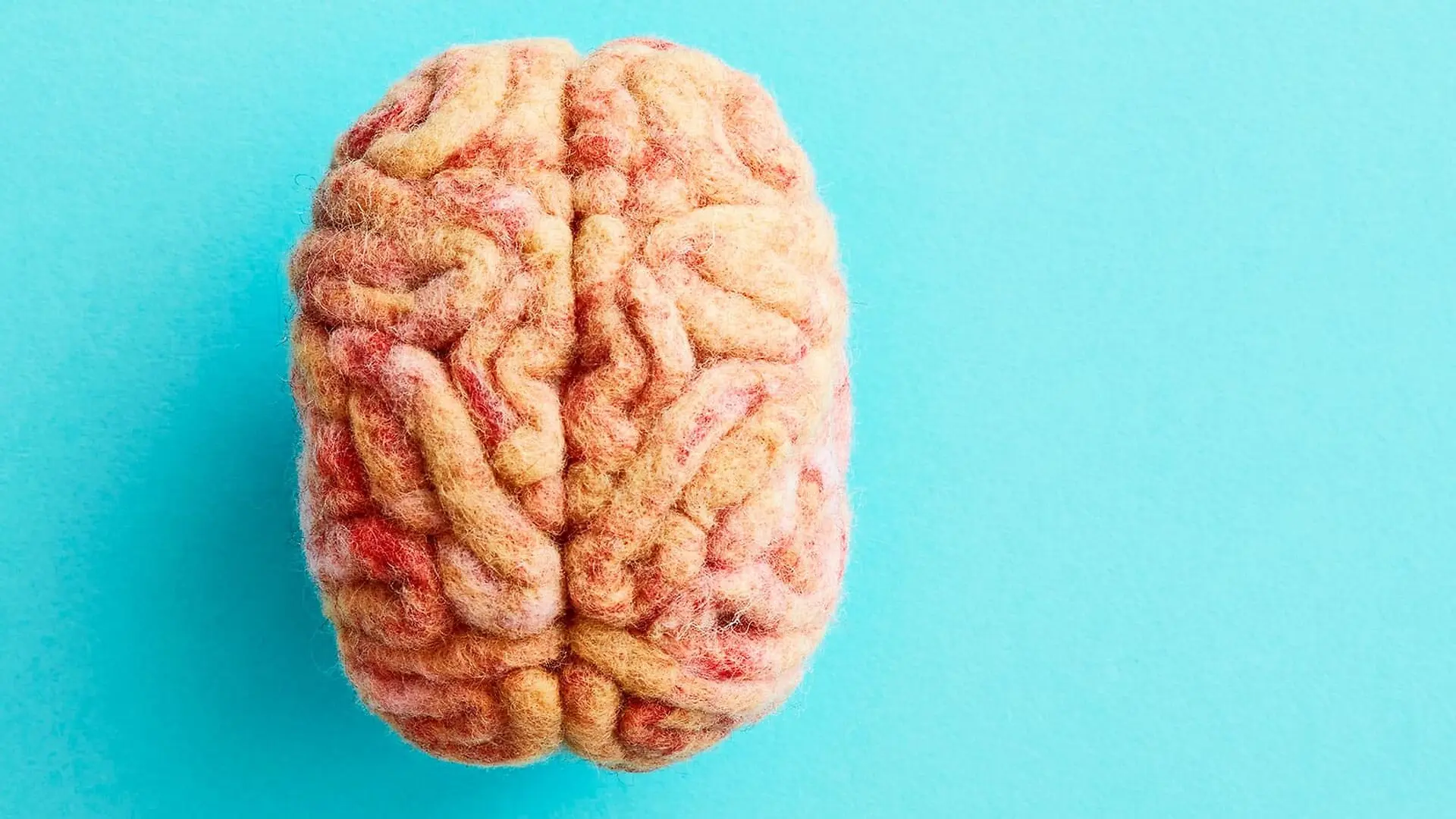
Brain signals behind unnoticed actions uncovered in new study
While swimming one afternoon, Yale neurologist Hal Blumenfeld emerged from the pool only to realize his watch had vanished. After searching the side where he believed he’d left it, he discovered the watch on the opposite end – he had moved it without any recollection.
That puzzling experience spurred a research team, led by Blumenfeld and former Yale PhD student David S. Jin, to investigate how the brain distinguishes conscious from unconscious movements. Their findings appear in PNAS Nexus.
Resolving a 130‑year‑old controversy
In the late 1800s, William James argued that awareness of an action arises after the movement, through sensory feedback, while Wilhelm Wundt contended that awareness originates in the brain’s planning stage, before any sensation occurs. Without a way to test either claim, the debate lingered for more than a century.
Jin devised a modern test by adapting the classic sliding‑block puzzle Rush Hour. Participants manipulated virtual cars while simultaneously viewing background videos they were instructed to memorize. At random intervals the game paused, prompting players to report their most recent move and rate confidence. Correct, high‑confidence reports were classified as “aware,” whereas incorrect, low‑confidence reports were labeled “unaware.”
EEG reveals distinct signatures for aware and unaware moves
Electroencephalography (EEG) recordings from 67 volunteers showed that brain activity diverged both before and after the action depending on awareness. Trials marked as aware exhibited a stronger pre‑movement positivity—a signal linked to motor planning—alongside an amplified N140 component, which reflects processing of bodily sensations. Neither signal alone predicted awareness.
Blumenfeld summarizes the outcome: both James’s and Wundt’s ideas hold true. “Volitional and perceptual signals are larger when we are conscious of what we do,” he notes.
Alertness, pupil size, and the waning of awareness
As the experiment progressed, participants’ pupils gradually contracted, indicating reduced alertness. This physiological shift paralleled a steady decline in reported awareness, suggesting that fatigue and distraction diminish conscious monitoring of actions.
“When people get a little bored or tired, their pupils shrink and they become less aware of what they’re doing,” Blumenfeld explains.
Why unconscious action may be advantageous
Jin argues that constant self‑monitoring would be burdensome. “If you had to think about every note while playing music, life would be much harder,” he says, proposing that a degree of unawareness enables smooth, automatic performance of routine tasks.
His personal experience with epilepsy—performing conversations and piano playing during seizures without later memory—underscores the phenomenon’s relevance.
Clinical implications and future directions
The same neural signatures that fade in unaware participants are also reduced in patients with Parkinson’s disease, schizophrenia, and post‑stroke conditions, where impaired action awareness can affect diagnosis, rehabilitation, and legal judgments of intent.
Blumenfeld believes the discovery opens a vast new research landscape: “It essentially doubles the amount of research that can be done now.” The team plans to employ functional magnetic resonance imaging (fMRI) to map deeper brain structures inaccessible to surface EEG.
Reflecting on the complexity of the results, Jin likens the discovery to an “Avengers Assemble” moment—multiple cognitive signals converging rather than a single “Iron Man” marker.
The work was funded by the National Institutes of Health, Yale University, the Mark Loughridge and Michele Williams Foundation, and the Betsy and Jonathan Blattmachr Family.
This article has been fact checked for accuracy, with information verified against reputable sources. Learn more about us and our editorial process.
Last reviewed on .
Article history
- Latest version
Reference(s)
- Jin, David S., et al. “Neural mechanisms of awareness of action.” PNAS Nexus, vol. 5, no. 7, July 2, 2026 Oxford University Press (OUP), doi: 10.1093/pnasnexus/pgag220. <https://doi.org/10.1093/pnasnexus/pgag220>.
Cite this page:
- Posted by David Anderson