Rare Viking Grave Discovery Reveals Perfectly Preserved Fabric Clinging to Ancient Brooches
Archaeologists in West Jutland have uncovered a rare, fragile Viking grave artifact that could finally resolve a long-standing historical mystery.
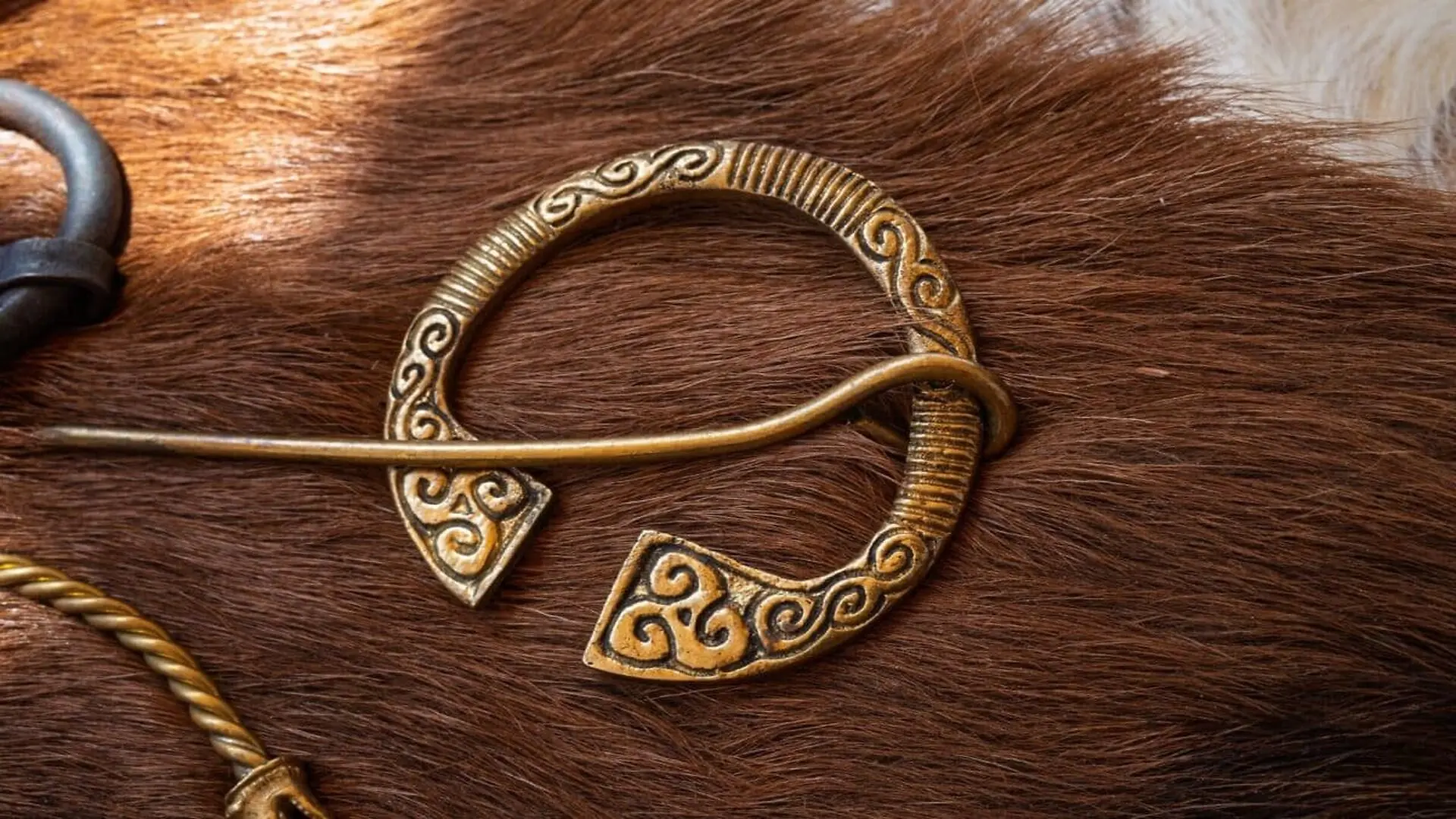
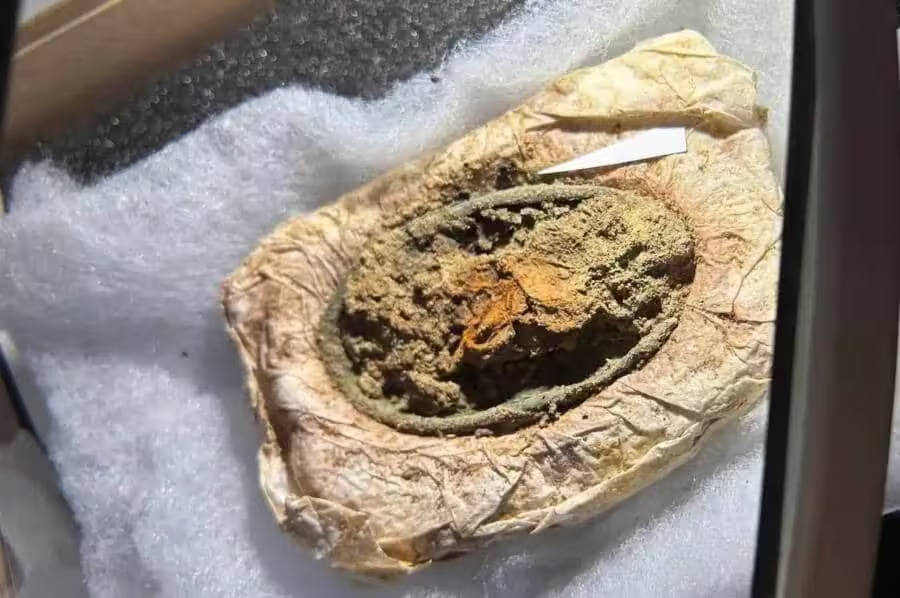
Archaeologists working in West Jutland, Denmark, have unearthed a remarkable burial site that offers an unprecedented glimpse into the attire of the Viking Age. The excavation at Skonager, which began in 2024, revealed the remains of a woman adorned with a pair of oval brooches that managed to preserve delicate fragments of fabric against their surfaces. Researchers, who have dubbed the individual the girl with the oval brooches, believe the discovery could rewrite current understandings of how people dressed approximately 1,300 years ago.
The discovery is considered extraordinary because organic materials like textiles rarely survive the decay of centuries. While historians have long relied on artistic depictions, such as tapestries, or vague written accounts to infer the appearance of Viking clothing, these physical remnants provide empirical evidence of the materials and techniques used by the society. According to Archaeology West Jutland, the preservation was an accidental byproduct of metal corrosion. As the iron brooches oxidized, the resulting metal salts permeated the fibers, effectively fossilizing the fabric where it sat against the jewelry.
Decoding Viking Social Hierarchy Through Textiles
The National Museum of Denmark notes that Viking attire was highly structured, serving as a visual marker of an individual’s age, gender, and economic standing. While men typically wore trousers and tunics, women were known for layering undergarments with strap dresses, which were frequently secured by oval brooches like those found at the Skonager site. These garments were usually crafted from locally sourced wool or flax.
Archaeological evidence suggests a sophisticated textile industry existed in the region. Previous excavations of sites dating between 600 and 900 C.E. have provided proof of large-scale flax production, underscoring the importance of weaving in daily life. In this specific grave, the presence of fabric on both the inner and outer surfaces of the brooches offers a rare chance to examine both the structural layers and the decorative elements of the woman’s outfit.
Scientific Analysis and Future Prospects
The discovery is currently undergoing a multi-disciplinary investigation. Researchers have identified that one of the brooches bears evidence of repair, suggesting it may have been a prized heirloom passed down through generations. This implies that the jewelry could predate the textile fibers themselves. To establish a firm timeline, the team intends to utilize radiocarbon dating on the organic material.
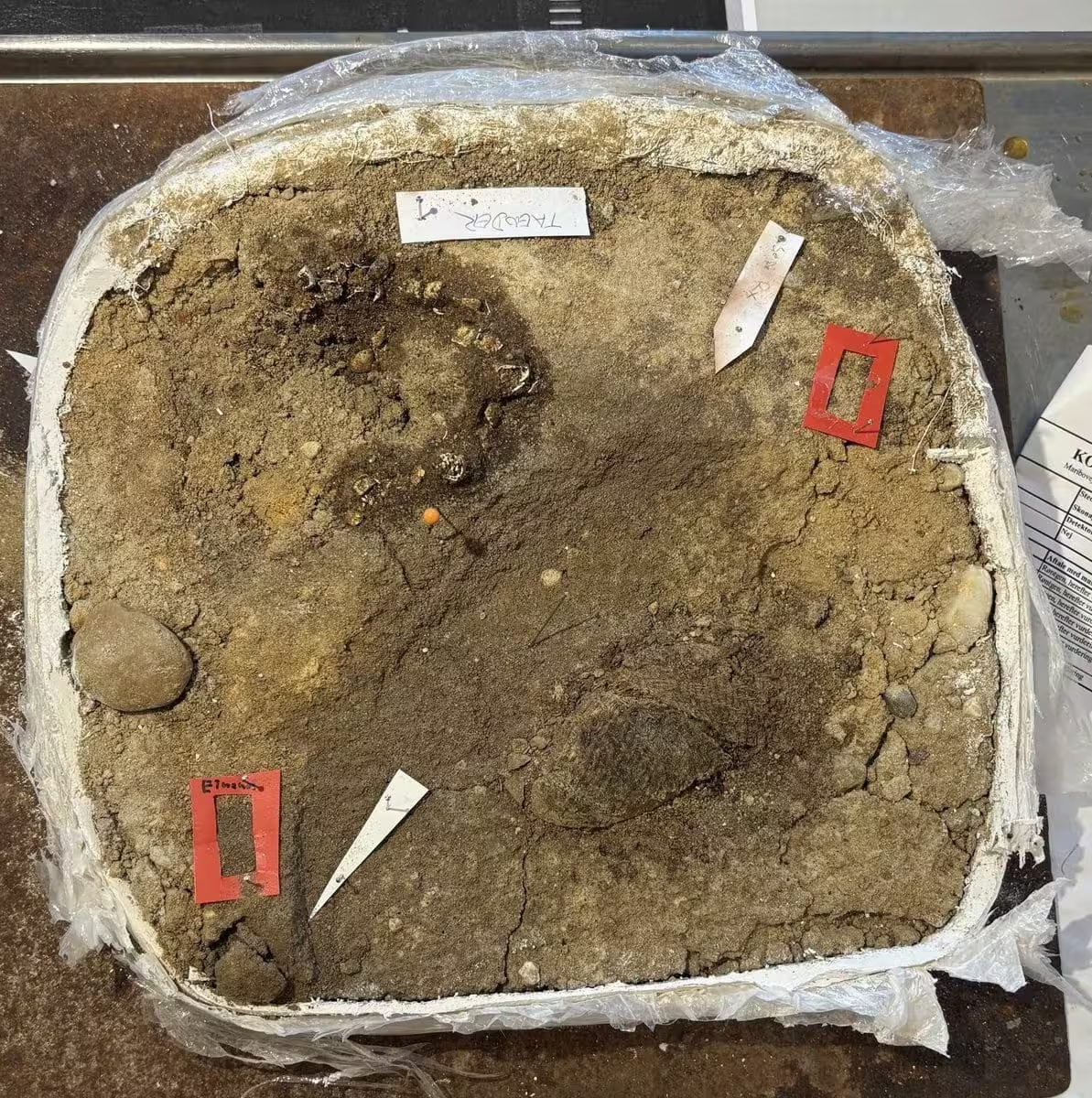
The University of Southern Denmark is currently analyzing the remains, including the teeth, while experts in textile archaeology are meticulously examining the soil surrounding the grave to isolate additional fiber remnants. Furthermore, the National Museum’s Textile Colors of the Viking Age project will perform advanced chemical analysis to detect potential pigment residues. If successful, this research could reveal the original hues of the garment, allowing historians to visualize the clothing as it appeared more than a millennium ago.
“We are gaining a close-up look at the girl with the oval brooches,” the archaeologists noted, expressing optimism that the analysis of surviving pigments could provide the first accurate color profile of such a burial in centuries.

This article has been fact checked for accuracy, with information verified against reputable sources. Learn more about us and our editorial process.
Last reviewed on .
Article history
- Latest version
Cite this page:
- Posted by Hassan Raza