Brain Rewires Itself to Save Memories After Losing Half Its Connections
A groundbreaking study on hibernating mice suggests our understanding of memory storage is wrong, as subjects regrew brain connections to recall memories.
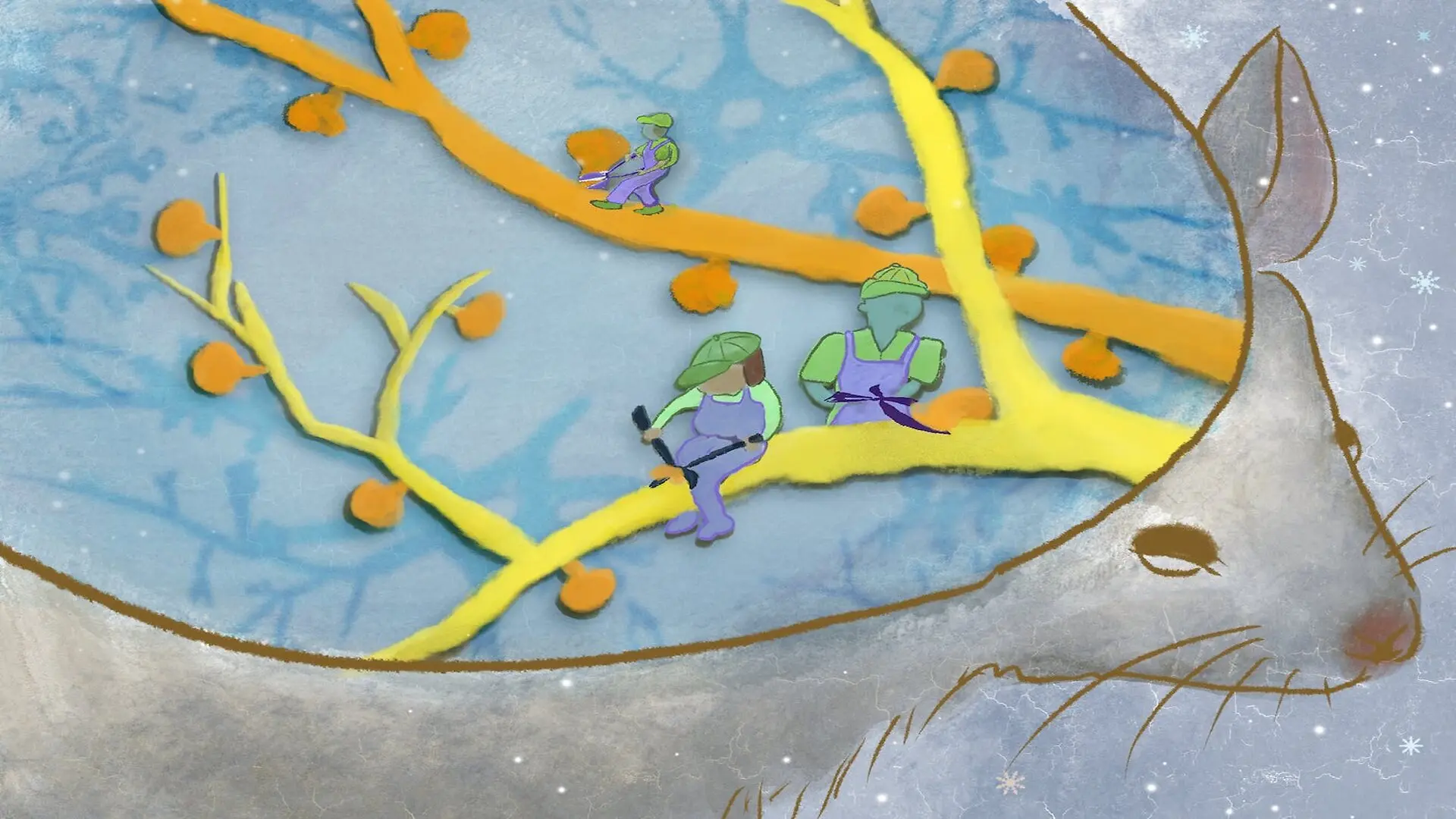
The traditional view of neuroscience—that our long-term memories are etched permanently into the static architecture of the brain—is being challenged by a surprising new discovery. Researchers have found that mice can lose more than half of their brain’s synaptic connections during periods of artificial hibernation, only to recover their memories entirely once the brain structure is restored.
This study, conducted by researchers at the Okinawa Institute of Science and Technology Graduate University, suggests that memory is not tethered to every individual synapse, but rather to a resilient, high-level structural framework. The findings appear in a report published by the institute.
Synaptic Pruning and Memory Survival
For decades, the prevailing dogma held that memory storage relies on the strength and stability of dendritic spines—the tiny protrusions on neurons where synapses form. When we learn, these structures grow and solidify. Conversely, the degradation of these spines is widely blamed for the memory loss observed in neurodegenerative conditions like Alzheimer’s disease.
To test the limits of this theory, the research team induced artificial hibernation in mice, a process that significantly lowers body temperature and metabolism. Within just 24 hours of entering this state, the mice lost roughly 50 percent of their synapses, including many of the large, established spines thought to be the most vital for long-term retention. Despite this massive structural overhaul, the mice exhibited perfect recall of previously learned tasks, such as fear conditioning and maze navigation, once they were returned to a normal state. Remarkably, approximately 80 percent of the lost synapses regenerated in their original locations.
The Role of Resilient Clusters
The secret to this recovery appears to lie in a small, stubborn subset of synapses that withstand the metabolic stress of hibernation. These surviving connections do not act alone; they form dense clusters that serve as architectural anchors for the brain’s neural circuits. According to study author Kazumasa Tanaka, these clusters may function as central hubs, allowing the brain to reconstruct its lost synaptic connections once the environment stabilizes.
“It was astonishing,” said lead author Yu-Ju Lin. “Logically, if all our engram synapses were essential in memory retention as traditionally thought, memory should have massively deteriorated.” Instead, the data suggests that only a specific core of synapses is strictly necessary to preserve the integrity of a memory, while the surrounding connections may be more transient or redundant than previously believed.
Implications for Future Research
While the study provides a profound shift in our understanding of neural plasticity, the researchers emphasize that translating these findings to human disease remains a significant challenge. The mechanisms of artificial hibernation are far more controlled than the progressive, complex degradation seen in human brain disorders. However, by identifying what makes these core synaptic clusters so resilient, scientists hope to uncover new pathways for potential therapeutic interventions.
The discovery also holds potential for fields beyond biology. Understanding how the brain maintains data despite significant hardware turnover could influence the development of AI models and neuromorphic computing, which seek to mirror the efficiency and flexibility of biological systems. For now, the study offers a compelling new narrative: the brain does not need to keep every connection to hold onto the past—it only needs to keep the right ones to rebuild what was lost.
This article has been fact checked for accuracy, with information verified against reputable sources. Learn more about us and our editorial process.
Last reviewed on .
Article history
- Latest version
Reference(s)
- “Client Challenge.” <https://www.oist.jp/news-center/news/2026/8/13/artificial-hibernation-reveals-secrets-long-term-memory>.
Cite this page:
- Posted by Hassan Raza