Scientists Found a Dinosaur Tail Trapped Inside a Piece of Market Amber
A 99-million-year-old feathered dinosaur tail preserved in amber was discovered after nearly being sold as a piece of jewelry in a Myanmar market.
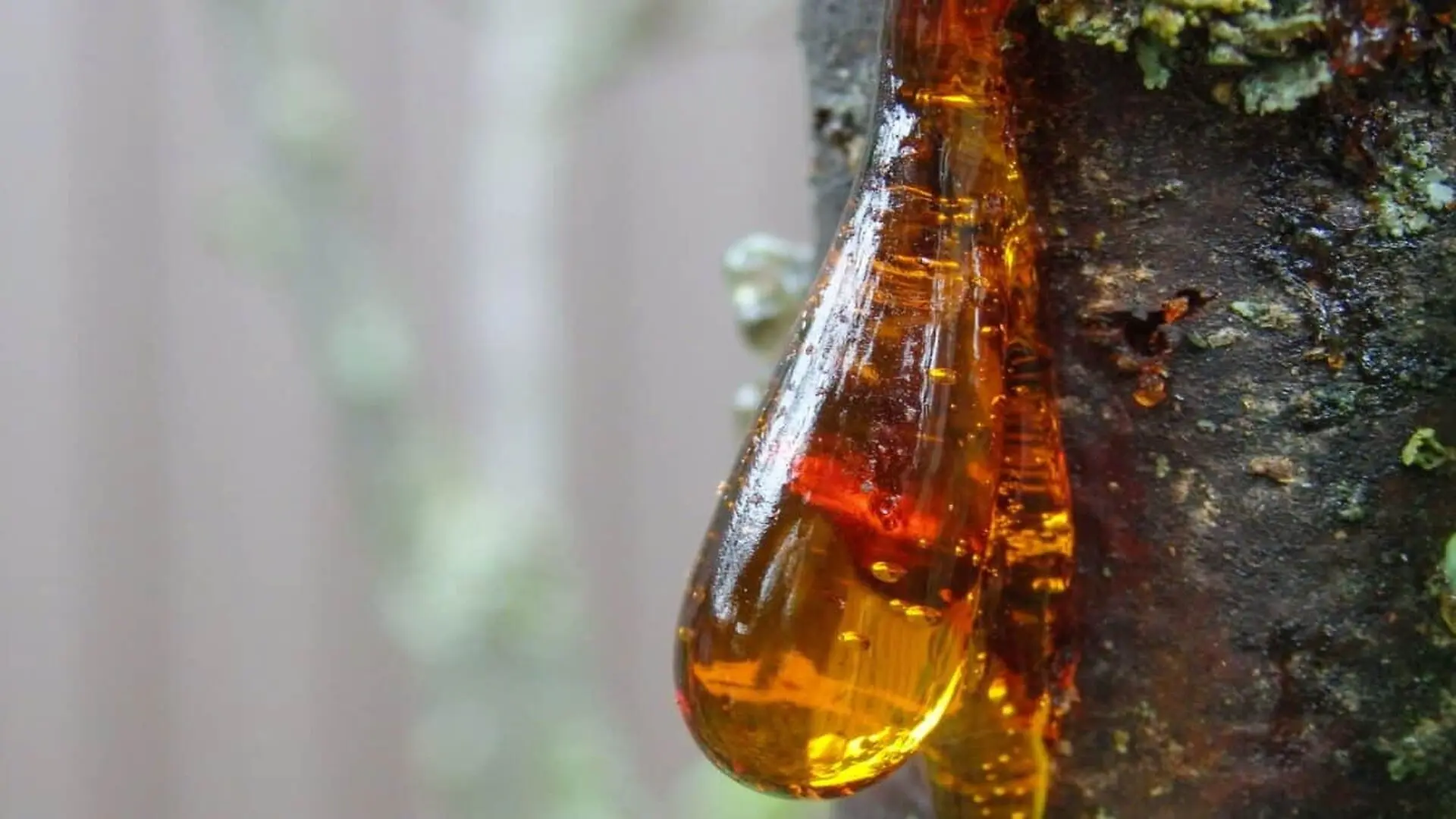
A remarkable discovery from a marketplace in Myanmar has offered paleontologists an unprecedented look at the Cretaceous period, revealing the preserved tail of a juvenile feathered dinosaur encased in amber. Dating back approximately 99 million years, the specimen provides a rare, three-dimensional glimpse into the biology of a non-avian coelurosaur, preserving delicate features like skin, soft tissue, and feathers that are typically lost to the geological record.
An Accidental Discovery Rewrites Evolutionary History
The journey of the fossil began in 2015 when paleontologist Lida Xing identified the unusual specimen while browsing a local market. Initially sold as a decorative curiosity—with the seller assuming the trapped inclusions were plant matter—the amber was flagged by Xing for further investigation. Subsequent research traced the origin of the resin to Kachin State, Myanmar, allowing scientists to conduct a formal study of the trapped remains.
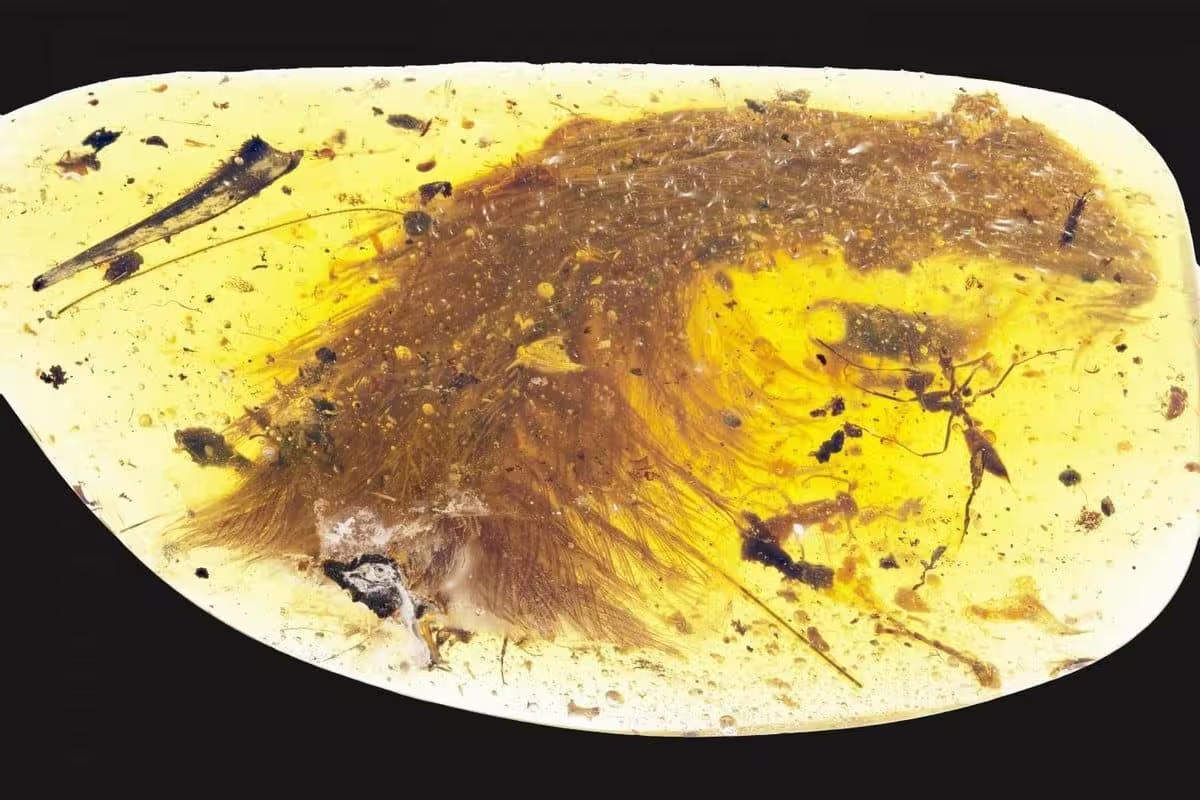
By employing non-invasive techniques such as CT scanning and microscopic observation, researchers confirmed that the fossil consisted of eight vertebrae. As noted in their 2016 publication in Current Biology, the lack of fused bones—a signature trait of modern birds—confirmed the tail belonged to a primitive theropod. “We can be sure of the source because the vertebrae are not fused into a rod or pygostyle as in modern birds and their closest relatives,” noted co-author Ryan McKellar. “Instead, the tail is long and flexible, with keels of feathers running down each side.”
Unlocking Biological Secrets at a Microscopic Level
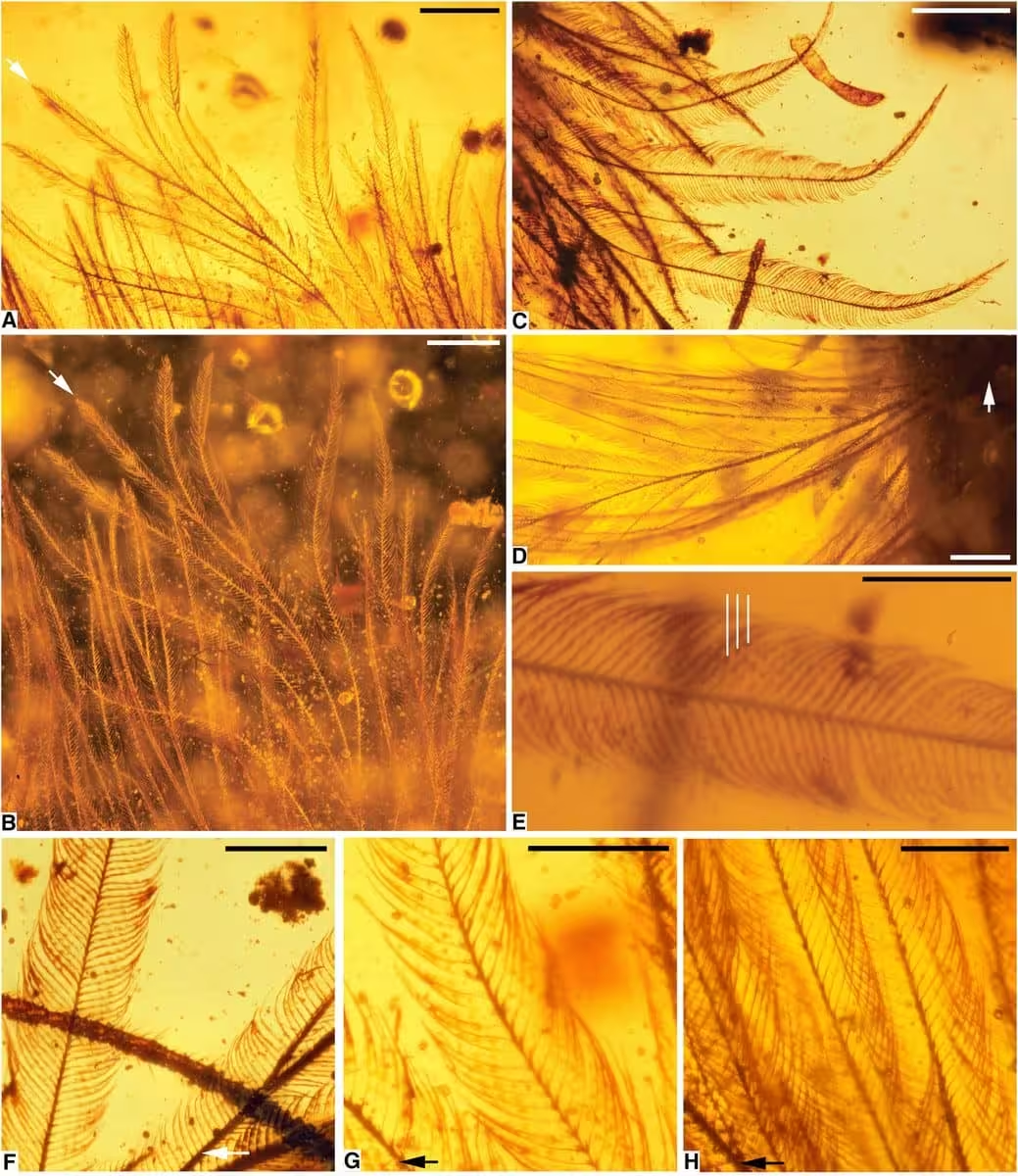
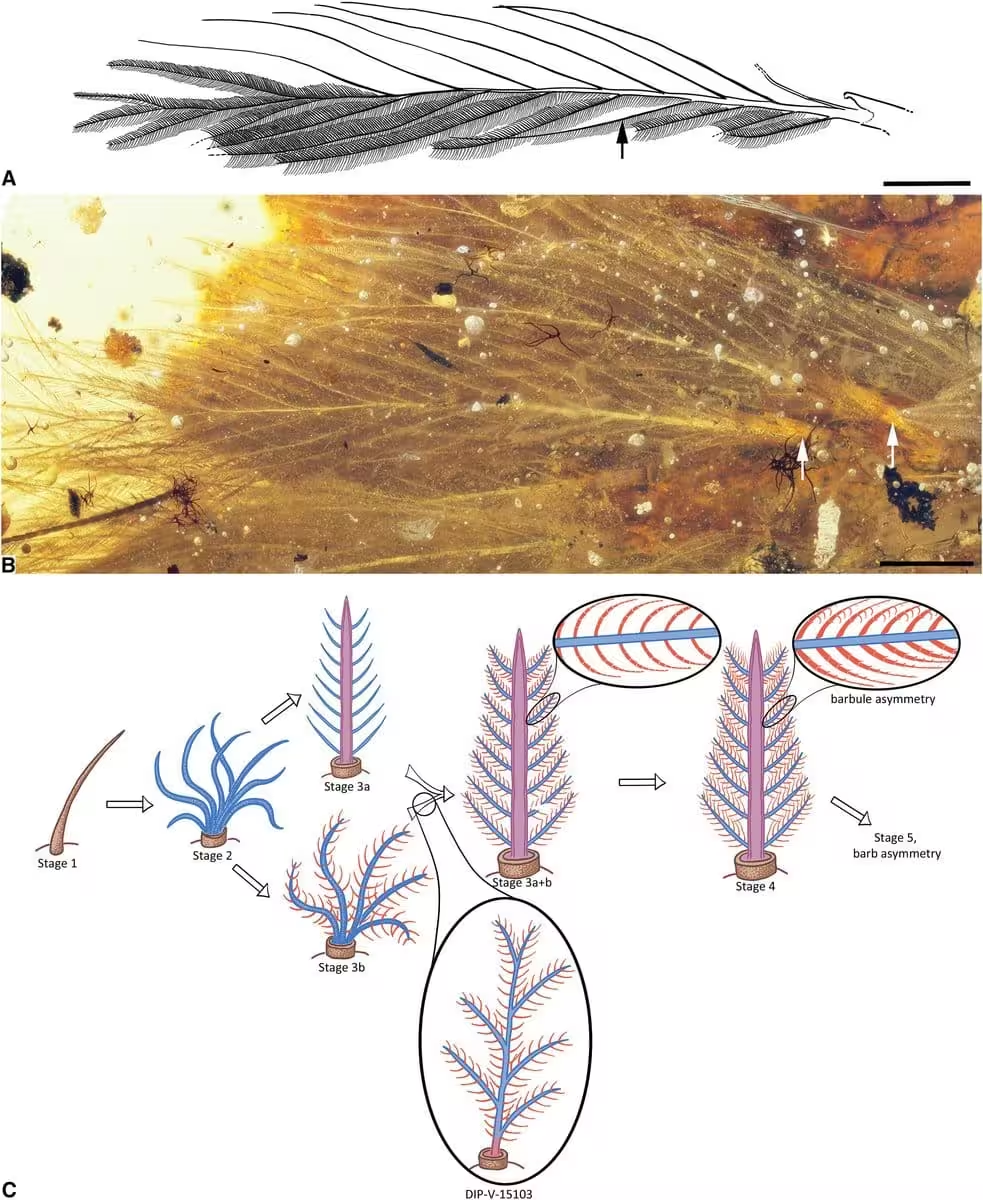
The amber acted as a perfect time capsule, preserving the creature’s original coloration and structural complexity. Analysis of the feathers indicated a chestnut-brown pigment on the upper surface, fading to a lighter shade on the underside. Crucially, the structure of the feathers offered new insights into evolutionary transitions, revealing that complex branching—such as barbs and barbules—existed before the evolution of the rigid central shafts found in contemporary avian species.
Beyond the feathers, the presence of ferrous iron suggested that residues of hemoglobin from the dinosaur’s blood remained trapped within the tissue, providing a chemical connection to the animal’s life 99 million years ago. This discovery stands as the first definitive instance of dinosaur material being recovered from amber.
Capturing the Final Moments of an Ancient Life
Experts suggest the small dinosaur likely met its fate while alive, becoming ensnared in sticky tree resin that eventually hardened into amber. Professor Mike Benton, speaking with BBC News, emphasized the value of such finds in reconstructing the final seconds of an ancient organism’s life.
“Amber pieces preserve tiny snapshots of ancient ecosystems, but they record microscopic details, three-dimensional arrangements, and labile tissues that are difficult to study in other settings,” McKellar explained. “This is a new source of information that is worth researching with intensity and protecting as a fossil resource.”
While this specimen has proved invaluable, the incident highlights the ongoing challenges in paleontology. The field occasionally contends with misidentifications; for example, a separate amber specimen initially thought to hold a tiny dinosaur skull was later reclassified as a previously unknown lizard species. Such corrections underscore the importance of rigorous, multi-disciplinary analysis when interpreting findings from these rare amber traps.
This article has been fact checked for accuracy, with information verified against reputable sources. Learn more about us and our editorial process.
Last reviewed on .
Article history
- Latest version
Reference(s)
- <https://www.cell.com/current-biology/fulltext/S0960-9822(16)31193-9>.
- “Ryan C. McKellar « Royal Saskatchewan Museum.” <https://royalsaskmuseum.ca/research/palaeontology/ryan-mckellar>.
- “'Beautiful' dinosaur tail found preserved in amber.”, December 8, 2016 BBC News <https://www.bbc.co.uk/news/science-environment-38224564>.
Cite this page:
- Posted by Hassan Raza