Bizarre New Marine Reptile With Spoon-Shaped Teeth Discovered In China
Researchers have discovered a unique fossil in China, revealing how marine reptiles rapidly evolved and diversified following Earth’s greatest extinction.
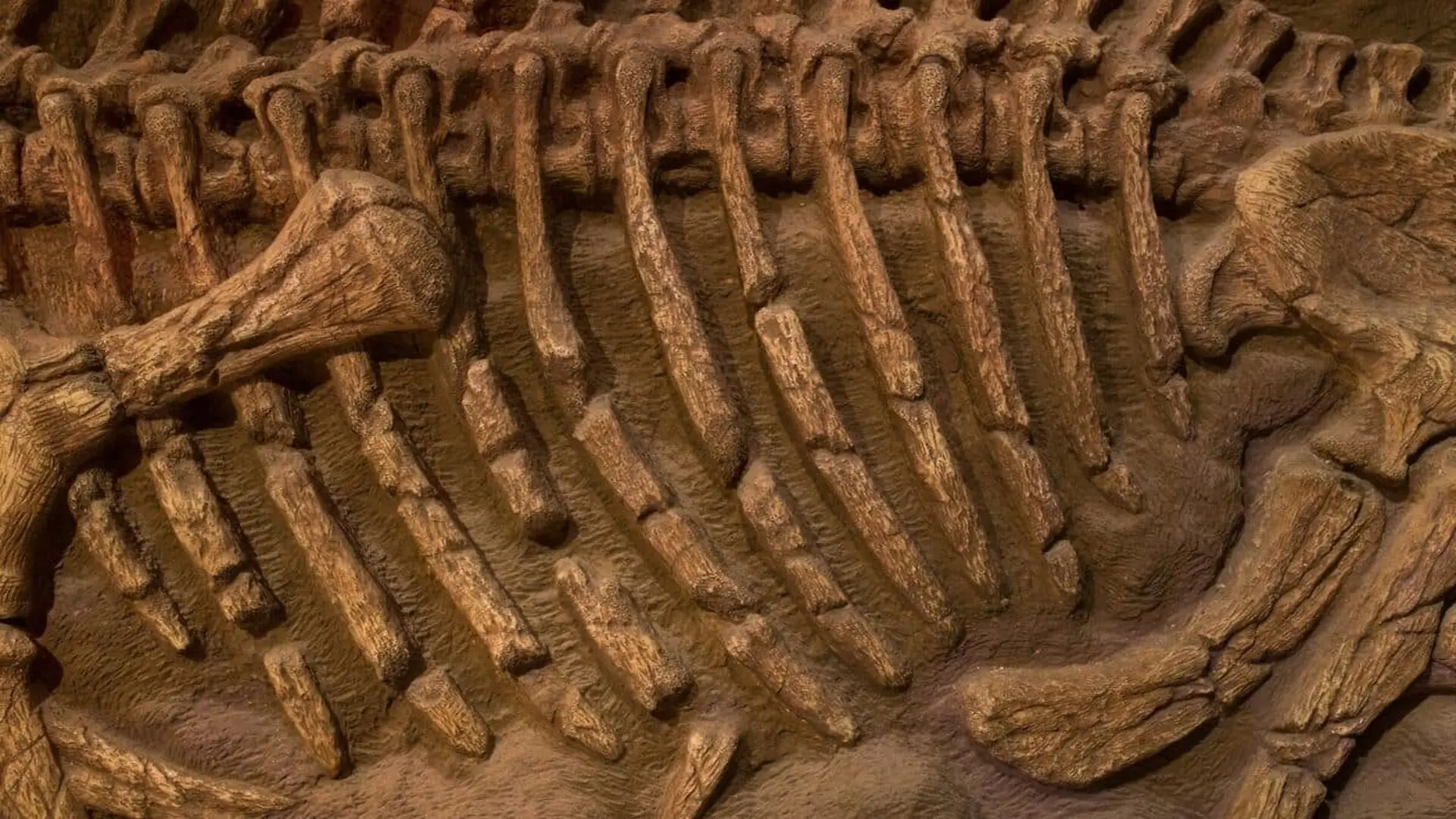
Paleontologists have unveiled a remarkable new species of marine reptile, discovered in the fossil-rich strata of China’s Yunnan-Guizhou border. Dating back approximately 245 million years, the creature, officially named Spatulidentatus breviceps, provides a rare window into the rapid ecological diversification that occurred during the Triassic period as ocean life recovered from the catastrophic Permian-Triassic extinction event.
The nearly complete skeletal remains, cataloged as GMG10, were recovered from the Guanling Formation and are currently housed at the Geological Museum of Guizhou. This discovery is particularly significant because it adds a distinctive form to the Sauropterygia, a diverse group of marine reptiles that transitioned from terrestrial ancestors to aquatic environments shortly after the end-Permian mass extinction.
Anatomical Anomalies in the Triassic Seas
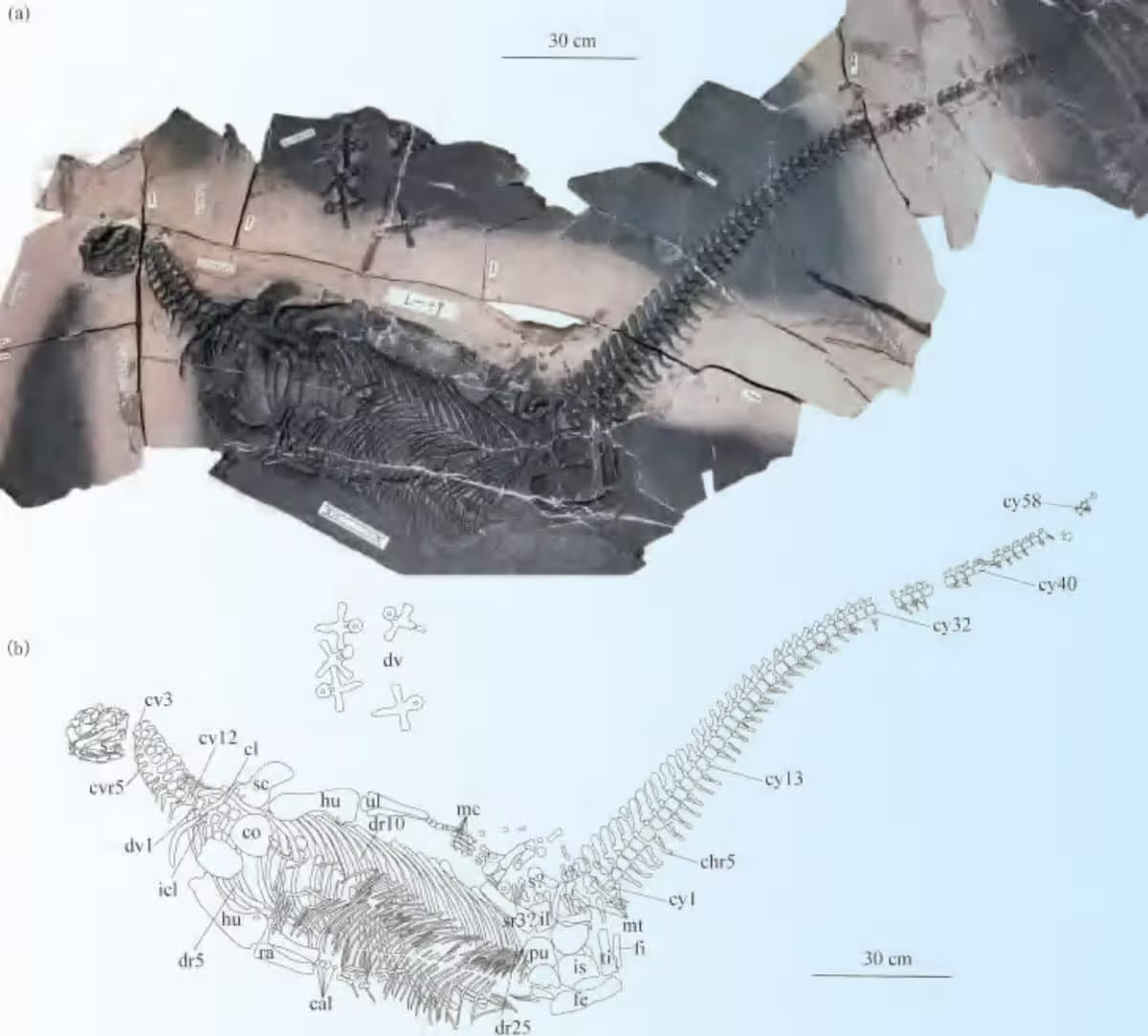
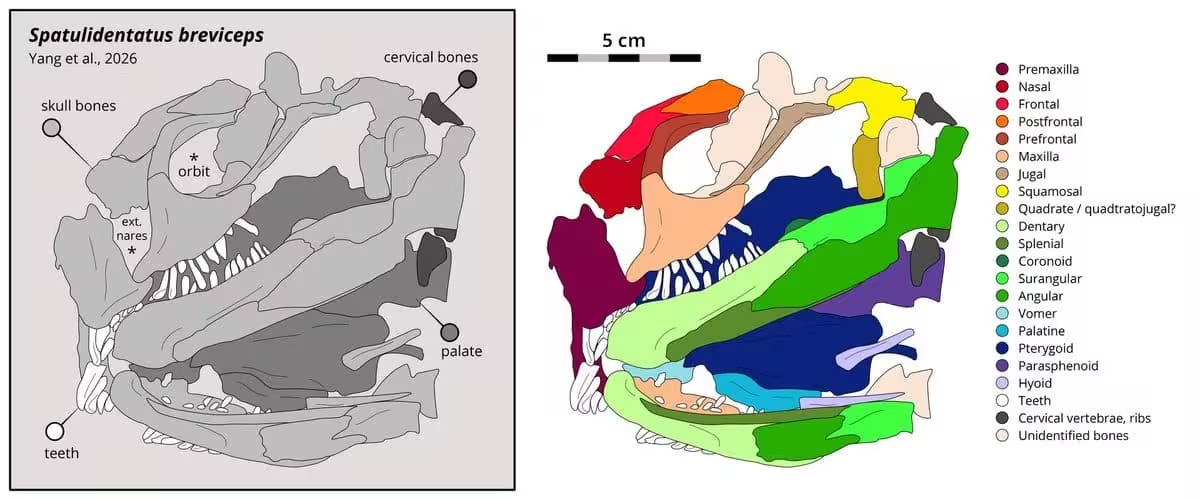
According to the findings published in the journal Geological Review, Spatulidentatus breviceps exhibited physical characteristics that set it apart from its contemporaries. The reptile measured roughly 2.7 meters (9 feet) in length and featured an exceptionally short skull, which accounted for only 5% of its total body size. Perhaps most striking are its spoon-shaped teeth, a specialized dental adaptation that is rarely seen in other early marine reptiles of the Anisian age.
The fossil is remarkably well-preserved, retaining the trunk, vertebral column, and portions of the limbs, as well as 12 distinct cervical vertebrae. Lead researcher Mei Yang and her team suggest that this level of preservation offers invaluable data for phylogenetic studies, helping to clarify the evolutionary relationships between this new species and other basal sauropterygians, including shell-crushing placodonts and the unique, hammer-jawed Atopodentatus.
Rethinking Early Marine Evolution
The discovery of Spatulidentatus breviceps continues a trend of unexpected findings in southwestern China, where recent unearthed specimens—such as various armored saurosphargids—have forced paleontologists to rethink traditional models of marine reptile evolution and migration. These finds indicate that the Tethys Ocean served as a crucible for evolutionary experimentation during the Triassic.
While the exact diet of this creature remains a subject of ongoing investigation, its specialized teeth indicate a highly adapted feeding strategy suited to the shallow-water environments of the time. By filling in gaps in the early sauropterygian family tree, the specimen serves as a critical piece of the puzzle for understanding how life reclaimed the seas millions of years ago.
This article has been fact checked for accuracy, with information verified against reputable sources. Learn more about us and our editorial process.
Last reviewed on .
Article history
- Latest version
Reference(s)
- “云贵交界地区鳍龙类(爬行动物纲:鳍龙超目)的新属种短头勺齿龙.”, vol. 72, no. 4, pp. 1280-1285., doi: 10.16509/j.georeview.2025.11.052. <https://www.geojournals.cn/georev/georev/article/abstract/20267204017>.
Cite this page:
- Posted by Hassan Raza