Scientists Discover New Frog Species Hiding in Plain Sight in the Amazon Rainforest
Researchers have discovered a mysterious new frog species in the Amazon, proving that the rainforest still hides remarkable secrets waiting to be found.
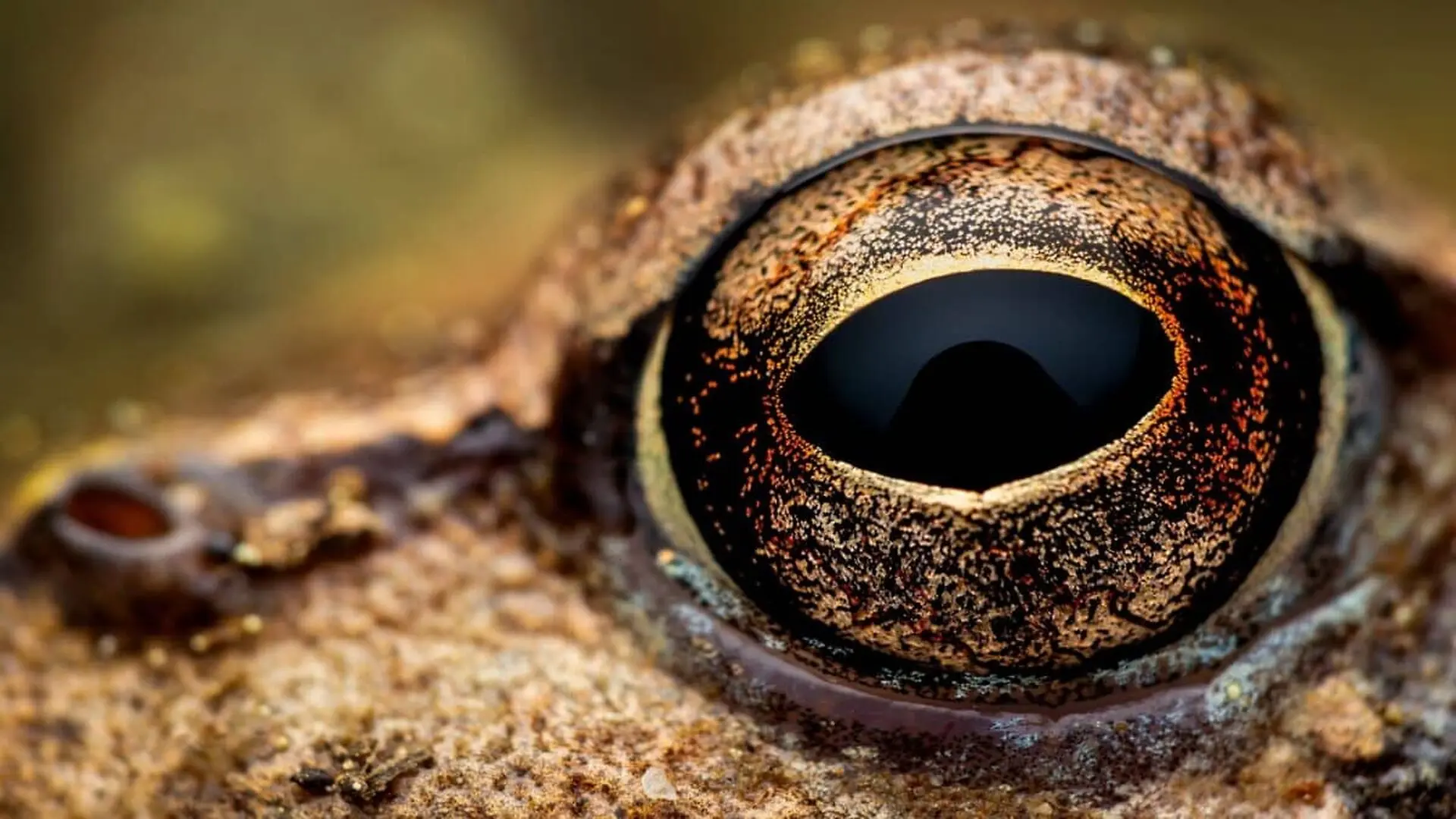
Deep within the inundated forests of the western Amazon, researchers have unveiled a previously unrecognized amphibian species, a discovery that underscores the immense, hidden biodiversity persisting in one of the planet’s most scrutinized ecosystems. The newly identified frog, Adenomera varcena, highlights a growing challenge for biologists: the prevalence of cryptic species that remain indistinguishable through casual observation alone.
The study, published in the journal Ichthyology & Herpetology, reveals that the frog was uncovered in the Upper Juruá River region of Brazil’s western Acre state. Fieldwork near the Moa and Crôa rivers near Cruzeiro do Sul brought the animal to light within a specialized habitat defined by seasonal flood cycles, an environment that significantly complicates traditional field surveys.
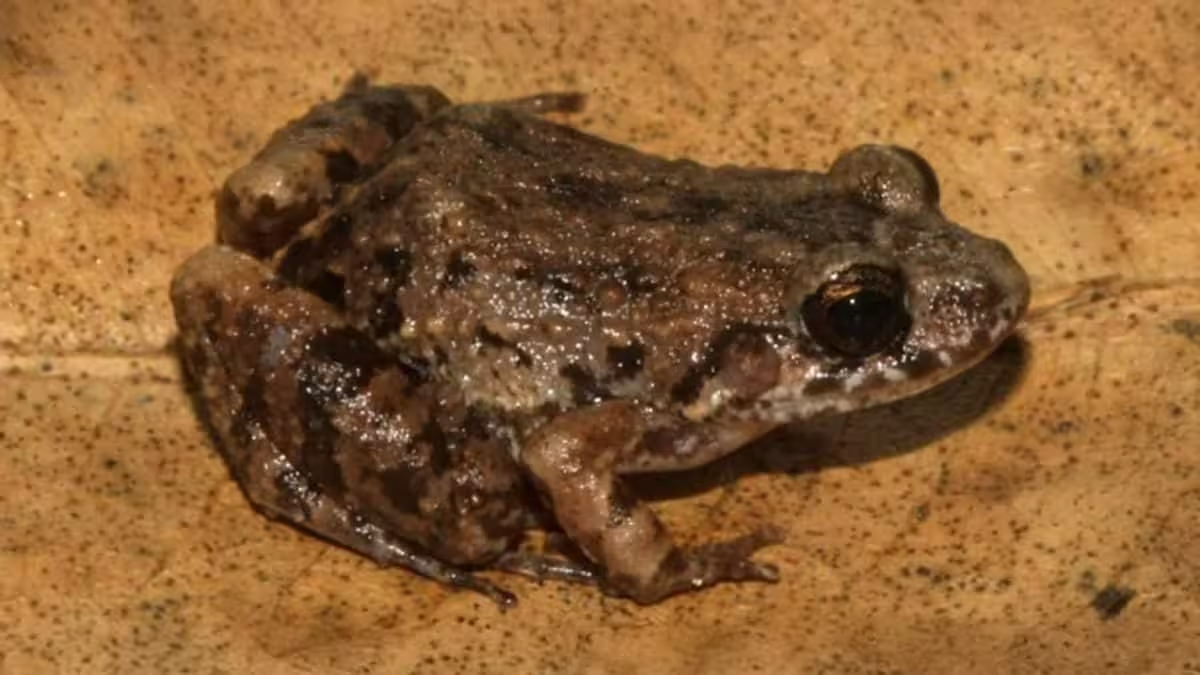
Decoding Cryptic Amphibian Diversity
To confirm the species, scientists employed an integrated approach, moving beyond basic morphology to analyze genetic data, acoustic recordings, and specific behavioral traits. The frog belongs to the Adenomera genus, a group typically associated with stable, dryland environments. The discovery of A. varcena in a seasonally flooded forest suggests that the genus is far more ecologically versatile than previously recognized.
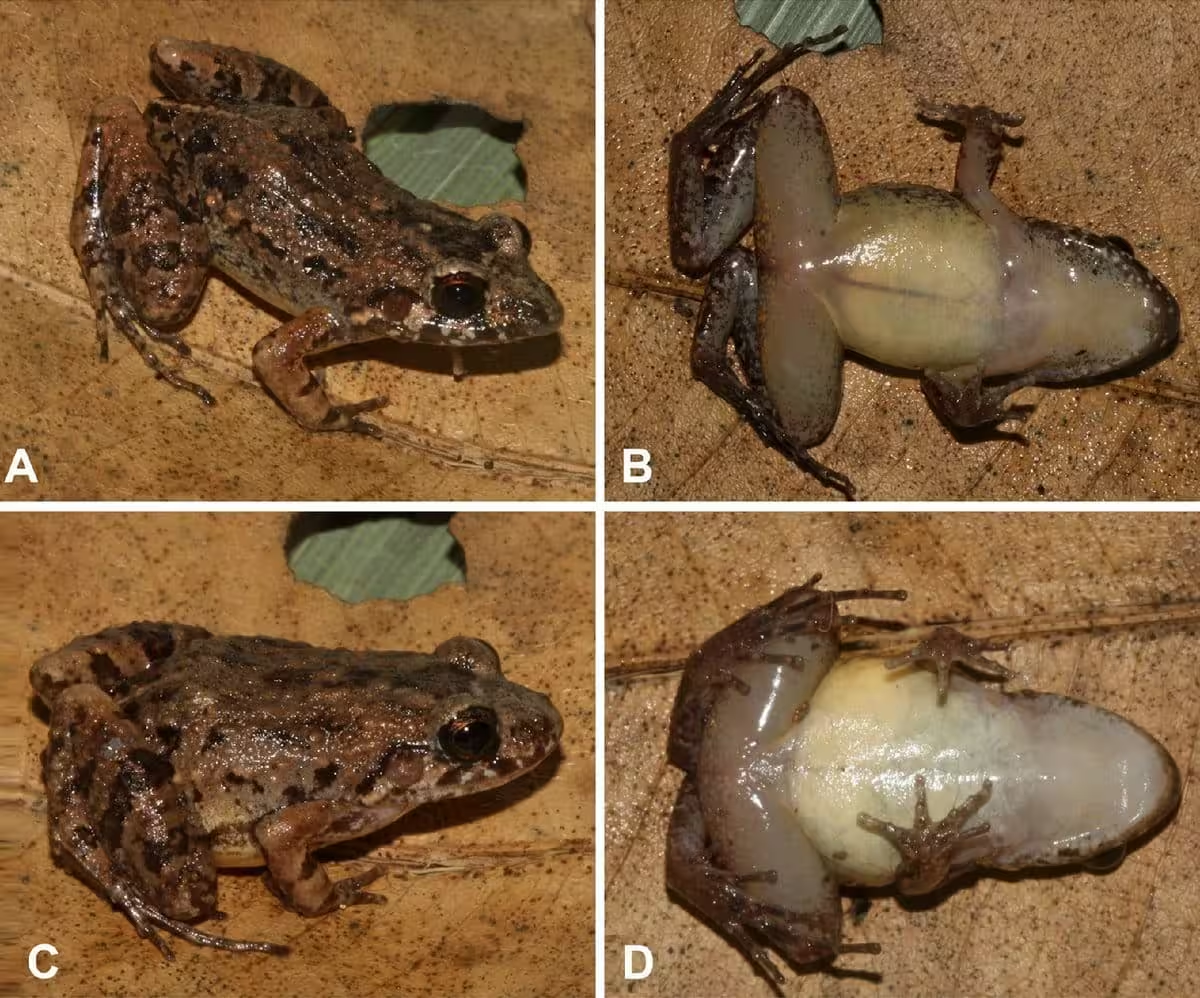
Distinguishing the new frog from its near-identical cousins required a fine-toothed search for minute biological markers. Researchers identified a subtle but distinct morphological difference: the total absence of a dark pigment mark on the underside of the forearm. This physical variation was supported by a unique acoustic signature—a slow, short mating call that serves as a vital reproductive isolating mechanism for the species.
Fragile Habitats and Future Threats
While the formal classification of A. varcena is a milestone for taxonomy, the team admits that significant knowledge gaps regarding its natural history persist. The lack of data on its specific reproductive requirements poses a challenge for conservationists looking to understand how the species might respond to shifting environmental conditions.
“Since we don’t yet know in detail the species’ ecological requirements and its natural history (reproductive period and mode), it’s difficult to predict the impacts of climate change, which may alter the seasonal flooding patterns of the floodplain forest ecosystem in this region of the Amazon,” noted co-author Thiago R. Carvalho.
The broader implications of this find are sobering. As habitat destruction continues to accelerate across the Amazon basin, many species are likely disappearing before they are ever recorded. Célio F. B. Haddad, a specialist in vertebrate zoology, emphasizes that the speed of environmental loss has outpaced the current rate of taxonomic discovery.
“Currently, the pace of ecosystem destruction outpaces the capacity of taxonomic studies to keep up,” Haddad observed. “Describing new species serves as a tool that aids in their protection. Furthermore, deepening our knowledge of actual biodiversity expands our understanding of the evolution of organisms.”
This article has been fact checked for accuracy, with information verified against reputable sources. Learn more about us and our editorial process.
Last reviewed on .
Article history
- Latest version
Reference(s)
- Borburema, Marianna S.., et al. “A New Species of Terrestrial Foam-Nesting Frog (Adenomera, Leptodactylidae) from the Várzea Forests of Western Amazonia.” Ichthyology & Herpetology, vol. 114, no. 2, May 15, 2026, pp. 204-216. American Society of Ichthyologists and Herpetologists (ASIH), doi: 10.1643/h2025033. <http://dx.doi.org/10.1643/h2025033>.
- “Search.” <https://bioone.org/search?author=Thiago_R._Carvalho>.
- “Célio F. B. Haddad.” <https://scholar.google.com/citations?user=zPFhY4UAAAAJ&hl=en>.
Cite this page:
- Posted by Hassan Raza