Scientists Buried 2,000 Pairs Of Underwear To Reveal A Serious Hidden Problem With Our Soil
Researchers buried thousands of cotton briefs underground for a surprising scientific study. Discover the serious reason behind this unusual soil experiment.
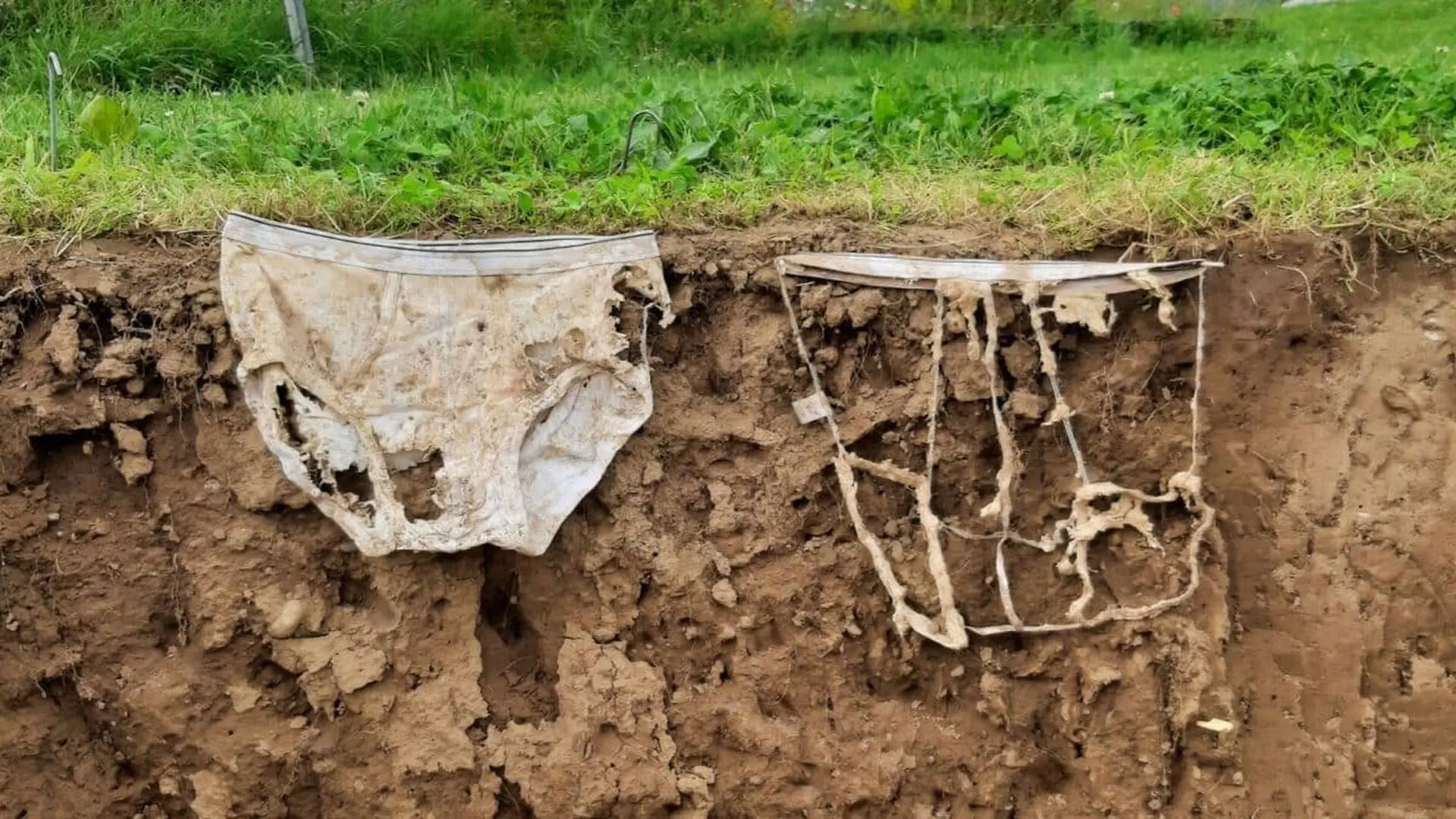
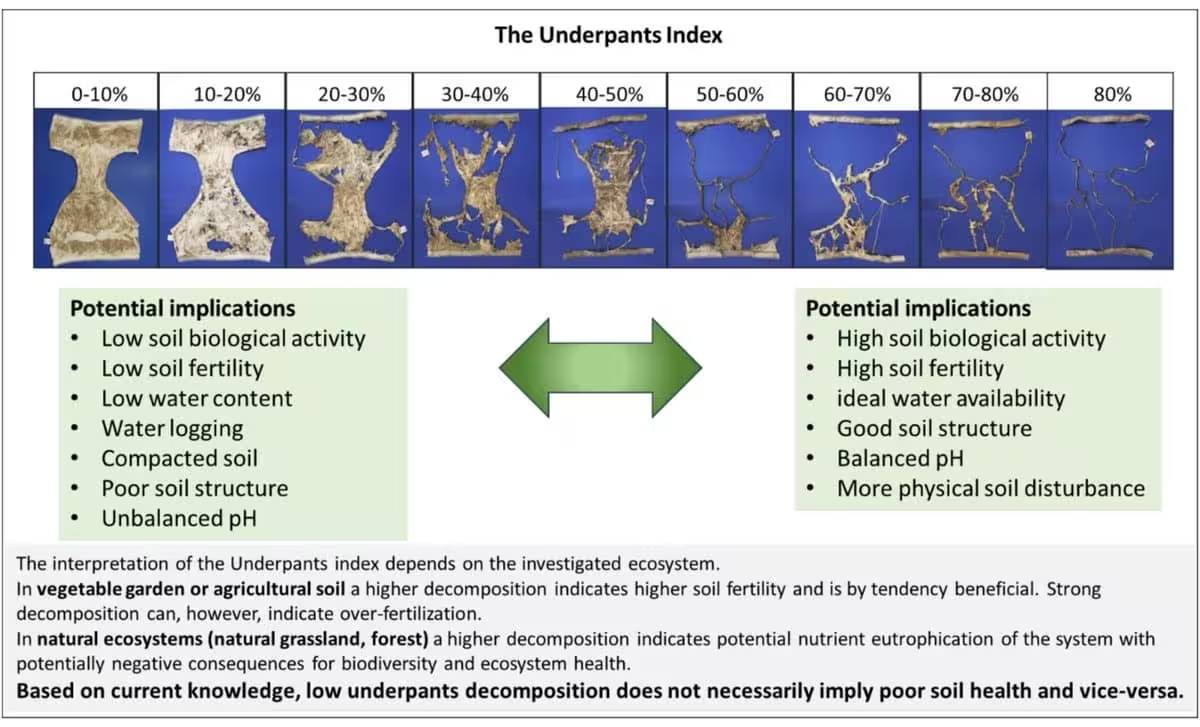
To quantify the biological vitality of the ground beneath us, researchers at the University of Zürich turned to an unconventional diagnostic tool: thousands of pairs of organic cotton underwear. While the spectacle of a nationwide burial project may seem whimsical, the study provided a rigorous and accessible metric for soil health, revealing how rapidly organic matter decomposes in different environments.
The findings, published in the journal Plants People Planet, utilized a citizen science model where 1,000 participants across Switzerland buried cotton briefs and tea bags at various depths. After intervals of 30 and 60 days, the remains were exhumed to determine how much of the fabric had been consumed by the underground microbiome.
Mapping Soil Vitality Through Cotton Decomposition
Soil serves as a critical foundation for terrestrial life, acting as a massive carbon sink and a habitat for a staggering diversity of organisms. Despite its importance, experts estimate that roughly one-third of the world’s soil is currently suffering from degradation due to intensive agriculture, pollution, and erosion. A single teaspoon of healthy earth can host more organisms than there are human beings on Earth, and the rate at which these organisms break down organic matter is a key indicator of an ecosystem’s robustness.
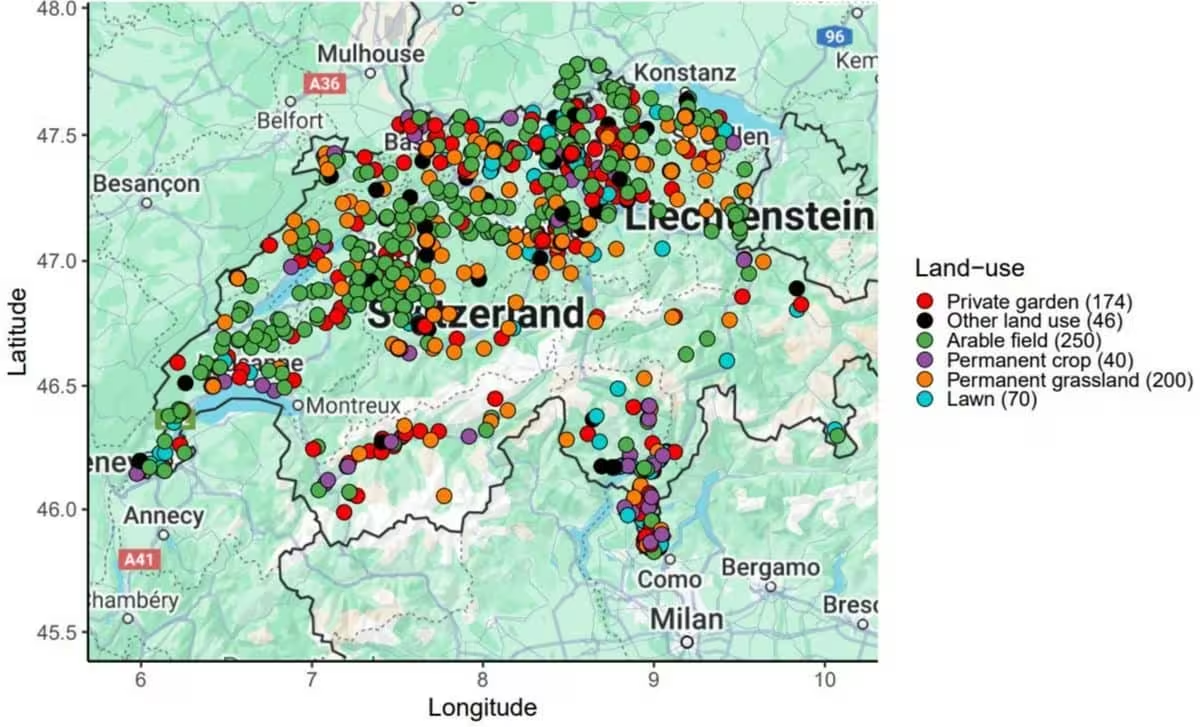
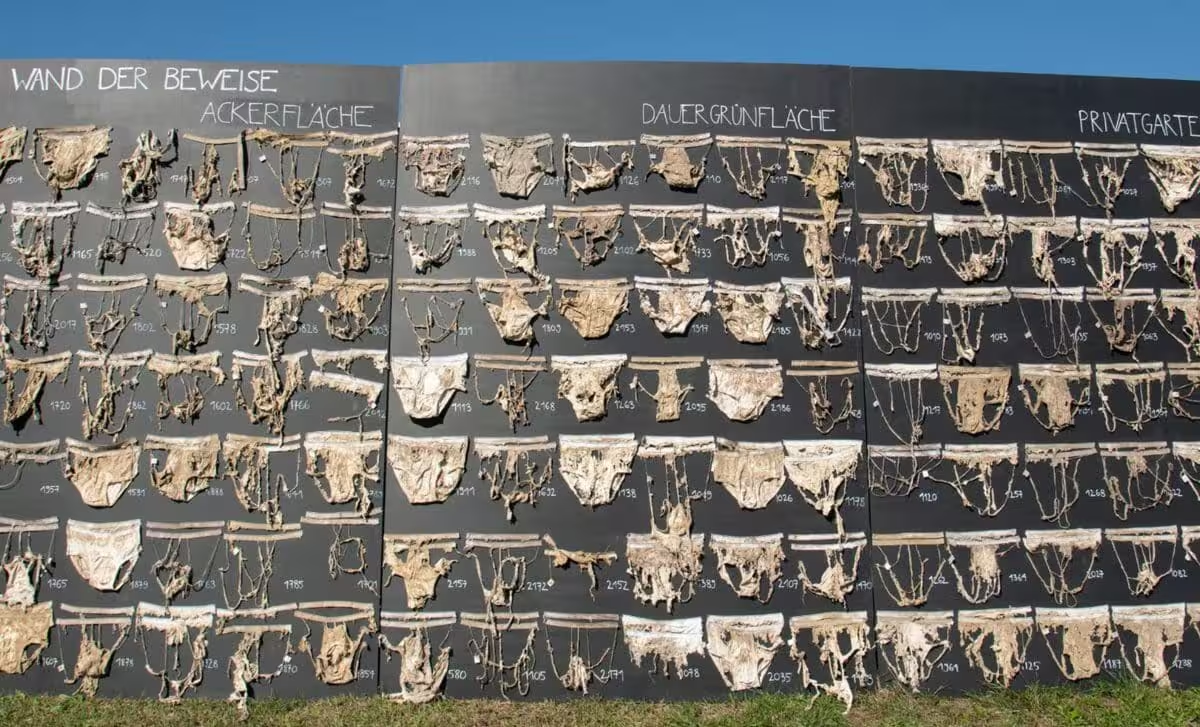
The “Underpants Index” demonstrated a clear correlation: the faster the fabric vanished, the more biologically active the soil. Private gardens often exhibited the highest rates of decomposition, suggesting these plots are teeming with the microorganisms necessary to break down organic waste. While agricultural lands also showed healthy levels of biological activity, the results for manicured residential lawns were notably different.
The Hidden Ecological Cost of Manicured Lawns
According to the researchers, fabrics buried beneath standard lawns broke down significantly slower than those in gardens or permanent grasslands. This disparity may point to the ecological limitations of the modern lawn, which often functions as an artificial monoculture that relies on heavy maintenance, synthetic chemical inputs, and artificial watering, ultimately stifling the complex biological communities found in more diverse landscapes.
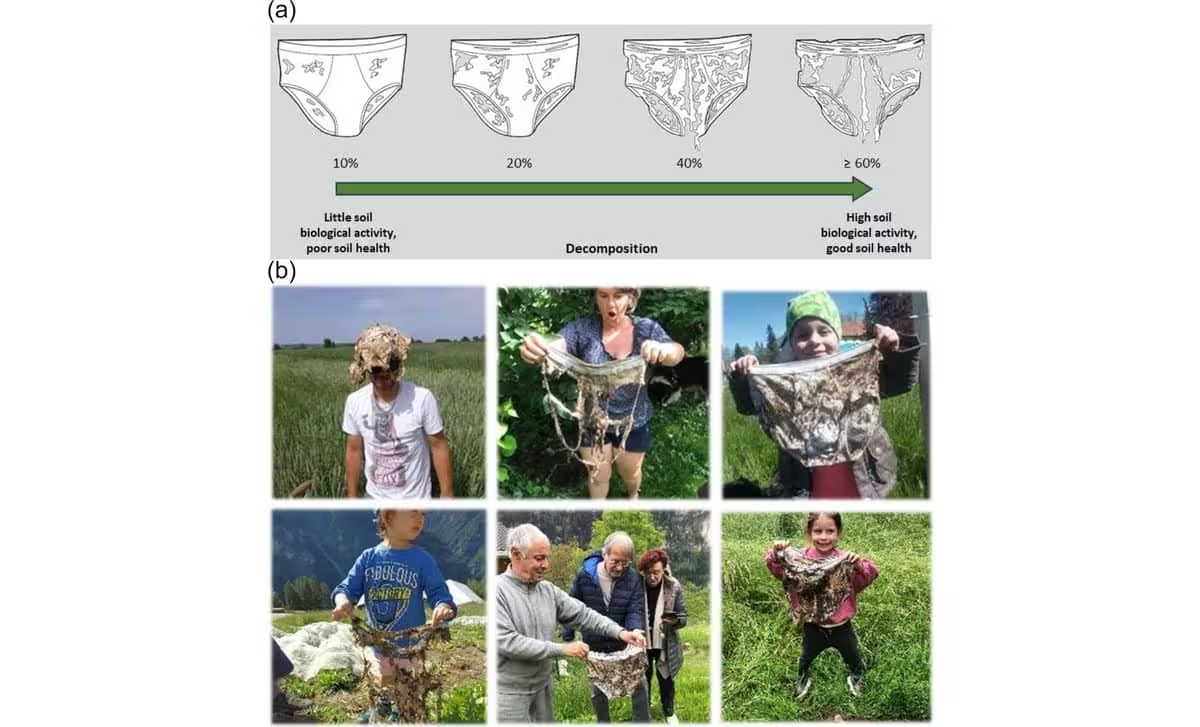
While this method is not intended to supersede sophisticated laboratory testing, it offers a powerful visual tool for public engagement. By translating abstract concepts of soil health into a tangible demonstration of decay, the researchers highlighted the fragility of the environment just beneath the surface. It is a striking reminder that the health of our planet is inextricably linked to the unseen life working in the dirt beneath our feet.
This article has been fact checked for accuracy, with information verified against reputable sources. Learn more about us and our editorial process.
Last reviewed on .
Article history
- Latest version
Reference(s)
- Bender, S. Franz., et al. “Soil health assessment using buried cotton underpants with the help of 1000 citizen scientists.” PLANTS, PEOPLE, PLANET, August 26, 2026 Wiley, doi: 10.1002/ppp3.70259. <https://nph.onlinelibrary.wiley.com/doi/10.1002/ppp3.70259>.
Cite this page:
- Posted by Hassan Raza