New Fossil Discovery Rewrites The Timeline Of The World’s Earliest Dinosaurs
A new dinosaur species discovered in Tanzania suggests that the earliest dinosaurs may have evolved millions of years later than previously thought.
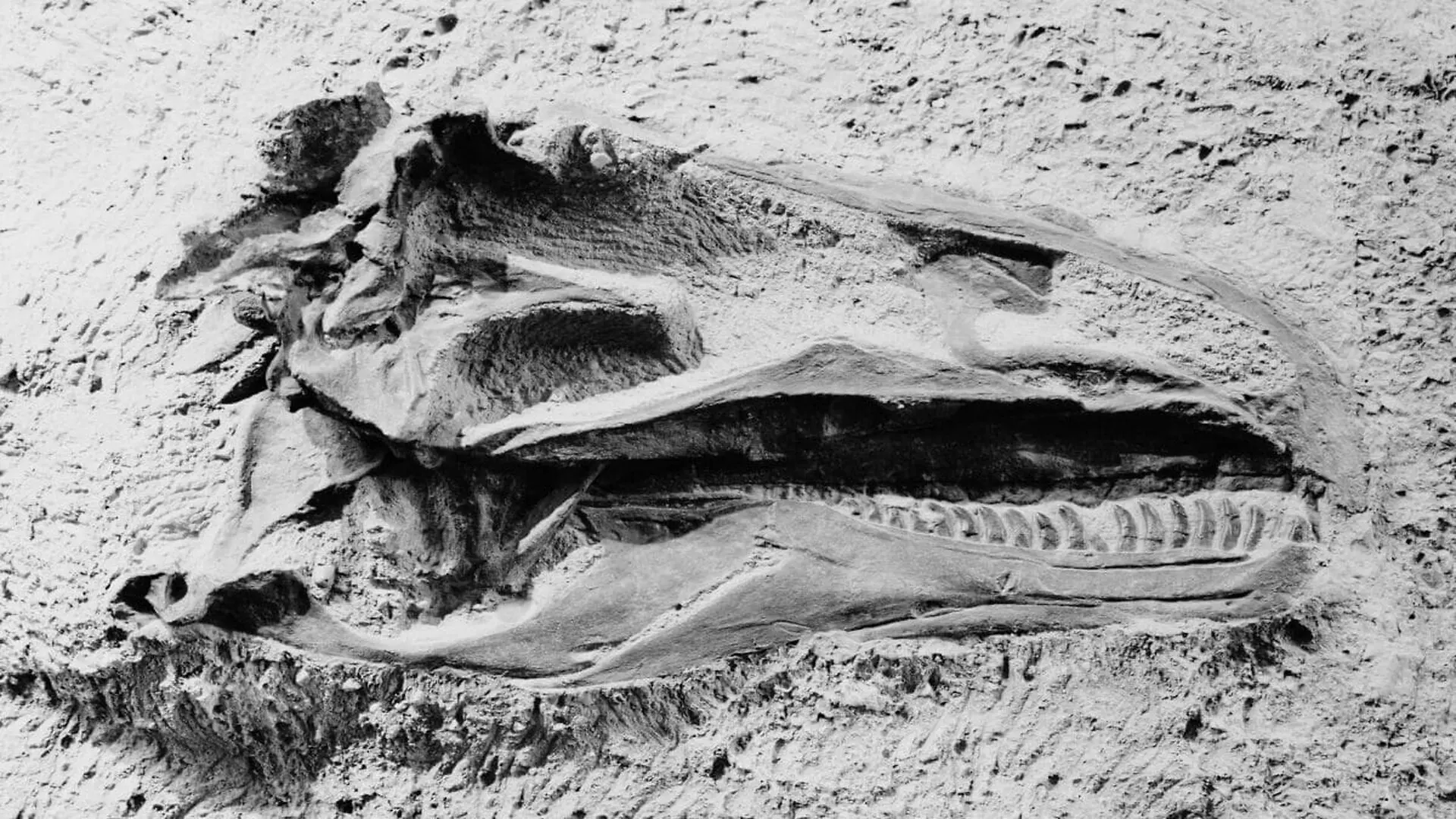
A newly identified species of tusked, plant-eating reptile discovered in Tanzania is forcing paleontologists to recalibrate the timeline of early dinosaur evolution. The discovery of Dinodontosaurus isiyavamanda, a synapsid distantly related to the ancestors of modern mammals, suggests that the rock layers containing some of the world’s oldest potential dinosaur remains are significantly younger than previously assumed.
The fossilized remains were recovered from the mid-to-upper Lifua Member of the Manda Beds in Tanzania’s Ruhuhu Basin. This geological formation is a critical site for understanding Triassic life, as it also serves as the resting place for Nyasasaurus parringtoni, a creature widely considered a candidate for one of the earliest known dinosaurs. By linking the Manda Beds to fossil-rich sites in South America, researchers have effectively pushed the age of these Tanzanian deposits forward in the geological record.
A Transatlantic Fossil Connection
For decades, the age of the mid-to-upper Lifua Member was thought to align with the Anisian stage of the Triassic, roughly 247 to 242 million years ago. However, the identification of Dinodontosaurus isiyavamanda—the first time this genus has been documented outside of South America—provides a new biostratigraphic anchor. The findings, published in the Journal of Vertebrate Palaeontology, correlate the Tanzanian strata with South American formations like the Chañares Formation in Argentina and Brazil’s Dinodontosaurus Assemblage Zone.
This synchronization suggests the Tanzanian site is more likely of late Ladinian to Carnian age, spanning approximately 242 to 227 million years ago. Because the fossils found within these rocks are used to map the emergence of major Mesozoic animal groups, this chronological shift fundamentally changes the timing of when early dinosaurs appeared in the fossil record.
Unlocking Decades-Old Collections
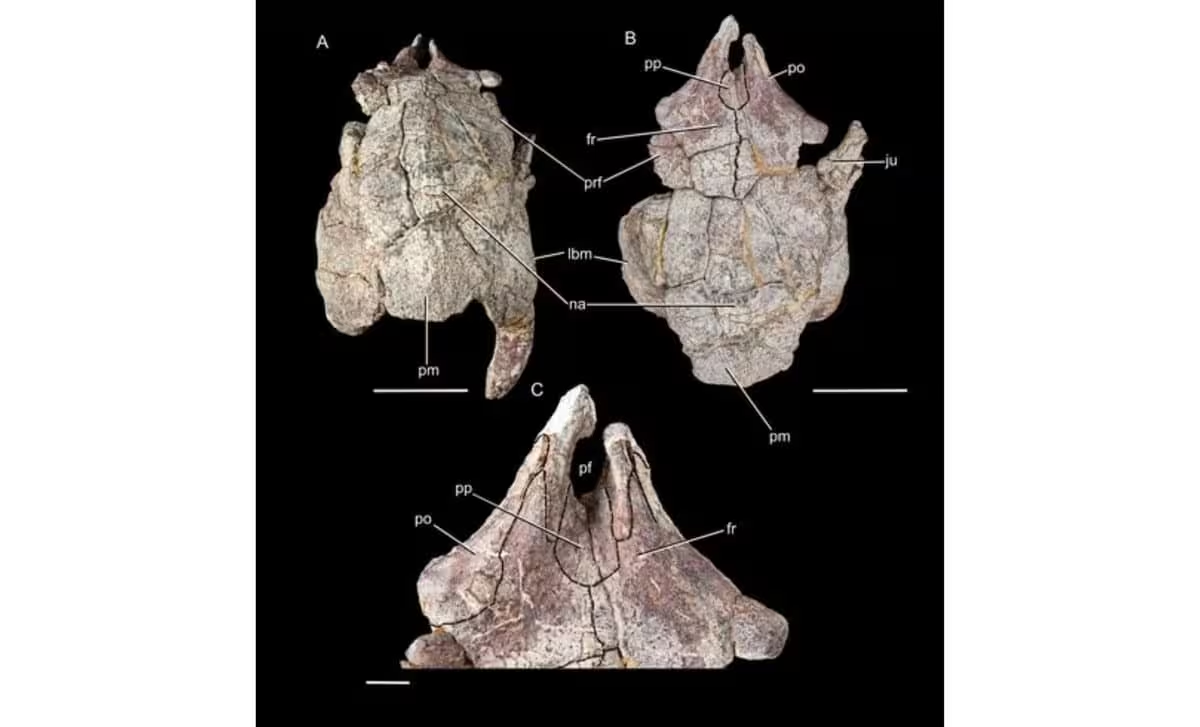
The journey to identifying D. isiyavamanda highlights the enduring value of museum archives. The primary holotype specimen, cataloged as NHMUK PV R 12710, was pulled from the Tanzanian soil in 1963 during a joint expedition by the British Museum (Natural History) and the University of London. It sat in storage for over 60 years before modern analytical techniques brought its significance to light.
“This fossil specimen from Tanzania has been in our care for over 60 years, and it’s wonderful that its identity has now been brought to light,” said Mike Day, a curator at the Natural History Museum in London. A second specimen, collected in 2012, provided further data for the team. By utilizing X-ray computed tomography and surface scanning, the researchers confirmed the animal’s place within the genus through rigorous Bayesian and parsimony phylogenetic analyses.
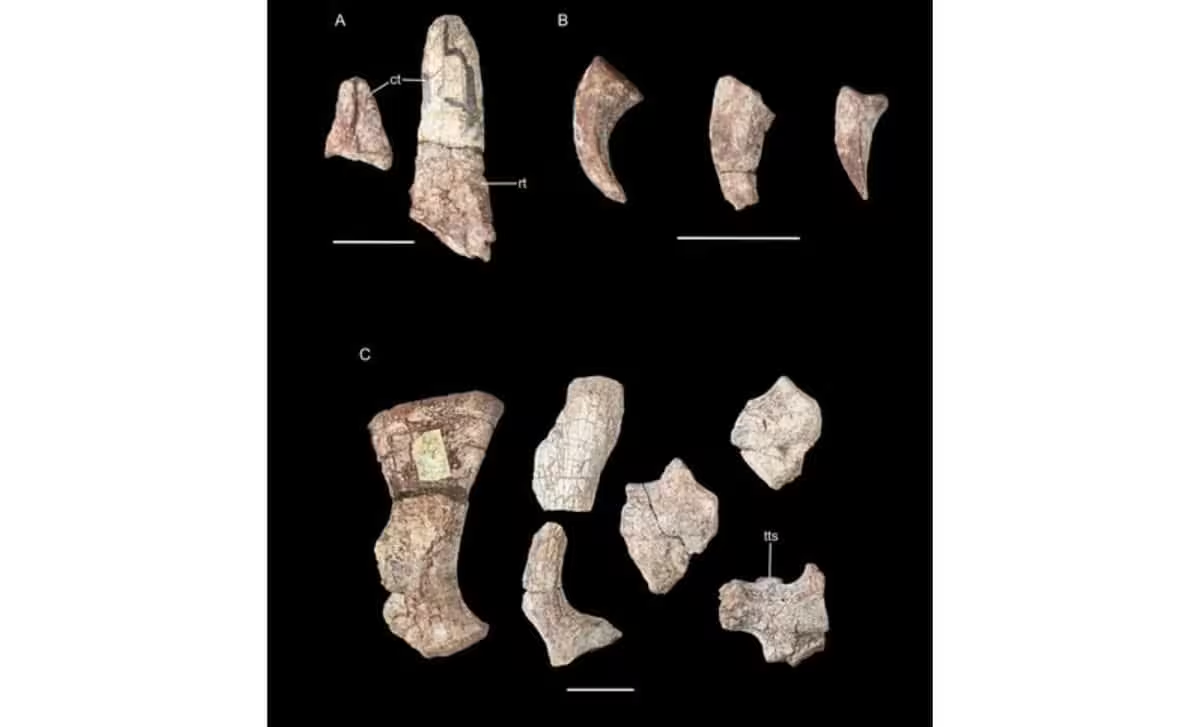
While sharing a genus with South American counterparts, the new species exhibits distinct anatomical traits, particularly in its palate and the structure of its jaw, which researchers believe may point to specialized feeding habits. These unique adaptations suggest the dicynodonts were finely tuned to their specific ecological niches in the Triassic landscape.
Rethinking Early Dinosaur Origins
Lead author Hady George of the University of Bristol emphasized that the discovery does more than just add a name to the species list. It serves as a vital bridge between isolated fossil sites, proving that these diverse animals were navigating a much more connected world than previously interpreted.
For paleontologists studying the dawn of the dinosaurs, this correction is essential. By placing the Lifua Member within the late Ladinian to Carnian window, the research team has set a new standard for future investigations. As these scientists continue to analyze the origins of major Mesozoic groups, they must now factor in this updated chronology, reminding the community that while the fossils themselves remain unchanged, our understanding of their place in the ancient timeline is a constant work in progress.
This article has been fact checked for accuracy, with information verified against reputable sources. Learn more about us and our editorial process.
Last reviewed on .
Article history
- Latest version
Reference(s)
- George, Hady., et al. “Craniomandibular osteology of Dinodontosaurus isiyavamanda sp. nov. (Therapsida: Anomodontia) from the Manda Beds of Tanzania and new support for a younger age for the alleged oldest dinosaurs.” Journal of Vertebrate Paleontology, September 15, 2026 Informa UK Limited, doi: 10.1080/02724634.2026.2692542. <https://www.tandfonline.com/doi/full/10.1080/02724634.2026.2692542>.
- “Dr Mike Day | Natural History Museum.” <https://www.nhm.ac.uk/our-science/people/mike-day.html>.
- “Mr Hady George - Our People.” <https://www.bristol.ac.uk/people/person/Hady-George-2f52b1e2-37e2-4146-b1ef-fdce8ca5e757/>.
Cite this page:
- Posted by Hassan Raza