Scientists Found Human Trash in an Unexplored Deep Sea Canyon Before They Ever Arrived
New research reveals that ancient Martian rocks may have sequestered massive amounts of carbon dioxide underground, reshaping our view of Mars’ climate.
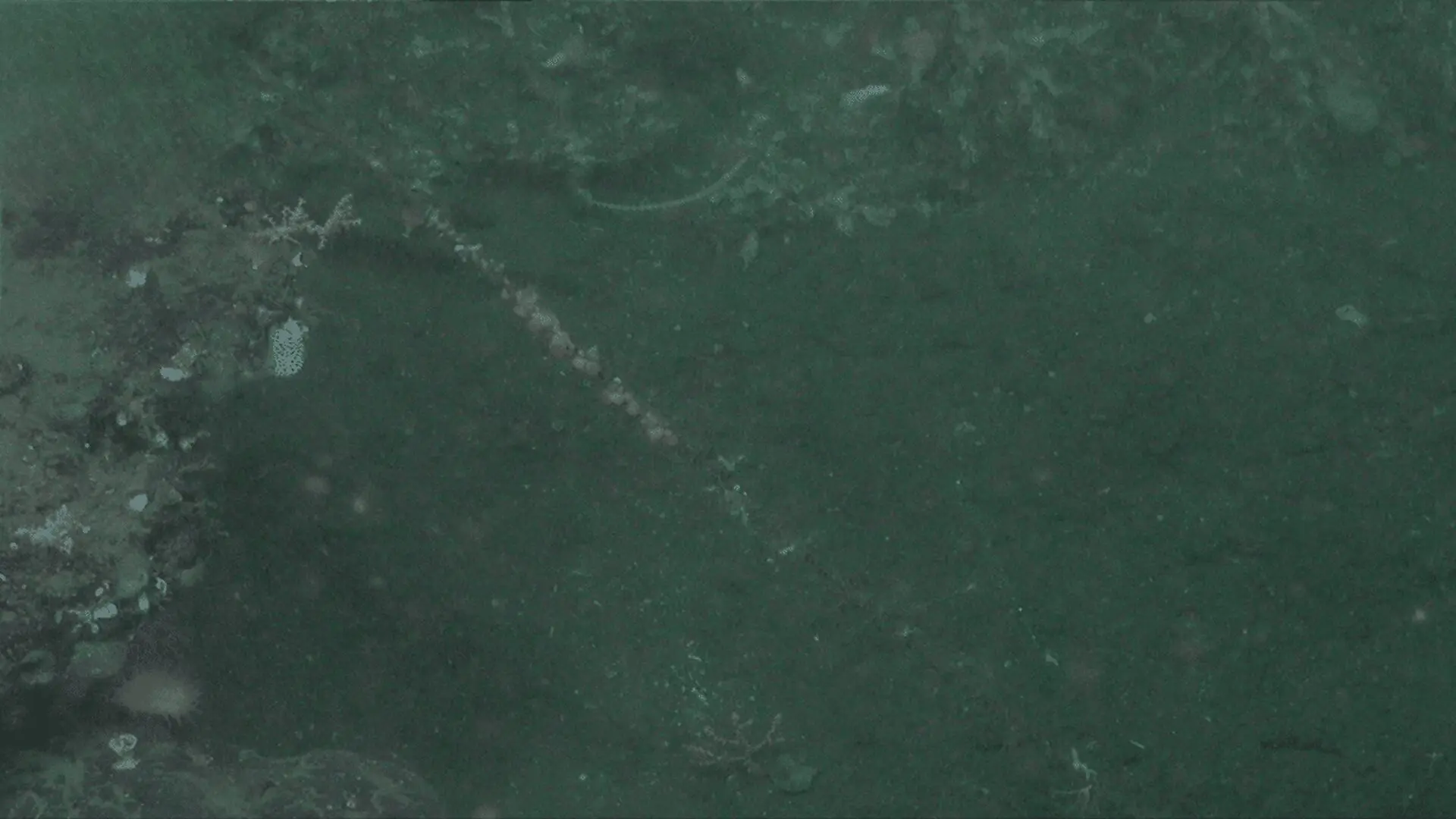
A recent deep-sea expedition has unveiled a sobering reality about human reach, revealing that discarded trash has arrived in one of the ocean’s most isolated regions long before scientists were able to study it. During a 2025 mission to the Mar del Plata Submarine Canyon off the coast of Argentina, researchers documented an array of plastic packaging and fishing debris resting more than 1,100 meters below the surface, according to findings published in the journal PLOS One.
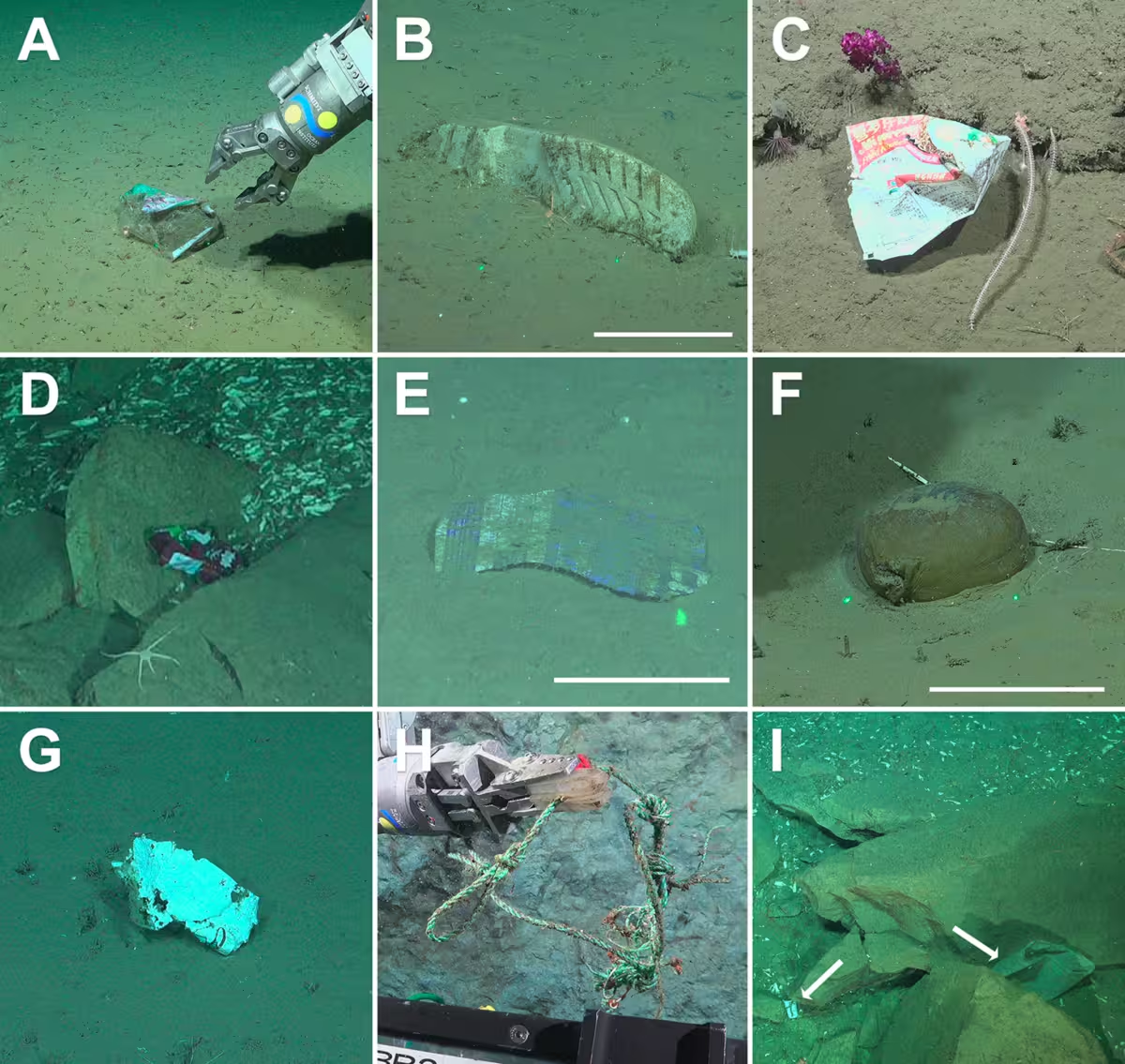
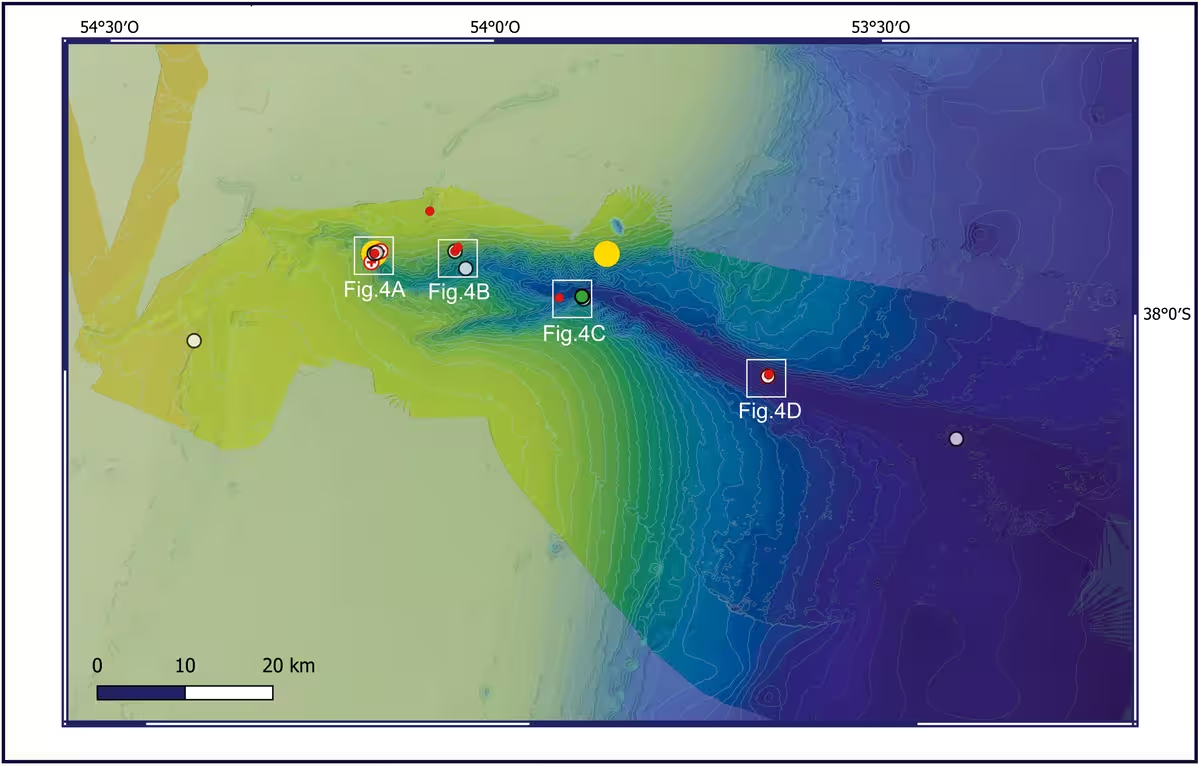
The mission was initially intended to catalog the biodiversity of the seafloor rather than its pollution levels. However, as the remotely operated vehicle (ROV) SuBastian, launched from the research vessel Falkor(too), navigated the rugged terrain, it consistently encountered remnants of human industry. Across 17 dives, the team logged 29 distinct items of human-made refuse at depths reaching 3,820 meters.
Signs of Human Impact in the Deep Ocean
Submarine canyons serve as massive, natural conduits that channel nutrients and sediments toward the deep ocean, making them ecological hotspots. The Mar del Plata canyon, shaped by the confluence of the warm Brazil Current and the cold Malvinas Current, represents a complex, dynamic environment. Marine biologist Diego Urteaga of the Grupo de Estudios del Mar Profundo de Argentina (GEMPA) noted that while the primary focus was on benthic biodiversity, the prevalence of litter demanded documentation.
The items discovered, which included discarded nylon ropes with hooks, food wrappers, plastic bags, and even an instant noodle container, were not distributed uniformly. Instead, they appeared to aggregate along steep canyon walls and deep channels, suggesting that the same currents that move organic matter are also concentrating synthetic debris in specific underwater zones.
Tracing the Source of Ocean Waste
Because the canyon is located hundreds of kilometers from the coast, the researchers believe the debris is likely linked to offshore maritime activities rather than land-based urban runoff. The character of the items—specifically fishing gear and durable, ship-grade packaging—points to commercial vessels operating in open waters as the primary contributors.
“The characteristics of the litter we found are more consistent with waste generated by vessels operating offshore, particularly fishing vessels, than with urban sources,” Urteaga explained. “This suggests that human activities at sea may be a major contributor to the litter reaching the Mar del Plata Submarine Canyon.”
Unexpected Interactions in the Benthic Ecosystem
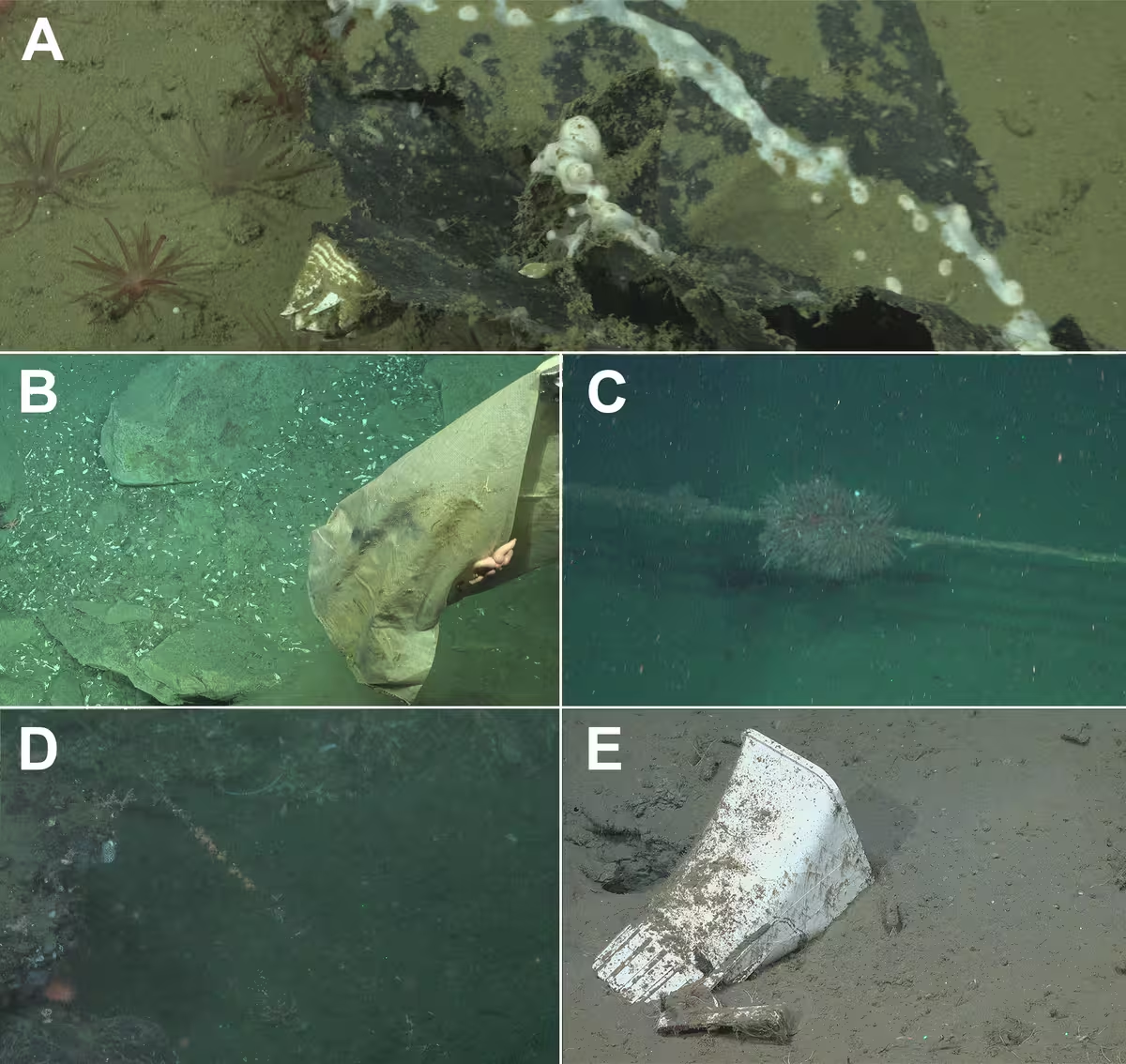
Perhaps most concerning to biologists is the way native fauna are interacting with this synthetic intrusion. ROV footage revealed several instances of sessile organisms, such as sea stars and polychaete worms, using plastic bags and nylon rope as makeshift habitats or anchor points. This shift suggests that human waste is being integrated into the structural fabric of deep-sea communities, potentially facilitating the migration of species into regions they would not naturally occupy.
“The colonization of litter by sessile organisms can turn human debris into an artificial substrate in the deep sea, potentially altering local communities,” said Urteaga. While the density of trash found in the Mar del Plata canyon—roughly three items per kilometer—is significantly lower than that observed in other, more coastal submarine canyons, the researchers emphasize that these findings are likely an undercount of the true extent of pollution, as much of the waste may be buried under seafloor sediment.
The team plans to expand their research to other underwater canyons throughout the region, hoping to better understand the scope of human impact on these “last frontiers.” For the researchers, the mission served as a stark reminder that even the most remote, light-deprived environments on the planet are increasingly vulnerable to the reach of human consumption.
“The deep sea encompasses most of our planet, yet it remains largely unknown, making it one of the last great frontiers of exploration and discovery,” Urteaga remarked. “I hope our findings help raise awareness of the impact we are having on an environment that is both distant and largely unknown to us.”
This article has been fact checked for accuracy, with information verified against reputable sources. Learn more about us and our editorial process.
Last reviewed on .
Article history
- Latest version
Cite this page:
- Posted by Hassan Raza