Stunning Blue Amber Deposit In Spain Reveals 105 Million Years Of Ancient Life
Rare 105-million-year-old amber discovered in Spain reveals exceptionally preserved prehistoric life trapped in stunning clarity.
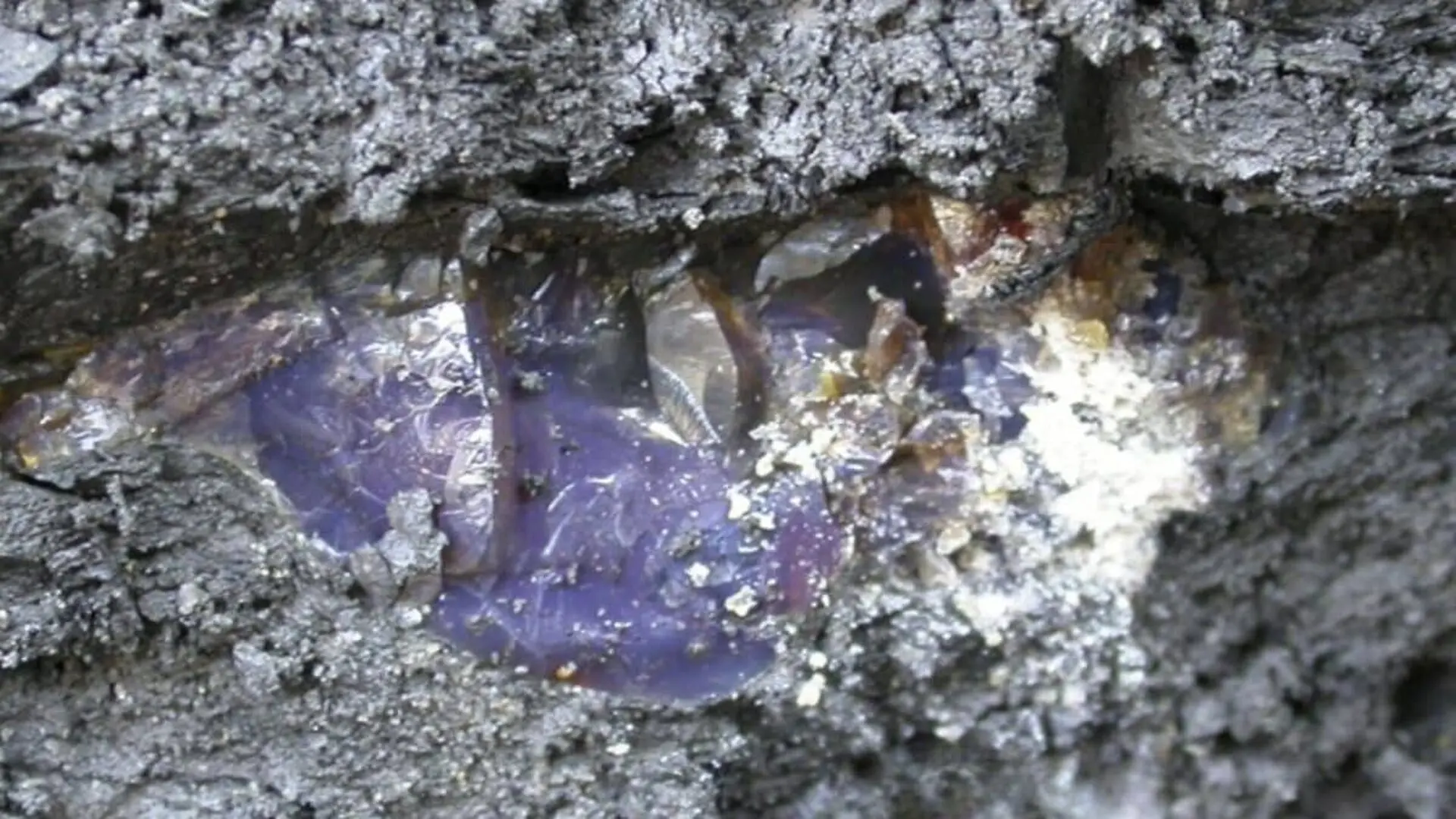
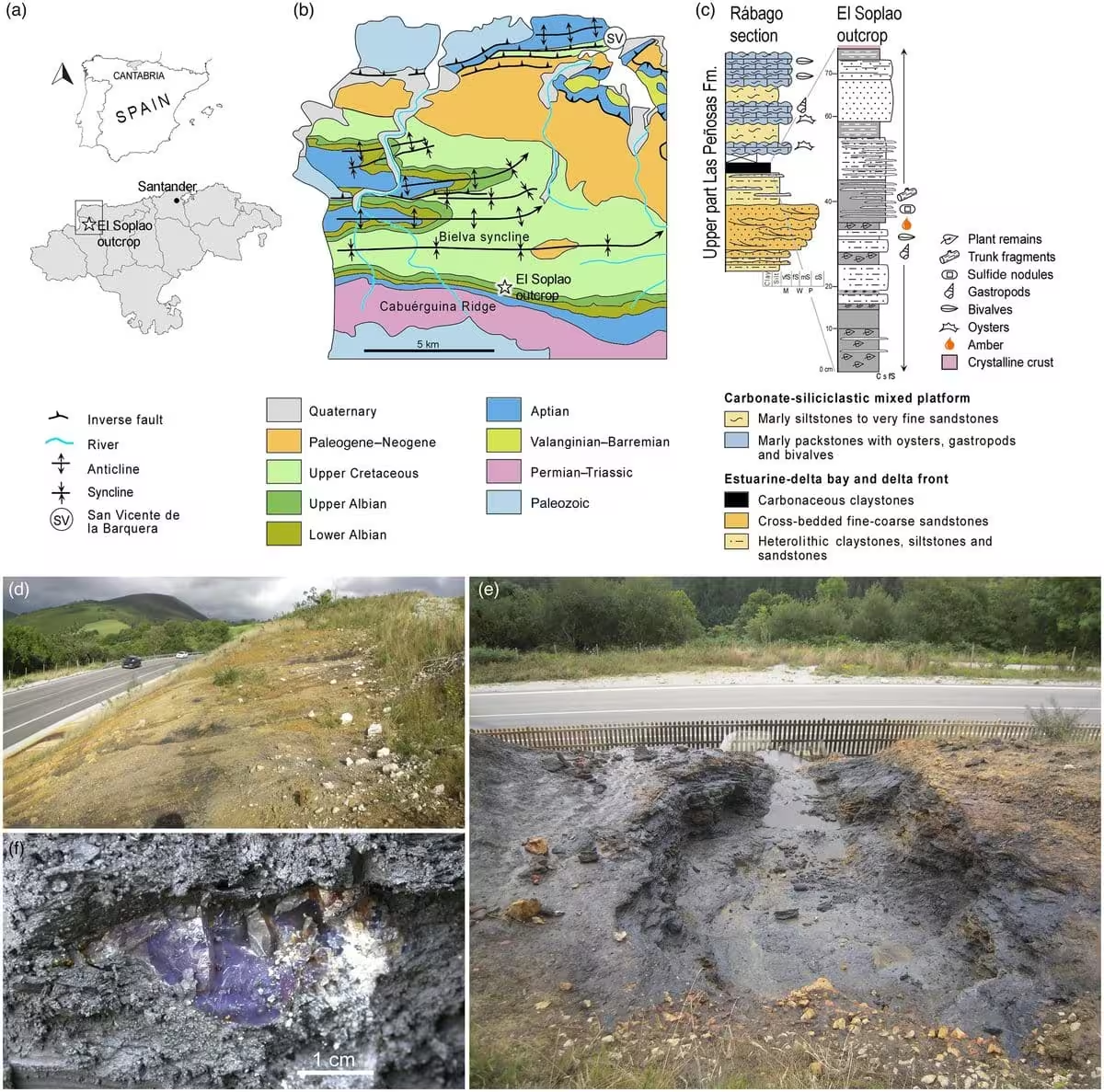
In the rugged hills of Cantabria, northern Spain, an accidental discovery made during routine roadwork has unveiled a spectacular portal into the Cretaceous period. The El Soplao site, which dates back approximately 105 million years, has proven to be a treasure trove for paleontologists, yielding over 1,500 arthropod specimens and at least 40 species previously unknown to science.
A Fortuitous Discovery
The site was first exposed in 2005 during construction activities, though it remained overlooked by the scientific community until geologists recognized its significance two years later. Nearly two decades of subsequent excavation have solidified its status as a reference Konservat-Lagerstätte, a rare type of fossil deposit characterized by exceptional preservation. These sites are invaluable to researchers because they provide a holistic view of ancient ecosystems rather than fragmented glimpses of individual organisms.
According to a comprehensive review published August 13, 2026, in the Journal of the Geological Society, the amber dates to the Albian stage of the Early Cretaceous. This was a pivotal era marked by the decline of traditional conifer forests and the rising dominance of emerging flowering plants.
The Mystery of the Blue-Violet Glow
One of the most striking characteristics of the El Soplao amber is its distinct blue-violet fluorescence, a phenomenon attributed to the presence of the chemical compound guaiazulene. This rare coloration distinguishes it from other global amber deposits of similar antiquity. Dr. Alba Sánchez-García of the Universitat de València and her team suggest that this resin originated from the Cheirolepidiaceae family of conifers, which were prolific resin-producers during that period.
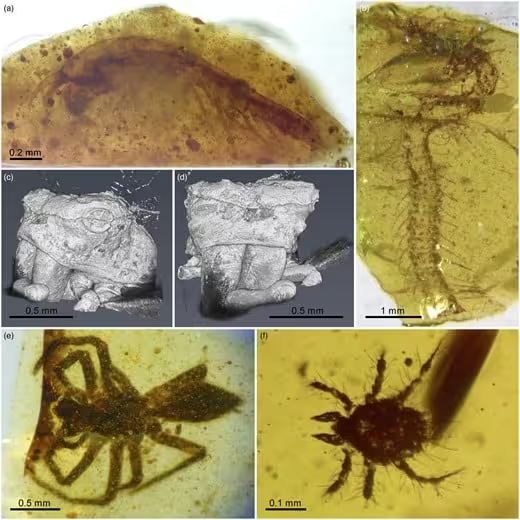
While the specimens are often preserved as hollow casts, the level of anatomical detail captured in the resin is extraordinary. The researchers note that while impressions are typically rare in the fossil record, the El Soplao site has yielded significant examples, such as delicate wing imprints and axes from Frenelopsis trees embedded directly into large flows of resin.
Behavioral Snapshots in Time
Beyond simple preservation, the site provides rare insights into the behaviors of ancient creatures. Among the notable findings are the world’s oldest known tick and the lacewing larva Hallucinochrysa diogenesi, which displays a defensive camouflage strategy involving debris-carrying that remains nearly identical to the behavior of its modern descendants.
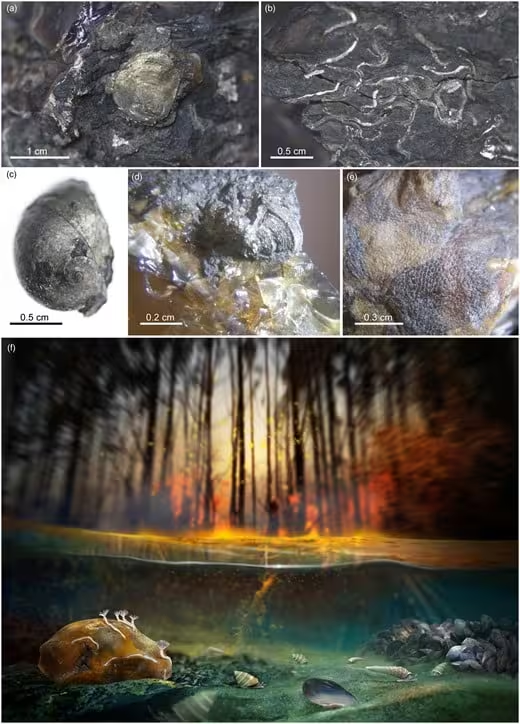
The amber also preserves critical evidence of ecological interactions. Scientists have identified a fly frozen in the act of feeding, carrying pollen from an extinct gymnosperm on its body—a clear indicator of insect-mediated pollination long before the full rise of flowering plants. Additionally, the discovery of dinosaur feathers, likely snagged from animals as they brushed against sticky, flowing resin, adds a layer of vertebrate history to the site’s rich arthropod record.
Ongoing Scientific Puzzles
Despite the abundance of spiders, crustaceans, and various invertebrates found within the deposits, the site continues to baffle experts with one glaring omission: the total absence of ants. While ants from the same period have been discovered in other parts of the world, they are notably absent from the Spanish record.
To address these lingering mysteries, researchers continue to apply advanced analytical techniques to the ongoing fieldwork. By integrating new data into current models, the team hopes to refine their understanding of the taphonomic pathways and ecological dynamics that allowed such a vibrant prehistoric world to be preserved for millions of years.
This article has been fact checked for accuracy, with information verified against reputable sources. Learn more about us and our editorial process.
Last reviewed on .
Article history
- Latest version
Cite this page:
- Posted by Hassan Raza