How Giant Dinosaurs Used a Crocodile Trick to Raise Their Young in Freezing Climates
New fossil evidence reveals that some of the largest dinosaurs thrived in surprisingly cold climates, defying long-held beliefs about their nesting habits.
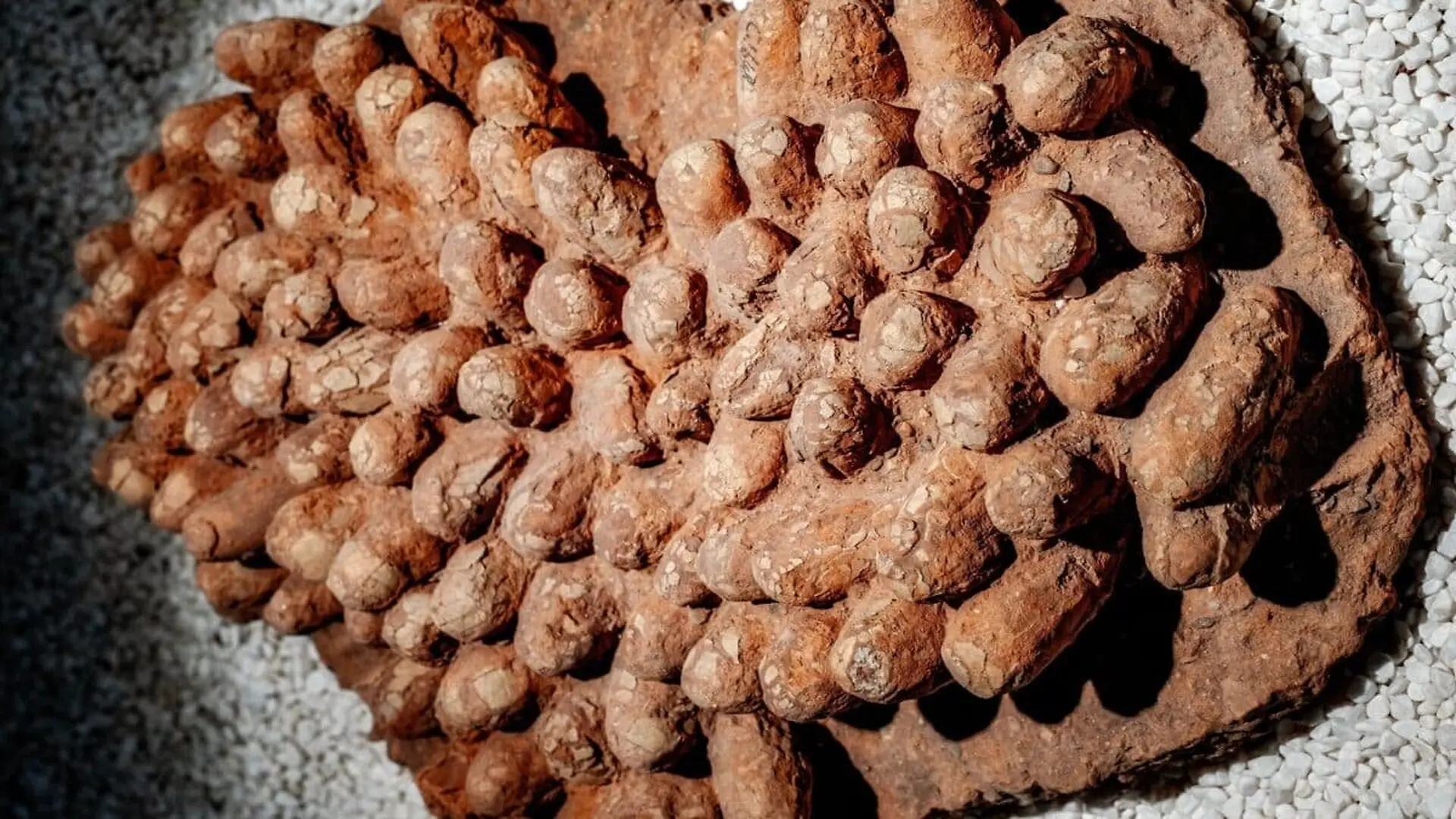
New evidence uncovered in the rugged landscapes of southern Argentina suggests that titanosaurs, the colossal long-necked dinosaurs that dominated the prehistoric world, were far more resilient than previously believed. By analyzing fossilized eggshell fragments from the Chorrillo Formation, researchers have discovered that these massive sauropods successfully bred in high-latitude environments, where temperatures were significantly cooler than the tropical regions typically associated with dinosaur nesting.
The study, published in Royal Society Open Science, highlights a sophisticated reproductive strategy that allowed these giants to flourish in climates similar to modern-day New York City, rather than the equatorial warmth once thought necessary for their development.
Surviving the Chill with Ancient Ingenuity
The discovery rests on 255 egg fragments recovered between 2020 and 2024. These fossils date back approximately 68 million years to an era when the Argentine site was positioned between 55 and 60 degrees south latitude. Paleontologist Darla Zelenitsky of the University of Calgary, a co-author of the research, notes that reproducing in such high-latitude regions presented a major survival challenge for such massive animals, primarily due to the difficulty of maintaining stable environmental conditions for developing embryos.
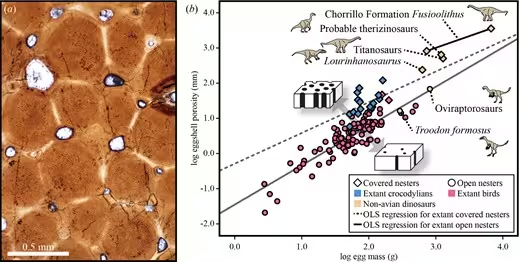
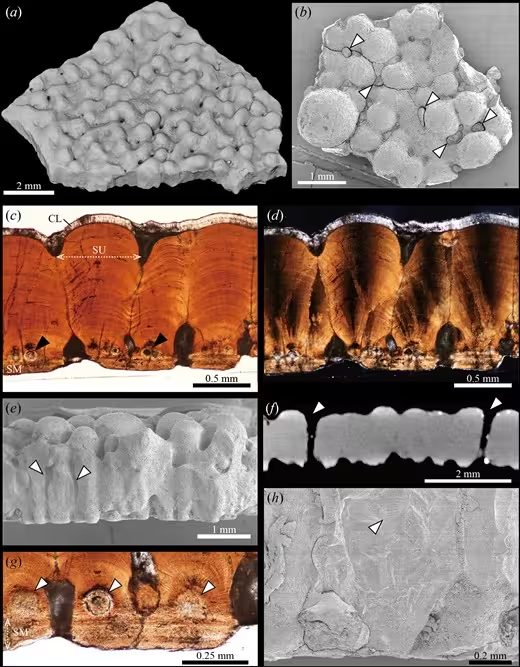
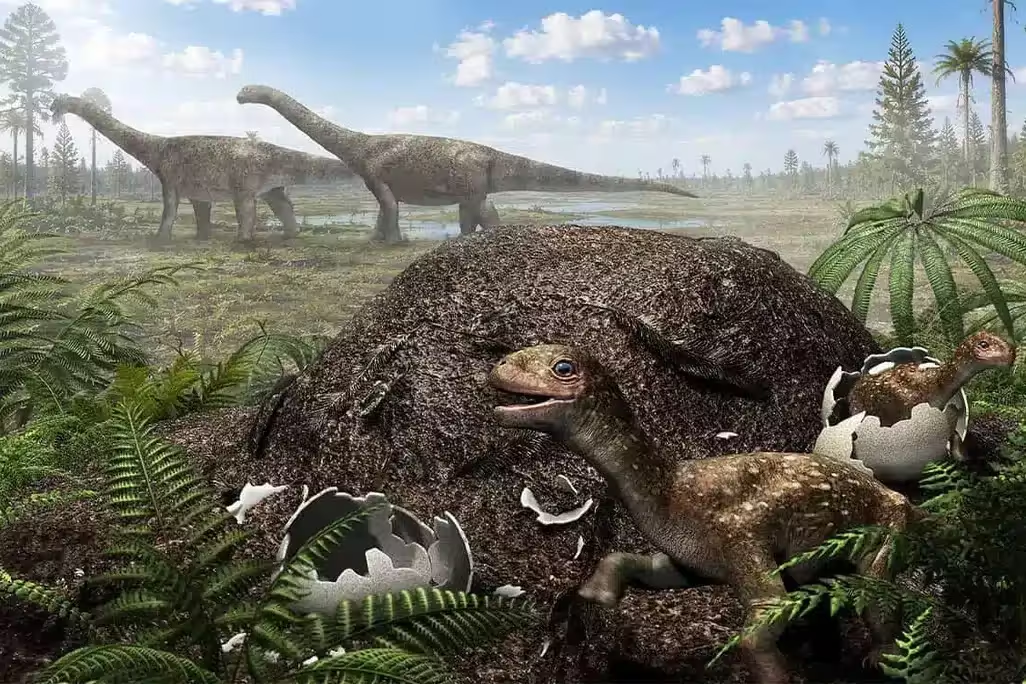
To determine how these dinosaurs overcame the cold, the team utilized micro-CT scanning and high-powered microscopy to examine the fossilized shells. The results revealed an unusually high degree of porosity. In an exposed environment, such thin and porous shells would have caused the embryos to desiccate rapidly. The researchers conclude that titanosaurs likely bypassed this threat by employing a nesting technique still seen in modern crocodilians: burying their clutches beneath piles of sand and decomposing vegetation.
This organic material would have served a dual purpose. As the vegetation decayed, it generated metabolic heat to insulate the nest, while the moisture retained within the mound ensured the eggs remained hydrated throughout the incubation period.
A Scientific Perspective on Nesting Adaptations
The implications of the find extend beyond simple climate tolerance. University of Toronto paleontologist Robert Reisz, who was not involved in the study, praised the findings for clarifying how these enormous creatures managed to breed in challenging environments. He remarked that the evidence for mound incubation as a primary thermal source for titanosaurs is a particularly compelling aspect of the research.
The Mystery of the Parent Species
While the eggshells offer a window into titanosaur behavior, the specific species responsible for the nest remains unidentified. Fossilized teeth discovered in the vicinity of the site confirm that colossosaurian titanosaurs inhabited the region, yet there is no direct stratigraphic link between these skeletal remains and the egg clutches found nearby.
Despite the lack of a definitive species match, the discovery significantly expands our understanding of sauropod biology. It proves that these animals were capable of high-level environmental adaptation, requiring only sufficient nutritional resources to support their growth from hatchling to massive adult. The study underscores the remarkable versatility of one of Earth’s most successful lineages, proving that even the largest creatures were capable of navigating the limitations of the planet’s most unforgiving climates.
This article has been fact checked for accuracy, with information verified against reputable sources. Learn more about us and our editorial process.
Last reviewed on .
Article history
- Latest version
Reference(s)
- <https://royalsocietypublishing.org/rsos/article/13/9/260333/483231/Titanosaur-eggshells-from-the-latest-Cretaceous-of>.
- “Darla Zelenitsky.” UCalgary Profiles <https://profiles.ucalgary.ca/darla-zelenitsky>.
- “Robert R. Reisz | Biology.” <https://www.utm.utoronto.ca/biology/people/robert-r-reisz>.
Cite this page:
- Posted by Hassan Raza