Ancient Stone Tools Found in Oregon Cave Could Rewrite the History of Human Arrival in America
Archaeologists have discovered 15,000-year-old artifacts buried under volcanic ash, including a tool containing blood from an extinct animal species.
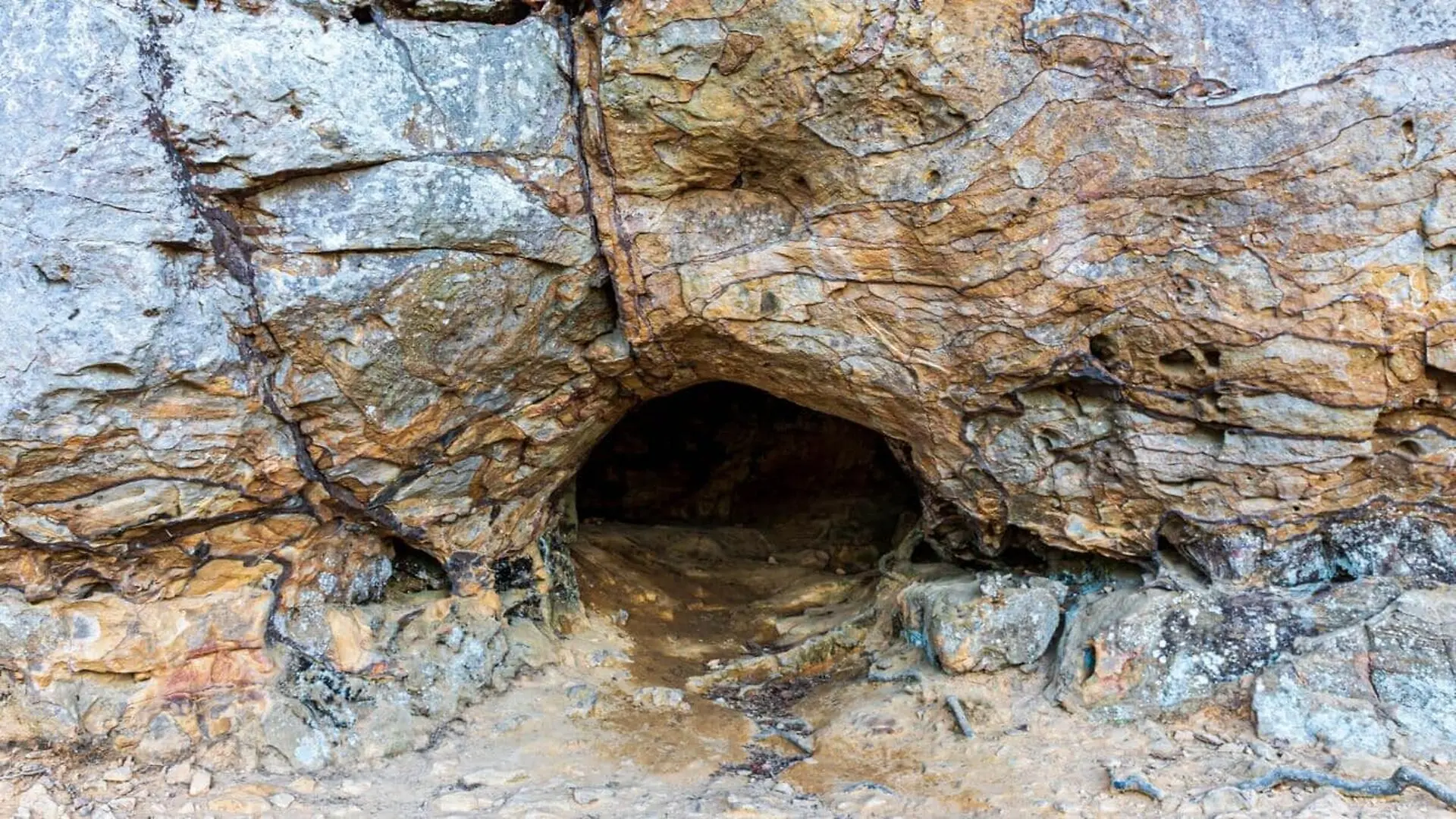
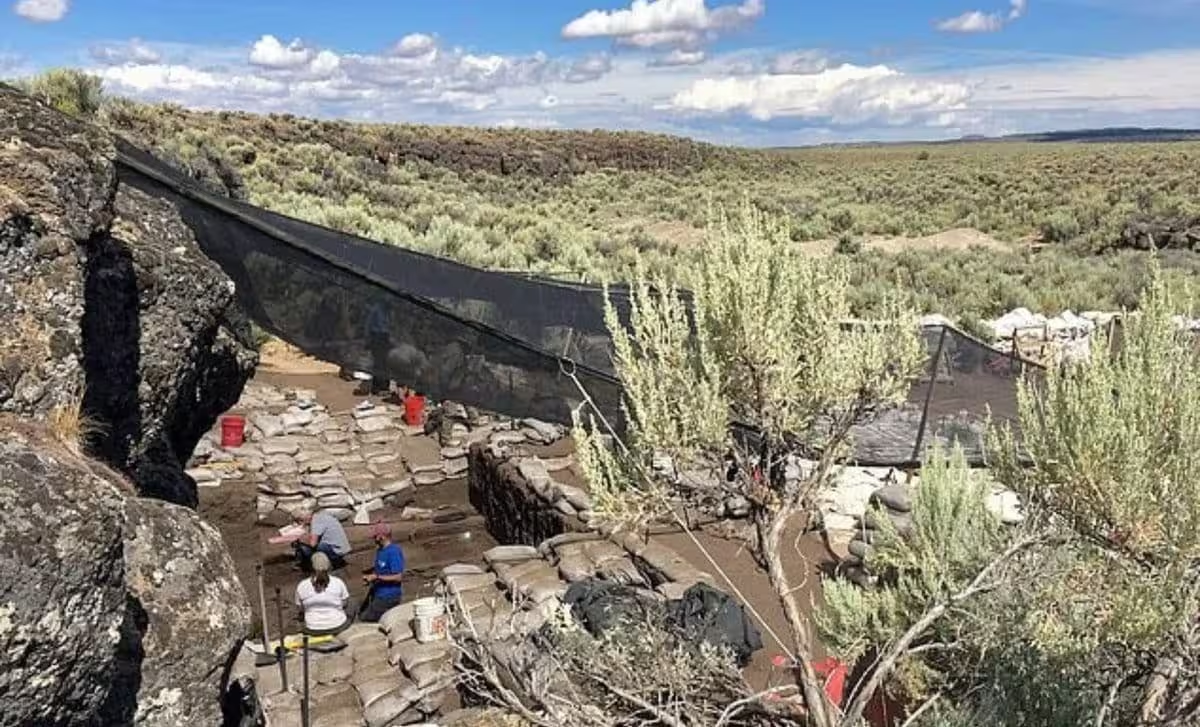
Archaeological evidence unearthed from a remote rock shelter in Oregon is challenging established narratives regarding the human colonization of the Americas. Findings at the site, known as Rimrock Draw, suggest that human populations may have been present on the continent as early as 18,250 years ago, pushing back the accepted timeline by several millennia.
For decades, the dominant academic consensus held that the first human arrivals crossed from Asia into North America roughly 13,000 years ago via an ice-free inland corridor. However, the discovery at Rimrock Draw reinforces a growing body of evidence supporting an alternative theory: that early humans migrated along the Pacific coastline long before the interior routes became traversable. University of Oregon researchers have been conducting field studies at the location for years, and while the current findings remain subject to peer review, they are already prompting a significant reevaluation of early migration patterns.
Evidence Trapped Beneath Volcanic Strata
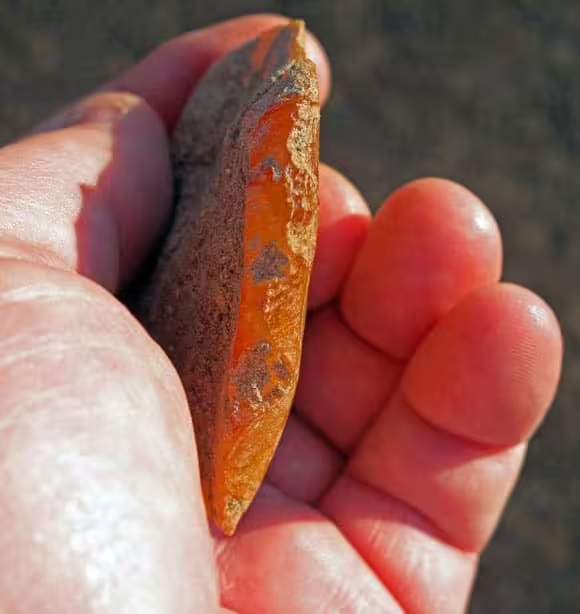
The investigation centers on two stone tools fashioned from orange agate. These artifacts were discovered situated beneath a layer of volcanic ash originating from a Mount St. Helens eruption that occurred more than 15,000 years ago. Analysis revealed traces of bison blood on one of the tools, indicating its use in butchering or processing animal remains. Furthermore, these artifacts were found layered beneath tooth fragments from extinct bison and camel species, which were radiocarbon-dated to approximately 18,250 years ago. Because the tools were located in a deeper stratigraphic layer, researchers conclude they represent an even earlier human presence.
Patrick O’Grady, the archaeologist leading the field school at Rimrock Draw, characterized the initial results as a surprise. In a statement from the Bureau of Land Management (BLM), O’Grady noted that the identification of 15,000-year-old ash was unexpected, but the discovery of tools positioned below 18,000-year-old animal remains was even more significant.
Aligning Archaeology with Indigenous Oral Traditions
Beyond the scientific data, the findings appear to resonate with regional tribal oral histories. David Lewis, an anthropology professor at Oregon State University involved in the study, observed that the timeline aligns with indigenous accounts of dramatic geological shifts, including the catastrophic Missoula floods that reshaped the Pacific Northwest between 18,000 and 15,000 years ago. Additionally, Lewis noted that traditional stories describing encounters with massive, ancient creatures may reflect actual prehistoric interactions with megafauna, providing a cultural bridge to the archaeological evidence of human-animal contact found at the site.
A Growing Corpus of Pre-Clovis Evidence
The Rimrock Draw discovery arrives alongside other recent findings that suggest a more complex picture of early North American life. Earlier this year, excavations in Oregon’s northern Great Basin yielded roughly 55 artifacts—including potential early footwear and clothing—dating back 12,000 years. Richard Rosencrance of the University of Nevada, who spearheaded that research, noted that these items demonstrate a level of sophistication in Ice Age communities previously unappreciated by historians.
Dr. Stan McDonald, the BLM’s lead archaeologist for Oregon and Washington, acknowledges that any findings predating the established Clovis culture face rigorous scrutiny. However, he emphasized that the team is focused on compiling comprehensive evidence to substantiate the site’s significance. “While a handful of archaeological sites older than Clovis cultures have been discovered in the past few decades, there is still considerable scrutiny of any finding that appears older,” McDonald said. “With the recent findings at Rimrock Draw Shelter, we want to assemble indisputable evidence because these claims will be scrutinized by researchers. That said, the early discoveries are tantalizing.”

This article has been fact checked for accuracy, with information verified against reputable sources. Learn more about us and our editorial process.
Last reviewed on .
Article history
- Latest version
Reference(s)
- projects, Contributors. “rock shelter in Oregon, United States.”, July 7, 2023 Wikimedia Foundation, Inc. <https://en.wikipedia.org/wiki/Rimrock_Draw_Rockshelter>.
- “Testing Yields New Evidence of Human Occupation 18,000 years ago in Oregon | Bureau of Land Management.”, July 6, 2023 Bureau of Land Management <https://www.blm.gov/press-release/testing-yields-new-evidence-human-occupation-18000-years-ago-oregon>.
Cite this page:
- Posted by Hassan Raza