CT Scans Rewrite Inca Child Mummies’ Deaths: Head Blow, Not Freezing, After Long Journey
New study of three Andes mummies uncovers surprising evidence that reshapes our understanding of the Inca empire’s enigmatic rituals.
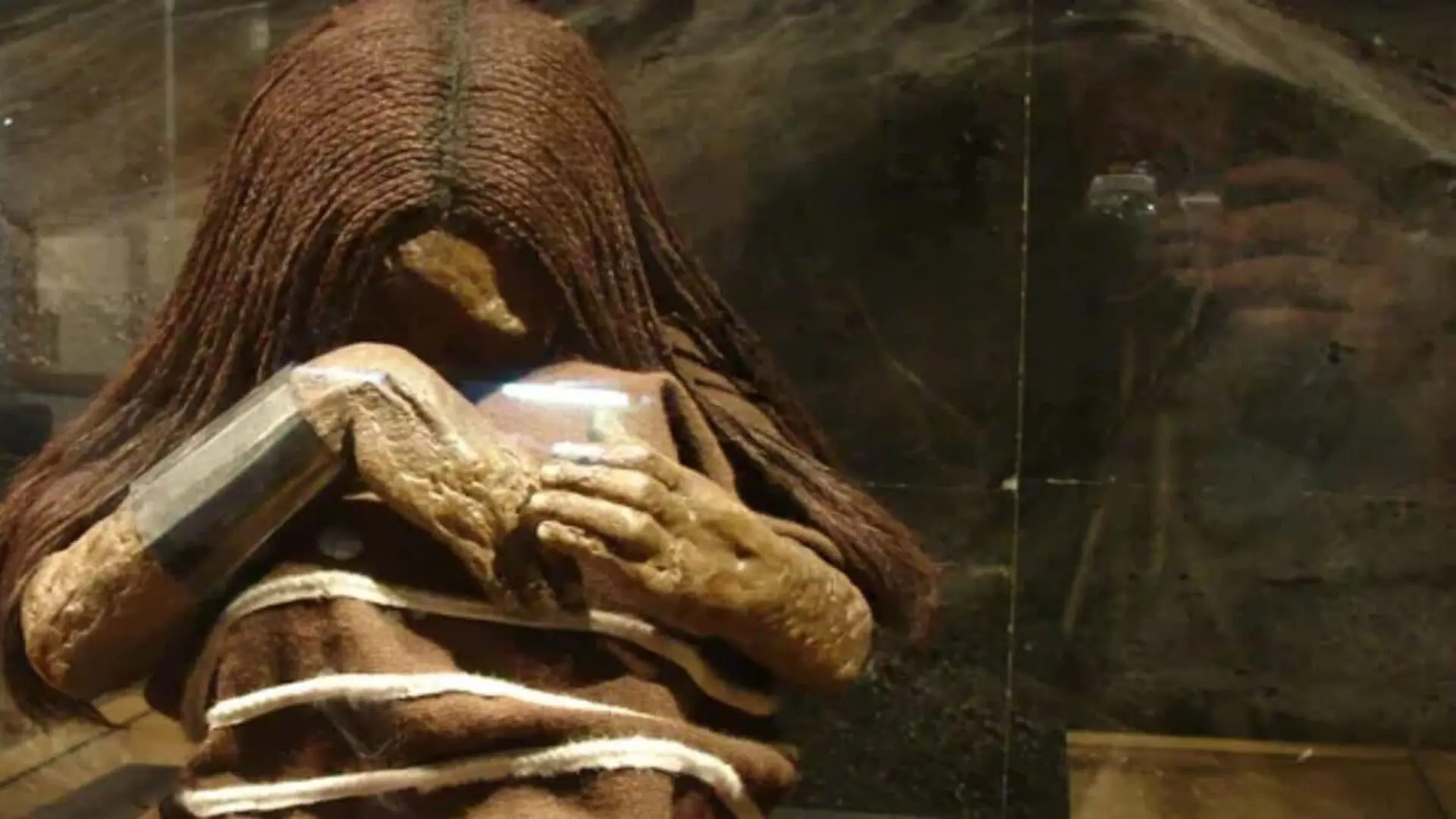
A comprehensive re‑examination of three iconic Inca child remains from the Andes has upended conventional interpretations of their deaths. By integrating high‑resolution CT imaging, forensic reconstruction, radiocarbon dating, and hair‑chemical profiling, researchers have offered a markedly different picture of the final moments of these individuals.
Head Trauma May Explain the El Plomo Boy’s Demise
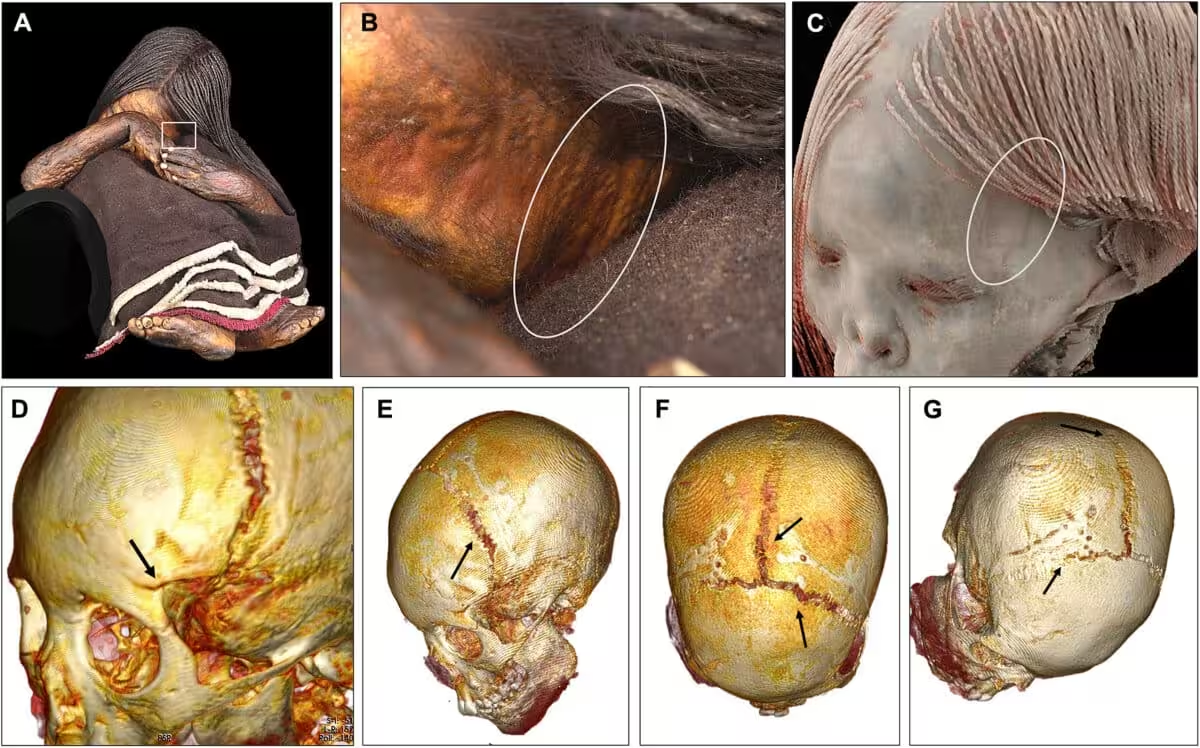
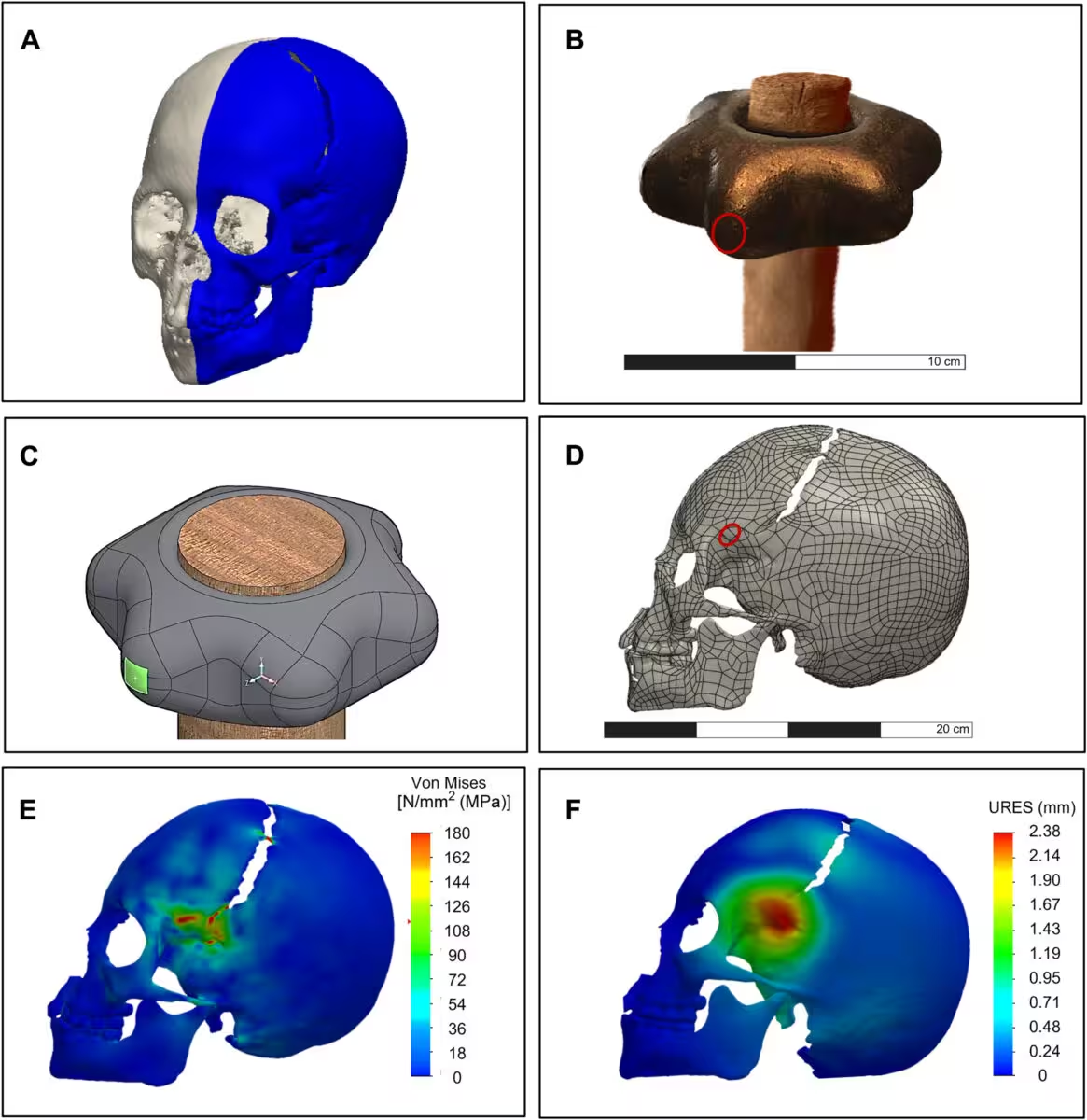
The male mummy discovered atop a 17,700‑foot Andean summit—commonly referred to as the Boy of El Plomo—was long thought to have succumbed slowly to hypothermia after being placed there as part of a sacred offering. New data, however, indicate a severe cranial injury, likely inflicted by a star‑shaped ceremonial mace, as the most plausible cause of death.
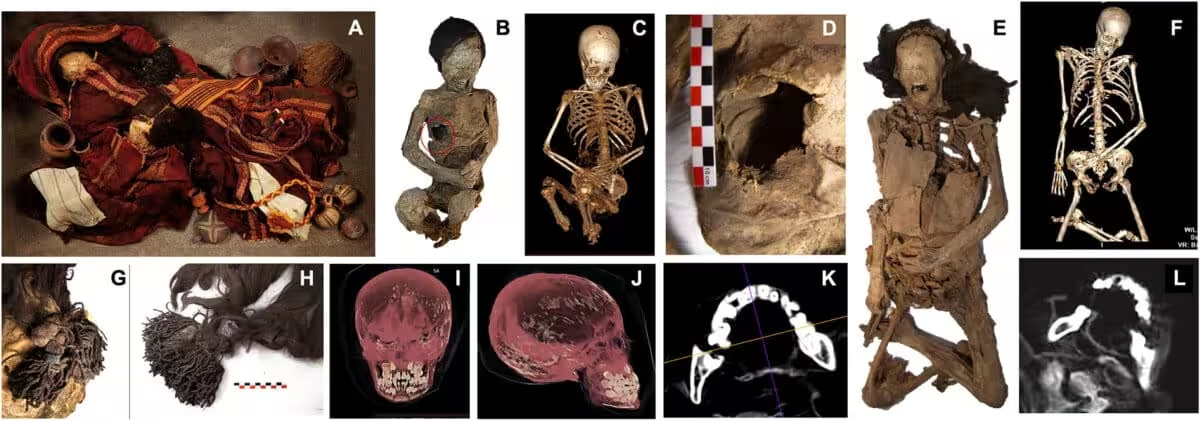
For the two female mummies from Cerro Esmeralda, previously interpreted as victims of strangulation, the study demonstrates that the neck markings likely formed post‑mortem as a result of tightly wrapped burial textiles, rendering the strangulation hypothesis unlikely.
Extended Pilgrimages Preceded the Sacrificial Events
Chemical residues trapped in the hair of the three children reveal a prolonged itinerary across the Inca realm before their ultimate interment. The Boy of El Plomo, for instance, appears to have trekked roughly 1,700 miles over a nine‑month period, a journey that formed part of a broader ritual sequence linking the terrestrial and divine spheres.
“It was an extended ritual process that began months earlier and involved mobility, dietary changes, the participation of different communities, and the creation of sacred landscapes,” said Verónica Silva‑Pinto, an archaeologist at Diego Portales University in Santiago.
Modern Techniques Transform Decades‑Old Findings
The investigation, published in Science Advances, illustrates how contemporary imaging and analytical tools can revise interpretations of archaeological material first examined more than seven decades ago. While the study resolves several longstanding debates, it also raises new questions about the precision of chemical signatures in reconstructing ancient travel routes.
This article has been fact checked for accuracy, with information verified against reputable sources. Learn more about us and our editorial process.
Last reviewed on .
Article history
- Latest version
Reference(s)
- “Verónica Silva – Antropología UDP.” <https://antropologia.udp.cl/persona/veronica-silva/>.
Cite this page:
- Posted by Vikram Desai