Radiation Thriving Black Fungus Discovered In Chernobyl Sparks Debate Over Radiosynthesis
Researchers discovered that a Chernobyl fungus not only tolerates radiation but also exhibits unusual growth patterns, hinting at novel adaptations.
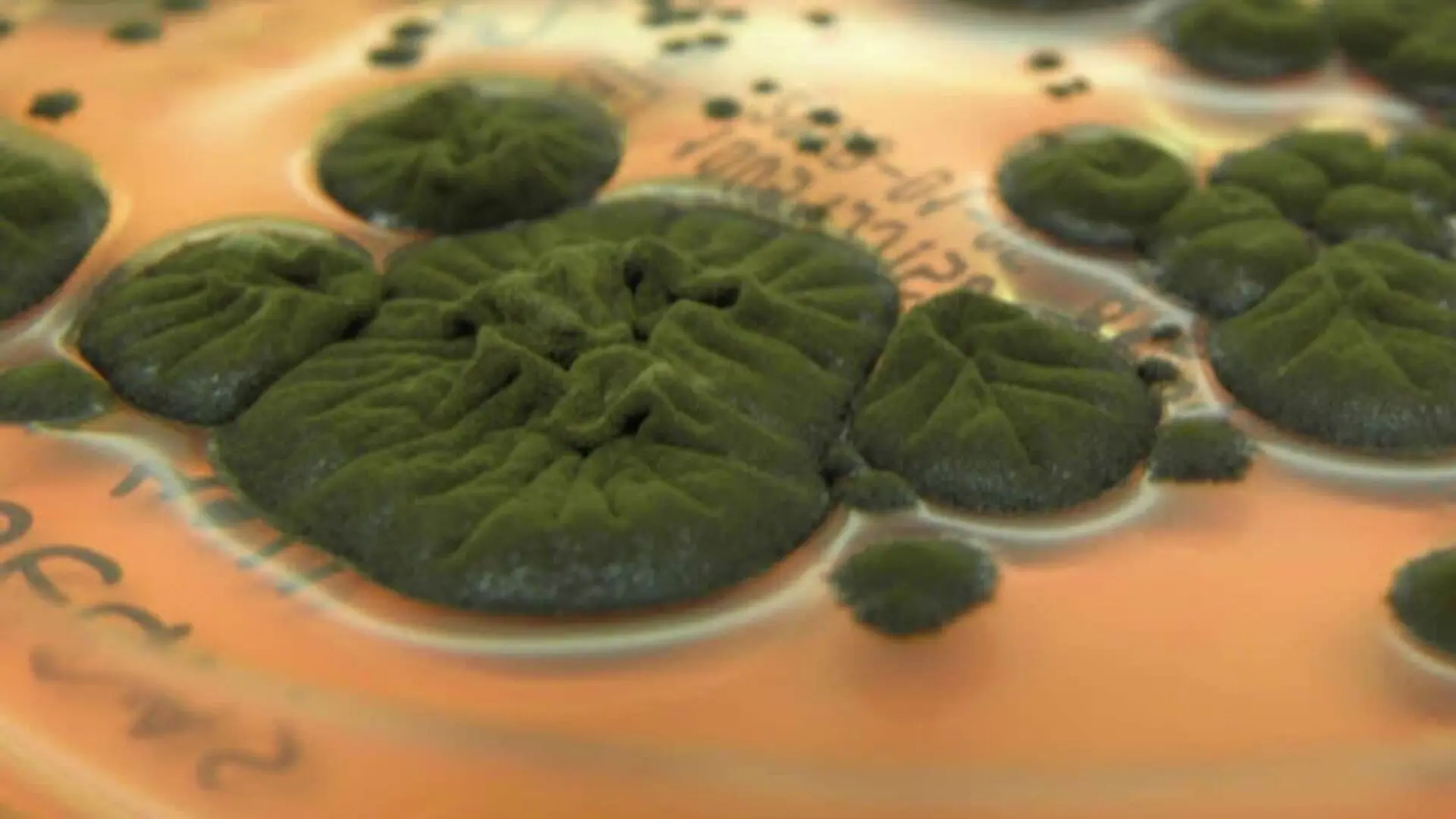
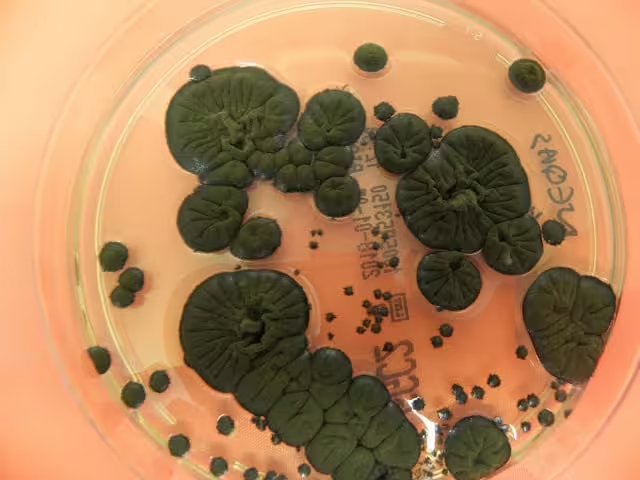
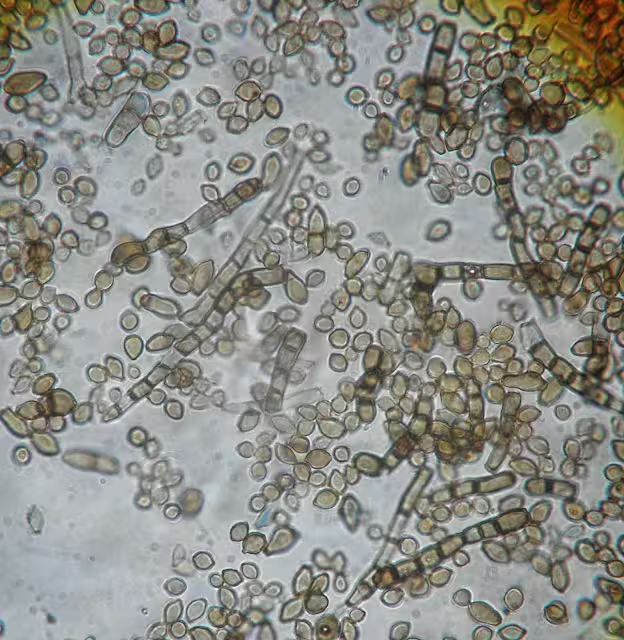
Cladosporium sphaerospermum, a melanin‑rich black fungus isolated from the Chernobyl exclusion zone, shows an unexpected affinity for ionizing radiation. While the organism clearly tolerates high radiation levels, researchers have yet to prove that it actually converts that energy into biological fuel.
Investigations into the microbial community surrounding the ruined Unit Four reactor began in the late 1990s. Decades after the 1986 accident, the site continues to serve as a natural laboratory for studying how life adapts to extreme radioactive environments.
A survey led by microbiologist Nelli Zhdanova of the Ukrainian National Academy of Sciences identified 37 fungal species inhabiting the reactor’s shelter. Dark‑pigmented members dominated the collection, many of them laden with melanin. Among them, C. sphaerospermum emerged as the most prevalent and exhibited some of the highest measured radioactivity.
How Ionizing Radiation Influences a Black Fungus
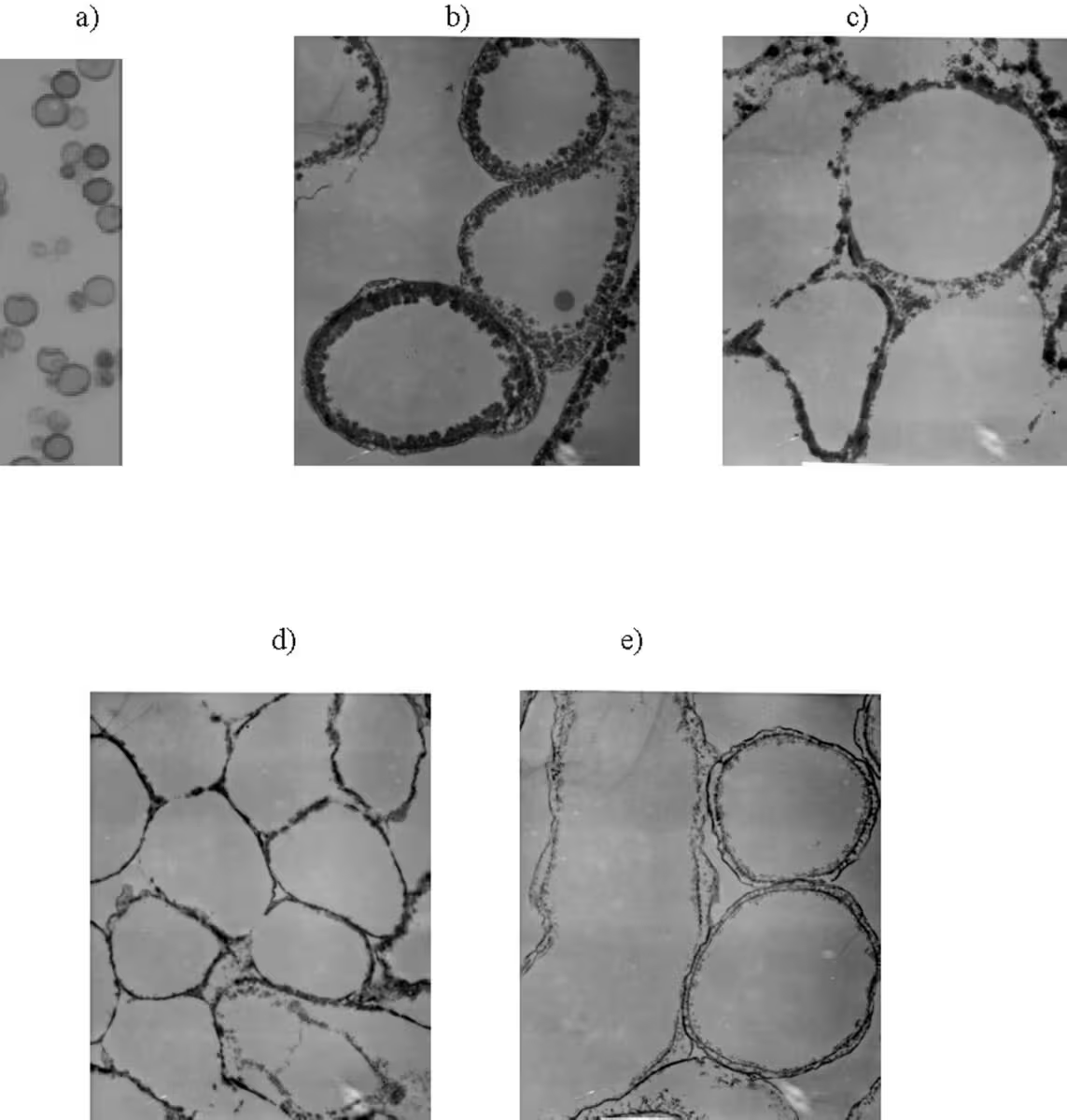
Ionizing radiation can strip electrons from atoms, damaging cellular components and fragmenting DNA. In experiments coordinated by Ekaterina Dadachova and Arturo Casadevall of the Albert Einstein College of Medicine, the fungus not only survived exposure but displayed accelerated growth. The researchers suggest that melanin may act both as a protective barrier and a potential energy‑capturing agent.
Further analysis revealed that radiation alters melanin’s behavior within the fungal cells. In 2008, scientists proposed a speculative mechanism reminiscent of photosynthesis—coined “radiosynthesis”—in which melanin could play a role analogous to chlorophyll, channeling radiation into metabolic processes.
Despite these intriguing observations, the core question remains unresolved: does the fungus actively harvest radiation, or has it simply evolved an exceptionally robust stress‑response system? No definitive evidence of carbon fixation driven by ionizing radiation has been presented.
Can This Fungus Convert Radiation into Energy?
The notion of a radiation‑feeding fungus captures imaginations, yet the scientific record is more nuanced. To date, researchers have not demonstrated that C. sphaerospermum can fix carbon using ionizing radiation, nor have they mapped a complete metabolic pathway that would support such a process.
“Actual radiosynthesis, however, remains to be shown, let alone the reduction of carbon compounds into forms with higher energy content or fixation of inorganic carbon driven by ionizing radiation.” And other dark fungi don’t necessarily react to radiation the same way.
Other melanized fungi display varied responses. The black yeast Wangiella dermatitidis also grows faster under radiation, whereas Cladosporium cladosporioides increases melanin production without a corresponding boost in biomass.
These contrasting behaviors underline the uncertainty: the observed growth advantage may stem from a specialized protective mechanism rather than a genuine energy‑harvesting process.
From Chernobyl to Orbit: The Fungus in Space
The organism’s resilience prompted researchers to test it beyond Earth’s surface. On the International Space Station, cultures of C. sphaerospermum were exposed to cosmic radiation to evaluate their potential as a biological shield.
A study published in PLOS ONE reported that radiation sensors positioned beneath a petri dish containing the fungus recorded lower dose rates than those placed under an agar‑only control, suggesting that the fungal mat attenuated part of the incoming radiation.
These findings place C. sphaerospermum at the intersection of astrobiology and radiation protection research. While the fungus clearly tolerates and even thrives in high‑radiation settings, the mechanisms behind its growth response—and whether it can truly convert radiation into metabolic energy—remain open questions for future investigation.
This article has been fact checked for accuracy, with information verified against reputable sources. Learn more about us and our editorial process.
Last reviewed on .
Article history
- Latest version
Reference(s)
- “Ekaterina Dadachova - College of Pharmacy and Nutrition -.” pharmacy-nutrition <https://pharmacy-nutrition.usask.ca/profiles/kate-dadachova.php>.
- <https://publichealth.jhu.edu/faculty/3126/arturo-casadevall>.
- Dadachova, Ekaterina. “Ionizing Radiation Changes the Electronic Properties of Melanin and Enhances the Growth of Melanized Fungi.”, vol. 2, no. 5, pp. e457, doi: 10.1371/journal.pone.0000457. <https://journals.plos.org/plosone/article?id=10.1371/journal.pone.0000457>.
- Tomé, Rui. “CLADOSPORIUM SPHAEROSPERMUM.” <https://atlasmicologia.blogspot.com/2018/01/cladosporium-sphaerospermum.html>.
Cite this page:
- Posted by Karan Das