Far‑Side Moon Rocks Reveal a Slow Decline in Early Asteroid Bombardment
New lunar rocks from a previously hidden region expose Earth’s early violent history, offering scientists decades‑long sought evidence.
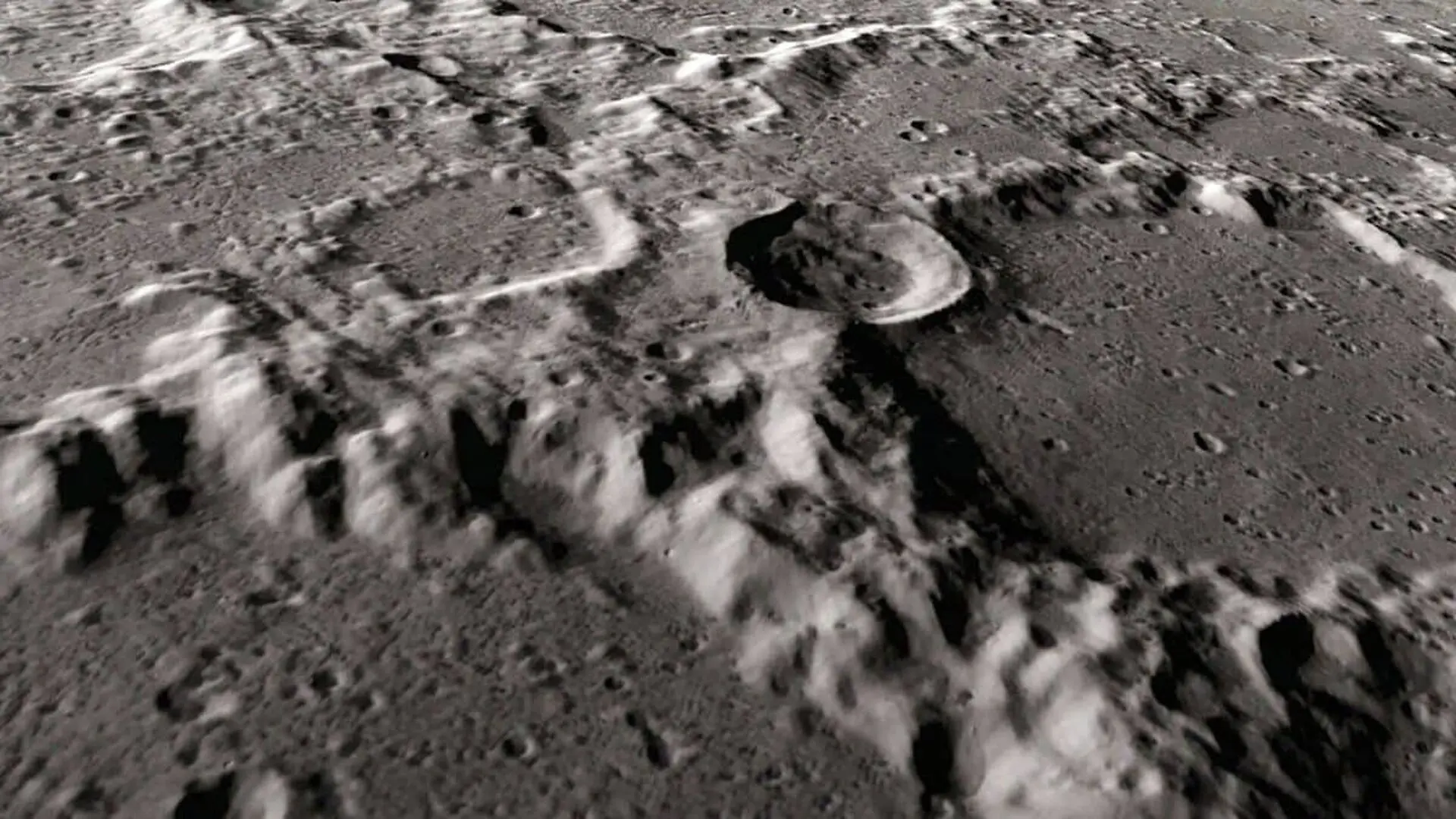
Analyses of rocks retrieved from the Moon’s far side indicate that the early Solar System experienced a prolonged reduction in asteroid impacts rather than a brief, intense bombardment. The samples span a time interval from approximately 4.33 billion to 1.13 billion years ago, providing fresh data for a long‑standing controversy about lunar history.
For decades, researchers have debated whether the inner Solar System underwent a sudden surge of collisions around four billion years ago—a phenomenon known as the late heavy bombardment. The newly examined lunar material instead supports a scenario in which impact rates steadily waned as leftover debris from planet formation was gradually cleared.
The implications extend beyond the Moon itself. Earth and its satellite share a common origin, yet Earth’s surface has been reshaped by erosion, volcanism, and plate tectonics, erasing much of its ancient impact record. By contrast, the Moon lacks active recycling, preserving its oldest rocks and craters as a window onto events that are no longer visible on our planet.
New Far‑Side Moon Samples Reveal Extended Decline in Impacts
Prior to the recent mission, almost every lunar specimen studied in laboratories originated from the near side that faces Earth. Rocks collected from the far side therefore offer scientists a unique chance to compare material from two hemispheres with distinct geological trajectories.
“The Moon is like a time capsule—it has preserved a record of events that have been erased from Earth by erosion, plate tectonics, and other geological processes,” said Dr. Fred Jourdan, a co‑author from Curtin University’s School of Earth and Planetary Sciences and the John de Laeter Centre.
According to Jourdan, far‑side specimens are especially valuable because that region escaped many later geological disturbances, preserving a “cleaner record” of the Moon’s earliest impacts.
The material was delivered by China’s Chang’e‑6 mission, the inaugural effort to return samples from the lunar far side. These rocks open a previously inaccessible chapter of the Moon’s history for laboratory study.
Evidence Points to Gradual Drop in Collisions, Not a Sudden Spike
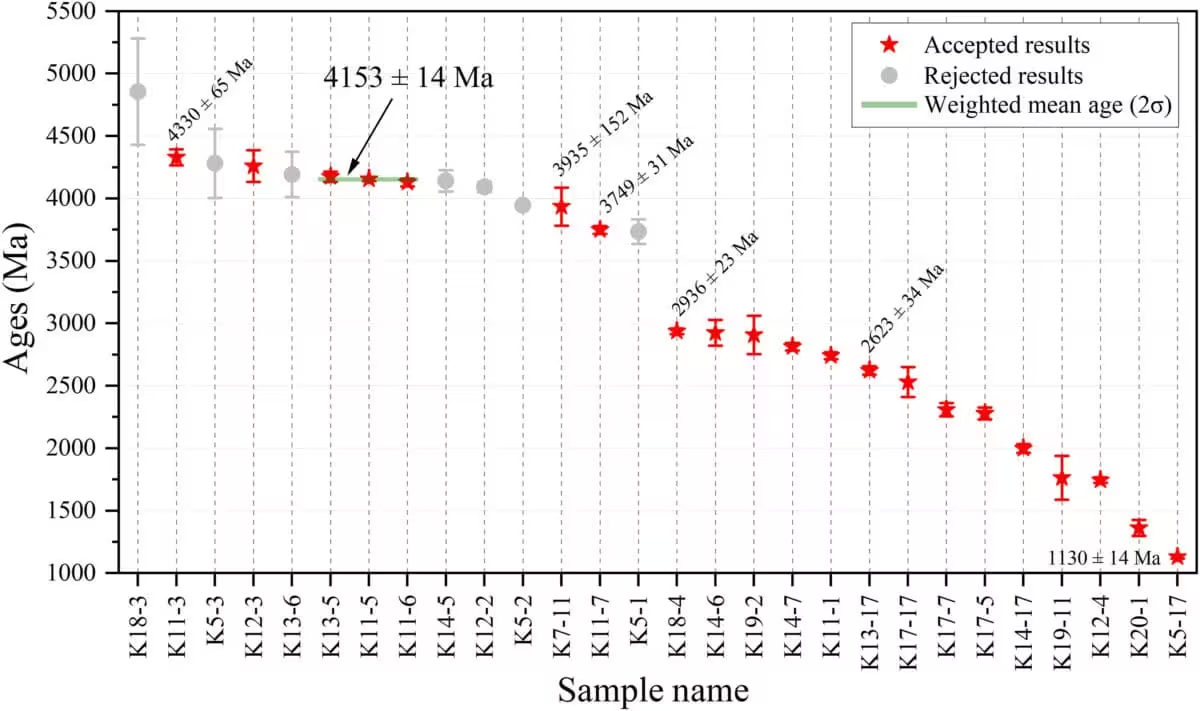
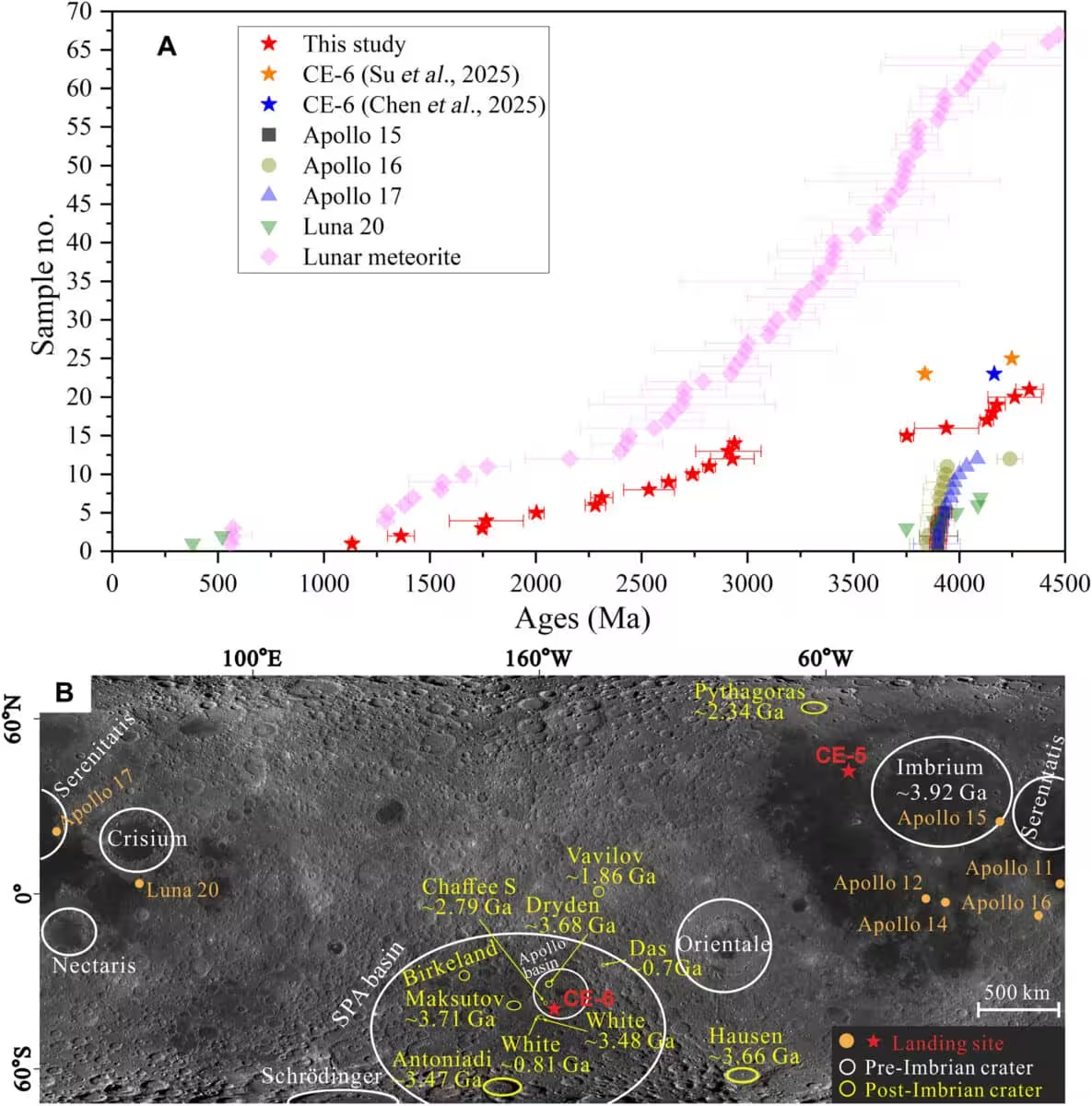
Researchers examined microscopic fragments that record collisions occurring between roughly 4.33 billion and 1.13 billion years ago. The data encompass more than three billion years of lunar impact history, favoring a model of steady decline rather than a brief, intense bombardment. The findings suggest that asteroid impacts became progressively rarer as the Solar System cleared residual debris.
This conclusion directly challenges the late heavy bombardment hypothesis, which posits a sharp increase in impacts around four billion years ago. The far‑side evidence instead points to a prolonged downturn.
“These samples are helping us rewrite parts of the Moon’s history and suggest the early Solar System experienced a long decline in asteroid impacts rather than a single catastrophic bombardment,” Jourdan said.
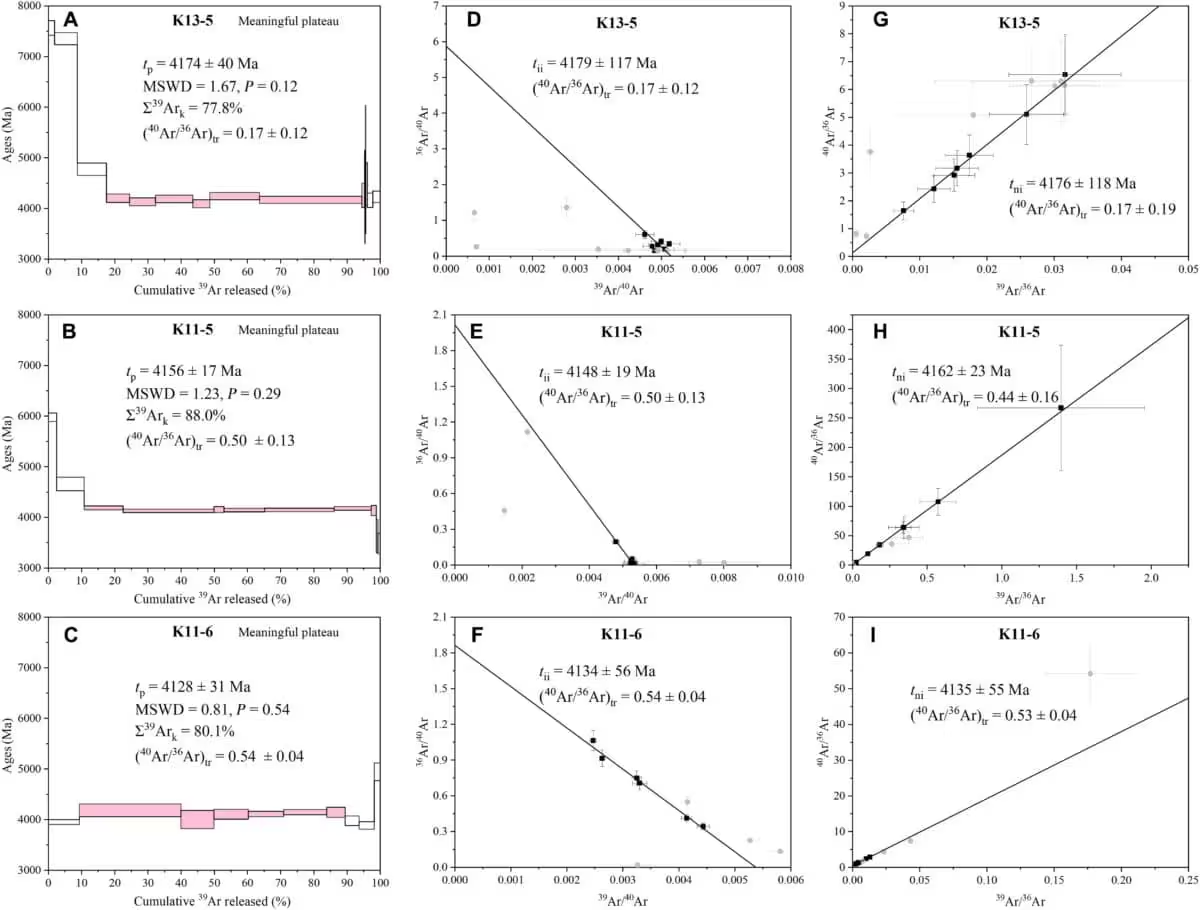
The study, published in Science Advances, demonstrates how ancient lunar rocks can pinpoint the timing of major asteroid events and illuminate the evolution of the early Solar System. By incorporating far‑side material, researchers fill a gap that previous sample‑based investigations left largely empty.
Lunar Record Offers Clues Missing from Earth’s Geological Archive
Because Earth and the Moon formed together, both bodies were exposed to the same swarm of early‑Solar‑System debris. On Earth, the record of those impacts has been largely erased by erosion, volcanic resurfacing, and the continuous recycling of crust through plate tectonics.
“The Moon and Earth share a common history, but the evidence of early impacts has largely disappeared from our planet,” Jourdan noted.
By studying these far‑side rocks, scientists can peer back billions of years to examine processes that shaped both worlds, including the role of asteroid impacts in planetary development and the conditions that may have influenced the origin of life on Earth.
This article has been fact checked for accuracy, with information verified against reputable sources. Learn more about us and our editorial process.
Last reviewed on .
Article history
- Latest version
Reference(s)
- “Public Staff Profile - Staff Portal.”, April 12, 2019 Staff Portal <https://staffportal.curtin.edu.au/staff/profile/view/fred-jourdan-5dcc8042/>.
- Vogel, Tracy. “What is the Late Heavy Bombardment? - NASA Science.”, December 19, 2024 NASA <https://science.nasa.gov/moon/lunar-craters/what-is-the-late-heavy-bombardment/>.
- Zhang, Wan-Feng., et al. “The bombardment history on the lunar farside revealed by 40 Ar/ 39 Ar geochronology of Chang’e-6 impact melt rocks.” Science Advances, vol. 12, no. 30, July 24, 2026 American Association for the Advancement of Science (AAAS), doi: 10.1126/sciadv.aee8718. <https://www.science.org/doi/10.1126/sciadv.aee8718>.
Cite this page:
- Posted by Karan Das