Divers Finally Locate Long Lost WWII Shipwreck Tied to Secret Nazi Spy Plot
After a seven-year search, researchers have finally located a long-lost shipwreck. Discover the unique challenges that kept this vessel hidden for 80 years.
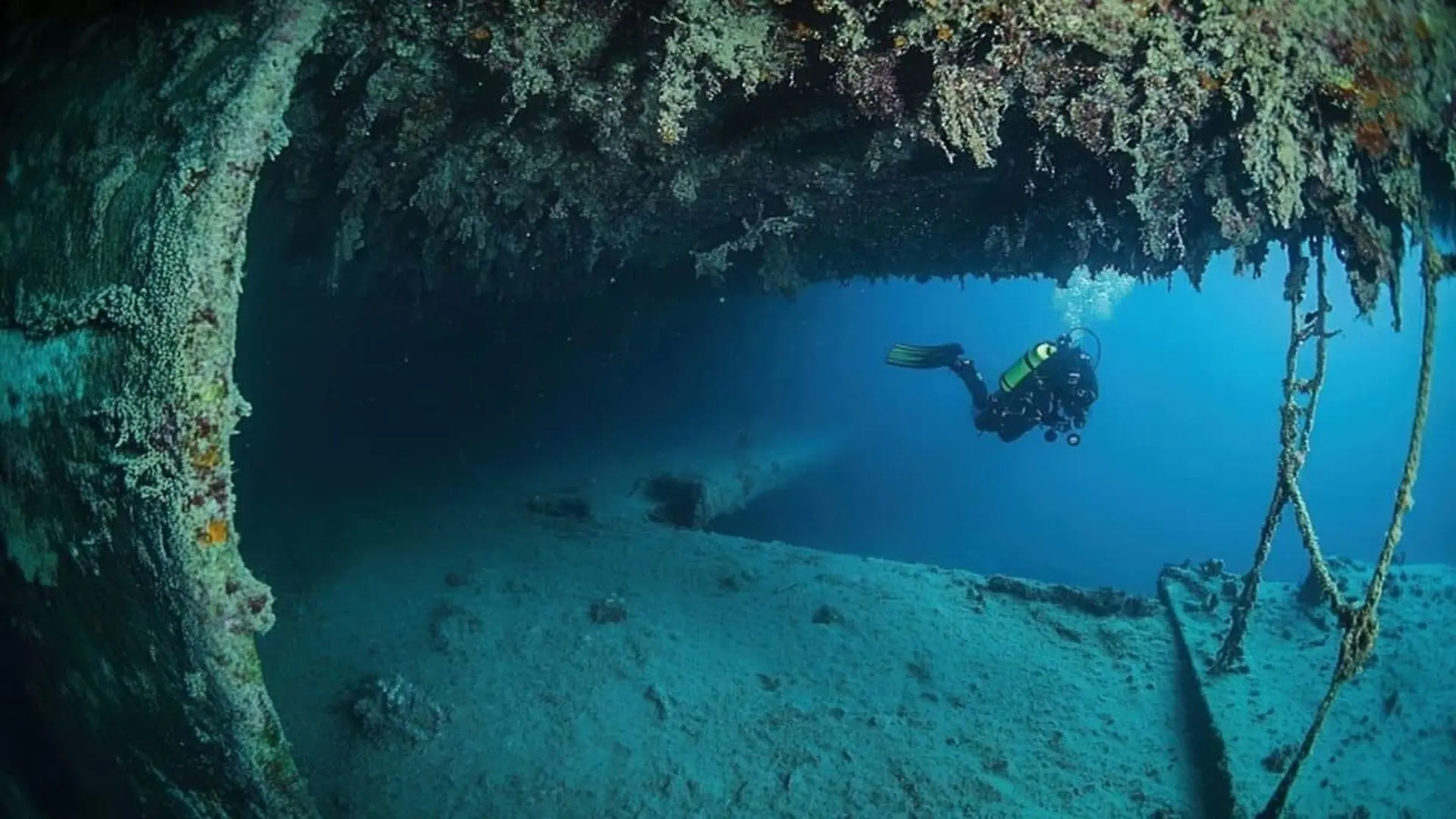
After a rigorous seven-year investigation, a team of amateur divers has successfully located the final resting place of the SS Cornwallis, a Canadian merchant vessel sent to the seafloor by a German U-boat in 1944. The discovery brings closure to a long-unsolved maritime mystery and illuminates a harrowing, often overlooked chapter of World War II espionage involving a Nazi intelligence plot on American soil.
The Nomad Exploration Team, a nine-member collective based in New Hampshire, initiated their search for the 400-foot, 5,458-ton freighter in 2019. The vessel, which had vanished from the records of known shipwrecks, represented one of the most significant pieces of missing naval history off the New England coast. The find is not only a technical triumph for the divers but also a poignant tribute to the 43 lives lost when the ship went down.
Navigating Treacherous Currents
The mission was plagued by environmental obstacles. Working from historical blueprints and anecdotal evidence from local fishermen, the team concentrated their efforts roughly 10 miles southwest of Mount Desert Rock. The region is notorious for intense tides, heavy fog, and unpredictable weather, which complicated every aspect of the logistical operation, whether the crew was trailering boats or navigating hours of open water from Portsmouth.

The team’s reliance on side-scan sonar was nearly their undoing. During initial surveys, the team passed within 300 feet of the wreck without identifying it. It was only during a subsequent navigation of the same area that the structure appeared on their monitors. As founding member Danny Allan noted to the Portland Press Herald, the confirmation of the site brought an overwhelming sense of relief and excitement after years of uncertainty.
A Solemn Encounter at Depth
The SS Cornwallis rests nearly 400 feet below the surface. Divers described the site as cold and physically demanding, characterized by strong currents and challenging visibility. Despite the technical exhilaration of the find, the team maintained a somber perspective, acknowledging the site as a maritime grave. Of the 48 individuals aboard when the vessel was struck by a torpedo from U-1230 on December 3, 1944, only five survived.
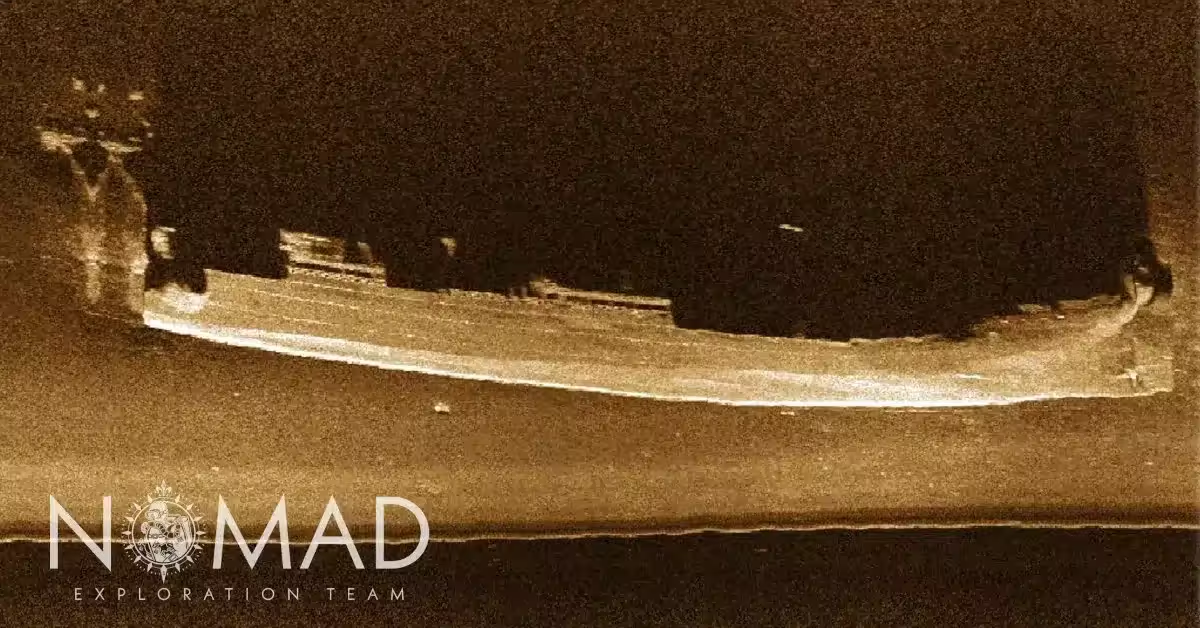
The vessel had been transporting sugar and molasses from Barbados to Saint John, New Brunswick, when it was intercepted. It sank in under 10 minutes, leaving the crew with little time to escape. Investigators later concluded that the attack was a case of tragic happenstance, as the U-boat was not specifically hunting the freighter but rather operating in the area for a more sinister purpose.
Uncovering Operation Magpie
The sinking of the Cornwallis served as a catalyst for federal investigators to uncover a clandestine infiltration. Just days prior, the same submarine had facilitated the landing of two Nazi spies, Erich Gimpel and William Colepaugh, at Hancock Point, Maine. Known as Operation Elster, or Operation Magpie, the mission aimed to place intelligence agents within the United States.
The spies successfully traveled to New York City by way of Bangor and Portland, but the operation eventually collapsed when Colepaugh surrendered to the FBI, leading to the apprehension of both men. For the Nomad Exploration Team, the discovery of the wreck represents another milestone in their ongoing efforts to document historical losses. For Allan, whose passion for history is deeply personal, the dive is about more than just locating metal on the seabed; it is about honoring the narrative of those who were lost.
This article has been fact checked for accuracy, with information verified against reputable sources. Learn more about us and our editorial process.
Last reviewed on .
Article history
- Latest version
Reference(s)
- Johnson, Drew. “Shipwreck found in Gulf of Maine more than 80 years after WWII sinking.”, October 27, 2026 Press Herald <https://www.pressherald.com/2026/10/27/shipwreck-found-in-gulf-of-maine-more-than-80-years-after-wwii-sinking/>.
Cite this page:
- Posted by Zara Tariq