Safety Sweep in South Korean Minefield Uncovers Oldest Known Gunpowder Weapon
A surprise discovery by a metal detector in South Korea has unearthed a mysterious artifact that raises more questions than it answers about its origin.
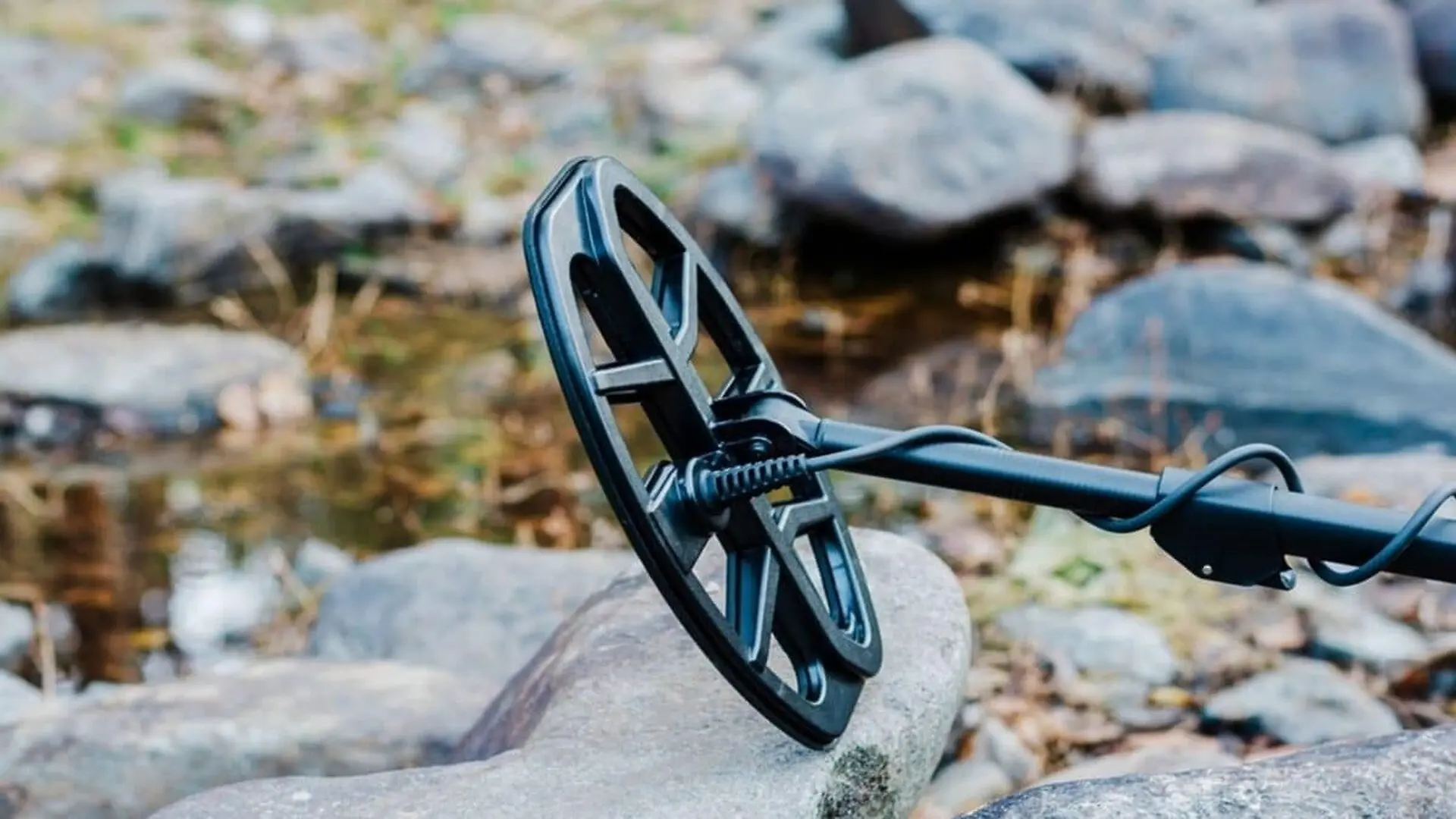
A routine safety operation near a restricted landmine zone in South Korea has yielded a historically significant discovery. While surveying the terrain on Mount Geumjeongsan in Naju, experts unearthed a 600-year-old bronze handgun, now confirmed as the oldest gunpowder-based weapon ever identified in the country.
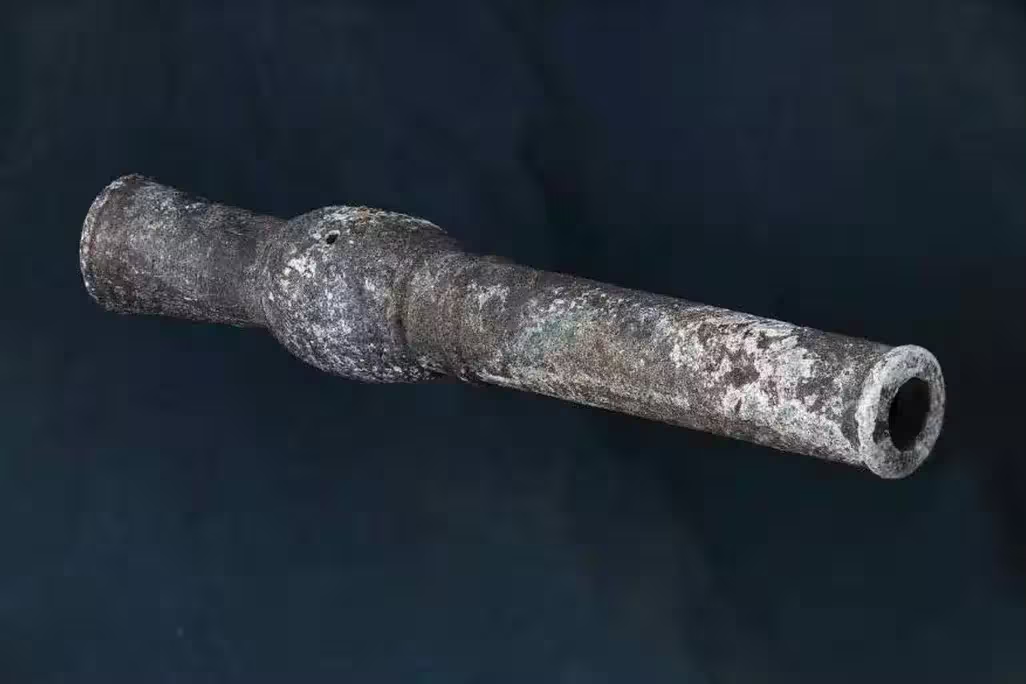
Known as the Hwangja Hwatong, or “yellow-character fire tube,” the relic was uncovered in November 2023 during preparations for trail development roughly 174 miles south of Seoul. Measuring just under 10 inches in length and weighing slightly over two pounds, the small firearm provides a rare glimpse into the development of military technology during the transition between the late Goryeo and early Joseon dynasties.
Advanced Diagnostics Reveal Hidden Origins
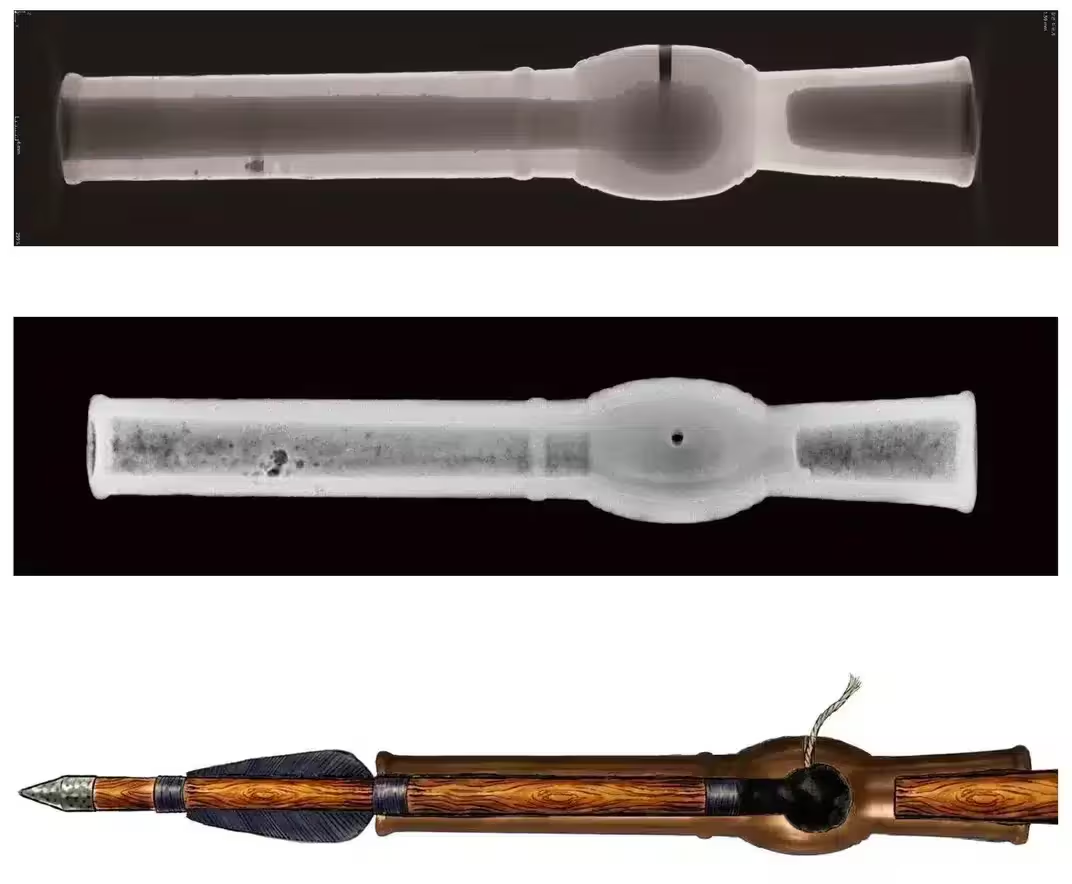
Following its discovery, the National Research Institute of Cultural Heritage and the Naju Research Institute conducted a comprehensive analysis of the artifact. Using X-ray imaging and detailed metallurgical examinations, researchers assessed the composition and integrity of the weapon.
According to a translated statement from the National Palace Museum, the artifact carries profound academic value. Cho Mi-soon, director of the National Naju Research Institute of Cultural Heritage, noted that the find is particularly important because physical evidence of firearms from this era remains exceptionally scarce, as reported by the Korean Times.
Deciphering the Inscribed History
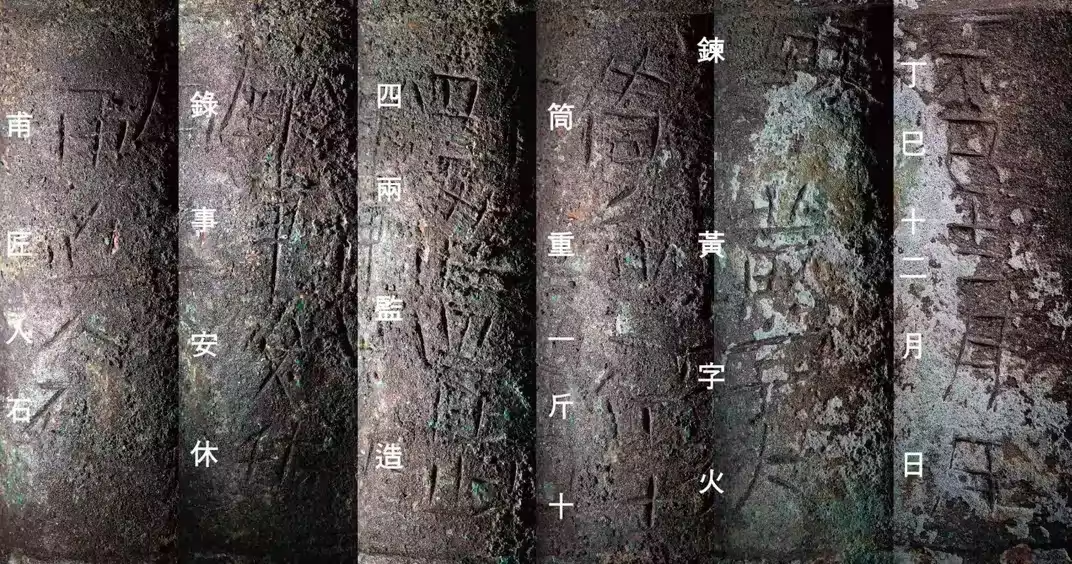
The surface of the bronze tube features a 28-character inscription that details the weapon’s specifications, its weight, and the identity of the craftsperson, Seok. Additionally, the muzzle bears an engraved number eight, which may have served as an inventory designation. The inscription references a “Jeongsa” year, a marker in the 60-year calendar cycle that has led experts to narrow the manufacturing window to December 1377 or December 1437.
The date carries significant historical weight. A 1377 origin would place the firearm within the Goryeo Dynasty, coinciding with early state efforts to counter naval raids by Japanese pirates. Conversely, a 1437 date would align the weapon with the reign of King Sejong, a period characterized by the standardization and refinement of artillery across the Korean peninsula.
Metallurgical Insights and Design Evolution
The barrel composition consists of a copper, tin, and lead alloy, with a tin content kept intentionally below 10 percent to improve durability and prevent cracking during discharge. The presence of trace elements such as sulfur, silicon, and silver confirms that the weapon was produced using established medieval smelting practices.
Engineered for portability, the firearm features a singular cylindrical chamber where both the propellant and projectile were loaded—a standard configuration for early gunpowder weapons before the advent of more sophisticated, multi-part designs. As these hand cannons began to replace traditional bows on the battlefield, their ability to launch projectiles with greater velocity and range fundamentally altered regional military tactics.
This article has been fact checked for accuracy, with information verified against reputable sources. Learn more about us and our editorial process.
Last reviewed on .
Article history
- Latest version
Reference(s)
- 국가유산청, “(국영문 동시배포) '우리나라에서 가장 오래된 화약 무기'... 나주 금성산서 '황자화통(黃字火筒)' 발견.”, September 21, 2026 대한민국 정책브리핑 <https://www.korea.kr/briefing/pressReleaseView.do?newsId=156782617&pWiseMinistry=ministryNews&repCode=B00025&repCodeType=%EC%A0%95%EB%B6%80%EB%B6%80%EC%B2%98>.
- Dong-chan, Jhoo. “Oldest known gunpowder weapon in Korea discovered near minefield.”, September 21, 2026 The Korea Times <https://www.koreatimes.co.kr/amp/lifestyle/koreanheritage/20260921/oldest-known-gunpowder-weapon-in-korea-discovered-near-minefield>.
Cite this page:
- Posted by Zara Tariq