Archaeologists Uncover 9000 Year Old Copper Workshop Hidden in Turkey
Archaeologists in Turkey have unearthed a mysterious Neolithic stone-paved workshop, shedding new light on ancient craftsmanship and daily life.
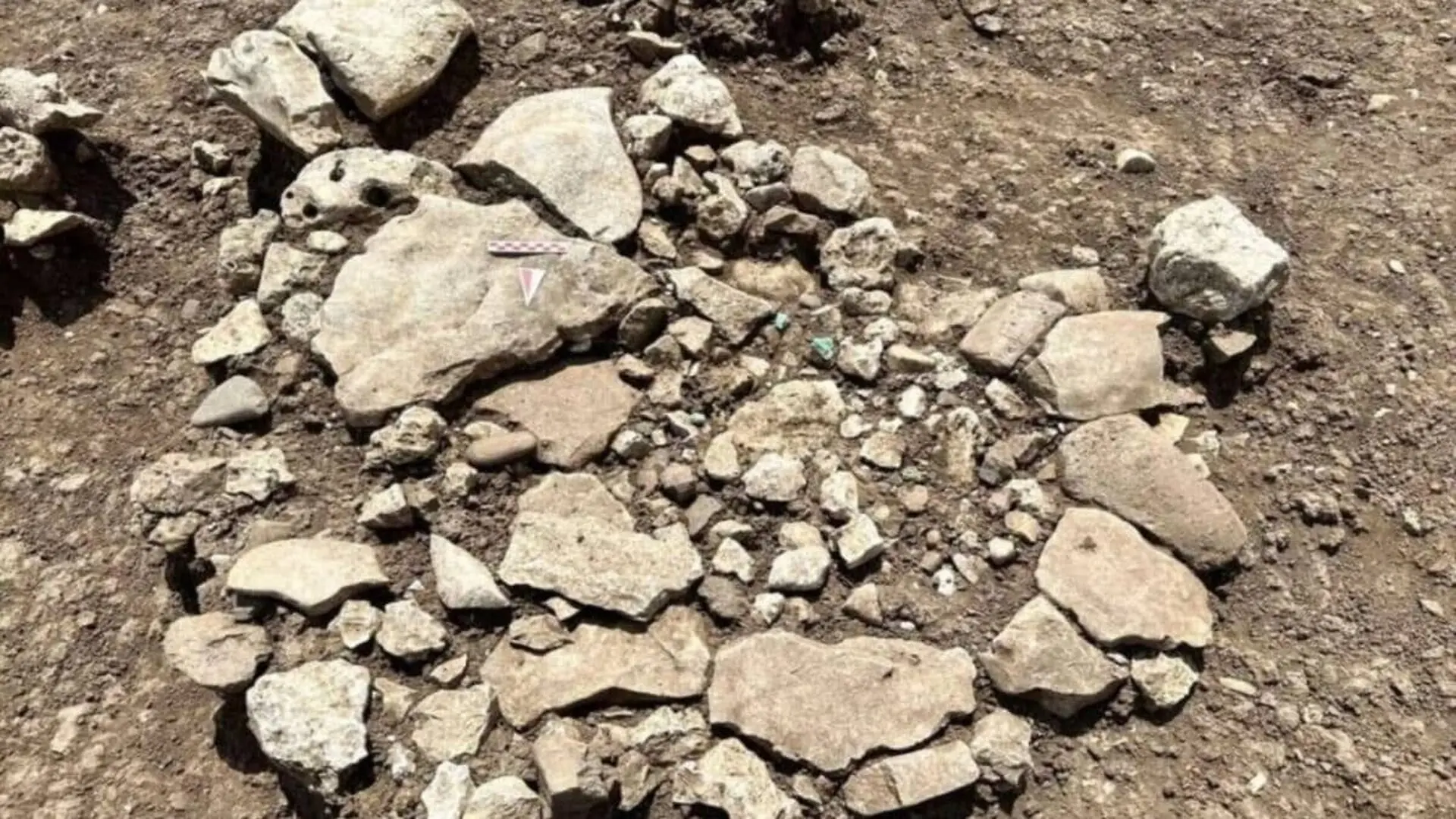
Archaeologists working at the Neolithic site of Çayönü Tepesi in southeastern Turkey have uncovered a sophisticated prehistoric metalworking facility dating to at least 6800 B.C.E. The discovery provides a rare, granular look at early manufacturing, revealing how inhabitants of the Taurus Mountain foothills transitioned from simple gathering to specialized industrial production during the dawn of the Neolithic era.
Evidence of a Dedicated Manufacturing Hub
The excavation, led by Associate Professor Savaş Sarıaltun of Çanakkale Onsekiz Mart University, identified a workspace spanning approximately 50 square feet. According to details shared by Turkey’s Ministry of Culture and Tourism, the site features a stone-paved floor defined by six distinct postholes. Experts suggest these postholes indicate the presence of a roof or canopy, signaling that this was a protected, intentional site of labor rather than a refuse pile.
Mapping the Ancient Supply Chain
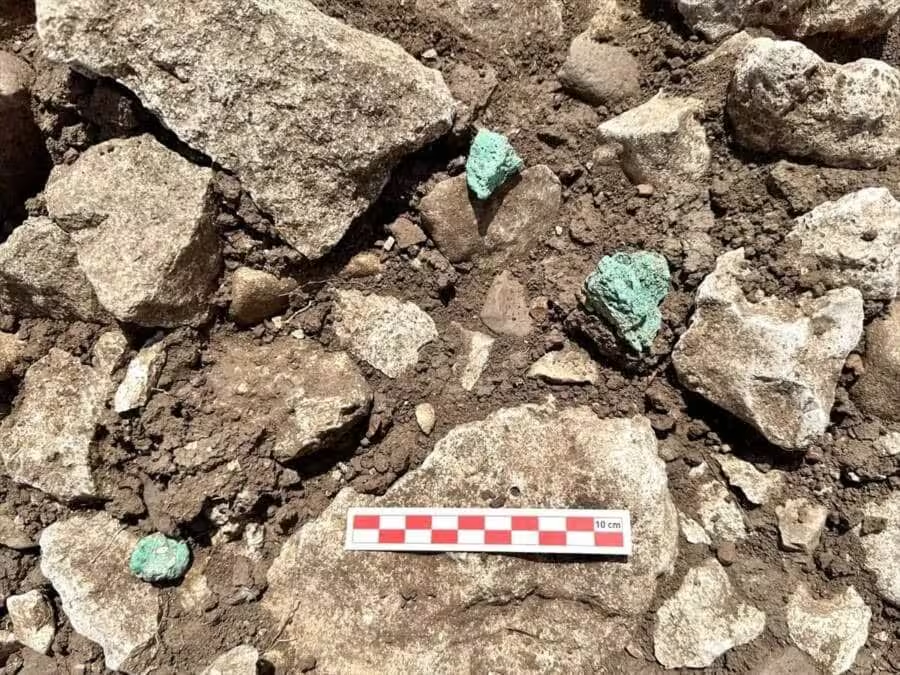
The workshop yielded 18 pieces of malachite, a mineral prized for its deep green hue and copper content, found in various states of processing. This collection, alongside dozens of other copper artifacts uncovered across the site, offers a clear window into an early manufacturing cycle. From raw nuggets to partially worked material and finished copper beads, the findings demonstrate a highly organized approach to craftsmanship that predates the widespread adoption of metallurgy by millennia.
During this period, artisans in Anatolia and northern Mesopotamia relied on hot and cold hammering techniques to shape metal, turning raw ore into functional tools and decorative items. The presence of this complete production sequence confirms that Çayönü Tepesi functioned as a sophisticated hub for specialized trade and creation.
Two Millennia of Technical Mastery
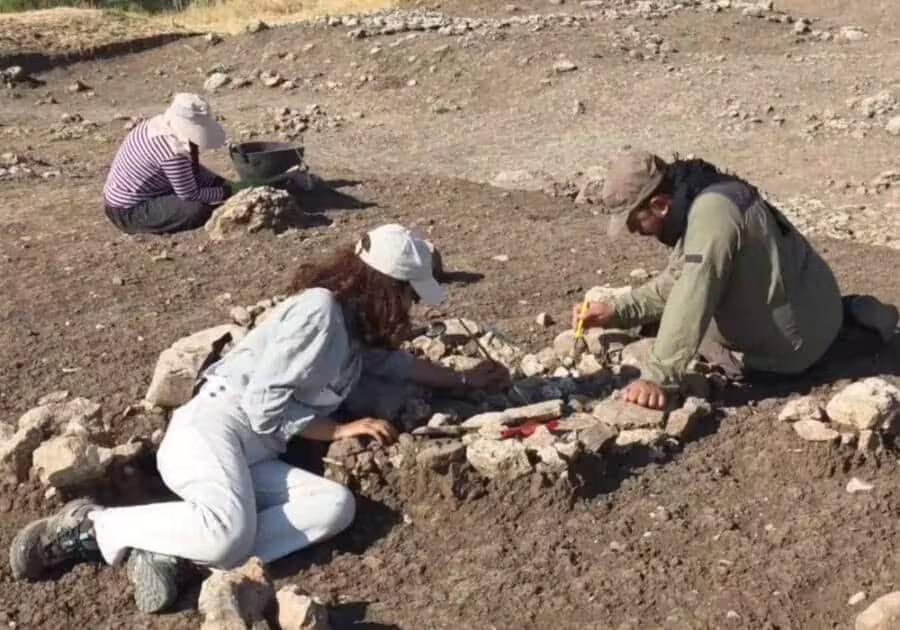
While Çayönü has long been recognized for its role in early metallurgy, with evidence of mining activities dating back to 9100 B.C.E., this new discovery underscores a remarkable continuity. Turkish Minister of Culture and Tourism Mehmet Nuri Ersoy noted that the site maintained specialized production activities for roughly 2,000 years.
The regional importance of such sites continues to grow as researchers map the spread of technology in the Neolithic. For instance, investigations at the nearby site of Boncuklu Tarla have previously uncovered 11,000-year-old ornaments composed of diverse materials, including copper, flint, and obsidian. The latest season at Çayönü also produced high-quality pottery linked to the Proto-Hassuna culture, currently under analysis, which suggests the settlement remained a vibrant center for innovation well beyond its initial establishment.
This article has been fact checked for accuracy, with information verified against reputable sources. Learn more about us and our editorial process.
Last reviewed on .
Article history
- Latest version
Reference(s)
- <https://www.researchgate.net/profile/Savas-Sarialtun>.
- projects, Contributors. “Turkish business– and statesperson (born 1968).”, July 4, 2004 Wikimedia Foundation, Inc. <https://en.wikipedia.org/wiki/Mehmet_Ersoy>.
Cite this page:
- Posted by Zara Tariq