Archaeologists Uncover Massive 7,300 Year Old Salt Mine Maze Hidden Inside Austrian Mountain
Archaeologists have uncovered a massive, ancient subterranean complex spanning nearly 1,000 feet inside an Austrian mountain, revealing mysterious new secrets.
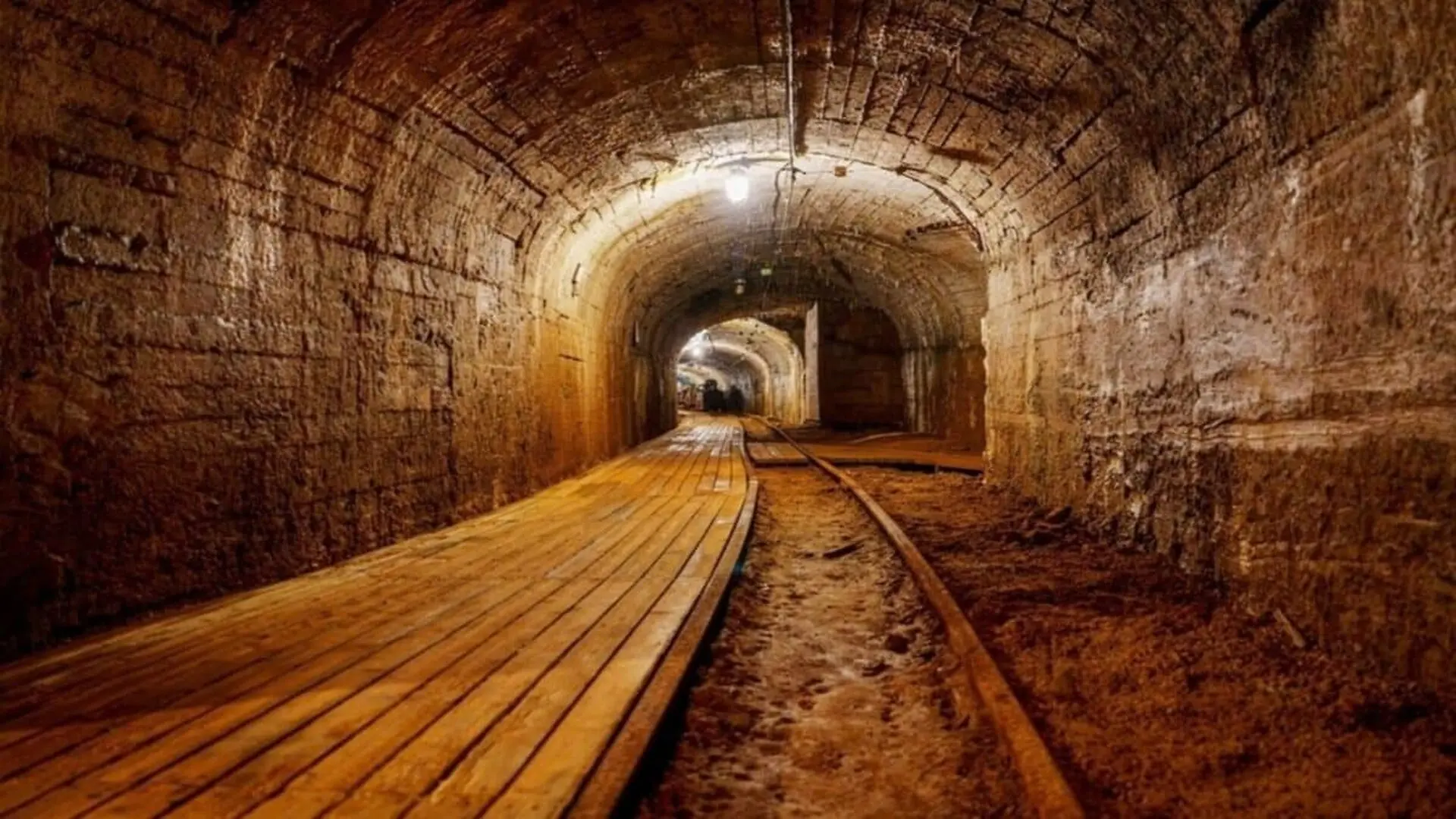
Archaeologists working in the mountains above Hallstatt, Austria, have mapped nearly 1,000 feet of previously unknown tunnels and chambers, revealing a sprawling industrial network that dates back 7,300 years. This latest discovery underscores the immense scale of what is considered one of Europe’s oldest and most significant mining sites, where the relentless pursuit of salt—a vital resource for food preservation and trade—drove technological innovation for millennia.
A Deep History of Alpine Extraction
Research led by the Natural History Museum in Vienna suggests that Neolithic settlers established a presence in the region approximately 7,300 years ago, initiating salt extraction almost immediately upon arrival. By the late Bronze Age, around 1200 B.C.E., the facility had evolved into a high-output operation capable of producing 1.5 tons of salt per day. The newly uncovered labyrinthine structure, which includes chambers reaching 80 feet in width and 65 feet in height, indicates that ancient miners systematically followed salt veins deeper into the mountain, often creating stacked, multi-level galleries.
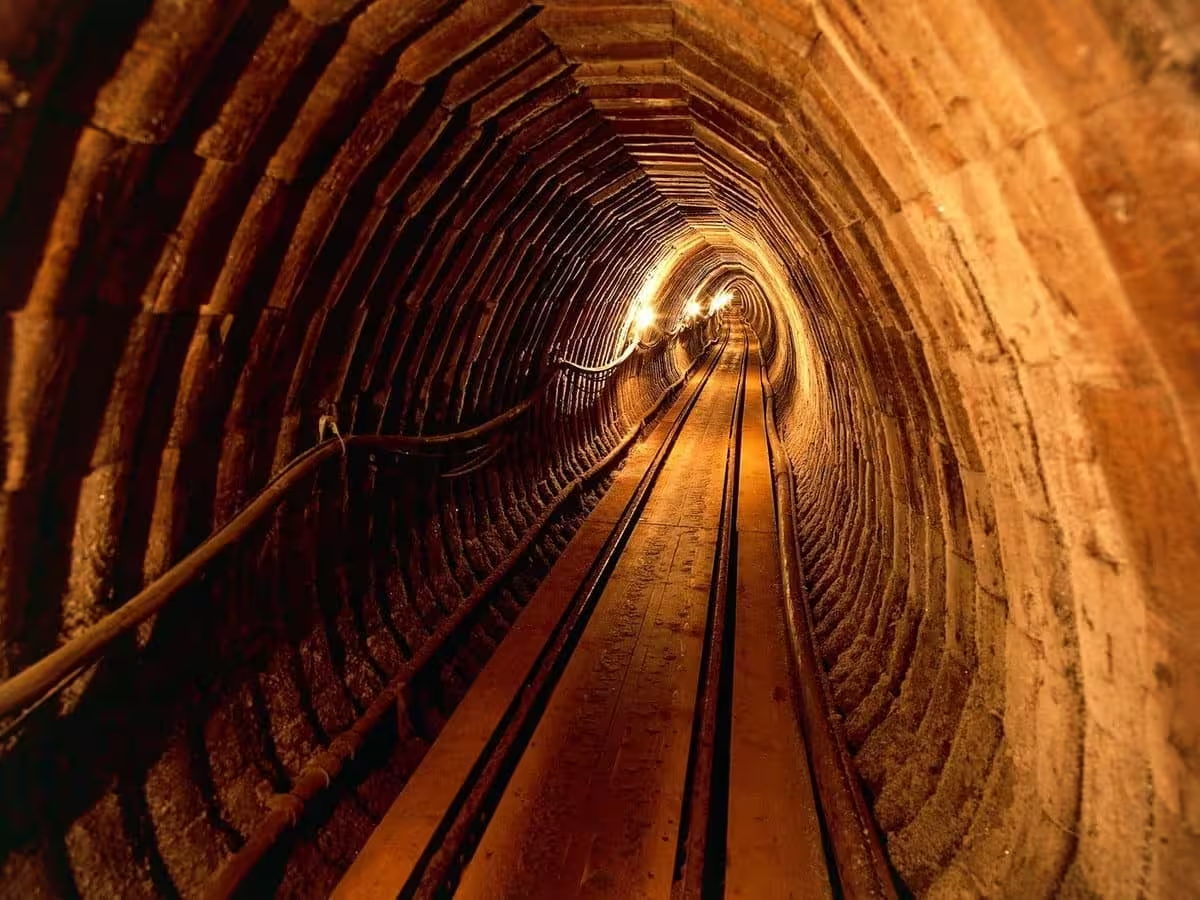
Geological surveys indicate that these passages represent only a fraction of the total complex, with further hidden tunnels likely still buried within the rock. According to reports from the Austria Press Agency, the complexity of the excavation points to a highly organized society capable of sustained engineering projects over many centuries.
Resilience Against Natural Disasters
The history of the Hallstatt mines was marked by severe environmental challenges, specifically frequent landslides that repeatedly threatened to shutter the operation. Yet, the archaeological evidence suggests the miners remained remarkably persistent.
“But mining went on and on,” said Daniel Brandner, head of underground excavations for the museum’s prehistoric department, in a statement to the Austria Press Agency. “It was a very resilient community that provided salt again in a few years after these landslides.”
This tenacity is physically manifested in the accumulation of sediment and debris, which in some chambers reaches thicknesses of nearly 30 feet. These layers serve as a stratigraphic timeline, documenting a culture that consistently returned to the same sites to rebuild and expand after geological upheaval.
A Window Into Ancient Daily Life
Beyond the architectural scale, the site offers an intimate look at the laborers who inhabited these depths. Excavations of the floor debris have revealed a wide array of mining implements. While Iron Age tools typically followed standardized designs, the diversity of hafting techniques discovered suggests that these miners were actively iterating and experimenting with their equipment to improve efficiency.
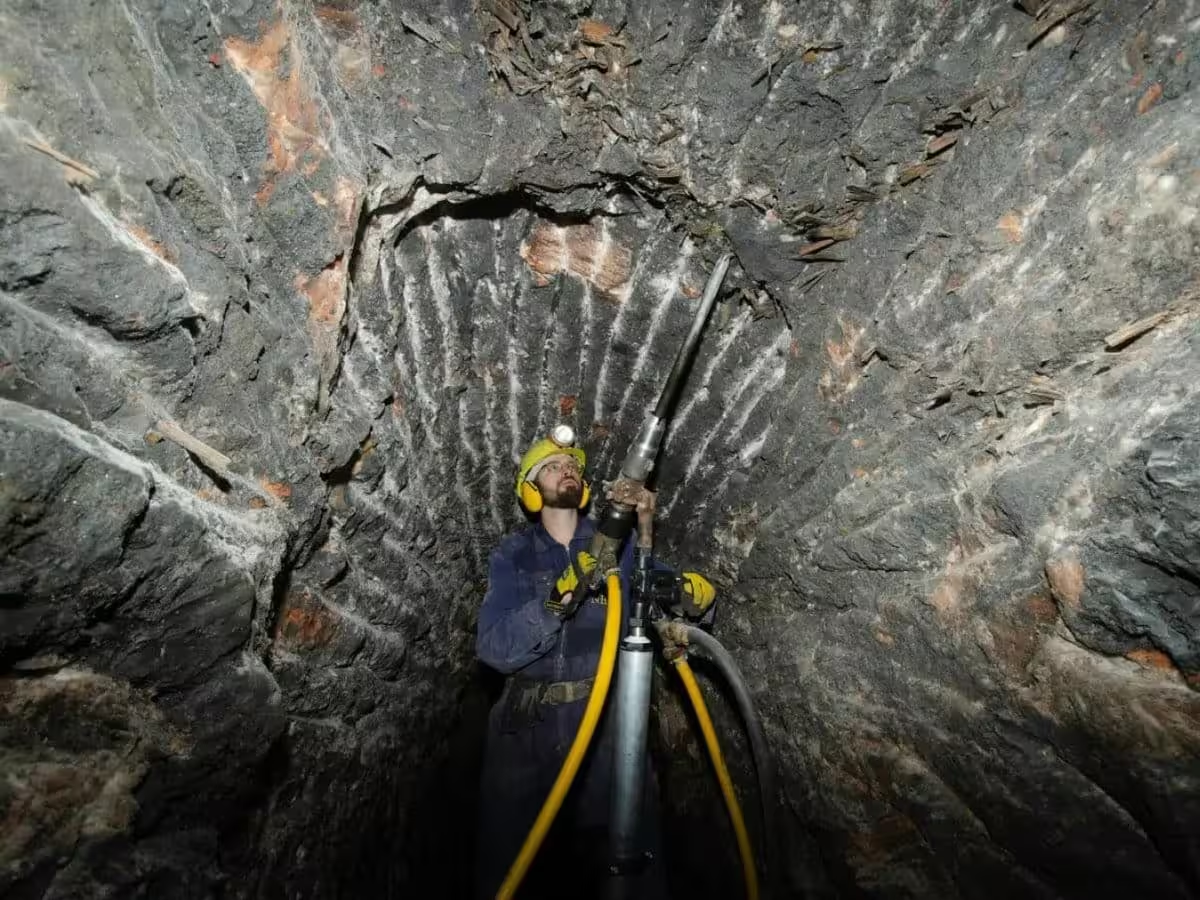
The unique environment of the salt mine—which acts as a natural preservative—has kept organic materials remarkably intact. Archaeologists have recovered delicate items such as burnt pine splinters used for lighting, fragments of ancient clothing, wooden bowls containing food remnants, and even preserved human waste. These artifacts provide a rare, vivid perspective on the daily hardships and survival strategies of an ancient community dedicated to harvesting the mineral wealth of the Alps.
This article has been fact checked for accuracy, with information verified against reputable sources. Learn more about us and our editorial process.
Last reviewed on .
Article history
- Latest version
Reference(s)
- “Naturhistorisches Museum Wien - Pressemitteilung-Detailseite.” <https://www.nhm.at/presse/pressemitteilungen/archaeologie-am-berg-2026>.
- Nachrichten, Salzburger. “Neue Funde im prähistorischen Salzbergwerk von Hallstatt.”, September 11, 2026 Salzburger Nachrichten <https://www.sn.at/panorama/wissen/neue-funde-im-praehistorischen-salzbergwerk-von-hallstatt-art-672384>.
- “Naturhistorisches Museum Wien - Mitarbeiter-Detail.” <https://www.nhm.at/daniel_brandner>.
Cite this page:
- Posted by Zara Tariq