Did San Artists Paint an Extinct Dicynodont? New Study Challenges Fossil Theory
Scientists debate a South African rock painting that may show a 200‑million‑year‑old dicynodont, but a peer
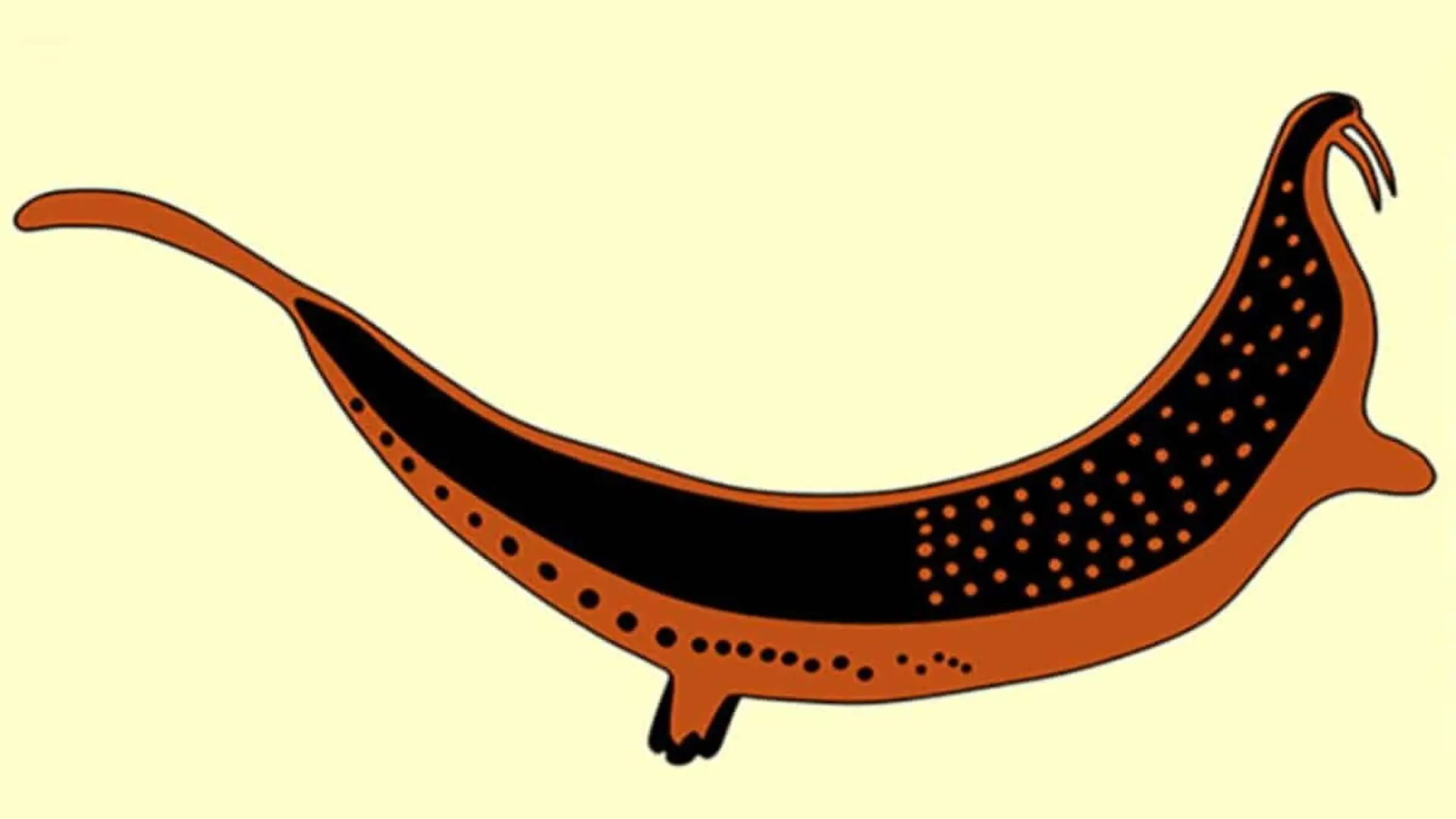
A puzzling figure painted on a sandstone shelter in South Africa’s Free State has reignited a debate over whether Indigenous San artists may have depicted an extinct animal after seeing fossil remains, or whether the image belongs to a long‑standing spiritual tradition. Researchers agree that the panel alone cannot resolve the issue, and the discussion remains active.
A Unique Creature in the Horned Serpent Rock Art
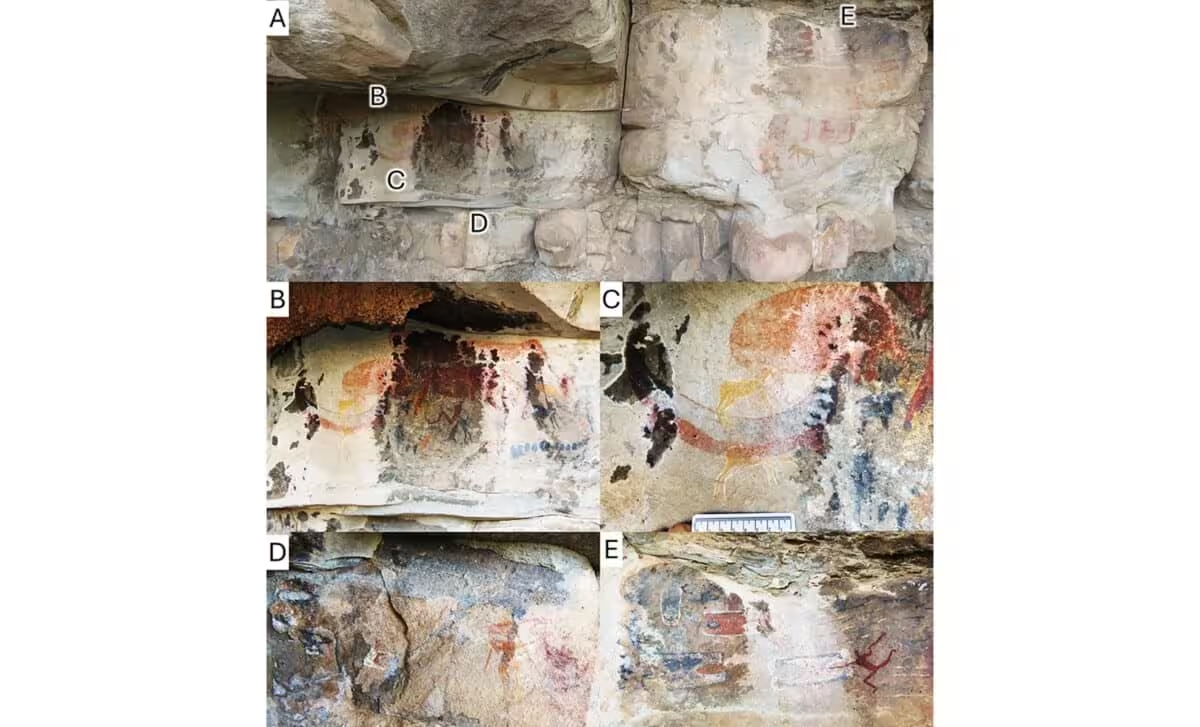
The contested image appears within the so‑called Horned Serpent panel, a composition that includes human figures, various animals, and serpentine motifs. One creature stands out because its shape does not match any known living species from the region. Based on stylistic comparisons with nearby warrior depictions and historical references, scholars estimate the panel was painted sometime between 1821 and 1835, although the pigments have not been directly dated.
A Fossil Inspiration Hypothesis
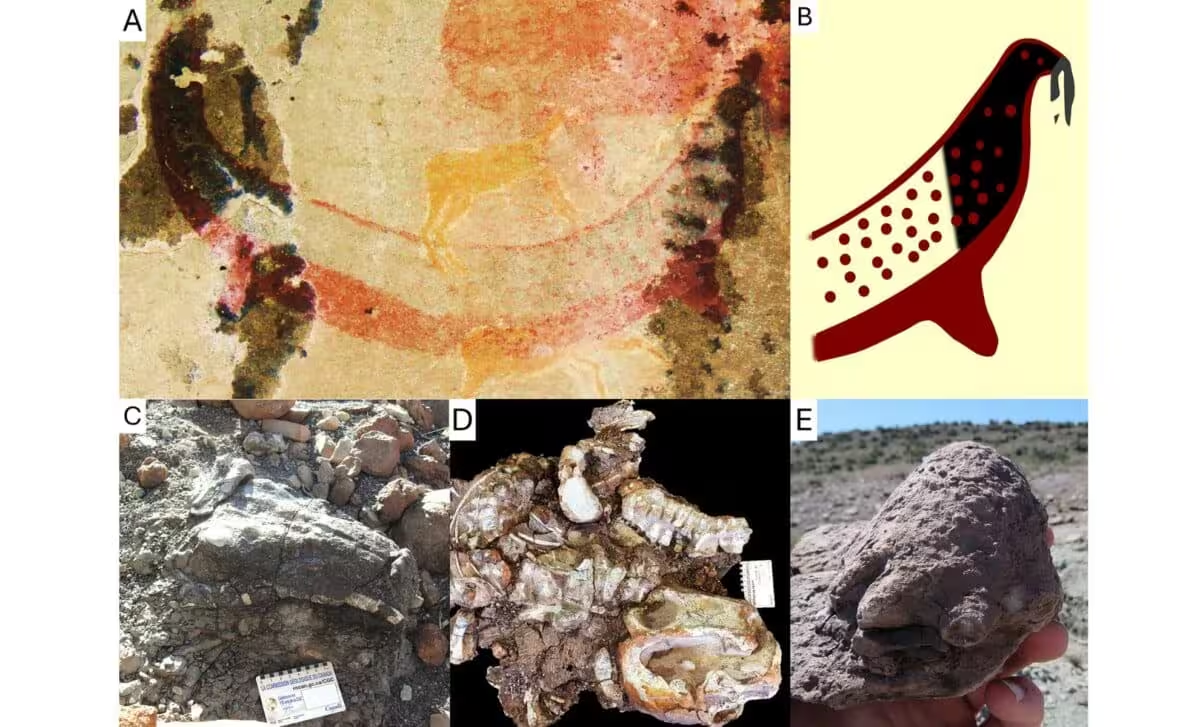
In 2024, Julien Benoit of the Evolutionary Studies Institute at the University of the Witwatersrand suggested the animal might represent a dicynodont, an extinct herbivorous therapsid that roamed the Karoo Basin roughly 265–200 million years ago. Dicynodonts are known for barrel‑shaped bodies, beak‑like mouths and a pair of prominent upper tusks. Benoit photographed the panel on site, noting that fossil‑bearing layers containing dicynodont remains lie within six to eight miles of the shelter, and that unidentified fragments of four‑limbed animals were reported about 165 feet north of the painting.
Supporters of the fossil view point to several visual cues: downward‑pointing tusks, the absence of an elephant‑like trunk, and a curved back reminiscent of fossil skeletons. The spotted pattern on the creature’s body has also been linked to the texture of weathered fossilized skin, though this connection remains speculative.
Previous archaeological work indicates that San communities were aware of fossils. An ancient dinosaur bone was once deliberately carried into a rock shelter, and other studies have proposed that certain Indigenous motifs may reflect fossil footprints. Nevertheless, awareness of fossils does not automatically imply that this particular painting was intended to portray an extinct species.
Scholars Question the Dicynodont Reading
A peer‑reviewed paper released on July 24, 2026, authored by rock‑art specialist David Witelson, contests the dicynodont interpretation. Witelson argues that the visual evidence is insufficient and that cultural explanations require more rigorous documentation before a fossil‑based reading can be accepted. He suggests that the shapes identified as tusks might actually be an inverted U‑shaped mark beneath the animal’s chin rather than teeth.
The critic also notes that surface weathering and digital enhancement of the image could create the impression of connected markings that are not present on the original panel. While he does not dispute the possibility that San peoples encountered fossils, he maintains that the panel itself cannot serve as proof of such knowledge, given the lack of direct dating and the unidentified nature of nearby fossil fragments.
The Question Remains Open
The Horned Serpent figure continues to sit at the crossroads of geology, archaeology, and San cultural tradition. The fossil hypothesis aligns with regional geology and certain visual traits, while an interpretation rooted in rain‑spirit mythology fits established San beliefs that blend features of multiple animals. Current evidence, confined to the painted surface, cannot decisively confirm either scenario.
Future research that includes high‑resolution imaging, paint‑layer analysis, direct dating (where conservation allows) and the discovery of comparable motifs near fossil sites may eventually tip the balance. Until such data emerge, the mysterious creature on the Horned Serpent panel remains an unresolved puzzle.
This article has been fact checked for accuracy, with information verified against reputable sources. Learn more about us and our editorial process.
Last reviewed on .
Article history
- Latest version
Cite this page:
- Posted by Vikram Desai