NASA Is Preparing to Launch Its First Nuclear Powered Fission Spacecraft to Mars
NASA’s SR-1 Freedom mission is targeting a 2028 launch, set to explore Mars using advanced nuclear electric propulsion and a trio of robotic helicopters.
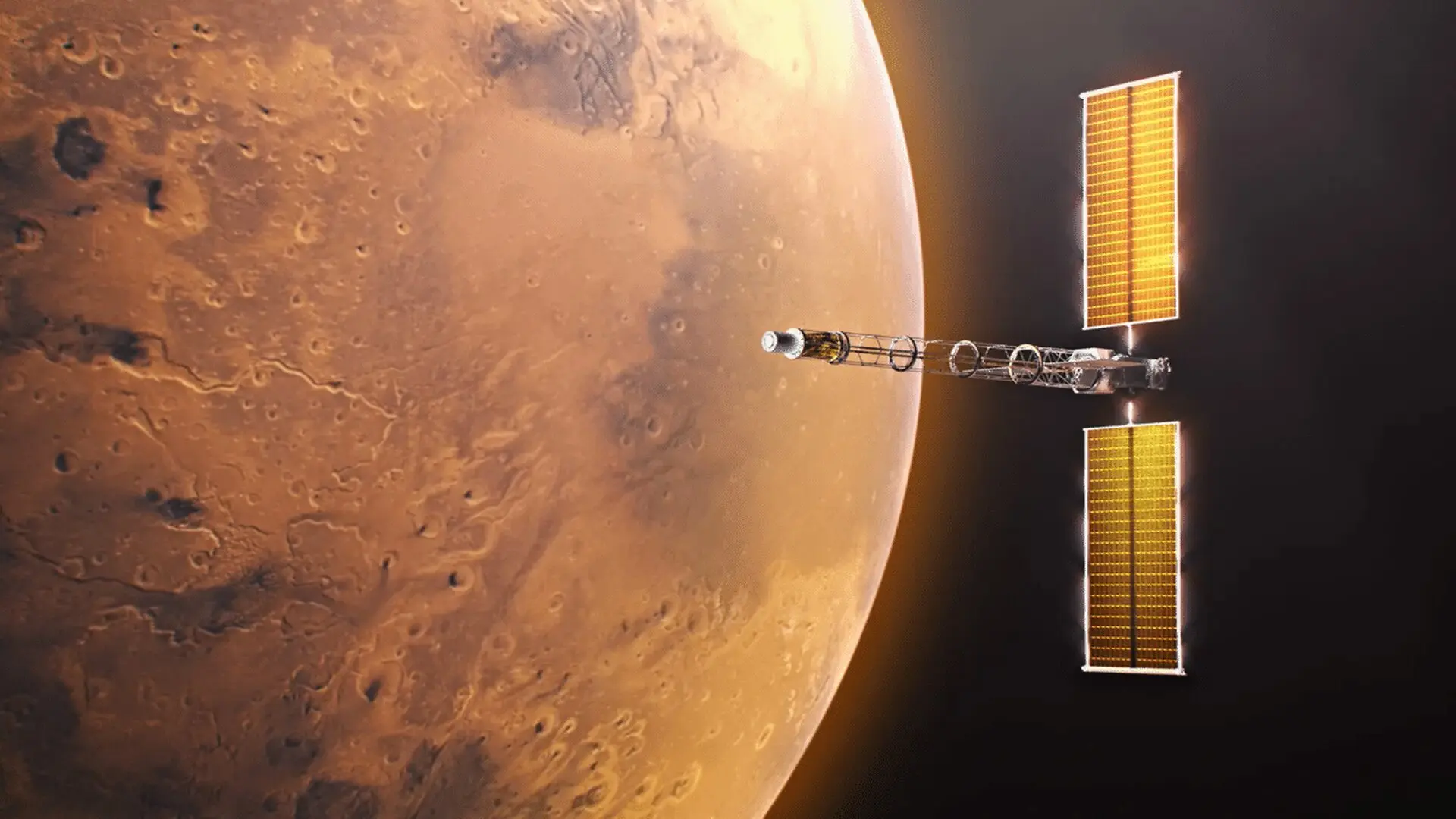
NASA has reached a critical development milestone for its inaugural fission-powered deep-space mission, the Space Reactor-1 (SR-1) Freedom. Announced on October 20, 2026, the agency is accelerating the integration of its nuclear power module, a pivotal step toward a planned launch in late 2028. This mission aims to prove that nuclear energy can provide a reliable, long-term power source for spacecraft, potentially revolutionizing how humanity explores the outer reaches of the solar system.
Engineering the Future of Deep-Space Power
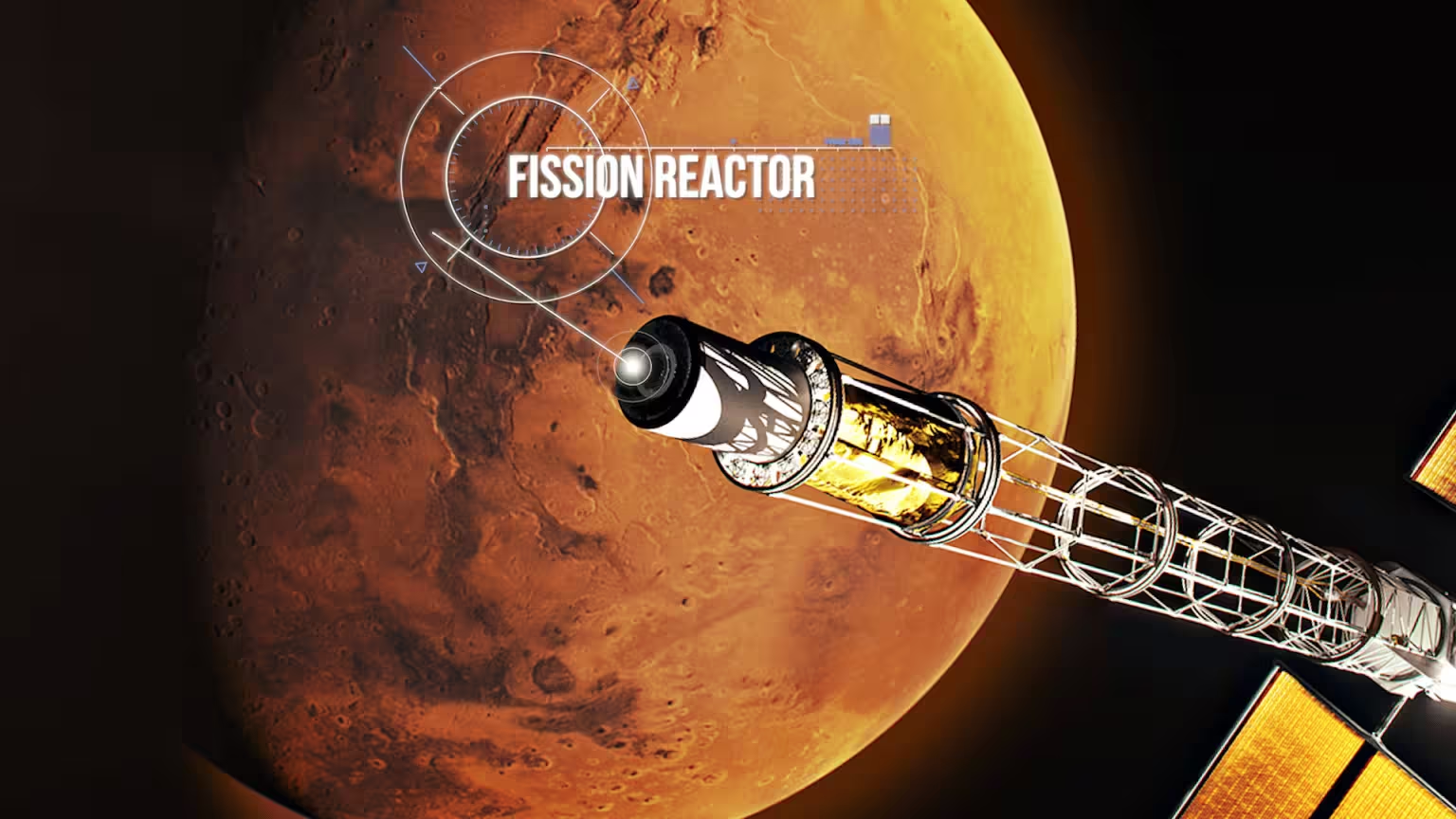
The SR-1 Freedom spacecraft relies on a sophisticated nuclear power module that functions by harnessing the intense heat generated by nuclear fission. By converting this thermal energy into electricity, the spacecraft can sustain its operations and power its electric propulsion systems far from the reach of the Sun, where traditional solar panels lose their effectiveness. To achieve this, NASA has tapped Sierra Lobo Inc. to provide a closed Brayton cycle power conversion system, which utilizes a closed working-fluid loop to turn heat into usable electrical energy.
This initiative is part of the broader Space Flight Systems Development and Operations Contract III, which oversees the development of critical flight hardware at the Glenn Research Center in Cleveland. Meanwhile, the U.S. Department of Energy’s Idaho National Laboratory is leading the design and fabrication of the fission reactor itself. Once completed, these components will be integrated to form the heart of the spacecraft.
Safety Protocols for Nuclear Transit
Operating a nuclear reactor in space requires stringent safety measures. NASA has confirmed that the reactor will remain cold and inactive during the initial launch phase and throughout the craft’s departure from Earth orbit. The reactor is only slated for activation once the vessel has reached a safe distance in deep space. This operational strategy is backed by a robust safety framework developed in coordination with the Department of Energy, involving continuous oversight from a designated NASA chief safety officer and rigorous interagency reviews to mitigate potential risks.
Steve Sinacore, the SR-1 Freedom program director, emphasized the importance of these collaborative efforts. “These contract actions not only reduce technical risk and help us maintain momentum toward our 2028 launch, but they also strengthen collaboration across our partners,” Sinacore said. He noted that the project serves as a cornerstone for building a sustainable foundation for future nuclear-powered missions.
Aerial Reconnaissance on the Red Planet
Beyond its primary role as a testbed for nuclear-electric propulsion, SR-1 Freedom is tasked with delivering the SkyFall mission to Mars. The payload includes three specialized robotic helicopters, which represent an evolutionary leap from the experimental Ingenuity aircraft. These drones are designed to scout inaccessible Martian terrain, conduct scientific surveys, and search for subsurface water deposits.
By deploying multiple aerial scouts simultaneously, NASA hopes to significantly expand the coverage of planetary exploration. The mission effectively bridges two frontier technologies: the deployment of autonomous, high-mobility reconnaissance aircraft and the use of high-output nuclear fission to power the transit across the void. While the 2028 launch date remains the primary focus, the mission stands as a critical test for the agency’s long-term strategy to expand the boundaries of autonomous and crewed spaceflight.
This article has been fact checked for accuracy, with information verified against reputable sources. Learn more about us and our editorial process.
Last reviewed on .
Article history
- Latest version
Cite this page:
- Posted by Karan Das