How Stroke Recovery Processes Can Accidentally Fuel Brain Cancer Growth
Glioma cells hijack the brain’s natural injury repair mechanisms to fuel tumor growth, revealing a new target for potential cancer treatments.
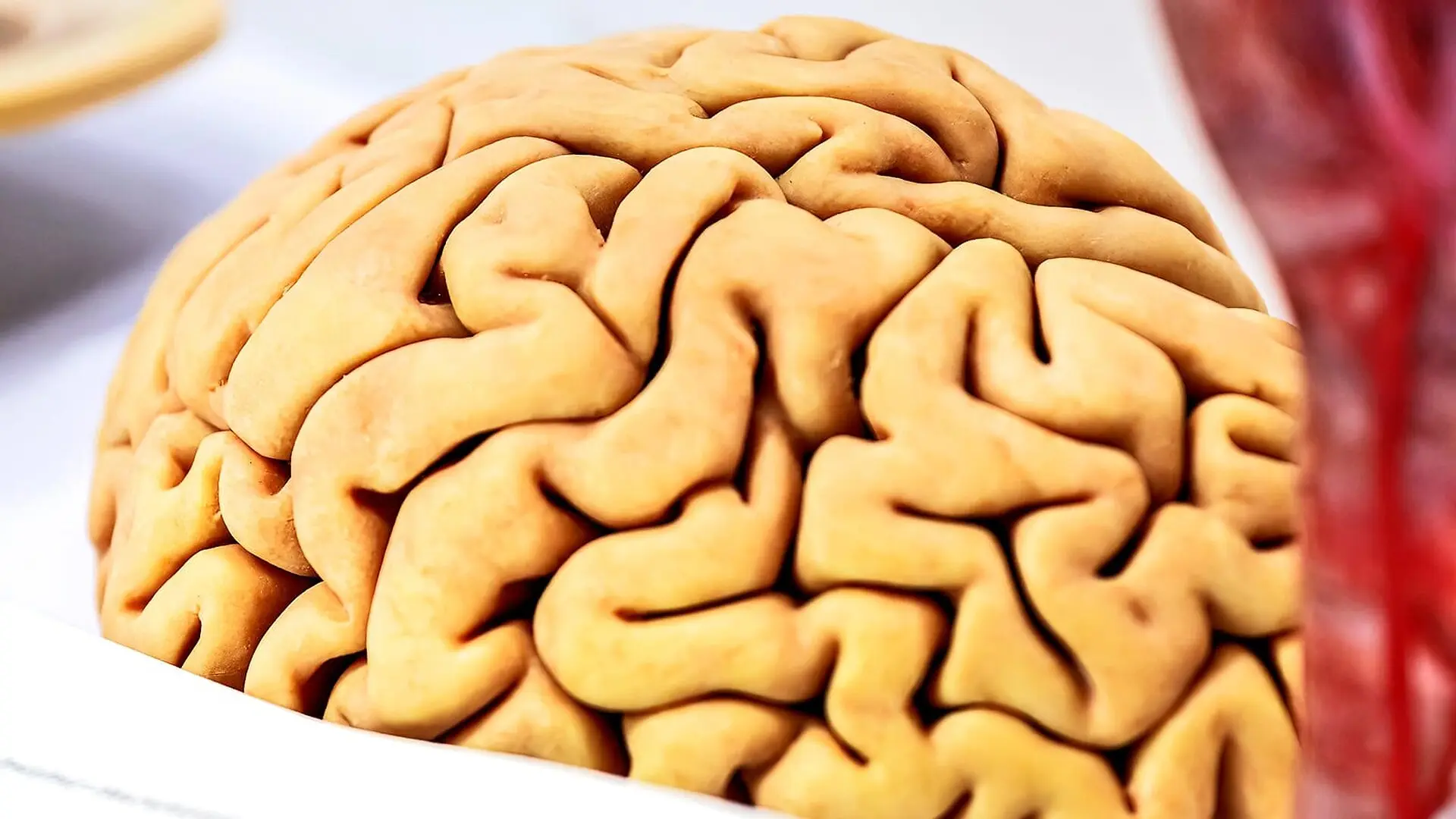
Biological Repair Mechanisms After Stroke May Inadvertently Fuel Brain Tumor Growth
New research published in Nature Cancer reveals a troubling biological link between the brain’s recovery process following an ischemic stroke and the progression of gliomas, a common and aggressive form of brain cancer. While the brain is inherently wired to heal itself after a blockage of blood flow, scientists have discovered that glioma cells are capable of hijacking these restorative processes to facilitate their own expansion and invasion of healthy tissue.
The study, which utilized various experimental models, including those derived from patient glioma cells, clarifies a long-standing epidemiological observation: people with a history of brain injury often show an association with subsequent tumor development. Researchers emphasize that a stroke does not directly cause brain cancer; rather, the trauma alters the local microenvironment in ways that create a more hospitable landscape for cancer cells to thrive.
“Glioma cells are highly opportunistic, integrating into the brain and utilizing every available resource to progress,” says Qi Ye, assistant professor at the Fralin Biomedical Research Institute at Virginia Tech and co-first author of the study. “What we found is that they exploit the very same biological pathways the brain uses for self-repair.”
The Role of Astrocytes and Calcium Signaling
The research team focused on the tumor microenvironment, a complex ecosystem of cells surrounding a tumor. They found that following a stroke, the behavior of astrocytes—star-shaped glial cells that are critical for maintaining brain homeostasis—is significantly altered. Specifically, these astrocytes exhibit a marked reduction in calcium activity, a critical signaling mechanism that cells use to communicate and regulate internal functions.
By observing this decline, the team identified a distinct subset of tumor-associated astrocytes that were effectively failing to perform their usual regulatory duties. When the researchers experimentally restored calcium signaling in these cells, they observed a significant decrease in both tumor proliferation and the spread of cancer cells into the regions affected by the stroke.
Targeting Molecular Pathways for Future Therapy
A key breakthrough in the study was the identification of a protein known as SLC4A4, which serves as a primary regulator of this signaling impairment. When the team increased the expression of this protein in astrocytes, they successfully restored normal calcium activity, which in turn inhibited tumor growth and extended survival in experimental models. Conversely, suppressing the protein accelerated the cancer’s advance.
These findings provide a new roadmap for understanding how an injured brain environment dictates the behavior of secondary diseases. Because gliomas remain notoriously difficult to treat, identifying these specific genes and signaling pathways offers a potential foundation for future therapeutic interventions.
“We have identified specific biological pathways that explain how an injured brain environment influences the progression of these tumors,” says Ye. “The next phase of our research is to determine if these pathways can be converted into viable therapeutic targets for a disease that currently has very few treatment options.”
The research was led by Hyun Kyoung Lee of Baylor College of Medicine and Texas Children’s Hospital, who served as the senior author, with co-first authorship shared by Ye and Christine Madamba of Baylor College of Medicine and the Duncan Neurological Research Institute.
This article has been fact checked for accuracy, with information verified against reputable sources. Learn more about us and our editorial process.
Last reviewed on .
Article history
- Latest version
Reference(s)
- Ye, Qi., et al. “Stroke drives glioma progression through the emergence of tumor-associated astrocytes with reduced Ca2+ activity.” Nature Cancer, September 25, 2026 Springer Science and Business Media LLC, doi: 10.1038/s43018-026-01238-8. <https://doi.org/10.1038/s43018-026-01238-8>.
Cite this page:
- Posted by Tariq Hassan